


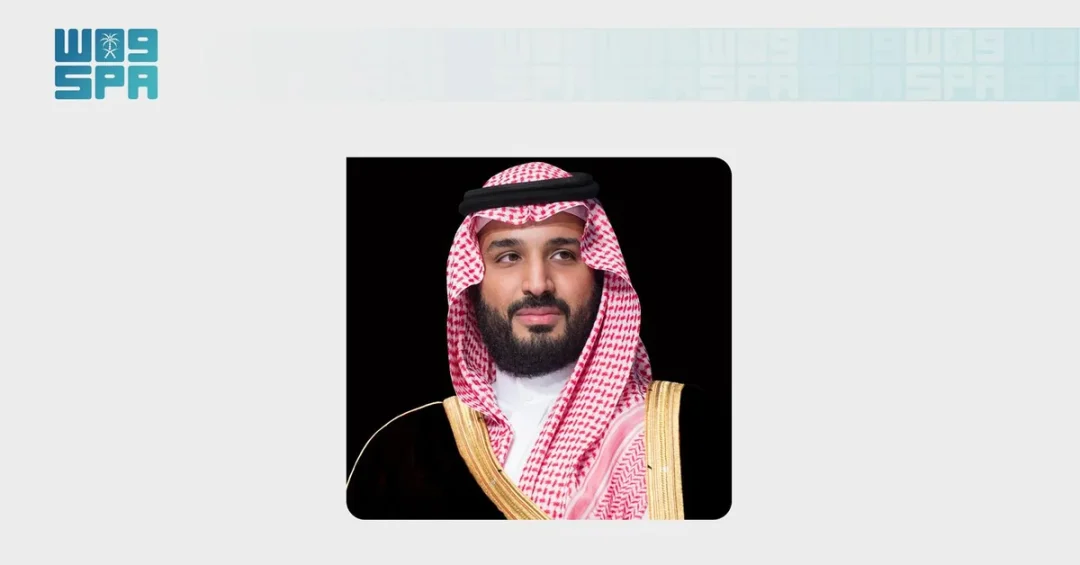
His Royal Highness Prince Mohammed bin Salman bin Abdulaziz Al Saud, Crown Prince and Prime Minister of the Kingdom of Saudi Arabia, held a phone call on Tuesday with Prime Minister Kyriakos Mitsotakis of the Hellenic Republic to discuss bilateral relations and ways to strengthen cooperation across various fields. The call, reported by the Saudi Press Agency (SPA), underscores the Kingdom’s ongoing commitment to deepening its international partnerships as part of its strategic vision for a diversified and globally engaged economy. The two leaders reviewed the close ties between Riyadh and Athens and explored avenues for expanding collaboration in areas of mutual interest.
The conversation reflects the broader momentum in Saudi-Greek relations, which have steadily grown in recent years. From energy and investment to tourism and cultural exchange, the two nations have found common ground on a range of issues that align with Saudi Arabia’s Vision 2030 and Greece’s own economic recovery goals. As the Kingdom continues to position itself as a hub for diplomacy and commerce, such high-level engagements serve to reinforce its role as a reliable partner on the world stage. What does this call signal about the future of Saudi-European relations, and how might it shape cooperation in critical sectors?
Context and Background
Have Saudi-Greek relations been steadily warming in recent years? Yes, and the Tuesday phone call is the latest in a series of high-level exchanges that have brought Riyadh and Athens closer together. Diplomatic ties between the two countries date back decades, but the pace of engagement has accelerated since the launch of Saudi Vision 2030 in 2016. Greece, strategically located at the crossroads of Europe, Asia, and Africa, has emerged as a key partner for the Kingdom in areas such as maritime security, energy transit, and cultural heritage. The two nations have signed numerous agreements, including a landmark defense cooperation pact in 2021 that included a mutual assistance clause.
In July 2022, Crown Prince Mohammed bin Salman visited Athens, where he met with Prime Minister Mitsotakis and Greek business leaders. That visit resulted in the signing of several memoranda of understanding (MoUs) covering energy, renewable sources, and technology. It also paved the way for increased Greek investment in Saudi Arabia and vice versa. The two countries have since collaborated on projects related to the NEOM mega-city, with Greek companies expressing interest in contributing to its development. Additionally, cultural ties have flourished, with Greece participating in Saudi cultural festivals and both nations celebrating their shared heritage as cradles of ancient civilizations.
The Tuesday call builds on this foundation. While the SPA report did not disclose specific new agreements, the discussion of “ways to strengthen cooperation across various fields” suggests a continued focus on expanding the partnership. For Saudi Arabia, engaging with Greece is part of a broader strategy to deepen ties with European Union member states, particularly those in the Mediterranean region. For Greece, Saudi Arabia represents a vital source of investment and a partner in managing regional challenges, from energy security to migration. How might this evolving relationship influence the geopolitical landscape of the Eastern Mediterranean?
Key Details
What exactly was discussed in the phone call? According to the official Saudi Press Agency, Crown Prince Mohammed bin Salman and Prime Minister Mitsotakis discussed bilateral relations and ways to strengthen cooperation between the two countries across various fields. The call took place on Tuesday, November 10, 2026, at 16:30 local time (13:30 GMT). While the SPA report did not provide a detailed agenda, the phrase “various fields” typically encompasses economic, political, cultural, and security dimensions in such diplomatic communications.
The two leaders likely reviewed the implementation of previous agreements, including those signed during the Crown Prince’s 2022 visit to Athens. These include a defense cooperation agreement that has facilitated joint military exercises and training, as well as MoUs on renewable energy and digital transformation. The call may also have touched on regional developments, such as the situation in the Eastern Mediterranean, the war in Gaza, and efforts to stabilize global energy markets. Greece has been a vocal supporter of Saudi Arabia’s right to defend its territory and has condemned attacks on the Kingdom’s infrastructure.
Furthermore, the conversation may have addressed the upcoming Saudi-Greek Joint Committee meeting, which is expected to convene in Riyadh in early 2027. This committee serves as a platform to review progress and identify new areas for collaboration. Greek officials have expressed interest in expanding cooperation in tourism, agriculture, and logistics, leveraging Saudi Arabia’s position as a gateway to the Middle East and Greece’s role as a gateway to Europe. The Crown Prince’s engagement with Mitsotakis also reflects Saudi Arabia’s proactive diplomacy under Vision 2030, which seeks to build a network of strategic partnerships worldwide.
International and Regional Impact
How does the Saudi-Greek partnership resonate beyond the two countries? The strengthening of ties between Riyadh and Athens carries significant implications for the broader region. Greece, as a member of both the European Union and NATO, serves as a bridge between Saudi Arabia and Western institutions. Enhanced cooperation could facilitate Saudi investments in Europe and support Greece’s efforts to become an energy hub through projects like the EastMed pipeline, which could transport natural gas from the Eastern Mediterranean to Europe. Saudi Arabia, with its vast energy resources and financial clout, could play a role in financing such infrastructure.
Moreover, the partnership contributes to regional stability. Both nations share concerns about security in the Eastern Mediterranean, including maritime disputes and the threat of terrorism. Joint naval exercises and intelligence sharing have already become part of their defense cooperation. For Saudi Arabia, having a reliable partner in the EU and NATO helps advance its interests in Europe and counters negative narratives. For Greece, aligning with Saudi Arabia provides diplomatic weight in the Middle East and access to Gulf investment. The phone call thus reinforces a mutually beneficial relationship that promotes peace and prosperity.
Economic and Strategic Significance
What economic opportunities does this call unlock? The Saudi-Greek economic relationship has been growing steadily. Bilateral trade reached approximately $1.5 billion in 2025, with Greek exports to Saudi Arabia including machinery, pharmaceuticals, and food products, while Saudi exports to Greece are primarily petrochemicals and plastics. However, both sides see potential for much more. Greek companies have shown interest in Saudi Arabia’s renewable energy sector, particularly solar and wind projects under the National Renewable Energy Program. Saudi Arabia’s Public Investment Fund (PIF) has expressed interest in investing in Greek infrastructure, including ports and airports.
Tourism is another promising area. Greece welcomed over 30 million tourists in 2025, while Saudi Arabia aims to attract 100 million visitors annually by 2030. The two countries have been discussing ways to promote joint tourism packages, leveraging their rich historical and cultural attractions. In 2025, direct flights between Riyadh and Athens were increased, and there are plans to launch new routes connecting Greek islands with Saudi cities. The Crown Prince and Prime Minister may have discussed facilitating visa procedures and enhancing aviation links during their call. Such measures would boost people-to-people ties and economic growth.
Vision 2030 Alignment
How does this engagement align with Saudi Vision 2030? Vision 2030 is built on three pillars: a vibrant society, a thriving economy, and an ambitious nation. International partnerships are essential to achieving these goals. By deepening ties with Greece, Saudi Arabia advances its economic diversification agenda, attracting foreign investment and expertise in sectors like tourism, renewable energy, and technology. The Kingdom’s leadership in diplomacy also enhances its global standing, positioning it as a bridge between East and West. The Crown Prince’s active engagement with world leaders demonstrates Saudi Arabia’s commitment to multilateralism and peaceful cooperation.
Furthermore, the call reflects the Kingdom’s efforts to strengthen its relations with European partners, which is a key objective of Vision 2030. Greece’s support for Saudi Arabia’s candidacy to host Expo 2030 in Riyadh is a testament to the growing trust between the two nations. As Saudi Arabia continues to transform its economy and society, partnerships with countries like Greece will play a vital role in sharing knowledge, fostering innovation, and creating opportunities for future generations. The Tuesday phone call is a small but significant step in that ongoing journey, reinforcing the Kingdom’s message of openness and collaboration to the world.
20 Questions
Q1. Who held a phone call on Tuesday, November 10, 2026?
A1. His Royal Highness Prince Mohammed bin Salman bin Abdulaziz Al Saud, Crown Prince and Prime Minister of Saudi Arabia, held a phone call with Prime Minister Kyriakos Mitsotakis of the Hellenic Republic.
Q2. What was the main purpose of the phone call?
A2. The two leaders discussed bilateral relations and ways to strengthen cooperation between Saudi Arabia and Greece across various fields, according to the Saudi Press Agency.
Q3. When did the phone call take place?
A3. The call took place on Tuesday, November 10, 2026, at 16:30 local time (13:30 GMT), as reported by the Saudi Press Agency.
Q4. Which Saudi agency reported the phone call?
A4. The Saudi Press Agency (SPA) reported the phone call, which is the official news agency of the Kingdom of Saudi Arabia.
Q5. What are some areas of cooperation between Saudi Arabia and Greece?
A5. Areas of cooperation include defense, energy, renewable sources, technology, tourism, agriculture, logistics, and cultural exchange, based on previous agreements and discussions.
Q6. Have Saudi Arabia and Greece signed any major agreements in recent years?
A6. Yes, in 2021 they signed a defense cooperation pact with a mutual assistance clause, and in 2022 several MoUs on energy, renewable sources, and technology were signed during the Crown Prince’s visit to Athens.
Q7. What is the significance of Greece’s location for Saudi Arabia?
A7. Greece is strategically located at the crossroads of Europe, Asia, and Africa, making it a key partner for Saudi Arabia in maritime security, energy transit, and cultural heritage.
Q8. How does this phone call align with Saudi Vision 2030?
A8. It aligns with Vision 2030 by advancing economic diversification, attracting foreign investment, and strengthening international partnerships, which are key pillars of the vision.
Q9. What economic benefits could result from enhanced Saudi-Greek cooperation?
A9. Enhanced cooperation could boost bilateral trade, increase Greek investment in Saudi projects like NEOM, and expand tourism and aviation links between the two countries.
Q10. What is the current volume of trade between Saudi Arabia and Greece?
A10. Bilateral trade reached approximately $1.5 billion in 2025, with Greek exports including machinery, pharmaceuticals, and food, and Saudi exports primarily petrochemicals and plastics.
Q11. Are there plans for new direct flights between Saudi Arabia and Greece?
A11. Yes, there are plans to launch new routes connecting Greek islands with Saudi cities, and direct flights between Riyadh and Athens were increased in 2025.
Q12. How does Greece support Saudi Arabia on the international stage?
A12. Greece has supported Saudi Arabia’s candidacy to host Expo 2030 in Riyadh and has condemned attacks on Saudi infrastructure, showing strong diplomatic backing.
Q13. What role does the Saudi-Greek Joint Committee play?
A13. The Joint Committee serves as a platform to review progress and identify new areas for collaboration, with the next meeting expected in Riyadh in early 2027.
Q14. How might this partnership affect regional stability?
A14. The partnership contributes to regional stability through joint naval exercises, intelligence sharing, and a shared commitment to combating terrorism and ensuring maritime security.
Q15. What investments is Saudi Arabia’s Public Investment Fund considering in Greece?
A15. The PIF has expressed interest in investing in Greek infrastructure, including ports and airports, as part of its broader international investment strategy.
Q16. How does Saudi Arabia benefit from Greece’s EU and NATO membership?
A16. Greece serves as a bridge between Saudi Arabia and Western institutions, facilitating Saudi investments in Europe and providing diplomatic support within the EU and NATO.
Q17. What cultural ties exist between Saudi Arabia and Greece?
A17. Both nations celebrate their shared heritage as cradles of ancient civilizations, and Greece has participated in Saudi cultural festivals, fostering people-to-people connections.
Q18. What is the expected outcome of the phone call?
A18. The call is expected to further strengthen bilateral relations, leading to increased cooperation in various fields and the implementation of existing agreements.
Q19. How does this call reflect Saudi Arabia’s foreign policy under Vision 2030?
A19. It reflects Saudi Arabia’s proactive diplomacy and commitment to building strategic partnerships worldwide, which is a key objective of Vision 2030.
Q20. What message does this call send to the international community?
A20. The call sends a message of Saudi Arabia’s openness to collaboration and its role as a reliable partner in promoting peace, stability, and economic prosperity globally.
Reader Feedback
We value your thoughts. Please share your feedback on this article.
Your feedback helps us improve our coverage.
Related articles
 Hajj Conference Advances Operational Excellence for Pilgrims
 Hajj Conference Workshop Discusses Supply Chain Security Under ISO 28000
 Saudi Arabia Unveils AI-Powered Smart Security for Hajj
 NCVC Sows Native Seeds in Al-Baha’s Wadi Al-Sahibah
 Saudi Cars Syndicate Showcases Smart Fleet Tech at Hajj Conference
 Hajj Conference Workshops Focus on Pilgrim Safety and Emergency Management