


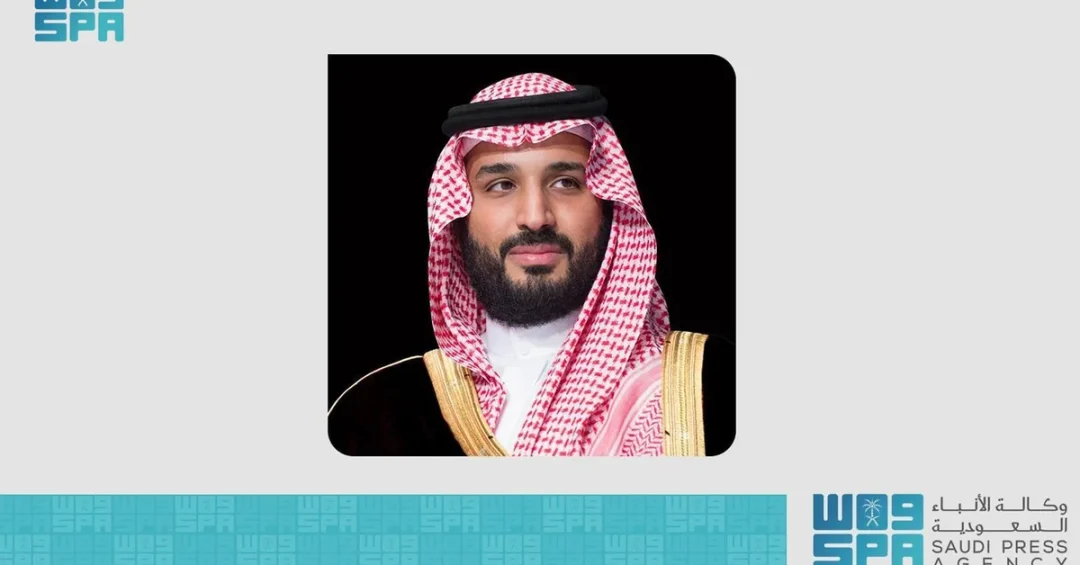
His Royal Highness Prince Mohammed bin Salman bin Abdulaziz Al Saud, Crown Prince and Prime Minister, received a phone call on March 28, 2025, from Dutch Prime Minister Dick Schoof, during which the two leaders reviewed bilateral relations between the Kingdom of Saudi Arabia and the Kingdom of the Netherlands and exchanged views on recent regional and international developments. The call, reported by the Saudi Press Agency (SPA), underscored the Kingdom’s continued engagement with European partners on matters of mutual interest, including diplomatic coordination, economic cooperation, and efforts to promote security and stability at both the regional and international levels. The conversation reflects the broader momentum in Saudi-Dutch ties, which have expanded in recent years across trade, energy, and cultural exchange.
Diplomatic engagements of this nature are a routine yet significant component of Saudi Arabia’s foreign policy under the leadership of the Custodian of the Two Holy Mosques, King Salman bin Abdulaziz Al Saud, and the Crown Prince. They signal the Kingdom’s openness to dialogue and its commitment to maintaining strong relationships with nations across Europe, Asia, and beyond. The Netherlands, as a key European Union member and a major trading partner, holds a position of importance in Saudi Arabia’s network of international relationships. Could this call mark another step forward in deepening ties between Riyadh and The Hague?
Context and Background
Saudi-Dutch relations have historically been grounded in mutual economic interests, particularly in the energy sector, where the Netherlands serves as a major hub for petroleum products and logistics in Europe. Over the decades, the two countries have built a relationship that extends beyond trade into areas such as water management, agriculture, and technological innovation. The Netherlands is renowned for its expertise in water desalination and sustainable agriculture, fields in which Saudi Arabia has shown growing interest as part of its diversification efforts. How might these shared areas of expertise translate into concrete collaboration in the years ahead?
The March 28 call between Crown Prince Mohammed bin Salman and Prime Minister Dick Schoof is consistent with the Kingdom’s pattern of proactive diplomacy. Saudi Arabia has consistently pursued dialogue with European leaders on issues ranging from energy security to climate change and regional stability. The Crown Prince’s role as Prime Minister, a position he has held since September 2022, has further consolidated the Kingdom’s approach to integrating diplomatic and economic policy under a unified strategic vision. This call, therefore, is not an isolated event but part of a sustained effort to strengthen Saudi Arabia’s global partnerships.
It is also worth noting that the Netherlands has been an active participant in multilateral forums where Saudi Arabia plays a prominent role, including the United Nations and various international economic organizations. The two nations have cooperated on humanitarian initiatives and have maintained a dialogue on cultural exchange, with Dutch institutions occasionally partnering with Saudi cultural bodies. What does this level of engagement tell us about the evolving nature of Saudi-European relations?
Key Details of the Call
According to the Saudi Press Agency, the phone call focused on reviewing the relations between the Kingdom of Saudi Arabia and the Kingdom of the Netherlands and discussing ways to enhance them. This indicates a mutual recognition of the importance of the bilateral relationship and a shared desire to explore new avenues for cooperation. The leaders also exchanged views on recent regional and international developments, as well as ongoing efforts to achieve security and stability. This broad agenda reflects the range of issues where Saudi Arabia and the Netherlands share common concerns, from Middle East peace and security to global economic stability.
The Crown Prince and Prime Minister Dick Schoof did not announce specific agreements or initiatives during the call, based on the official readout. However, such high-level conversations often lay the groundwork for future cooperation and help align positions on key issues. The fact that the call took place at the leadership level underscores the priority both countries assign to the relationship. It also provides an opportunity for Saudi Arabia to communicate its perspectives on regional matters directly to a European counterpart, ensuring that the Kingdom’s voice is heard in European capitals.
The timing of the call, in late March 2025, comes amid a period of active Saudi diplomacy. The Kingdom has been hosting numerous international events, including investment forums and cultural festivals, and has been engaged in mediation efforts in regional conflicts. The call with the Dutch Prime Minister can be seen as part of this broader diplomatic rhythm, reinforcing Saudi Arabia’s role as a constructive and reliable partner on the world stage. What might be the next steps in translating this dialogue into tangible outcomes?
International and Regional Impact
The Saudi-Dutch dialogue carries implications beyond the bilateral relationship. As a member of the European Union, the Netherlands can serve as a bridge between Saudi Arabia and the wider European bloc. Enhanced communication between Riyadh and The Hague could facilitate a more coordinated approach to issues such as energy transition, trade regulations, and climate policy. In a world where geopolitical alignments are shifting, Saudi Arabia’s ability to maintain open channels with European partners is a strategic asset. The call thus contributes to a more stable and predictable international environment.
Regionally, the exchange of views on security and stability is particularly significant. The Middle East continues to face complex challenges, and Saudi Arabia has been at the forefront of efforts to promote peace and dialogue. By discussing these issues with Prime Minister Schoof, the Crown Prince is helping to build international consensus around the Kingdom’s approach to regional security. This can lead to greater understanding and support from European nations for Saudi-led initiatives aimed at de-escalation and conflict resolution. How might this conversation influence Europe’s engagement with the Middle East in the coming months?
Economic and Strategic Significance
Economically, the Netherlands is a vital partner for Saudi Arabia. The Port of Rotterdam is a key gateway for Saudi exports to Europe, and Dutch companies are active in the Kingdom’s logistics, water, and renewable energy sectors. The call between the two leaders could help to further unlock trade and investment opportunities, particularly as Saudi Arabia advances its Vision 2030 agenda. Dutch expertise in sustainable water management and agri-tech aligns closely with Saudi Arabia’s goals of achieving food and water security. Could this call pave the way for new joint ventures in these critical areas?
Strategically, the relationship with the Netherlands also matters because of the Netherlands’ role in global supply chains and its influence within the European Union. Saudi Arabia’s Vision 2030 aims to diversify its economy and reduce dependence on oil, and European partners like the Netherlands can provide technology, investment, and market access. The Crown Prince’s discussion with Prime Minister Schoof likely touched on these economic dimensions, even if the official readout did not specify them. The strategic value of such dialogue lies in its potential to align Saudi and Dutch economic priorities for mutual benefit.
Vision 2030 Alignment
The phone call between Crown Prince Mohammed bin Salman and Prime Minister Dick Schoof is fully aligned with the objectives of Saudi Vision 2030, the Kingdom’s comprehensive plan to transform its economy and society. Vision 2030 emphasizes international cooperation, economic diversification, and the strengthening of Saudi Arabia’s global partnerships. By maintaining active dialogue with European leaders, the Kingdom is working to attract foreign investment, foster technology transfer, and enhance its position as a hub for trade and innovation. This call is a clear example of how Saudi diplomacy serves the goals of Vision 2030.
Moreover, the Crown Prince’s engagement with the Dutch Prime Minister reflects the leadership’s commitment to projecting a positive image of Saudi Arabia abroad and to building bridges with nations that share an interest in stability and prosperity. As Vision 2030 continues to unfold, such high-level interactions will remain essential in showcasing the Kingdom’s progress and in securing the international collaborations needed to achieve its ambitious targets. The call is a small but meaningful step in that ongoing journey, reinforcing Saudi Arabia’s role as a responsible and forward-looking global actor.
20 Questions
Q1. Who received a phone call from the Dutch Prime Minister?
A1. His Royal Highness Prince Mohammed bin Salman bin Abdulaziz Al Saud, Crown Prince and Prime Minister of Saudi Arabia, received the call.
Q2. When did the phone call take place?
A2. The call took place on March 28, 2025, according to the Saudi Press Agency.
Q3. Who is the Dutch Prime Minister?
A3. The Dutch Prime Minister is Dick Schoof, who holds the office of Prime Minister of the Kingdom of the Netherlands.
Q4. What was the main purpose of the call?
A4. The leaders reviewed bilateral relations and discussed ways to enhance them, and exchanged views on regional and international developments.
Q5. Which Saudi agency reported the call?
A5. The Saudi Press Agency (SPA) reported the call, providing the official readout of the conversation.
Q6. What are the two countries involved in the call?
A6. The Kingdom of Saudi Arabia and the Kingdom of the Netherlands are the two countries involved.
Q7. Did the leaders discuss regional security?
A7. Yes, they exchanged views on recent regional and international developments and ongoing efforts to achieve security and stability.
Q8. What is the significance of this call for Saudi diplomacy?
A8. It reflects Saudi Arabia’s proactive engagement with European partners and its commitment to maintaining open channels of dialogue on key global issues.
Q9. What areas of cooperation exist between Saudi Arabia and the Netherlands?
A9. Cooperation spans trade, energy, water management, agriculture, and logistics, with potential for growth in renewable energy and technology.
Q10. How does this call relate to Vision 2030?
A10. The call supports Vision 2030 by strengthening international partnerships that can attract investment and facilitate technology transfer to Saudi Arabia.
Q11. What is the Netherlands’ role in the European Union?
A11. The Netherlands is a founding member of the EU and plays an influential role in shaping European policies on trade, climate, and foreign affairs.
Q12. Did the call result in any new agreements?
A12. No specific agreements were announced in the official readout, but the call lays groundwork for future cooperation and alignment.
Q13. How often do Saudi and Dutch leaders communicate?
A13. High-level communications occur periodically as part of regular diplomatic engagement between the two nations on matters of mutual interest.
Q14. What is the importance of the Port of Rotterdam for Saudi trade?
A14. The Port of Rotterdam is a major gateway for Saudi exports to Europe, facilitating the distribution of petroleum products and other goods.
Q15. What expertise does the Netherlands offer that benefits Saudi Arabia?
A15. Dutch expertise in water desalination, sustainable agriculture, and logistics is valuable for Saudi Arabia’s diversification and resource management goals.
Q16. How does this call fit into Saudi Arabia’s broader foreign policy?
A16. It is part of Saudi Arabia’s consistent efforts to engage with European partners and promote stability, security, and economic cooperation globally.
Q17. What did the leaders exchange views on?
A17. They exchanged views on recent regional and international developments, as well as ongoing efforts to achieve security and stability.
Q18. What is the Crown Prince’s role in Saudi diplomacy?
A18. As Crown Prince and Prime Minister, he leads Saudi Arabia’s diplomatic and economic initiatives, including high-level calls with world leaders.
Q19. Will there be follow-up actions from this call?
A19. While no specific follow-up was announced, such calls typically lead to further diplomatic and economic engagement between the two countries.
Q20. How does this call contribute to international stability?
A20. By facilitating dialogue between Saudi Arabia and a European partner, the call helps build consensus and understanding on global and regional security issues.
Reader Feedback
We value your thoughts. Please share your feedback on this article.
Your feedback helps us improve our coverage.
Related articles
 Bahrain Minister Meets Saudi Ambassador in Manama
 Crown Prince Spends Ramadan’s Final Days in Makkah
 KSrelief Distributes 5,500 Food Baskets, Health Kits in Syria’s Idlib
 Grand Mosque Hosts Last Friday Prayer of Ramadan
 Volunteers Aid Worshippers at Prophet’s Mosque in Ramadan
 Special Services for Elderly, Disabled Women at Prophet’s Mosque