


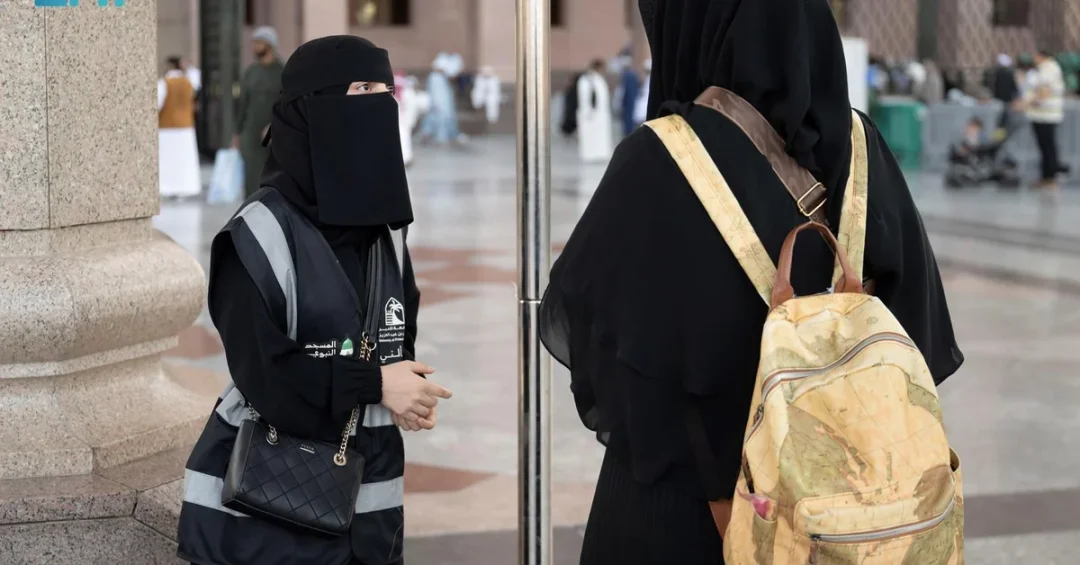
Thousands of volunteers from governmental and charitable sectors across Saudi Arabia are providing comprehensive support services to worshippers at the Prophet’s Mosque in Madinah during the final ten nights of Ramadan, according to the Saudi Press Agency. The coordinated effort — spanning transportation assistance, meal distribution, crowd management, medical aid, and multilingual guidance — reflects the deep-rooted tradition of community service that accompanies the holiest period of the Islamic calendar. Have you ever wondered what makes the experience of millions of pilgrims at the Prophet’s Mosque so seamless and spiritually enriching?
The initiative, documented by the Saudi Press Agency on March 28, 2025, brings together volunteers who serve worshippers during peak periods such as iftar and the Qiyam and Tahajjud prayers. Their work ensures that the massive influx of visitors during Ramadan’s most sacred nights proceeds smoothly, safely, and with dignity for every worshipper. This volunteer mobilization represents a hallmark of Saudi Arabia’s commitment to serving the Guests of God, a responsibility the Kingdom has embraced since its founding and continues to elevate through Vision 2030’s pilgrimage and quality-of-life initiatives. How does a nation coordinate thousands of volunteers to serve millions of worshippers without disruption?
Context and Background
The Prophet’s Mosque, known in Arabic as Al-Masjid an-Nabawi, stands as the second holiest site in Islam and one of the most visited religious destinations in the world. During the last ten nights of Ramadan — a period that includes Laylat al-Qadr, the Night of Power — worshippers from across the globe converge on Madinah in numbers that swell dramatically. The Saudi Press Agency reported that this year’s influx has been accompanied by a notable surge in volunteerism, highlighting the collective dedication of Saudi society to ensuring a seamless and spiritually enriching experience for all visitors.
The volunteers come from various governmental and charitable sectors, forming an integrated support network that operates around the clock. Their presence is particularly critical during iftar, when thousands of worshippers break their fast simultaneously, and during the Qiyam and Tahajjud prayers, which extend deep into the night. The coordination between official agencies and charitable organizations exemplifies the symbiotic relationship between faith and community service that defines the Kingdom’s approach to hosting pilgrims. Isn’t it remarkable how religious devotion and civic duty intertwine so naturally in Saudi Arabia’s service culture?
Historically, the tradition of serving worshippers at the Prophet’s Mosque dates back centuries, but it has been modernized and expanded under Saudi leadership. The General Presidency for the Affairs of the Prophet’s Mosque, alongside the Ministry of Hajj and Umrah and various charitable societies, now manages a volunteer force that rivals the operational capacity of major international events. This infrastructure not only supports Ramadan activities but also serves as a year-round model for crowd management and humanitarian assistance.
Key Details of Volunteer Services
According to the Saudi Press Agency, the volunteers extend a comprehensive range of services tailored to the needs of elderly, disabled, and international worshippers. One of the most visible services is transportation assistance and wheelchair access. Volunteers help elderly and disabled worshippers move between the mosque’s many gates, courtyards, and prayer halls, ensuring that no one is left behind due to mobility challenges. This service is especially vital during peak hours when the mosque’s capacity reaches its limits. How often do we consider the quiet logistics that allow a frail elderly pilgrim to reach the front rows of prayer?
Another cornerstone of the volunteer effort is the distribution of iftar meals and water throughout the mosque and its courtyards. As the call to Maghrib prayer sounds, thousands of fasting worshippers break their fast simultaneously. Volunteers coordinate the delivery of pre-packaged meals, dates, and Zamzam water, managing supply lines that stretch across the mosque’s expansive grounds. The Saudi Press Agency noted that this distribution is carried out with precision, minimizing waste and ensuring equitable access for all. In addition, volunteers manage crowd flow during prayers and exits, guiding worshippers through designated pathways to prevent congestion and maintain safety.
Guidance services form a third pillar of the volunteer operation. Multilingual volunteers provide navigation assistance and translation, helping international visitors who may not speak Arabic find their way to prayer areas, restrooms, and medical stations. This service is particularly appreciated by pilgrims from non-Arabic-speaking countries, who often arrive with limited knowledge of the mosque’s layout. Volunteers also support healthcare initiatives by delivering first aid and medical assistance, working alongside licensed medical teams stationed at the mosque. They proactively address behaviors that may impede the smooth movement of worshippers, always with courtesy and respect. What would a pilgrimage experience be like without these unsung guides and caregivers?
International and Regional Impact
The volunteer mobilization at the Prophet’s Mosque sends a powerful message to the international community about Saudi Arabia’s capacity for hospitality and organization. Pilgrims return to their home countries with memories not only of spiritual fulfillment but also of the kindness and efficiency they encountered. This soft power dimension is increasingly recognized as a key component of Saudi Arabia’s global image, particularly as the Kingdom welcomes record numbers of Umrah and Hajj performers under expanded visa regimes. The Saudi Press Agency’s documentation of these efforts underscores the transparency and pride with which the Kingdom shares its service model with the world.
Regionally, the initiative reinforces the bonds of Islamic solidarity. Volunteers from different nationalities and backgrounds work side by side, demonstrating that the Prophet’s Mosque belongs to the entire Muslim Ummah. This collaborative spirit extends beyond Ramadan, as Saudi Arabia continues to invest in infrastructure and services that benefit pilgrims year-round. The presence of multilingual volunteers, in particular, reflects the Kingdom’s awareness of its global congregation and its commitment to making every visitor feel welcome. Could any other nation match this scale of voluntary service during its holiest season?
Economic and Strategic Significance
While the volunteer effort is fundamentally humanitarian, it also carries significant economic and strategic implications. A smooth, well-managed pilgrimage experience encourages repeat visits and positive word-of-mouth, which in turn supports Saudi Arabia’s tourism and hospitality sectors. The Kingdom’s Vision 2030 aims to increase Umrah and Hajj capacity to 30 million pilgrims annually, and volunteer services are an essential part of that equation. By reducing friction and enhancing safety, volunteers help protect the reputation of the pilgrimage ecosystem and the billions of dollars invested in its infrastructure.
Strategically, the volunteer model showcases Saudi Arabia’s ability to mobilize civil society in partnership with government. This is a core objective of Vision 2030’s Quality of Life Program, which seeks to boost volunteerism to one million volunteers by 2030. The Prophet’s Mosque initiative serves as a flagship example of how religious institutions, government agencies, and charitable organizations can collaborate effectively. The Saudi Press Agency’s coverage highlights the pride that volunteers take in their roles, from medical students gaining practical experience to retired citizens giving back to the community. Isn’t this exactly the kind of civic engagement that builds a resilient and diversified economy?
Vision 2030 Alignment
The volunteer surge at the Prophet’s Mosque aligns seamlessly with Saudi Arabia’s Vision 2030, particularly its Human Capability Development Program and Quality of Life Program. By empowering individuals to serve pilgrims, the Kingdom is nurturing a culture of volunteerism that extends beyond religious sites to schools, hospitals, and environmental projects. The leadership of the General Presidency for the Affairs of the Prophet’s Mosque, in cooperation with the Ministry of Hajj and Umrah and charitable societies, exemplifies the integrated governance model that Vision 2030 promotes. As Saudi Arabia continues to modernize and open up, the spirit of service remains a constant — a bridge between tradition and transformation.
Looking ahead, the Kingdom plans to expand volunteer training programs, introduce digital tools for task coordination, and further integrate people with disabilities into service roles. These steps will not only enhance the pilgrimage experience but also create a lasting legacy of civic responsibility. The thousands of volunteers at the Prophet’s Mosque are not just helping worshippers today; they are building the social capital that will drive Saudi Arabia’s future. In a world often focused on material progress, their example reminds us that service to others remains the highest calling. How will the next generation of Saudi volunteers shape the pilgrimage experience for decades to come?
20 Questions
Q1. What is the main purpose of the volunteer initiative at the Prophet’s Mosque?
A1. The initiative aims to provide comprehensive support services to worshippers, especially during the last ten nights of Ramadan, ensuring a seamless and spiritually enriching experience for all visitors.
Q2. Who organizes the volunteer efforts at the Prophet’s Mosque?
A2. Volunteers come from various governmental and charitable sectors, coordinated by the General Presidency for the Affairs of the Prophet’s Mosque in cooperation with the Ministry of Hajj and Umrah.
Q3. What specific services do volunteers provide for elderly and disabled worshippers?
A3. Volunteers assist with transportation and wheelchair access, helping elderly and disabled worshippers move between gates, courtyards, and prayer halls during peak times.
Q4. How do volunteers support iftar meals during Ramadan?
A4. They distribute iftar meals and water throughout the mosque and its courtyards, managing supply lines to ensure equitable access and minimize waste during the simultaneous breaking of the fast.
Q5. What is the role of volunteers during Qiyam and Tahajjud prayers?
A5. Volunteers manage crowd flow, guide worshippers to designated areas, and provide assistance during these late-night prayers, which extend deep into the night and attract large numbers.
Q6. How do multilingual volunteers help international visitors?
A6. They provide navigation assistance and translation, helping non-Arabic speakers find prayer areas, restrooms, and medical stations within the mosque’s complex layout.
Q7. What healthcare support do volunteers offer?
A7. Volunteers deliver first aid and medical assistance, working alongside licensed medical teams, and proactively address behaviors that may impede worshipper movement.
Q8. When was this volunteer initiative documented by the Saudi Press Agency?
A8. The Saudi Press Agency documented the initiative on March 28, 2025, highlighting the surge in volunteerism during the last ten nights of Ramadan.
Q9. Why is the last ten nights of Ramadan significant for the Prophet’s Mosque?
A9. The last ten nights include Laylat al-Qadr, the Night of Power, drawing millions of worshippers from around the world to Madinah for intensive prayer and spiritual reflection.
Q10. How does the volunteer effort reflect Saudi Arabia’s Vision 2030?
A10. It aligns with the Quality of Life Program and Human Capability Development Program, which aim to boost volunteerism to one million volunteers by 2030 and foster civic engagement.
Q11. What is the economic significance of smooth pilgrimage operations?
A11. A well-managed experience encourages repeat visits, supports tourism and hospitality sectors, and helps Saudi Arabia achieve its goal of hosting 30 million pilgrims annually under Vision 2030.
Q12. How do volunteers contribute to crowd safety at the mosque?
A12. They manage crowd flow during prayers and exits, guiding worshippers through designated pathways to prevent congestion and maintain order during peak periods.
Q13. Are volunteers only active during Ramadan?
A13. No, volunteer services operate year-round at the Prophet’s Mosque, though the last ten nights of Ramadan see a significant surge in numbers and activities.
Q14. What kind of training do volunteers receive?
A14. Volunteers receive training in crowd management, first aid, multilingual communication, and disability assistance to ensure they can effectively serve diverse worshipper needs.
Q15. How does the initiative impact international perceptions of Saudi Arabia?
A15. It showcases Saudi Arabia’s hospitality, organizational capacity, and soft power, leaving pilgrims with positive memories and reinforcing the Kingdom’s global image as a service-oriented nation.
Q16. What role do charitable societies play in the volunteer effort?
A16. Charitable societies recruit volunteers, provide logistical support, and help coordinate meal distribution, medical aid, and guidance services in partnership with government agencies.
Q17. How do volunteers handle behaviors that impede worshipper movement?
A17. They proactively and courteously address such behaviors, reminding worshippers of guidelines to ensure smooth movement and safety for all attendees.
Q18. What is the significance of the Prophet’s Mosque in Islam?
A18. It is the second holiest site in Islam after the Grand Mosque in Makkah, built by the Prophet Muhammad, and serves as a major destination for pilgrimage and prayer.
Q19. How does the volunteer initiative support people with disabilities?
A19. Volunteers provide wheelchair access, transportation assistance, and guidance to help people with disabilities navigate the mosque comfortably and participate fully in prayers.
Q20. What future plans exist for expanding volunteer services at the mosque?
A20. Saudi Arabia plans to expand volunteer training, introduce digital coordination tools, and further integrate people with disabilities into service roles, enhancing the pilgrimage experience for years to come.
Reader Feedback
We value your thoughts. Please share your feedback on this article.
Your feedback helps us improve our coverage.
Related articles
 Special Services for Elderly, Disabled Women at Prophet’s Mosque
 Madinah Bus Adjusts Schedule for Holy Quran Completion Night
 Saudi Arabia Finalizes Preparations for Quran Completion Night
 Saudi Water Authority Ensures Seamless Supply in Makkah, Madinah During Ramadan
 Sudanese Sovereignty Council Chairman Arrives in Jeddah
 Supreme Court Urges Shawwal Crescent Sighting Saturday