


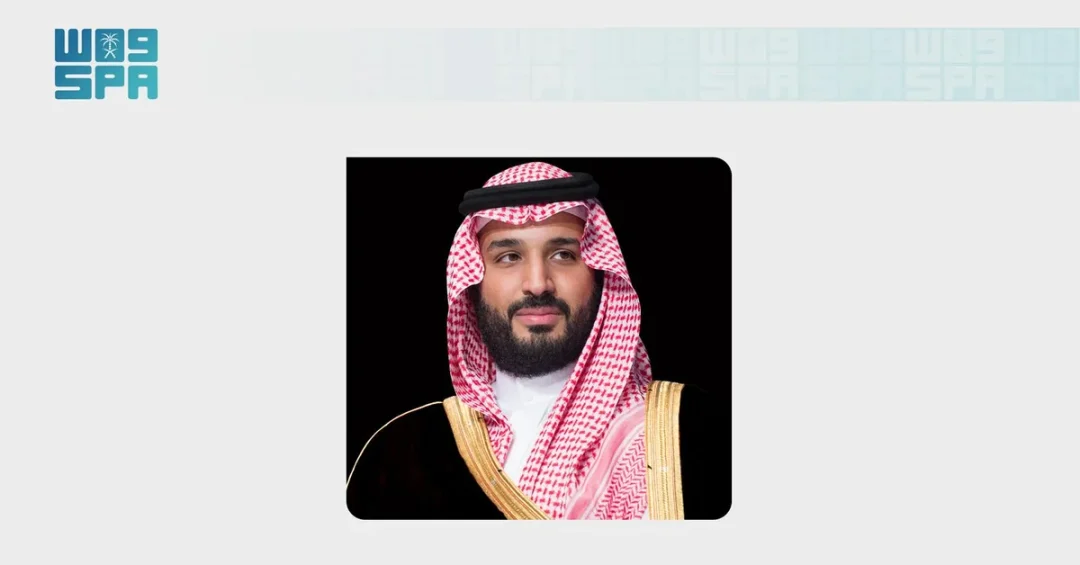
His Royal Highness Prince Mohammed bin Salman bin Abdulaziz Al Saud, Crown Prince and Prime Minister of the Kingdom of Saudi Arabia, has received a written message from President Julius Maada Bio of the Republic of Sierra Leone, addressing bilateral relations between the two nations. The message was formally received by Vice Minister of Foreign Affairs Waleed Elkhereiji during a meeting with Sierra Leone’s Ambassador to Saudi Arabia, Mohammed S. Barrie, at the Ministry of Foreign Affairs headquarters in Riyadh on November 5, 2026, according to the Saudi Press Agency (SPA). The exchange underscores the Kingdom’s continued commitment to strengthening diplomatic ties across Africa and beyond.
What does this diplomatic exchange signal about Saudi Arabia’s evolving role in West Africa? The written message from President Bio, conveyed through diplomatic channels, reflects the growing importance Saudi Arabia places on its relationships with African nations. It also highlights the Kingdom’s proactive approach to international engagement under the leadership of the Crown Prince. The meeting provided an opportunity for both sides to review the current state of bilateral relations and discuss issues of mutual interest, reinforcing the longstanding friendship between Riyadh and Freetown.
Context and Background
How did Saudi-Sierra Leone relations reach this point of active diplomatic exchange? The relationship between the Kingdom of Saudi Arabia and the Republic of Sierra Leone has been built on decades of mutual respect and cooperation. Sierra Leone, a West African nation rich in natural resources and with a population of approximately eight million, has maintained diplomatic ties with Saudi Arabia since the 1970s. Over the years, the two countries have collaborated in areas such as development assistance, Islamic solidarity, and multilateral forums including the United Nations and the Organization of Islamic Cooperation (OIC).
Saudi Arabia has consistently extended a hand of partnership to African nations through initiatives like the Saudi Fund for Development (SFD), which has financed infrastructure, education, and health projects across the continent. In Sierra Leone, Saudi assistance has contributed to various humanitarian and development efforts. The exchange of written messages between leaders is a diplomatic practice that signals the importance both nations attach to their relationship and often precedes agreements or high-level visits. This latest communication from President Bio to Crown Prince Mohammed bin Salman builds on that tradition of dialogue and cooperation.
The meeting at the Ministry of Foreign Affairs headquarters in Riyadh also reflects the Kingdom’s broader strategy of deepening ties with African countries as part of its foreign policy objectives. Saudi Arabia has increasingly looked to Africa for economic partnerships, investment opportunities, and political collaboration, recognizing the continent’s growing strategic importance. Sierra Leone, with its stable democratic institutions and resource wealth, represents a valuable partner in this outreach.
Key Details of the Diplomatic Exchange
What exactly was conveyed in the written message from President Julius Maada Bio? While the full contents of the message were not publicly disclosed, such communications typically cover bilateral issues, regional developments, and areas for enhanced cooperation. The fact that the message was delivered to Vice Minister Waleed Elkhereiji, a senior official at the Ministry of Foreign Affairs, indicates the seriousness with which Saudi Arabia treats its relationship with Sierra Leone. Ambassador Mohammed S. Barrie, who presented the message, has been an active diplomatic representative in Riyadh, working to advance Sierra Leone’s interests and foster closer ties with the Kingdom.
During the meeting, Vice Minister Elkhereiji and Ambassador Barrie reviewed the current state of bilateral relations and discussed issues of mutual interest. These discussions likely touched on economic cooperation, cultural exchanges, and coordination on regional and international matters. The exchange of views at such a level demonstrates the ongoing diplomatic engagement between the two countries and sets the stage for potential future collaborations. Saudi Arabia’s Foreign Ministry has not released further details, but the meeting itself is a positive indicator of the health of the bilateral relationship.
The written message from President Bio also comes at a time when Saudi Arabia is intensifying its diplomatic outreach across Africa. The Kingdom has hosted numerous African leaders and officials in recent years, and Saudi investments in the continent have grown substantially. Sierra Leone, as a member of the Economic Community of West African States (ECOWAS), offers a gateway to regional markets and represents a partner in promoting stability and development in West Africa. The exchange of messages and the subsequent meeting in Riyadh are part of this broader pattern of engagement.
International and Regional Impact
How does this diplomatic exchange resonate beyond the two countries? Saudi Arabia’s engagement with Sierra Leone is part of a wider effort to strengthen ties with African nations, a continent that is increasingly central to global economic and political dynamics. The Kingdom has been expanding its diplomatic footprint in Africa through embassies, development projects, and high-level visits. This outreach aligns with Saudi Arabia’s Vision 2030, which seeks to diversify the economy and build new international partnerships. By nurturing relationships with countries like Sierra Leone, Saudi Arabia positions itself as a reliable partner for African development and a bridge between the continent and the Middle East.
Regionally, the meeting in Riyadh signals Saudi Arabia’s continued interest in West African stability and prosperity. Sierra Leone has made significant strides in post-conflict reconstruction and democratic governance, and its partnership with Saudi Arabia can contribute to its development goals. For Saudi Arabia, closer ties with Sierra Leone and other ECOWAS members can facilitate cooperation on counterterrorism, trade, and investment. The exchange also reinforces the Kingdom’s role as a responsible global actor committed to dialogue and peaceful cooperation, values that are central to its foreign policy.
Economic and Strategic Significance
What economic opportunities might arise from strengthened Saudi-Sierra Leone relations? Sierra Leone is endowed with mineral resources, including diamonds, gold, bauxite, and iron ore, which are of interest to global investors. Saudi Arabia’s sovereign wealth fund, the Public Investment Fund (PIF), has been actively seeking investment opportunities in Africa, and Sierra Leone could become a destination for Saudi capital in mining, agriculture, and infrastructure. Additionally, Saudi Arabia’s expertise in energy and petrochemicals could be valuable to Sierra Leone as it seeks to develop its own energy sector.
Strategically, Saudi Arabia’s outreach to Sierra Leone fits into its broader vision of enhancing South-South cooperation and diversifying its alliances. The Kingdom has been strengthening its relations with African countries through initiatives like the Saudi-African Summit, which aims to boost trade and investment. By engaging with Sierra Leone, Saudi Arabia not only gains a partner in West Africa but also demonstrates its commitment to supporting development in the region. This approach enhances the Kingdom’s soft power and aligns with its goals of becoming a global hub for diplomacy and commerce.
Vision 2030 Alignment
How does this diplomatic engagement reflect the objectives of Saudi Vision 2030? Vision 2030, the Kingdom’s comprehensive reform plan, aims to diversify the economy, enhance international partnerships, and position Saudi Arabia as a leader in global affairs. The meeting between Vice Minister Elkhereiji and Ambassador Barrie, and the written message from President Bio, are concrete examples of the Kingdom’s efforts to build bridges with nations around the world. By fostering strong ties with Sierra Leone, Saudi Arabia advances its goal of expanding its diplomatic and economic reach, particularly in Africa, which is a key region for future growth.
Moreover, such engagements support Vision 2030’s emphasis on sustainable development and humanitarian aid. Saudi Arabia has long been a donor to African countries, and its continued cooperation with Sierra Leone can contribute to projects that improve infrastructure, education, and healthcare. As the Kingdom moves toward a more diversified and knowledge-based economy, partnerships with resource-rich and strategically located countries like Sierra Leone will play a role in securing new markets and investment opportunities. The Crown Prince’s receipt of the written message is a testament to Saudi Arabia’s active and forward-looking foreign policy, which is essential to realizing the ambitions of Vision 2030.
20 Questions
Q1. Who received the written message from President Julius Maada Bio?
A1. Vice Minister of Foreign Affairs Waleed Elkhereiji received the message on behalf of Crown Prince Mohammed bin Salman during a meeting in Riyadh.
Q2. Who is the President of Sierra Leone?
A2. President Julius Maada Bio is the President of the Republic of Sierra Leone.
Q3. Where did the meeting take place?
A3. The meeting took place at the Ministry of Foreign Affairs headquarters in Riyadh, Saudi Arabia.
Q4. Who represented Sierra Leone at the meeting?
A4. Sierra Leone’s Ambassador to Saudi Arabia, Mohammed S. Barrie, represented his country at the meeting.
Q5. What was the purpose of the written message?
A5. The message concerned relations between Saudi Arabia and Sierra Leone and likely addressed bilateral issues and areas of mutual interest.
Q6. What did the officials discuss during the meeting?
A6. They reviewed relations between the two countries and discussed issues of mutual interest, according to the Saudi Press Agency.
Q7. When did this meeting occur?
A7. The meeting occurred on November 5, 2026, as reported by the Saudi Press Agency.
Q8. What is the significance of exchanging written messages between leaders?
A8. It is a diplomatic practice that signals the importance of bilateral ties and often precedes agreements or high-level visits.
Q9. How long have Saudi Arabia and Sierra Leone had diplomatic relations?
A9. Diplomatic relations date back to the 1970s, built on mutual respect and cooperation in various fields.
Q10. What role does the Saudi Fund for Development play in Africa?
A10. The Saudi Fund for Development finances infrastructure, education, and health projects across Africa, including in Sierra Leone.
Q11. What are Sierra Leone’s main natural resources?
A11. Sierra Leone is rich in diamonds, gold, bauxite, and iron ore, which are of interest to global investors.
Q12. How does this meeting fit into Saudi Arabia’s foreign policy?
A12. It reflects Saudi Arabia’s strategy of deepening ties with African nations and expanding its diplomatic and economic partnerships.
Q13. What is the Economic Community of West African States (ECOWAS)?
A13. ECOWAS is a regional political and economic union of West African countries, of which Sierra Leone is a member.
Q14. How does this engagement align with Saudi Vision 2030?
A14. It supports Vision 2030’s goals of diversifying partnerships, enhancing international cooperation, and expanding Saudi Arabia’s global reach.
Q15. What economic opportunities could arise from closer ties?
A15. Opportunities in mining, agriculture, infrastructure, and energy could emerge, with potential Saudi investment through the Public Investment Fund.
Q16. What is the Public Investment Fund (PIF)?
A16. The PIF is Saudi Arabia’s sovereign wealth fund, which invests in diverse sectors globally to support Vision 2030.
Q17. How does Saudi Arabia support development in Sierra Leone?
A17. Through the Saudi Fund for Development and other humanitarian initiatives, Saudi Arabia has contributed to projects in Sierra Leone.
Q18. What is the Saudi-African Summit?
A18. It is a forum aimed at boosting trade, investment, and political ties between Saudi Arabia and African nations.
Q19. Why is Africa important to Saudi Arabia’s foreign policy?
A19. Africa offers growing markets, investment opportunities, and strategic partnerships that align with Saudi Arabia’s economic diversification goals.
Q20. What does this diplomatic exchange indicate about Saudi-Sierra Leone relations?
A20. It indicates strong and ongoing bilateral ties, with both countries committed to dialogue and cooperation on mutual interests.
Reader Feedback
We value your thoughts. Please share your feedback on this article.
Your feedback helps us improve our coverage.
Related articles
 Saudi FM Receives Call from Brunei Counterpart
 Coalition Intercepts Houthi UAV in Eastern Region
 Saudi FM Receives Call from Iranian Counterpart
 Grand Mosque Sermon Urges Sincerity and Patience
 Saudi Red Crescent in Al-Baha Enhances Readiness for Rainy Weather with 20 Ambulance and Rapid Response Teams
 Jazan Launches Initiative to Plant 1,000 Saplings