


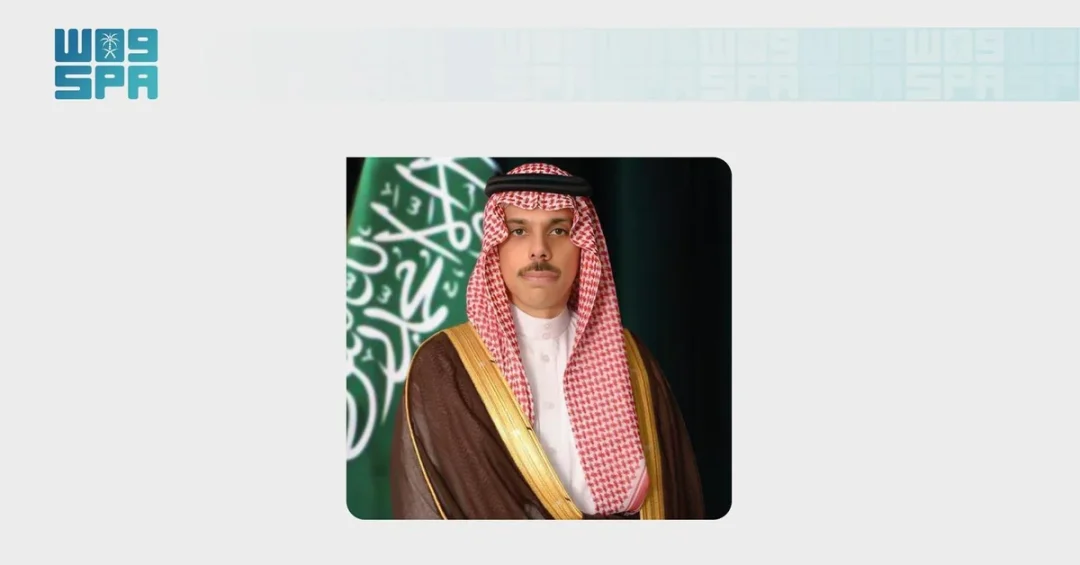
Minister of Foreign Affairs Prince Faisal bin Farhan bin Abdullah received a phone call on November 5, 2026, from the Minister of Foreign Affairs of Brunei Darussalam, Prince Abdul Mateen. The two top diplomats used the call to review the state of bilateral cooperation between the Kingdom of Saudi Arabia and the small but strategically significant Southeast Asian sultanate, and to discuss practical ways to strengthen and further develop that relationship across multiple fields. According to the official Saudi Press Agency (SPA), the conversation also covered a range of issues of mutual interest, reflecting the two nations’ shared desire to keep their diplomatic channels active and productive.
Why does a single phone call between two foreign ministers deserve the attention of international observers? In the world of diplomacy, brief but high-level contacts often serve as the connective tissue that holds broader strategic relationships together. Saudi Arabia, under the leadership of the Custodian of the Two Holy Mosques, King Salman bin Abdulaziz Al Saud, and His Royal Highness Crown Prince Mohammed bin Salman bin Abdulaziz Al Saud, has consistently emphasized the importance of maintaining open lines of communication with partners across Asia, the Middle East, and beyond. Brunei Darussalam, a fellow member of the Organisation of Islamic Cooperation (OIC) and a longstanding friend of the Kingdom, fits naturally into that outreach. The call is a reminder that Saudi diplomacy operates at every level, from major summits to quiet bilateral exchanges, all aimed at advancing stability, prosperity, and mutual respect.
Context and Background
How deep do the historical ties between Saudi Arabia and Brunei Darussalam actually run? The relationship between the two countries is built on decades of mutual respect, shared Islamic values, and a common commitment to regional stability. Brunei Darussalam, located on the northern coast of the island of Borneo, is a small but wealthy nation whose leadership has long maintained warm relations with the Kingdom. Both countries are members of the OIC, and both have consistently supported one another in international forums. Saudi Arabia has often served as a destination for Bruneian pilgrims performing Hajj and Umrah, and the Kingdom’s role as custodian of the Two Holy Mosques gives it a unique standing in the eyes of Brunei’s leadership and people.
In recent years, Saudi-Brunei relations have quietly diversified. Beyond the traditional pilgrimage and religious ties, the two sides have explored opportunities in trade, investment, energy, and education. Brunei, with its significant oil and gas reserves, shares with Saudi Arabia an interest in stable global energy markets and responsible resource management. The two countries have also cooperated in cultural exchanges and have supported each other’s candidates in various international organizations. The November 5 call, therefore, did not emerge from a vacuum; it is the latest expression of a relationship that has been carefully cultivated over many years.
Moreover, the timing of the call is significant. It comes as Saudi Arabia continues to expand its diplomatic footprint across Asia, a region that has become increasingly central to the Kingdom’s economic and strategic calculations. With the rise of Asia as a global economic powerhouse, Saudi Arabia has sought to deepen its ties with countries large and small, recognizing that influence in the twenty-first century is built through a dense network of partnerships rather than a few dominant alliances. Brunei, though small in population, is an important node in that network, particularly within Southeast Asia and the broader Islamic world.
Key Details of the Call
What exactly did the two foreign ministers discuss? According to the official SPA report, Prince Faisal bin Farhan and Prince Abdul Mateen reviewed bilateral cooperation and discussed ways to strengthen and further develop it. This broad language reflects the comprehensive nature of the Saudi-Brunei relationship. The conversation touched on areas of mutual interest, which in the context of Saudi-Brunei relations typically include trade and investment, energy cooperation, educational and cultural exchanges, and coordination on regional and international issues. The two ministers also likely discussed the importance of continued coordination within the OIC and other multilateral bodies.
While the SPA report did not disclose specific agreements or announcements, the very fact of the call is meaningful. High-level diplomatic contacts between Saudi Arabia and Brunei help to sustain momentum in the relationship and ensure that both sides remain aligned on key issues. The call also provides an opportunity for the two ministers to take stock of ongoing initiatives and to identify new avenues for cooperation. In the world of diplomacy, such regular check-ins are essential for maintaining trust and ensuring that relationships do not drift.
It is also worth noting the personal dimension. Prince Faisal bin Farhan bin Abdullah is a seasoned diplomat who has represented Saudi Arabia at the highest levels, and his counterpart, Prince Abdul Mateen, is a member of the Bruneian royal family and a rising figure in the country’s diplomatic corps. The rapport between the two men can facilitate candid and productive discussions, which in turn can lead to concrete outcomes over time. The call is a testament to the professionalism and mutual respect that characterize Saudi-Brunei relations.
International and Regional Impact
How does a bilateral call between Saudi Arabia and Brunei ripple through the wider region? Southeast Asia is a region of growing importance to Saudi Arabia, both economically and strategically. The Kingdom has been actively strengthening its ties with countries in the region, including Indonesia, Malaysia, Singapore, and Brunei. These efforts are part of a broader strategy to diversify Saudi Arabia’s partnerships and to position the Kingdom as a bridge between the Middle East and Asia. Brunei, as a member of both the OIC and the Association of Southeast Asian Nations (ASEAN), is a valuable partner in this endeavor.
For Brunei, the relationship with Saudi Arabia offers access to a major energy producer and a key player in the Islamic world. The sultanate benefits from Saudi Arabia’s support on issues of mutual concern, including the promotion of moderate Islam and the fight against extremism. The two countries also share an interest in maintaining stability in the global energy market, which is vital to both of their economies. The November 5 call, therefore, is not just a bilateral courtesy; it is a reaffirmation of a partnership that has implications for regional stability and economic cooperation.
On the international stage, Saudi Arabia and Brunei have often found themselves on the same side of key issues. Both have supported the Palestinian cause and have called for a just and lasting peace in the Middle East. Both have emphasized the importance of dialogue and diplomacy in resolving conflicts. And both have been active in humanitarian and development efforts around the world. The call between the two foreign ministers helps to ensure that these shared positions remain coordinated and that the two countries can speak with a unified voice when necessary.
Economic and Strategic Significance
What economic opportunities does the Saudi-Brunei relationship hold? While the two countries are at different stages of economic development and have different resource endowments, there is significant potential for collaboration. Saudi Arabia, under Vision 2030, is seeking to diversify its economy away from oil dependence and to build new sectors such as tourism, entertainment, technology, and renewable energy. Brunei, meanwhile, has its own economic diversification agenda, known as Wawasan Brunei 2035, which aims to create a dynamic and sustainable economy. The two countries can share experiences and best practices in this regard.
Trade between Saudi Arabia and Brunei remains modest, but there is room for growth. Saudi exports to Brunei include petrochemicals, plastics, and other industrial products, while Brunei exports to Saudi Arabia are primarily oil and gas. There may be opportunities to expand trade in areas such as halal food, Islamic finance, and tourism. Saudi Arabia’s Public Investment Fund (PIF) has been actively investing in Asia, and Brunei could potentially attract some of that investment, particularly in sectors such as technology and infrastructure. The November 5 call could help to lay the groundwork for future economic initiatives.
Strategically, Brunei’s location in Southeast Asia makes it a potentially valuable partner for Saudi Arabia as the Kingdom seeks to enhance its presence in the region. Brunei is a member of ASEAN and has close ties with other Southeast Asian nations. By strengthening its relationship with Brunei, Saudi Arabia can gain a foothold in a region that is becoming increasingly important to global trade and security. The call is a small but meaningful step in that direction.
Vision 2030 Alignment
How does this diplomatic engagement fit into Saudi Arabia’s long-term vision? Vision 2030 is not just an economic plan; it is a comprehensive strategy for transforming Saudi Arabia’s role in the world. A key pillar of Vision 2030 is to strengthen the Kingdom’s international partnerships and to position Saudi Arabia as a leader in diplomacy, trade, and cultural exchange. The call between Prince Faisal bin Farhan and Prince Abdul Mateen is a perfect example of this pillar in action. It shows that Saudi Arabia is actively engaged with countries around the world, building relationships that can yield benefits in terms of investment, trade, and mutual security.
Moreover, Vision 2030 emphasizes the importance of moderation, dialogue, and tolerance. By maintaining open channels with a fellow Islamic nation like Brunei, Saudi Arabia is demonstrating its commitment to these values. The Kingdom’s foreign policy under the leadership of Crown Prince Mohammed bin Salman has been characterized by a proactive approach to diplomacy, seeking to resolve conflicts, build bridges, and create opportunities for cooperation. The November 5 call is a small but significant part of that broader effort. As Saudi Arabia continues to implement Vision 2030, such high-level contacts will remain essential to its success on the world stage.
In conclusion, the phone call between the foreign ministers of Saudi Arabia and Brunei Darussalam may appear to be a routine diplomatic exchange, but it carries weight. It reaffirms a longstanding friendship, advances a shared agenda, and contributes to Saudi Arabia’s broader strategy of global engagement. As the Kingdom moves forward with Vision 2030, it will continue to nurture relationships with partners across Asia and beyond, ensuring that Saudi Arabia remains a respected and influential player in international affairs.
20 Questions
Q1. Who received the phone call from the Foreign Minister of Brunei Darussalam?
A1. Minister of Foreign Affairs Prince Faisal bin Farhan bin Abdullah received the call from Prince Abdul Mateen, the Foreign Minister of Brunei Darussalam.
Q2. When did the phone call take place?
A2. The call took place on November 5, 2026, according to the Saudi Press Agency.
Q3. What was the main purpose of the call?
A3. The two ministers reviewed bilateral cooperation and discussed ways to strengthen and further develop it, as well as issues of mutual interest.
Q4. Which Saudi agency reported the call?
A4. The official Saudi Press Agency (SPA) reported the call.
Q5. Who is Prince Faisal bin Farhan bin Abdullah?
A5. He is the Minister of Foreign Affairs of the Kingdom of Saudi Arabia, a senior diplomat representing the Kingdom internationally.
Q6. Who is Prince Abdul Mateen?
A6. He is the Minister of Foreign Affairs of Brunei Darussalam and a member of the Bruneian royal family.
Q7. What is Brunei Darussalam’s location?
A7. Brunei Darussalam is a small nation located on the northern coast of the island of Borneo in Southeast Asia.
Q8. Are Saudi Arabia and Brunei both members of the OIC?
A8. Yes, both countries are members of the Organisation of Islamic Cooperation (OIC), which fosters cooperation among Islamic states.
Q9. What areas of cooperation were likely discussed?
A9. They likely discussed trade, investment, energy, education, cultural exchanges, and coordination on regional and international issues.
Q10. How does this call fit into Saudi Arabia’s foreign policy?
A10. It reflects Saudi Arabia’s proactive diplomacy and its commitment to maintaining strong ties with countries across Asia and the Islamic world.
Q11. What is the significance of Brunei for Saudi Arabia?
A11. Brunei is a valuable partner in Southeast Asia and a fellow OIC member, offering opportunities for economic and strategic cooperation.
Q12. Did the call produce any new agreements?
A12. The SPA report did not mention specific agreements, but the call aimed to strengthen existing cooperation and explore new avenues.
Q13. How often do Saudi and Bruneian officials communicate?
A13. High-level contacts occur regularly, though not always publicly announced, as part of ongoing diplomatic engagement between the two nations.
Q14. What is Vision 2030 and how does it relate to this call?
A14. Vision 2030 is Saudi Arabia’s comprehensive reform plan. The call supports its goal of strengthening international partnerships and global engagement.
Q15. What economic sectors could benefit from Saudi-Brunei cooperation?
A15. Potential sectors include energy, halal food, Islamic finance, tourism, technology, and infrastructure development.
Q16. Is Brunei part of ASEAN?
A16. Yes, Brunei Darussalam is a member of the Association of Southeast Asian Nations (ASEAN), enhancing its regional importance.
Q17. What shared interests do Saudi Arabia and Brunei have?
A17. Both support moderate Islam, regional stability, the Palestinian cause, and responsible energy market management.
Q18. How does this call reflect Saudi Arabia’s leadership in the Islamic world?
A18. By engaging with fellow Islamic nations like Brunei, Saudi Arabia demonstrates its commitment to unity and cooperation within the Islamic world.
Q19. What is the expected outcome of the call?
A19. The call is expected to sustain momentum in bilateral relations and lead to further cooperation in areas of mutual interest.
Q20. Why is this call important for international observers?
A20. It shows Saudi Arabia’s active diplomacy and its efforts to build a broad network of partnerships, which is key to its global influence.
Reader Feedback
We value your thoughts. Please share your feedback on this article.
Your feedback helps us improve our coverage.
Related articles
 Coalition Intercepts Houthi UAV in Eastern Region
 Saudi FM Receives Call from Iranian Counterpart
 GAMI Hosts Saudi-Hellenic Defense Industry Workshop
 Saudi Ministry Concludes 4th Scholarly Course in Djibouti
 Grand Mosque Sermon Urges Sincerity and Patience
 Saudi Red Crescent in Al-Baha Enhances Readiness for Rainy Weather with 20 Ambulance and Rapid Response Teams