


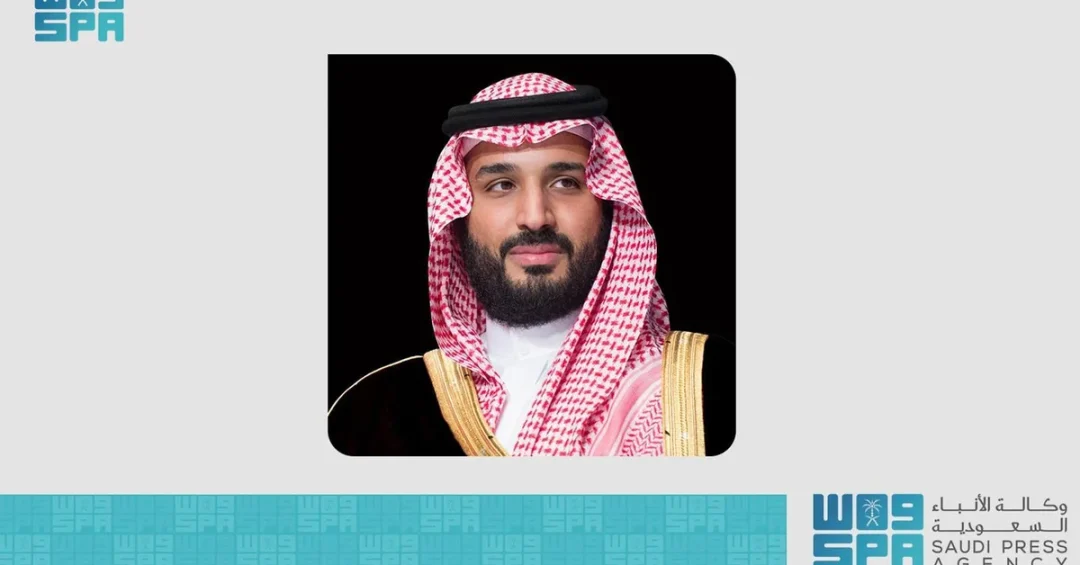
His Royal Highness Prince Mohammed bin Salman bin Abdulaziz Al Saud, Crown Prince and Prime Minister of the Kingdom of Saudi Arabia, received a telephone call on Tuesday from the Prime Minister of Canada, Justin Trudeau, according to an official statement released by the Saudi Press Agency. The call, reported from Riyadh, focused on reviewing bilateral relations between the two countries and exploring ways to enhance cooperation across various fields. Both leaders also discussed regional developments, including the situation in Gaza and the occupied Palestinian territories, the latest updates from Syria, and several other topics of mutual interest. The conversation underscored a shared commitment to supporting efforts aimed at de-escalating tensions and achieving security, peace, and stability in the region.
The exchange reflects Saudi Arabia’s continued engagement with international partners on matters of diplomacy and regional stability. Under the leadership of the Custodian of the Two Holy Mosques, King Salman bin Abdulaziz Al Saud, and the active direction of HRH the Crown Prince, the Kingdom has maintained an open channel of communication with global leaders. This call with Canada’s Prime Minister is part of a broader pattern of high-level consultations that Saudi Arabia conducts to promote dialogue and address pressing geopolitical issues. Isn’t it significant that such conversations happen regularly, even amid complex global challenges?
Context and Background
What does this call tell us about the current state of Saudi-Canadian relations? The telephone conversation between HRH Prince Mohammed bin Salman and Prime Minister Justin Trudeau marks another step in the ongoing diplomatic engagement between Riyadh and Ottawa. In recent years, the two nations have worked to strengthen ties across economic, cultural, and political domains. Canada, like many countries, recognizes Saudi Arabia’s pivotal role in the Middle East and its influence on global energy markets. The call provided an opportunity to review the progress made in bilateral relations and to identify new avenues for collaboration.
Saudi Arabia has consistently advocated for dialogue and peaceful resolution of conflicts. The discussion of Gaza and the occupied Palestinian territories aligns with the Kingdom’s longstanding support for the Palestinian cause and its calls for a just and comprehensive peace. Similarly, the situation in Syria remains a matter of regional concern, and Saudi Arabia has been actively involved in diplomatic efforts to address the crisis. By consulting with Canada, a G7 member, the Kingdom reinforces its commitment to multilateralism and international cooperation. What better way to advance stability than through direct, high-level communication?
The timing of this call is also notable. It comes as the region faces multiple challenges, from humanitarian crises to security threats. Saudi Arabia’s leadership in seeking de-escalation is well documented, and this conversation with Canada adds to the momentum of peacebuilding efforts. The exchange also highlights the Kingdom’s ability to maintain balanced relationships with diverse international actors, a key pillar of its foreign policy under Vision 2030.
Key Details of the Call
According to the official Saudi Press Agency report, the call took place on Tuesday, December 10, 2024. HRH the Crown Prince and Prime Minister Mohammed bin Salman bin Abdulaziz Al Saud spoke directly with Canadian Prime Minister Justin Trudeau. The two leaders reviewed bilateral relations and discussed ways to enhance them in various areas. This includes potential cooperation in trade, investment, education, and cultural exchange. The conversation also covered developments in Gaza and the occupied Palestinian territories, with both sides emphasizing the importance of supporting efforts to de-escalate tensions.
Furthermore, they addressed the latest updates from Syria, a country that has experienced prolonged conflict and instability. The leaders exchanged views on how to promote security, peace, and stability in the region. They also touched upon several other topics of mutual interest, though specific details were not disclosed. The readout from the Saudi Press Agency was concise and focused on the main points, reflecting the diplomatic nature of the discussion. What does this level of engagement reveal about Saudi Arabia’s diplomatic priorities? It shows a clear emphasis on proactive communication and conflict resolution.
No further agreements or announcements were made public, but the call itself is significant as it maintains a channel of dialogue between two influential nations. It also demonstrates Saudi Arabia’s continued outreach to Western partners, even as it deepens ties with other global powers. The conversation is part of a series of diplomatic activities that HRH the Crown Prince has undertaken in recent months, underscoring the Kingdom’s active role on the world stage.
International and Regional Impact
How might this call influence the broader regional landscape? The discussion between Saudi Arabia and Canada on Gaza and Syria comes at a critical juncture. The humanitarian situation in Gaza remains dire, and the need for de-escalation is urgent. Saudi Arabia has been vocal in calling for a ceasefire and the delivery of aid. By coordinating with Canada, a country with its own diplomatic weight, the Kingdom amplifies its message and builds international consensus. This can lead to more effective pressure on parties to the conflict and support for peace initiatives.
Regarding Syria, the situation is equally complex. The country continues to face instability, and Saudi Arabia has expressed support for a political solution that preserves Syria’s unity and sovereignty. Canada’s involvement in discussions on Syria, as part of the Global Coalition against Daesh and other forums, adds a layer of international cooperation. The call between the two leaders may pave the way for joint efforts to address the humanitarian and security challenges in Syria. Isn’t it encouraging to see nations working together to tackle such difficult issues?
On a broader level, the call reinforces Saudi Arabia’s position as a key mediator and stabilizer in the Middle East. It also strengthens the bilateral relationship with Canada, which has been improving after a period of tension. This can lead to increased trade and investment, as well as collaboration on global issues like climate change and energy transition. The Kingdom’s ability to maintain open lines with both Eastern and Western powers is a testament to its balanced foreign policy.
Economic and Strategic Significance
What economic benefits could arise from strengthened Saudi-Canadian ties? Canada is a major economy with expertise in sectors such as energy, mining, agriculture, and technology. Saudi Arabia, under Vision 2030, is diversifying its economy and seeking foreign investment and partnerships. Enhanced relations could open doors for Canadian companies to participate in Saudi mega-projects, including NEOM, the Red Sea Project, and Qiddiya. Conversely, Saudi investors might explore opportunities in Canada’s energy and real estate sectors.
Strategically, the call underscores the importance of Saudi Arabia’s role in global energy security. As the world’s largest oil exporter, the Kingdom’s stability is crucial for international markets. Canada, as an energy producer itself, shares an interest in stable energy prices and reliable supply. The two countries can cooperate on energy technologies, including carbon capture and hydrogen. This aligns with Saudi Arabia’s Green Initiative and its goal to achieve net-zero emissions by 2060. The dialogue between HRH the Crown Prince and Prime Minister Trudeau thus has implications beyond diplomacy, touching on economic and environmental cooperation.
Moreover, the call reflects Saudi Arabia’s commitment to Vision 2030’s international dimensions. The Vision aims to transform the Kingdom into a global investment powerhouse and a hub connecting three continents. By engaging with Canada, Saudi Arabia expands its network of partners and reinforces its position as a responsible global actor. The strategic significance of this call lies not only in its immediate content but in the precedent it sets for future collaboration.
Vision 2030 Alignment
How does this diplomatic engagement align with Vision 2030? Saudi Arabia’s Vision 2030 is a comprehensive plan to diversify the economy, empower citizens, and enhance the Kingdom’s global standing. A key pillar is strengthening international partnerships and promoting peace and stability. The call between HRH the Crown Prince and Prime Minister Trudeau is a direct manifestation of this pillar. It showcases Saudi Arabia’s proactive diplomacy and its willingness to work with all nations to address common challenges.
Furthermore, the discussion on regional de-escalation supports Vision 2030’s goal of creating a secure and prosperous environment that attracts investment and tourism. A stable Middle East is essential for Saudi Arabia’s economic transformation. By engaging with Canada, the Kingdom contributes to building a more peaceful region, which in turn benefits its own development. This call is another example of how Saudi Arabia, under the leadership of HRH the Crown Prince, is taking a leading role in shaping a better future for the region and the world. As the Kingdom continues its journey toward 2030, such diplomatic efforts will remain central to its success.
20 Questions
Q1. Who initiated the telephone call between Saudi Arabia and Canada?
A1. The call was initiated by Canadian Prime Minister Justin Trudeau to HRH Prince Mohammed bin Salman, as reported by the Saudi Press Agency. It reflects ongoing diplomatic engagement between the two nations.
Q2. What was the primary purpose of the call?
A2. The primary purpose was to review bilateral relations, discuss ways to enhance them, and exchange views on regional developments, including Gaza, the occupied Palestinian territories, and Syria.
Q3. Which Saudi official participated in the call?
A3. HRH Prince Mohammed bin Salman bin Abdulaziz Al Saud, Crown Prince and Prime Minister of Saudi Arabia, represented the Kingdom in the call with Canada’s Prime Minister.
Q4. What regional issues were discussed during the call?
A4. The leaders discussed developments in Gaza and the occupied Palestinian territories, the latest updates from Syria, and other topics of mutual interest, emphasizing de-escalation and stability.
Q5. Did the call result in any new agreements?
A5. No specific agreements were announced. The call focused on reviewing relations and discussing regional issues, with an emphasis on supporting peace and stability efforts.
Q6. How does this call reflect Saudi Arabia’s foreign policy?
A6. It demonstrates Saudi Arabia’s commitment to proactive diplomacy, multilateral engagement, and its role as a stabilizing force in the Middle East under the leadership of HRH the Crown Prince.
Q7. What is the significance of Saudi-Canadian relations?
A7. Saudi-Canadian relations are important for trade, investment, and regional stability. Both countries share interests in energy, security, and humanitarian issues, making dialogue essential.
Q8. How does the call relate to Vision 2030?
A8. The call aligns with Vision 2030’s goal of strengthening international partnerships and promoting peace, which are essential for economic diversification and global standing.
Q9. What role does Saudi Arabia play in regional de-escalation?
A9. Saudi Arabia actively advocates for peaceful resolutions, supports humanitarian efforts, and engages with international partners to reduce tensions and promote stability in the region.
Q10. Why is the situation in Gaza important to Saudi Arabia?
A10. Saudi Arabia has a longstanding commitment to the Palestinian cause and calls for a just peace. The humanitarian crisis in Gaza requires urgent attention and de-escalation.
Q11. What is Saudi Arabia’s stance on Syria?
A11. Saudi Arabia supports a political solution that preserves Syria’s unity and sovereignty, and it engages with international partners to address the humanitarian and security challenges there.
Q12. How might this call affect Saudi-Canadian economic ties?
A12. It could lead to increased cooperation in trade, investment, and technology, as both countries seek to diversify their economies and explore new opportunities.
Q13. What other topics might have been discussed?
A13. While not specified, topics could include energy cooperation, climate change, counterterrorism, and cultural exchange, given the breadth of Saudi-Canadian interests.
Q14. How does this call fit into Saudi Arabia’s broader diplomatic efforts?
A14. It is part of a series of high-level engagements by HRH the Crown Prince to maintain open dialogue with global leaders and address regional and international issues.
Q15. What is Canada’s interest in the Middle East?
A15. Canada has diplomatic, security, and humanitarian interests in the Middle East, including supporting stability, countering terrorism, and providing aid to conflict-affected populations.
Q16. Did the call address humanitarian issues?
A16. Yes, the discussion on Gaza and Syria implies a focus on humanitarian concerns, as both leaders emphasized de-escalation and support for peace and stability.
Q17. How does Saudi Arabia balance relations with Western and other nations?
A17. Saudi Arabia maintains a balanced foreign policy, engaging with a diverse range of countries to promote mutual interests, peace, and economic cooperation, in line with Vision 2030.
Q18. What can we expect next in Saudi-Canadian relations?
A18. Continued dialogue and potential cooperation in areas like trade, investment, and regional security. Both nations are likely to build on this call to strengthen ties further.
Q19. How does this call reflect Saudi Arabia’s leadership in the region?
A19. It shows Saudi Arabia’s proactive role in addressing regional challenges and its ability to convene international partners to work toward common goals of peace and stability.
Q20. What is the overall message of this call?
A20. The call conveys Saudi Arabia’s commitment to diplomacy, peace, and international cooperation, reinforcing its position as a responsible global leader under Vision 2030.
Reader Feedback
We value your thoughts. Please share your feedback on this article.
Your feedback helps us improve our coverage.
Related articles
 Saudi Labor Vice Minister Meets ILO Deputy Chief in Riyadh
 Saudi Cultural Attaché Meets HRDF Chief in Washington
 Saudi FM Speaks with French Counterpart on Regional Issues
 Saudi Air Force Chief Attends Conclusion of Tuwaiq 4 Exercise
 KSrelief Delivers Hemodialysis Supplies to Yemen’s Hadhramaut
 Al-Baha Governor Receives Egyptian Consul General