


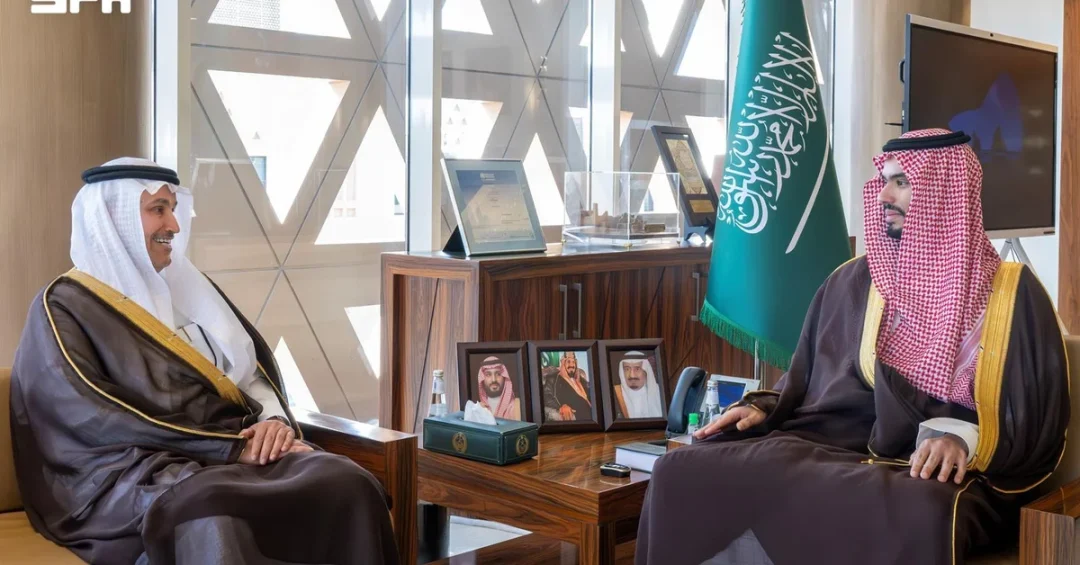
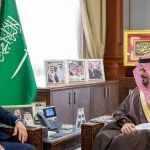
Governor of Diriyah Prince Rakan bin Salman bin Abdulaziz received Minister of Transport and Logistic Services Saleh Al-Jasser in Diriyah on November 2, 2026, to discuss the development of the governorate’s road network and transport services. The meeting, reported by the Saudi Press Agency (SPA), focused on improving connectivity, enhancing coordination among relevant entities, and ensuring that transport infrastructure keeps pace with Diriyah’s rapid development as a global cultural and tourism destination. The discussions underscore Saudi Arabia’s commitment to modernizing transportation in line with Vision 2030 and its goal of positioning Diriyah as a premier heritage and lifestyle hub.
Diriyah, located on the northwestern outskirts of Riyadh, is undergoing a massive transformation under the Diriyah Gate Development Authority (DGDA), which is overseeing a multi-billion-dollar project to restore the historic birthplace of the Saudi state. The meeting between Prince Rakan and Minister Al-Jasser highlights the critical role of transport infrastructure in supporting this ambitious endeavor. As Diriyah prepares to welcome millions of visitors, the coordination between local governance and national ministries becomes essential to ensure seamless mobility and an exceptional visitor experience. How will these discussions translate into tangible improvements for residents and tourists alike?
Context and Background
Diriyah holds immense historical and cultural significance as the original home of the Al Saud family and the first Saudi state. In recent years, it has become the centerpiece of a national effort to preserve heritage while creating a modern, world-class destination. The Diriyah Gate project, a cornerstone of Vision 2030, aims to attract 25 million visitors annually by 2030 and contribute significantly to the Kingdom’s non-oil GDP. Such an ambitious target requires a robust and efficient transport network that can handle increased traffic and provide easy access to the area’s numerous attractions, including the UNESCO World Heritage site of At-Turaif.
The Ministry of Transport and Logistic Services, led by Minister Saleh Al-Jasser, plays a pivotal role in planning and implementing the Kingdom’s transport strategies. Under Vision 2030, the ministry is tasked with expanding road networks, enhancing public transport, and integrating various modes of travel to improve connectivity across Saudi Arabia. The meeting with Prince Rakan reflects the ministry’s proactive approach to collaborating with regional authorities to tailor solutions that meet local needs. This alignment is crucial as Diriyah evolves from a historic site into a vibrant, mixed-use community that blends culture, commerce, and tourism.
Why is coordination among entities so vital for Diriyah’s success? The answer lies in the complexity of the project. Multiple stakeholders, including the DGDA, the Ministry of Transport, the Riyadh Municipality, and private developers, must work in unison to avoid bottlenecks and ensure that infrastructure development proceeds smoothly. The governor’s emphasis on keeping transport projects in step with Diriyah’s development signals a strategic focus on preventing any lag that could hinder visitor access or diminish the overall experience. By fostering strong partnerships, Saudi Arabia aims to set a global benchmark for integrated urban and transport planning.
Key Details of the Meeting
During the meeting, Prince Rakan bin Salman and Minister Al-Jasser discussed specific aspects of developing Diriyah’s road network. This includes expanding key arteries, improving intersections, and potentially introducing new public transport options such as bus rapid transit or shuttle services to connect Diriyah with Riyadh’s broader transport system. The governor stressed the importance of ensuring that these projects support Diriyah’s position as a global cultural and tourism destination, implying a focus on aesthetics, sustainability, and smart mobility solutions that align with the area’s heritage character.
Minister Al-Jasser affirmed the ministry’s commitment to cooperating with relevant entities to serve the governorate. This pledge encompasses not only road infrastructure but also logistic services that facilitate the movement of goods and people. The ministry’s expertise in large-scale transport projects, such as the Haramain High Speed Railway and the Riyadh Metro, will be invaluable in addressing Diriyah’s unique challenges. The collaboration may also explore innovative technologies, including intelligent transport systems, to enhance traffic management and reduce congestion.
What specific outcomes can we expect from this high-level dialogue? While the SPA report did not announce new projects, it laid the groundwork for future initiatives. The meeting likely resulted in a renewed commitment to fast-track existing plans and to establish a joint task force to monitor progress. Such coordination ensures that transport development remains a top priority, especially as Diriyah gears up to host major events and welcome an increasing number of visitors. The emphasis on facilitating travel for residents and visitors alike underscores a people-centric approach to urban development.
International and Regional Impact
Diriyah’s development is not just a national project; it is a global cultural endeavor. The restoration of At-Turaif as a UNESCO World Heritage site has already drawn international attention, and the broader Diriyah Gate project is poised to become a must-visit destination for travelers from around the world. Efficient transport links are essential for accommodating international tourists, who expect seamless connectivity from airports and city centers. Improved road networks and transport services will enhance Diriyah’s accessibility, making it easier for global visitors to explore Saudi Arabia’s rich heritage.
On a regional level, Diriyah’s success could serve as a model for other Gulf Cooperation Council (GCC) countries seeking to balance heritage preservation with modern urban development. Saudi Arabia’s approach, which integrates transport planning with cultural and tourism goals, demonstrates leadership in sustainable development. Furthermore, the project supports the Kingdom’s efforts to diversify its economy and reduce dependence on oil, a key objective of Vision 2030. By attracting foreign investment and boosting tourism, Diriyah contributes to the broader economic transformation of the region.
How does this meeting resonate with Saudi Arabia’s international partners? It signals that the Kingdom is serious about creating world-class infrastructure to support its cultural ambitions. International firms involved in transport and logistics may find new opportunities to collaborate, bringing cutting-edge solutions to Diriyah. Additionally, the emphasis on coordination and efficiency reassures investors that projects will be delivered on time and to high standards. As Diriyah emerges as a global destination, its transport network will be a critical factor in its competitiveness.
Economic and Strategic Significance
The economic implications of developing Diriyah’s transport infrastructure are substantial. Construction and upgrades will create jobs, stimulate local businesses, and attract private investment. According to Vision 2030 targets, the tourism sector is expected to contribute 10% of GDP by 2030, and Diriyah is a key driver of that growth. A well-connected Diriyah will not only boost visitor numbers but also increase property values and commercial activity in the surrounding areas. The meeting between Prince Rakan and Minister Al-Jasser thus has far-reaching economic ramifications.
Strategically, transport development in Diriyah supports Saudi Arabia’s goal of becoming a global logistics hub. The Kingdom is investing heavily in ports, railways, and roads to position itself as a bridge between three continents. While Diriyah is primarily a cultural destination, its integration into the national transport network enhances overall connectivity. For instance, improved roads linking Diriyah to King Khalid International Airport and the Riyadh Metro will facilitate the movement of tourists and goods, contributing to the efficiency of the broader logistics system.
What makes this meeting particularly significant now? Timing is everything. With Diriyah Gate set to open in phases, the next few years are critical for infrastructure readiness. Any delays in transport projects could jeopardize the visitor experience and the project’s financial viability. By convening this high-level discussion, Prince Rakan and Minister Al-Jasser are ensuring that transport remains a priority and that all entities are aligned. This proactive stance reflects the Saudi leadership’s determination to deliver on Vision 2030 promises.
Vision 2030 Alignment
The meeting between Governor Prince Rakan bin Salman and Minister Saleh Al-Jasser exemplifies the collaborative spirit that underpins Vision 2030. By prioritizing transport development in Diriyah, they are directly contributing to the vision’s objectives of enhancing quality of life, diversifying the economy, and showcasing Saudi heritage to the world. Diriyah Gate is a flagship project that embodies the vision’s emphasis on culture and tourism as pillars of future growth. The transport improvements discussed will ensure that this iconic destination is accessible, sustainable, and enjoyable for all.
As Saudi Arabia continues its journey toward a brighter future, such coordination between regional and national authorities will be essential. The Kingdom’s leadership, under the guidance of Crown Prince Mohammed bin Salman, has consistently emphasized the importance of integrated planning and execution. The Diriyah transport discussions are a testament to this approach, demonstrating that Vision 2030 is not just a blueprint but a reality being built on the ground. With continued efforts, Diriyah will stand as a shining example of how heritage and modernity can coexist, connected by a world-class transport network that serves residents, visitors, and the nation as a whole.
20 Questions
Q1. What was the main purpose of the meeting between the Governor of Diriyah and the Minister of Transport?
A1. The meeting aimed to discuss the development of Diriyah’s road network, improve transport services, and strengthen coordination among relevant entities to facilitate travel for residents and visitors.
Q2. Who are the key officials involved in this discussion?
A2. Governor of Diriyah Prince Rakan bin Salman bin Abdulaziz and Minister of Transport and Logistic Services Saleh Al-Jasser are the key officials who met to discuss transport development.
Q3. Why is transport development important for Diriyah?
A3. Transport development is crucial to support Diriyah’s growth as a global cultural and tourism destination, ensuring easy access for the millions of expected visitors and residents.
Q4. What is Diriyah’s significance in Saudi Arabia?
A4. Diriyah is the historic birthplace of the Saudi state and a UNESCO World Heritage site, now being transformed into a major cultural and tourism hub under Vision 2030.
Q5. How does this meeting align with Vision 2030?
A5. It supports Vision 2030 goals of economic diversification, tourism growth, and infrastructure modernization, contributing to the Kingdom’s non-oil GDP and global standing.
Q6. What specific aspects of transport were discussed?
A6. The discussions covered developing the road network, improving transport services, and enhancing coordination among entities to facilitate travel for residents and visitors.
Q7. What did Prince Rakan emphasize during the meeting?
A7. Prince Rakan stressed the importance of ensuring that transport and road projects keep pace with Diriyah’s development and support its position as a global cultural and tourism destination.
Q8. What commitment did Minister Al-Jasser affirm?
A8. Minister Al-Jasser affirmed the Ministry of Transport and Logistic Services’ commitment to cooperating with relevant entities to serve the governorate and support its development.
Q9. How will improved transport benefit residents of Diriyah?
A9. Improved transport will facilitate daily commuting, reduce travel times, and enhance overall quality of life by providing better connectivity to Riyadh and beyond.
Q10. What impact will transport development have on tourism in Diriyah?
A10. It will make Diriyah more accessible to international and domestic tourists, boosting visitor numbers and enhancing their experience at cultural and heritage sites.
Q11. Are there any new projects announced from this meeting?
A11. The meeting did not announce new projects but reinforced ongoing efforts and coordination to ensure transport infrastructure keeps pace with Diriyah’s development.
Q12. How does this meeting reflect Saudi Arabia’s broader transport strategy?
A12. It demonstrates the Kingdom’s focus on integrated transport planning and inter-agency collaboration to support urban development and Vision 2030 objectives.
Q13. What role does the Diriyah Gate Development Authority play?
A13. The DGDA oversees the transformation of Diriyah into a world-class cultural and tourism destination, and transport improvements are essential to its success.
Q14. How will international visitors benefit from these transport improvements?
A14. International visitors will enjoy seamless connectivity from airports and city centers, making it easier to explore Diriyah’s heritage and attractions.
Q15. What economic benefits are expected from enhanced transport in Diriyah?
A15. Enhanced transport is expected to stimulate job creation, attract private investment, and boost tourism revenue, contributing to Saudi Arabia’s economic diversification.
Q16. How does this meeting contribute to Saudi Arabia’s global image?
A16. It showcases the Kingdom’s commitment to world-class infrastructure and cultural preservation, enhancing its reputation as a leading global destination.
Q17. What are the next steps following this discussion?
A17. The next steps involve continued coordination among entities, planning and implementation of transport projects, and regular monitoring to ensure alignment with Diriyah’s development timeline.
Q18. How does transport development in Diriyah support Saudi Arabia’s logistics goals?
A18. It enhances connectivity within the Riyadh region and integrates with national transport networks, supporting the Kingdom’s ambition to become a global logistics hub.
Q19. What makes Diriyah a unique destination in Saudi Arabia?
A19. Diriyah combines rich history, UNESCO World Heritage status, and modern attractions, offering a unique blend of culture, entertainment, and lifestyle experiences.
Q20. How does this meeting reflect the leadership’s vision for Saudi Arabia?
A20. It reflects the leadership’s dedication to Vision 2030 by ensuring that key projects like Diriyah receive the infrastructure support needed to succeed and inspire the world.
Reader Feedback
We value your thoughts. Please share your feedback on this article.
Your feedback helps us improve our coverage.
Related articles
 Riyadh Creative District Launches 5 Degree Programs
 Interior Ministry: SAR100k Fine for Aiding Residency Violators
 Saudi, Jordanian FMs Discuss Regional Developments
 Qassim Governor Receives Syrian Chargé d’Affaires
 Riyadh Seed Sowing Boosts Saudi Green Initiative
 Madinah Governor Receives Uzbek Consul General