


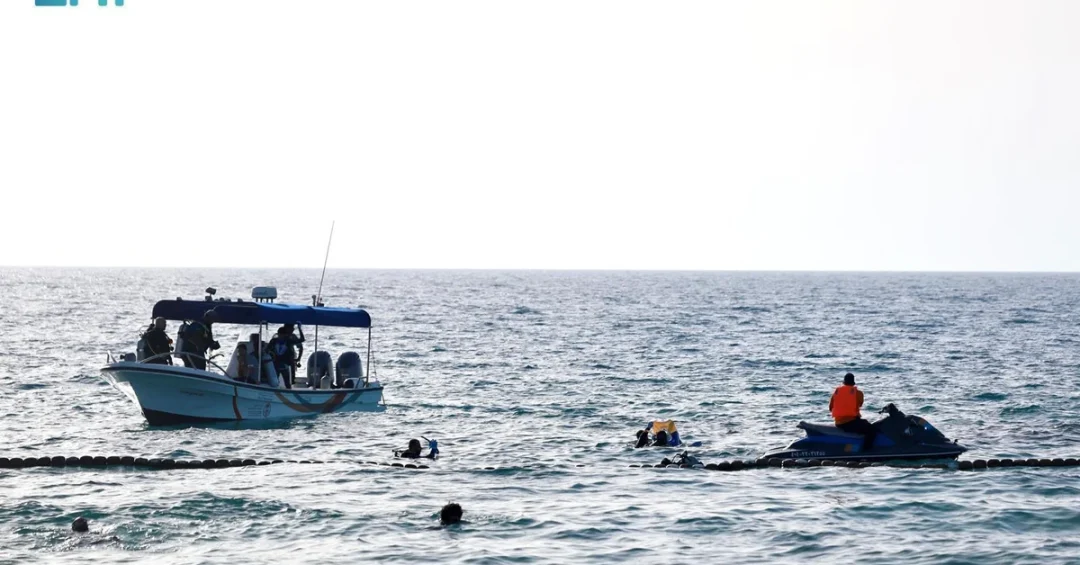
The Ministry of Environment, Water and Agriculture branch in Umluj Governorate, in collaboration with relevant authorities and volunteer divers, organized a seabed cleanup at Duqm Beach on April 22, 2025, as part of Environment Week 2025 events. The campaign aimed to raise community awareness on the importance of preserving the marine environment by removing seabed debris to protect wildlife and natural resources on beaches and coastal areas. The event saw volunteer teams and authorities conduct diving and waste retrieval, demonstrating the value of joint environmental protection efforts. This initiative aligns with the objectives of Saudi Vision 2030 to boost environmental sustainability and encourage responsible environmental practices among the public.
Have you ever wondered how a single cleanup event can ripple across an entire ecosystem and inspire a nation? The Duqm Beach cleanup is more than a one-day activity; it represents a growing movement in Saudi Arabia to safeguard the Red Sea’s marine biodiversity. Umluj, often called the Maldives of Saudi Arabia, is renowned for its pristine islands and coral reefs. By targeting seabed debris, the campaign addresses a critical threat to marine life that often goes unnoticed beneath the waves. This effort underscores the Kingdom’s commitment to environmental stewardship, a key pillar of Vision 2030. As Saudi Arabia accelerates its tourism and economic diversification goals, such initiatives ensure that natural treasures remain intact for future generations.
Context and Background
Why has Umluj become a focal point for marine conservation in Saudi Arabia? Located on the Red Sea coast, Umluj Governorate is part of the Tabuk Province and is home to a unique archipelago of over 100 islands. Its waters host diverse marine species, including sea turtles, dolphins, and vibrant coral reefs. The Ministry of Environment, Water and Agriculture (MEWA) has identified the region as a priority for environmental protection due to its ecological sensitivity and growing tourism potential. Environment Week 2025, a national initiative, provides a platform for raising awareness and mobilizing communities. The seabed cleanup at Duqm Beach is one of many activities organized nationwide, reflecting a coordinated approach to environmental challenges.
The collaboration between MEWA, local authorities, and volunteer divers highlights the importance of multi-stakeholder engagement. Volunteer divers play a crucial role in removing debris that accumulates on the seabed, which can entangle marine animals and damage coral habitats. According to MEWA, such campaigns also serve an educational purpose, teaching participants about the impact of human activities on marine ecosystems. The event aligns with the National Environment Strategy, which aims to enhance environmental protection and promote sustainable use of natural resources. By involving the community, the initiative fosters a sense of ownership and responsibility toward the environment, a principle that resonates with Saudi Arabia’s cultural values of stewardship.
Key Details of the Cleanup Campaign
What exactly did the volunteers accomplish during the Duqm Beach cleanup? On April 22, 2025, teams of volunteer divers, supported by MEWA officials and local authorities, conducted underwater dives to retrieve debris from the seabed. The waste collected included plastic bags, discarded fishing nets, and other harmful materials that pose a threat to marine life. The campaign also involved beach cleaning activities, with volunteers combing the shoreline for litter. While exact quantities were not disclosed, the operation was described as successful in significantly reducing debris in the targeted area. The event was part of a broader series of activities during Environment Week 2025, which included tree planting, awareness lectures, and recycling workshops across the Kingdom.
The involvement of volunteer divers is particularly noteworthy. These individuals, trained in underwater cleanup techniques, navigated the challenging conditions of the Red Sea to remove debris safely. Their efforts not only clean the environment but also collect data on the types and sources of waste, which can inform future prevention strategies. MEWA emphasized that such campaigns are essential for protecting wildlife, including endangered species like the hawksbill sea turtle, which nests on Umluj’s beaches. By removing debris, the campaign directly contributes to the survival of these species and the health of the marine ecosystem. The event also showcased the use of environmentally friendly practices, such as proper waste disposal and recycling, setting an example for other coastal communities.
International and Regional Impact
How does a local cleanup in Umluj resonate on the global stage? Saudi Arabia’s environmental initiatives are increasingly recognized internationally, particularly as the Kingdom positions itself as a leader in sustainable development. The Red Sea is a shared resource, and its health impacts neighboring countries and global biodiversity. By conducting cleanups and promoting marine conservation, Saudi Arabia contributes to international efforts to combat marine pollution, such as the UN Sustainable Development Goal 14 (Life Below Water). The event also aligns with the goals of the Regional Organization for the Conservation of the Environment of the Red Sea and Gulf of Aden (PERSGA), of which Saudi Arabia is a member. Such actions enhance the Kingdom’s reputation as a responsible global citizen and a steward of natural heritage.
Regionally, the cleanup serves as a model for other coastal nations. The Red Sea’s coral reefs are among the most resilient in the world, but they face threats from pollution, climate change, and overfishing. Saudi Arabia’s proactive approach, combining government action with community participation, offers a template that can be replicated. The involvement of volunteer divers from various backgrounds also promotes cross-cultural exchange and environmental diplomacy. As the Kingdom prepares to host major international events, such as the 2034 FIFA World Cup and Expo 2030, showcasing environmental leadership becomes even more crucial. These events will draw global attention, and Saudi Arabia’s commitment to sustainability will be under scrutiny. Initiatives like the Duqm Beach cleanup demonstrate that the Kingdom is taking concrete steps to protect its natural assets.
Economic and Strategic Significance
Why should economists and business leaders pay attention to environmental cleanups? The health of marine ecosystems is directly linked to economic prosperity, especially for a nation diversifying its economy under Vision 2030. Umluj is a key destination within Saudi Arabia’s tourism strategy, which aims to attract 150 million visitors annually by 2030. The Red Sea Project, a flagship giga-project, is developing luxury resorts and sustainable tourism infrastructure in the region. A clean and vibrant marine environment is essential for attracting tourists who seek pristine beaches and world-class diving experiences. By protecting these resources, the cleanup supports the growth of the tourism sector, creating jobs and generating revenue. Moreover, sustainable fisheries depend on healthy marine habitats, ensuring food security and livelihoods for coastal communities.
Strategically, environmental stewardship enhances Saudi Arabia’s soft power and diplomatic influence. The Kingdom’s leadership in environmental initiatives, such as the Saudi Green Initiative and the Middle East Green Initiative, positions it as a key player in global climate action. These efforts also align with the goals of Saudi Vision 2030, which emphasizes sustainability as a cornerstone of economic diversification. By investing in environmental protection, Saudi Arabia mitigates risks associated with climate change, such as coral bleaching and coastal erosion, which could have costly economic impacts. Furthermore, the cleanup fosters public-private partnerships and community engagement, building social capital and promoting a culture of environmental responsibility. As the Kingdom continues to develop its coastal areas, such initiatives ensure that economic growth does not come at the expense of the environment.
Vision 2030 Alignment
How does the Duqm Beach cleanup exemplify the aspirations of Saudi Vision 2030? Vision 2030, launched in 2016 by Crown Prince Mohammed bin Salman, aims to transform Saudi Arabia into a diversified, sustainable economy. Environmental sustainability is a core theme, with specific targets to protect natural resources, reduce pollution, and enhance quality of life. The cleanup directly supports these goals by preserving marine biodiversity, raising environmental awareness, and encouraging community participation. It also aligns with the National Transformation Program, which seeks to improve environmental standards and promote sustainable practices. By engaging volunteers and authorities, the initiative embodies the collaborative spirit needed to achieve Vision 2030’s ambitious objectives.
Looking ahead, the success of the Duqm Beach cleanup sets a precedent for future environmental campaigns in Umluj and beyond. The Ministry of Environment, Water and Agriculture plans to expand such initiatives, integrating them into regular coastal management activities. As Saudi Arabia continues to develop its tourism and maritime sectors, the balance between economic growth and environmental protection will be paramount. The Kingdom’s commitment to sustainability, demonstrated through events like Environment Week 2025, reinforces its role as a global leader in environmental stewardship. For international observers, this signals that Saudi Arabia is not only investing in its future but also safeguarding its natural heritage for generations to come. The ripples from Duqm Beach will be felt far beyond its shores, inspiring a wave of environmental consciousness across the region and the world.
20 Questions
Q1. What was the main objective of the Duqm Beach cleanup?
A1. The main objective was to raise community awareness about preserving the marine environment by removing seabed debris to protect wildlife and natural resources on beaches and coastal areas, as part of Environment Week 2025 events.
Q2. Who organized the Duqm Beach cleanup?
A2. The cleanup was organized by the Ministry of Environment, Water and Agriculture branch in Umluj Governorate, in collaboration with relevant authorities and volunteer divers.
Q3. When did the Duqm Beach cleanup take place?
A3. The cleanup took place on April 22, 2025, as part of Environment Week 2025 events, according to the Saudi Press Agency.
Q4. Where is Duqm Beach located?
A4. Duqm Beach is located in Umluj Governorate, a coastal area on the Red Sea in the Tabuk Province of Saudi Arabia, known for its pristine islands and marine biodiversity.
Q5. What types of debris were removed during the cleanup?
A5. Volunteers removed various types of seabed debris, including plastic bags, discarded fishing nets, and other harmful materials that pose a threat to marine life and coral habitats.
Q6. How did volunteer divers contribute to the campaign?
A6. Volunteer divers conducted underwater dives to retrieve debris from the seabed, using their training in underwater cleanup techniques to safely remove waste and collect data on its sources.
Q7. What is Environment Week 2025?
A7. Environment Week 2025 is a national initiative in Saudi Arabia that includes a series of activities such as tree planting, awareness lectures, and recycling workshops to promote environmental sustainability across the Kingdom.
Q8. How does the cleanup align with Saudi Vision 2030?
A8. The cleanup aligns with Vision 2030 by boosting environmental sustainability, encouraging responsible environmental practices, and supporting the goals of the National Environment Strategy and economic diversification.
Q9. Why is Umluj considered important for marine conservation?
A9. Umluj is home to an archipelago of over 100 islands with diverse marine species, including sea turtles and dolphins, making it a priority for environmental protection due to its ecological sensitivity and tourism potential.
Q10. What role did the Ministry of Environment, Water and Agriculture play?
A10. The Ministry organized the event, provided oversight, and collaborated with local authorities and volunteers to ensure the cleanup’s success and to promote environmental awareness among the public.
Q11. How does the cleanup impact the local community?
A11. The cleanup fosters a sense of ownership and responsibility toward the environment, educates participants about marine ecosystems, and promotes sustainable practices that benefit coastal communities and livelihoods.
Q12. What international organizations’ goals does this initiative support?
A12. The initiative supports the UN Sustainable Development Goal 14 (Life Below Water) and aligns with the objectives of the Regional Organization for the Conservation of the Environment of the Red Sea and Gulf of Aden (PERSGA).
Q13. What economic benefits can result from such cleanups?
A13. Cleanups support the tourism sector by maintaining pristine beaches for visitors, protect fisheries, and contribute to job creation and revenue generation, aligning with Saudi Arabia’s economic diversification goals.
Q14. How does the cleanup contribute to Saudi Arabia’s global image?
A14. It enhances the Kingdom’s reputation as a responsible global citizen and environmental leader, showcasing its commitment to sustainability and soft power diplomacy on the international stage.
Q15. What threats does marine debris pose to wildlife?
A15. Marine debris can entangle marine animals, damage coral reefs, and be ingested by species like sea turtles, leading to injury or death, thus disrupting the entire marine ecosystem.
Q16. Are there plans to repeat such cleanups in the future?
A16. Yes, the Ministry of Environment, Water and Agriculture plans to expand such initiatives, integrating them into regular coastal management activities to ensure sustained environmental protection.
Q17. How can the public participate in similar environmental efforts?
A17. The public can volunteer with organizations like MEWA, participate in community cleanups, practice recycling, and spread awareness about marine conservation to support Saudi Arabia’s environmental goals.
Q18. What is the significance of Umluj’s coral reefs?
A18. Umluj’s coral reefs are among the most resilient in the world, supporting rich biodiversity and serving as a major attraction for eco-tourism, which is vital for the region’s economy and global ecological health.
Q19. How does the cleanup reflect Saudi Arabia’s cultural values?
A19. It reflects the cultural value of stewardship and respect for nature, promoting community cooperation and responsibility, which are integral to Saudi society and Vision 2030’s sustainability ethos.
Q20. What message does the Duqm Beach cleanup send to the world?
A20. It sends a message that Saudi Arabia is committed to environmental protection, sustainable development, and global cooperation, setting an example for other nations to follow in preserving marine ecosystems.
Reader Feedback
We value your thoughts. Please share your feedback on this article.
Your feedback helps us improve our coverage.
Related articles
 Student Volunteers Plant 3,000 Seedlings in King Salman Royal Reserve
 King Khalid Royal Reserve Releases 30 Endangered Animals
 GACA Hosts Mobile Cybersecurity Awareness Exhibition
 Saudi Arabia Weather Forecast for Wednesday: Rain, Hail, and Dust Winds
 KSrelief Marks World Art Day at Zaatari Refugee Camp
 Tunisian President Receives KSrelief Supervisor General