


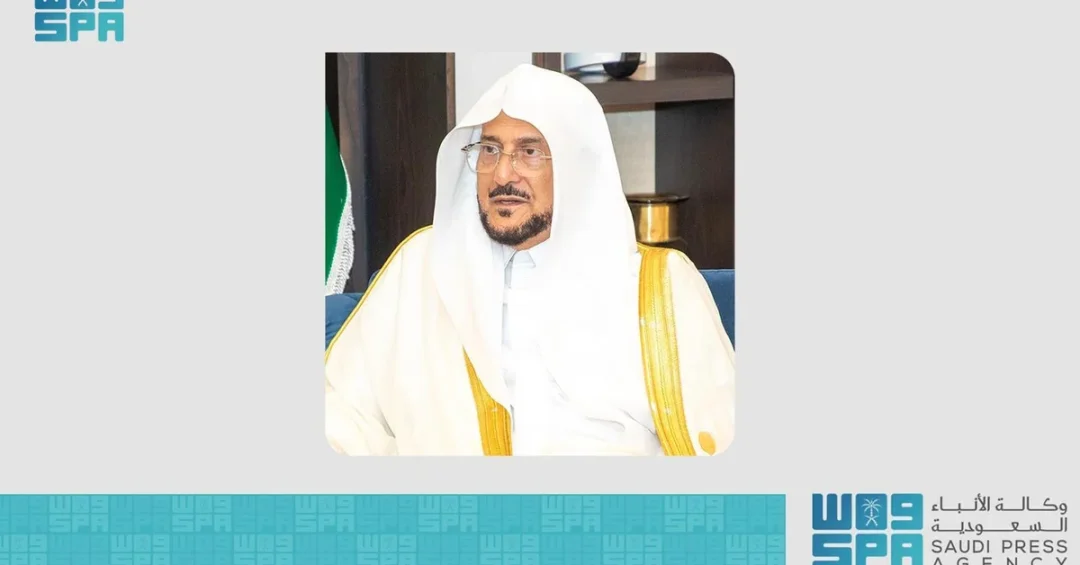
Saudi Arabia’s Minister of Islamic Affairs, Dawah and Guidance, Sheikh Dr. Abdullatif Al Alsheikh, has directed the ministry’s branches across the Kingdom to hold the Eid Al-Fitr prayer for the year 1446 AH in all designated Eid prayer areas, with the prayer to be performed 15 minutes after sunrise according to the Umm Al-Qura calendar. The directive, announced via the Saudi Press Agency, covers all regions of the Kingdom and instructs that the prayer also take place in all mosques, with the exception of those adjacent to designated Eid prayer areas and those not customarily frequented for Eid prayers in certain villages and centers, where residents will instead gather at their local Eid prayer areas.
Have you ever wondered how a nation of more than 19,000 mosques and prayer areas coordinates a single religious event with such precision? The announcement reflects the meticulous planning that underpins Saudi Arabia’s stewardship of the Two Holy Mosques and its commitment to ensuring that worshippers across the Kingdom can observe Eid Al-Fitr in comfort and tranquility. The directive emphasizes early preparation at every prayer location, including maintenance, cleanliness, and operational readiness, so that the faithful may welcome the holiday in a spiritually uplifting atmosphere. The ministry’s guidance applies uniformly across all regions, reinforcing the Kingdom’s reputation for organizational excellence in hosting religious occasions of global significance.
Context and Background
Why does the timing of the Eid prayer matter so much to millions of Muslims worldwide? Eid Al-Fitr marks the conclusion of the holy month of Ramadan, during which Muslims fast from dawn until sunset. The Eid prayer is a central act of worship performed in congregation, traditionally held in open prayer areas or large mosques to accommodate the significant number of worshippers. The decision to hold the prayer 15 minutes after sunrise, in accordance with the Umm Al-Qura calendar, ensures consistency across the Kingdom’s regions and aligns with established Islamic jurisprudence regarding the preferred time for this special prayer.
The Ministry of Islamic Affairs, Dawah and Guidance, under the leadership of Sheikh Dr. Abdullatif Al Alsheikh, oversees religious affairs across Saudi Arabia, including the maintenance and operation of the Kingdom’s extensive network of mosques. The ministry’s branches in each region are responsible for implementing directives and ensuring that local preparations meet the required standards. This year’s directive continues a longstanding practice of careful planning for Eid prayers, which draw millions of worshippers across the Kingdom. The exception for mosques adjacent to Eid prayer areas and those not typically used for Eid prayers in certain villages and centers reflects a practical approach to crowd management and resource allocation, directing worshippers to the most suitable venues.
The Kingdom currently hosts 19,887 mosques and prayer areas, all of which have been fully prepared with carpeting, maintenance, and cleanliness measures. This vast infrastructure serves a population of more than 32 million people, including the millions of pilgrims and visitors who travel to Saudi Arabia each year for Umrah and Hajj. The scale of this preparation underscores the logistical capabilities of the Kingdom and its dedication to facilitating religious observance at the highest standards.
Key Details of the Directive
What exactly does the ministry’s directive entail for worshippers and local communities? The announcement specifies that Eid Al-Fitr prayers for 1446 AH will be held in all designated Eid prayer areas across the Kingdom. In addition, the prayer will be conducted in all mosques, except those situated adjacent to Eid prayer areas and those not frequented for Eid prayers in certain villages and centers. In these cases, residents will use their local Eid prayer areas instead. This approach ensures that congregations are directed to appropriate venues, preventing overcrowding and ensuring that all worshippers have access to a suitable location for the prayer.
The directive also instructs early preparation throughout the Kingdom, with a focus on ensuring that all necessary services at prayer areas are in place. This includes maintenance work, cleanliness protocols, and operational readiness. The ministry has emphasized the importance of providing a comfortable and tranquil experience for worshippers, reflecting the Kingdom’s commitment to facilitating religious practice. The timing of the prayer—15 minutes after sunrise according to the Umm Al-Qura calendar—applies uniformly across all regions, ensuring a coordinated and unified observance of this important religious occasion.
Sheikh Dr. Abdullatif Al Alsheikh’s directive is part of the ministry’s ongoing efforts to enhance the quality of services provided at mosques and prayer areas. The ministry regularly issues guidance on prayer timings, mosque maintenance, and other religious affairs, demonstrating its active role in supporting the spiritual life of the Kingdom’s residents and visitors. The preparation of 19,887 mosques and prayer areas with carpeting, maintenance, and cleanliness measures highlights the scale of the operation and the resources dedicated to ensuring that worshippers can observe Eid Al-Fitr in a dignified and peaceful environment.
International and Regional Impact
How does Saudi Arabia’s management of Eid prayers resonate beyond its borders? As the custodian of the Two Holy Mosques, the Kingdom holds a unique position in the Islamic world, and its arrangements for Eid Al-Fitr are observed closely by Muslims globally. The directive to hold the prayer 15 minutes after sunrise, based on the Umm Al-Qura calendar, provides a clear and consistent reference for communities that look to Saudi Arabia for guidance on religious timings. This consistency helps Muslims in different countries coordinate their own Eid celebrations and reinforces the Kingdom’s role as a unifying force in the Islamic world.
The announcement also highlights Saudi Arabia’s capacity to manage large-scale religious events, a capability that has been demonstrated through the successful organization of the Hajj and Umrah pilgrimages. The Kingdom’s experience in hosting millions of worshippers safely and efficiently is a source of pride and a testament to its commitment to serving Islam and Muslims. The Eid Al-Fitr arrangements, while primarily focused on domestic worshippers, contribute to the Kingdom’s broader image as a reliable and capable steward of Islamic holy sites and religious affairs.
Regionally, the directive reflects the Kingdom’s leadership in promoting moderation and unity within the Islamic world. By providing clear guidance on prayer timings and ensuring that mosques and prayer areas are well-prepared, Saudi Arabia sets a standard for religious administration that is admired and often emulated. The ministry’s efforts to maintain high standards of cleanliness and service at mosques also align with the Kingdom’s broader goals of enhancing the quality of life for residents and visitors, a key objective of Saudi Vision 2030.
Economic and Strategic Significance
What does the preparation of nearly 20,000 mosques and prayer areas signify for Saudi Arabia’s economy and strategic priorities? The maintenance, carpeting, and cleaning of these facilities represent a significant investment in infrastructure and services, creating employment opportunities and supporting local businesses involved in the supply chain. The ministry’s focus on quality standards and operational readiness ensures that these investments contribute to a positive experience for worshippers, which in turn supports the Kingdom’s efforts to attract visitors for religious tourism, including Umrah and Hajj.
Strategically, the directive reinforces Saudi Arabia’s position as the heart of the Islamic world. By facilitating Eid prayers across the Kingdom, the ministry contributes to social cohesion and national unity, bringing together communities in a shared act of worship. This aligns with the Kingdom’s Vision 2030 goals of fostering a vibrant society and enhancing the quality of life for all residents. The emphasis on cleanliness, maintenance, and service quality also reflects the broader modernization drive within the Kingdom, where public services are being upgraded to meet international standards.
The Eid Al-Fitr prayer arrangements are part of a continuum of religious services provided by the Ministry of Islamic Affairs, Dawah and Guidance. The ministry’s work extends beyond prayer logistics to include educational programs, dawah activities, and the promotion of moderate Islam. These efforts are supported by the Kingdom’s leadership and are integral to the social and cultural dimensions of Vision 2030. The successful execution of Eid prayers across the Kingdom demonstrates the effectiveness of the ministry’s administration and its ability to coordinate with regional branches to deliver high-quality services.
Vision 2030 Alignment
How does the Eid Al-Fitr prayer directive connect to Saudi Arabia’s long-term vision for the future? Vision 2030, launched by Crown Prince Mohammed bin Salman, aims to transform the Kingdom into a diversified economy and a vibrant society. The religious sector plays a crucial role in this transformation, as the Kingdom seeks to enhance the quality of life for its citizens and residents while maintaining its Islamic identity and values. The Ministry of Islamic Affairs, Dawah and Guidance is a key partner in this effort, ensuring that religious services are delivered efficiently and to the highest standards.
The preparation of 19,887 mosques and prayer areas for Eid Al-Fitr exemplifies the Vision 2030 commitment to excellence in public services. By investing in maintenance, cleanliness, and operational readiness, the ministry contributes to a positive experience for worshippers, which supports the Kingdom’s goals of increasing religious tourism and enhancing the Kingdom’s global standing. The directive also reflects the values of moderation, unity, and service that are central to both Islam and Vision 2030. As Saudi Arabia continues to modernize and open up to the world, the careful management of religious affairs remains a cornerstone of its national strategy, ensuring that tradition and progress go hand in hand.
In conclusion, the Ministry of Islamic Affairs, Dawah and Guidance’s directive for Eid Al-Fitr prayers underscores Saudi Arabia’s unwavering commitment to serving Islam and Muslims. Through meticulous planning and preparation, the Kingdom ensures that worshippers across all regions can observe this blessed occasion in comfort and tranquility. As the Kingdom advances toward Vision 2030, such initiatives highlight the harmonious blend of spiritual devotion and modern governance that defines Saudi Arabia’s path forward. Can any other nation match this level of dedication to facilitating religious practice on such a grand scale?
20 Questions
Q1. What did the Minister of Islamic Affairs direct regarding Eid Al-Fitr prayer?
A1. Sheikh Dr. Abdullatif Al Alsheikh directed the ministry’s branches to hold Eid Al-Fitr prayer for 1446 AH in all designated Eid prayer areas and mosques across the Kingdom, with the prayer to be performed 15 minutes after sunrise according to the Umm Al-Qura calendar.
Q2. When will the Eid Al-Fitr prayer take place?
A2. The Eid Al-Fitr prayer will be held 15 minutes after sunrise in all regions of the Kingdom, in accordance with the Umm Al-Qura calendar.
Q3. Where will the Eid Al-Fitr prayer be held?
A3. The prayer will be held in all designated Eid prayer areas and in all mosques, except those adjacent to Eid prayer areas and those not frequented for Eid prayer in certain villages and centers.
Q4. Why are some mosques excluded from holding the Eid prayer?
A4. Mosques adjacent to Eid prayer areas and those not customarily used for Eid prayers in certain villages and centers are excluded because residents will use their local Eid prayer areas instead, ensuring better organization and crowd management.
Q5. How many mosques and prayer areas are in the Kingdom?
A5. The Kingdom currently hosts 19,887 mosques and prayer areas, all of which have been fully prepared with carpeting, maintenance, and cleanliness measures.
Q6. What preparations have been made for the Eid prayer?
A6. The ministry has instructed early preparation, including maintenance, cleanliness, and operation of all necessary services at prayer areas to provide a comfortable and tranquil experience for worshippers.
Q7. Who is the Minister of Islamic Affairs, Dawah and Guidance?
A7. Sheikh Dr. Abdullatif Al Alsheikh is the Minister of Islamic Affairs, Dawah and Guidance, responsible for overseeing religious affairs across Saudi Arabia.
Q8. What is the Umm Al-Qura calendar?
A8. The Umm Al-Qura calendar is the official calendar used in Saudi Arabia, based on lunar observations, and it determines the timing for Islamic events and prayers, including Eid Al-Fitr.
Q9. How does this directive reflect Saudi Arabia’s role in the Islamic world?
A9. It demonstrates the Kingdom’s commitment to serving Islam and Muslims, providing consistent guidance on religious timings and ensuring that worshippers can observe Eid in comfort, reinforcing its leadership as custodian of the Two Holy Mosques.
Q10. What is the significance of Eid Al-Fitr in Islam?
A10. Eid Al-Fitr marks the end of Ramadan, the holy month of fasting. It is a time of joy, gratitude, and community, with the Eid prayer being a central act of worship performed in congregation.
Q11. How does the ministry ensure quality at prayer areas?
A11. The ministry conducts regular maintenance, provides carpeting, and enforces cleanliness protocols, adhering to the highest quality standards to create a spiritually uplifting atmosphere for worshippers.
Q12. Are there any special arrangements for villages and centers?
A12. Yes, in certain villages and centers, residents will use their local Eid prayer areas instead of mosques not frequented for Eid prayer, ensuring that all worshippers have a suitable venue.
Q13. What services are provided at Eid prayer areas?
A13. Services include maintenance, cleanliness, operation of facilities, and other necessary arrangements to ensure a comfortable and tranquil experience for all attendees.
Q14. How does this directive align with Vision 2030?
A14. It aligns with Vision 2030’s goals of enhancing quality of life, fostering a vibrant society, and improving public services, while maintaining the Kingdom’s Islamic identity and values.
Q15. What is the role of the Ministry of Islamic Affairs in Saudi Arabia?
A15. The ministry oversees religious affairs, including mosque maintenance, Eid prayers, dawah activities, and promoting moderate Islam, contributing to the spiritual and social well-being of the Kingdom.
Q16. How many regions does the directive cover?
A16. The directive covers all regions of the Kingdom, ensuring uniform observance of the Eid prayer timing across Saudi Arabia.
Q17. What should worshippers expect at the Eid prayer?
A17. Worshippers can expect well-prepared prayer areas with carpeting, cleanliness, and necessary services, allowing them to observe the prayer in a comfortable and tranquil environment.
Q18. How does the Kingdom manage large gatherings for Eid?
A18. The Kingdom uses careful planning, including designating specific prayer areas and excluding certain mosques, to manage crowds effectively and ensure safety and comfort for all worshippers.
Q19. What is the significance of holding the prayer 15 minutes after sunrise?
A19. This timing follows the Umm Al-Qura calendar and Islamic tradition, ensuring consistency across the Kingdom and allowing worshippers to perform the prayer at the prescribed time.
Q20. How does this announcement reflect Saudi Arabia’s commitment to religious service?
A20. It demonstrates the Kingdom’s dedication to facilitating religious practice, investing in infrastructure, and ensuring that worshippers can observe Eid Al-Fitr in a dignified and peaceful manner, in line with its role as custodian of the Two Holy Mosques.
Reader Feedback
We value your thoughts. Please share your feedback on this article.
Your feedback helps us improve our coverage.
Related articles
 KSrelief Distributes 2,812 Date Cartons in Daraa, Syria
 Madinah Bus Shuttles Serve Over 850,000 in Ramadan’s First 20 Days
 Saudi Mosques Ready Nationwide for Eid Al-Fitr Prayer
 5.1-Magnitude Earthquake Strikes Tonga Islands
 Saudi Arabia Weather Forecast for Monday: Rain, Hail, and Dust Winds
 GACA Releases February 2025 Airport Performance Report