


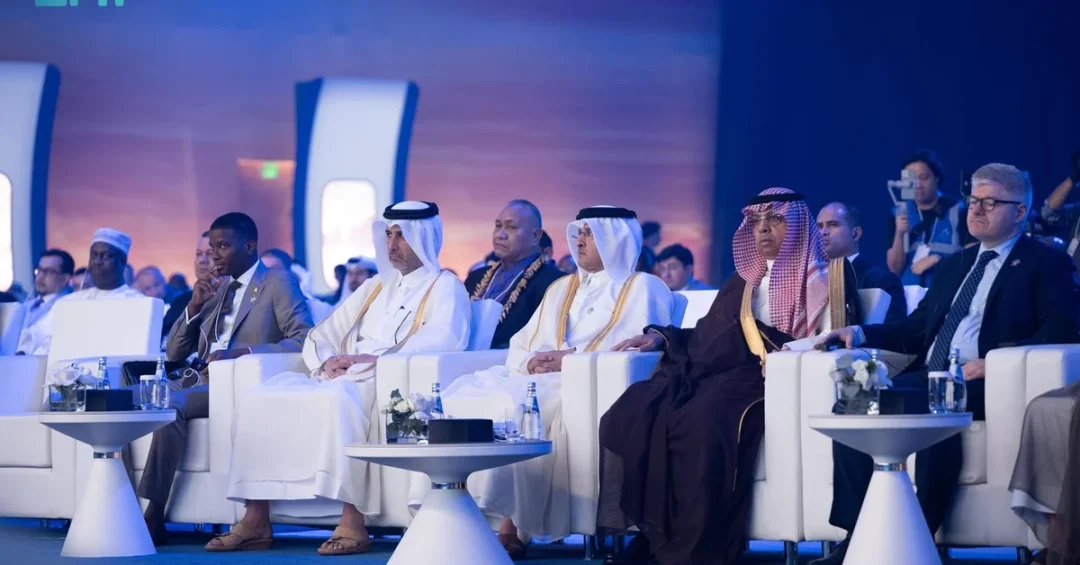
The General Authority of Civil Aviation (GACA) is participating in the UN International Civil Aviation Organization (ICAO) Global Facilitation Conference (FALC 2025), held in Doha, Qatar, from April 14 to 17. The Saudi delegation is led by GACA President Abdulaziz bin Abdullah Al-Duailej. The conference, themed “Facilitating the Future of Air Transport: Collaboration, Efficiency, and Inclusivity,” is organized by Qatar’s Civil Aviation Authority in cooperation with ICAO, with the participation of 190 countries and over 120 transport ministers and civil aviation authority heads from around the world. GACA’s participation reflects its commitment to boosting international cooperation, advancing air transport systems, fostering innovation, exchanging ideas, discussing the future of air transport facilitation, and exploring the latest developments in enhancing the efficiency and ease of air travel.
Have you ever wondered how global air travel remains so seamless despite the complex web of regulations and borders? The answer lies in international cooperation and events like the ICAO Global Facilitation Conference. Saudi Arabia’s active role in this gathering underscores its dedication to shaping the future of aviation. As the Kingdom continues to expand its aviation sector under Vision 2030, participation in such forums is crucial for sharing expertise, learning best practices, and forging partnerships that enhance connectivity and economic growth. This engagement not only benefits Saudi Arabia but also contributes to the global aviation community’s collective efforts to make air travel more efficient and accessible for all.
Context and Background
What makes the ICAO Global Facilitation Conference a pivotal event in global aviation? The conference, held in Doha from April 14 to 17, 2025, brings together 190 countries and over 120 transport ministers and civil aviation authority heads. It serves as a platform to address key challenges in air transport facilitation, including border management, passenger experience, and cargo efficiency. The event is organized by Qatar’s Civil Aviation Authority in cooperation with ICAO, highlighting the importance of regional collaboration in advancing global aviation standards. For Saudi Arabia, participation aligns with its ongoing efforts to modernize its aviation infrastructure and regulatory framework, positioning itself as a leader in the region and beyond.
Saudi Arabia’s aviation sector has undergone significant transformation in recent years, driven by Vision 2030’s goals to diversify the economy and boost tourism. The Kingdom has invested heavily in expanding airport capacity, enhancing digital services, and improving passenger experiences. GACA, as the regulatory body, plays a central role in these initiatives, ensuring that Saudi aviation meets international standards and fosters innovation. By attending FALC 2025, GACA demonstrates its commitment to staying at the forefront of industry developments and contributing to global discussions on facilitation. This participation also reinforces Saudi Arabia’s diplomatic ties with Qatar and other nations, showcasing the Kingdom’s proactive approach to international engagement.
Why is facilitation important in aviation? Facilitation encompasses all measures to improve the efficiency of air transport, from simplifying visa processes to streamlining security checks. These efforts are essential for accommodating the projected growth in air travel, which is expected to double in the next two decades. For Saudi Arabia, effective facilitation is key to achieving its ambitious tourism targets, including welcoming 150 million visitors annually by 2030. The conference provides a forum to exchange ideas on best practices and innovative solutions, ensuring that Saudi Arabia remains competitive in the global aviation market.
Key Details of GACA’s Participation
What specific objectives does GACA aim to achieve at FALC 2025? Led by GACA President Abdulaziz bin Abdullah Al-Duailej, the Saudi delegation is actively engaging in discussions on the future of air transport facilitation. The conference theme, “Facilitating the Future of Air Transport: Collaboration, Efficiency, and Inclusivity,” resonates with Saudi Arabia’s own aviation strategy, which emphasizes collaboration, innovation, and inclusivity. GACA’s participation is focused on exchanging knowledge, exploring latest developments, and building partnerships that can enhance the efficiency and ease of air travel. The delegation is also highlighting Saudi Arabia’s achievements in aviation, such as the expansion of King Khalid International Airport and the introduction of advanced biometric systems.
During the conference, GACA representatives are participating in panel discussions, workshops, and bilateral meetings. Key topics include the use of technology to streamline passenger flow, the harmonization of regulations across borders, and the role of aviation in sustainable development. GACA’s presence at FALC 2025 is an opportunity to showcase Saudi Arabia’s progress in implementing ICAO standards and recommended practices. It also allows GACA to learn from other countries’ experiences and incorporate best practices into its own operations. This collaborative approach is essential for addressing common challenges and ensuring a seamless travel experience for passengers worldwide.
How does GACA’s participation benefit Saudi Arabia’s aviation sector? By engaging with international counterparts, GACA gains insights into emerging trends and technologies that can be applied domestically. For instance, discussions on digital travel credentials and contactless processes could inform Saudi Arabia’s own smart airport initiatives. Additionally, the conference provides a platform to promote Saudi Arabia as a destination and a hub for air travel, attracting investment and partnerships. The networking opportunities also strengthen relationships with key stakeholders, which is vital for negotiating air service agreements and expanding connectivity. Overall, GACA’s involvement in FALC 2025 supports the Kingdom’s goal of becoming a global aviation leader.
International and Regional Impact
How does Saudi Arabia’s participation in FALC 2025 impact the broader Middle East? The Middle East is a crucial region for global aviation, serving as a bridge between East and West. Saudi Arabia’s active role in ICAO events enhances regional cooperation and sets a benchmark for other countries. By collaborating with Qatar and other nations, Saudi Arabia contributes to a more integrated and efficient air transport network in the region. This is particularly important as the Middle East’s aviation market continues to grow rapidly, with increasing passenger and cargo traffic. Saudi Arabia’s leadership in facilitation efforts helps ensure that the region can handle this growth effectively.
On a global scale, Saudi Arabia’s engagement in ICAO reflects its commitment to multilateralism and international standards. As one of the largest economies in the Middle East, the Kingdom’s voice carries weight in shaping global aviation policies. By participating in FALC 2025, Saudi Arabia reinforces its position as a responsible global player and a champion of sustainable development. The conference also provides an opportunity for Saudi Arabia to share its experiences with Vision 2030, which could inspire other countries to pursue similar transformative agendas. This exchange of ideas fosters mutual understanding and cooperation, which are essential for addressing global challenges like climate change and security.
Economic and Strategic Significance
What economic benefits does Saudi Arabia anticipate from its aviation facilitation efforts? Aviation is a key driver of economic growth, contributing billions to GDP and supporting millions of jobs. For Saudi Arabia, enhancing air transport facilitation is directly linked to its tourism and trade objectives. By making travel easier and more efficient, the Kingdom can attract more business travelers and tourists, boosting revenue and creating opportunities. The expansion of the aviation sector also stimulates related industries, such as hospitality, retail, and logistics. GACA’s participation in FALC 2025 helps ensure that Saudi Arabia’s regulatory environment keeps pace with global best practices, which is essential for maximizing these economic benefits.
Strategically, Saudi Arabia’s involvement in ICAO events strengthens its geopolitical influence. Aviation is a tool of soft power, and by leading in facilitation, the Kingdom can build goodwill and foster partnerships. This is particularly relevant as Saudi Arabia seeks to diversify its alliances and attract foreign investment. The conference also allows Saudi Arabia to advocate for its interests, such as ensuring that international regulations consider the needs of developing nations. By actively participating in global aviation governance, Saudi Arabia can shape policies that support its long-term vision and contribute to a more stable and prosperous world.
Vision 2030 Alignment
How does GACA’s participation in FALC 2025 align with Vision 2030? Vision 2030 aims to transform Saudi Arabia into a global hub for trade, tourism, and investment. A key pillar of this vision is the development of a world-class aviation sector that connects the Kingdom to the world. GACA’s efforts to enhance facilitation, foster innovation, and promote international cooperation are directly aligned with these goals. By engaging with ICAO and other nations, GACA is helping to create an aviation ecosystem that supports economic diversification and enhances the quality of life for citizens and visitors alike. This participation is a clear demonstration of Saudi Arabia’s commitment to achieving its Vision 2030 targets.
Looking ahead, Saudi Arabia’s continued engagement in international aviation forums will be crucial for maintaining momentum. The Kingdom’s ambitious plans, such as the development of NEOM and the Red Sea Project, rely on efficient air transport to succeed. By staying at the forefront of facilitation trends, GACA ensures that Saudi Arabia is ready to meet future demands and seize opportunities. As the global aviation landscape evolves, Saudi Arabia’s proactive approach will help it remain a leader and a model for others. In conclusion, GACA’s participation in FALC 2025 is not just a conference attendance; it is a strategic step toward a brighter, more connected future for the Kingdom and the world.
20 Questions
Q1. What is the ICAO Global Facilitation Conference (FALC 2025)?
A1. FALC 2025 is a UN International Civil Aviation Organization event held in Doha, Qatar, from April 14 to 17, 2025. It focuses on facilitating the future of air transport through collaboration, efficiency, and inclusivity, with participation from 190 countries.
Q2. Who is leading the Saudi delegation at FALC 2025?
A2. The Saudi delegation is led by GACA President Abdulaziz bin Abdullah Al-Duailej. He is accompanied by other officials from the General Authority of Civil Aviation to engage in discussions and bilateral meetings.
Q3. What is the theme of FALC 2025?
A3. The theme is “Facilitating the Future of Air Transport: Collaboration, Efficiency, and Inclusivity.” It reflects the conference’s goal to address key challenges and opportunities in global air transport facilitation.
Q4. How many countries are participating in FALC 2025?
A4. A total of 190 countries are participating in the conference. Additionally, over 120 transport ministers and civil aviation authority heads from around the world are attending.
Q5. What does GACA hope to achieve by participating in FALC 2025?
A5. GACA aims to boost international cooperation, advance air transport systems, foster innovation, exchange ideas, discuss the future of air transport facilitation, and explore the latest developments in enhancing efficiency and ease of air travel.
Q6. How does GACA’s participation align with Vision 2030?
A6. GACA’s participation supports Vision 2030 by promoting a world-class aviation sector that enhances connectivity, boosts tourism, and drives economic diversification. It aligns with the goal of making Saudi Arabia a global hub for trade and tourism.
Q7. What are the key topics discussed at FALC 2025?
A7. Key topics include border management, passenger experience, cargo efficiency, digital travel credentials, contactless processes, harmonization of regulations, and sustainable development in aviation.
Q8. How does FALC 2025 benefit Saudi Arabia’s aviation sector?
A8. It provides insights into emerging trends and technologies, promotes Saudi Arabia as a destination, strengthens relationships with stakeholders, and supports the negotiation of air service agreements to expand connectivity.
Q9. What is the significance of Saudi Arabia’s participation in ICAO events?
A9. It reinforces Saudi Arabia’s commitment to multilateralism, international standards, and global aviation governance. It also enhances the Kingdom’s geopolitical influence and soft power.
Q10. How does air transport facilitation impact economic growth?
A10. Facilitation improves efficiency, reduces costs, and enhances passenger experience, which boosts tourism, trade, and investment. Aviation is a key driver of GDP and job creation.
Q11. What role does GACA play in Saudi Arabia’s aviation sector?
A11. GACA is the regulatory body responsible for overseeing civil aviation, ensuring safety, security, and compliance with international standards. It also drives modernization and innovation in the sector.
Q12. How does FALC 2025 promote inclusivity in air transport?
A12. The conference addresses the needs of all passengers, including those with disabilities, and promotes accessible travel through universal design and inclusive policies.
Q13. What are the expected outcomes of FALC 2025?
A13. Outcomes include enhanced international cooperation, adoption of best practices, and recommendations to improve global air transport facilitation, which will be implemented by participating countries.
Q14. How does Saudi Arabia’s aviation strategy support tourism goals?
A14. By expanding airport capacity, improving services, and facilitating visas, Saudi Arabia aims to attract 150 million visitors annually by 2030, making tourism a key economic pillar.
Q15. What is the role of Qatar in organizing FALC 2025?
A15. Qatar’s Civil Aviation Authority is organizing the conference in cooperation with ICAO, highlighting regional collaboration and Qatar’s commitment to advancing global aviation.
Q16. How does GACA engage with other countries at FALC 2025?
A16. GACA participates in panel discussions, workshops, and bilateral meetings to exchange knowledge, share Saudi achievements, and build partnerships for future collaboration.
Q17. What are the challenges in air transport facilitation?
A17. Challenges include balancing security with efficiency, harmonizing regulations, integrating new technologies, and ensuring sustainable growth amid increasing passenger demand.
Q18. How does Saudi Arabia’s participation in FALC 2025 reflect its global role?
A18. It demonstrates Saudi Arabia’s proactive approach to international engagement, leadership in aviation, and commitment to contributing to global solutions and standards.
Q19. What is the significance of the conference being held in Doha?
A19. Doha’s hosting underscores Qatar’s role as a regional aviation hub and promotes Middle Eastern cooperation in addressing shared challenges and opportunities in air transport.
Q20. How can the outcomes of FALC 2025 benefit travelers worldwide?
A20. By streamlining processes, reducing delays, and enhancing security, travelers will experience more seamless, efficient, and enjoyable journeys across international borders.
Reader Feedback
We value your thoughts. Please share your feedback on this article.
Your feedback helps us improve our coverage.
Related articles
 KSrelief Mobile Clinic Serves 459 in Yemen’s Saada
 KSrelief Supervisor General Meets Saudi Ambassador to Comoros
 KSrelief Masam Project Clears 955 Explosives in Yemen
 Saudi FM Speaks with Syrian Counterpart
 Algerian Justice Minister Meets NAUSS President in Algiers
 Prince Sultan Defense Center Signs 6 Research Deals at EDGEx 2025