


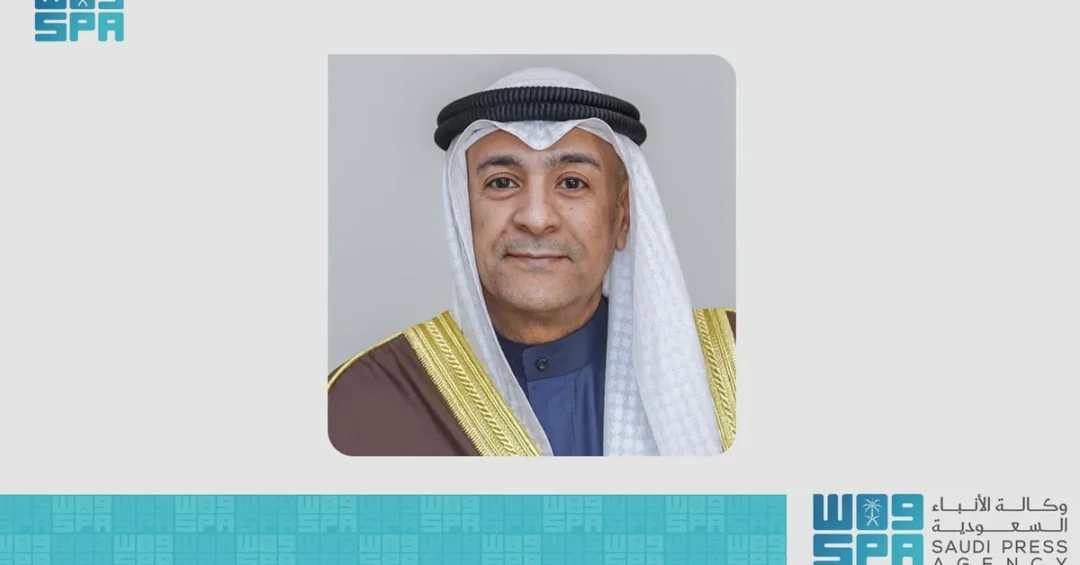
Secretary-General of the Gulf Cooperation Council (GCC) Jasem Albudaiwi announced that the Supreme Council’s Advisory Body has supported 59 studies since its inception, aimed at developing Gulf regulations and joint projects across a wide range of sectors. The statement was made during the first meeting of the Advisory Body in its 28th session, held in Kuwait on January 29, 2025, with the participation of the body’s members. The meeting underscored the GCC’s commitment to deepening integration among its six member states—Saudi Arabia, the United Arab Emirates, Qatar, Kuwait, Bahrain, and Oman—as they work toward shared economic, social, and strategic goals.
How does a regional bloc of six nations turn decades of dialogue into tangible benefits for its citizens? For the GCC, the answer increasingly lies in the meticulous work of its Advisory Body, a consultative arm of the Supreme Council that has quietly become a cornerstone of Gulf policymaking. Since its founding, the body has supported 59 studies that inform everything from regulatory harmonization to large-scale joint projects. The latest meeting in Kuwait signals that this momentum is not only being maintained but accelerated, with new mandates handed down from the Supreme Council’s Kuwait Summit in December 2024.
Context and Background
The Gulf Cooperation Council was established in 1981 with the aim of fostering cooperation and integration among its member states in economic, political, and security affairs. Over the past four decades, the bloc has evolved from a primarily political alliance into a multifaceted organization that addresses trade, infrastructure, education, health, and technology. Central to this evolution is the Supreme Council, the GCC’s highest decision-making body, which convenes annually to set the strategic direction for the region.
Beneath the Supreme Council sits the Advisory Body, a group of experts and former officials tasked with studying key issues and recommending policies. Since its inception, the body has supported 59 studies, each designed to break down barriers to integration and propose actionable solutions. These studies cover a wide spectrum, including economic diversification, regulatory reform, and the development of joint infrastructure projects. The Advisory Body’s work is often behind the scenes, but its impact is felt across the region as its recommendations are translated into binding agreements and joint initiatives.
During the meeting in Kuwait, Albudaiwi expressed his gratitude to Amir of the State of Kuwait and President of the Supreme Council in its 45th session Sheikh Meshal Al-Ahmad Al-Jaber Al-Sabah for Kuwait’s invaluable efforts and continuous support in boosting the Gulf cooperation process across all fields. He also extended his appreciation to the State of Qatar, recalling its presidency of the previous session under the leadership of Amir of the State of Qatar Sheikh Tamim bin Hamad Al Thani, for supporting the General Secretariat and joint Gulf initiatives. Such acknowledgments reflect the rotational leadership that underpins GCC governance and the importance of continuity in regional diplomacy.
Key Details of the 28th Session
The first meeting of the Advisory Body in its 28th session focused on operationalizing the mandates issued by the Supreme Council at the Kuwait Summit on December 1, 2024. According to Albudaiwi, the Advisory Body has been tasked with studying three priority topics: unifying Gulf efforts to address natural disasters, formulating unified Gulf policies and legislation for artificial intelligence, and identifying obstacles to the integration of services among GCC states. Each of these areas represents a frontier in regional cooperation where coordinated action can yield significant dividends.
On natural disasters, the GCC region is increasingly exposed to extreme weather events, from flash floods to heatwaves, which can disrupt economies and endanger lives. A unified approach would allow member states to share early warning systems, pool emergency resources, and standardize response protocols. The study aims to create a framework for rapid, coordinated action that leverages each country’s strengths while minimizing duplication. This is particularly relevant as climate change intensifies environmental risks across the Arabian Peninsula.
Artificial intelligence is another area where the GCC sees an opportunity to lead. The Advisory Body is examining how to harmonize policies and legislation to create a cohesive regulatory environment that encourages innovation while safeguarding ethical standards and data privacy. A unified AI framework could attract global investment, facilitate cross-border research, and position the Gulf as a hub for responsible AI development. For Saudi Arabia, which has made AI a centerpiece of its Vision 2030 diversification strategy, this regional alignment is a natural extension of its national ambitions.
The third mandate—identifying obstacles to service integration—touches on the everyday lives of Gulf citizens. Whether it is the mutual recognition of professional qualifications, the portability of social insurance, or the seamless provision of digital government services, removing friction in these areas can enhance mobility and economic participation. The Advisory Body’s findings will feed into ministerial committees, which will then propose concrete measures for approval by the Supreme Council.
International and Regional Impact
The GCC’s efforts to deepen integration resonate beyond its six member states. As a bloc, the GCC represents a combined GDP of over $2 trillion and a population of more than 60 million, making it a significant player in global energy markets, trade, and diplomacy. When the GCC speaks with one voice on issues like AI governance or disaster response, it can shape international norms and attract partnerships from major economies. The Advisory Body’s work thus has implications for how the region engages with the wider world.
Moreover, the focus on AI legislation aligns with global trends toward digital governance. The European Union’s AI Act and similar initiatives in Asia and North America have set the stage for a new era of technology regulation. By developing a unified Gulf approach, the GCC can ensure that its member states are not rule-takers but rule-shapers in this emerging domain. This is particularly important for Saudi Arabia, which is investing heavily in AI through initiatives like the Saudi Data and AI Authority (SDAIA) and NEOM’s cognitive cities. A regional framework would complement these national efforts and amplify their impact.
On disaster response, the GCC’s unified approach could serve as a model for other regional organizations. The Caribbean Community (CARICOM) and the Association of Southeast Asian Nations (ASEAN) have both grappled with similar challenges, and a successful GCC framework could offer valuable lessons. Additionally, the integration of services among GCC states is a step toward a more cohesive Gulf common market, which would enhance the region’s attractiveness to foreign investors and multinational corporations seeking a stable, harmonized regulatory environment.
Economic and Strategic Significance
From an economic standpoint, the 59 studies supported by the Advisory Body are not academic exercises; they are blueprints for policies that can unlock billions of dollars in economic value. By harmonizing regulations, the GCC reduces the cost of doing business across borders, making it easier for companies to scale regionally. This is especially crucial for small and medium-sized enterprises (SMEs), which often lack the resources to navigate six different legal systems. A unified market would allow them to treat the Gulf as a single market, driving job creation and innovation.
Strategic significance is equally profound. In a rapidly changing geopolitical landscape, a cohesive GCC can better defend its interests and project influence. The Advisory Body’s work on AI, for instance, is not just about technology; it is about ensuring that the Gulf has a say in how AI is used globally, from data flows to defense applications. Similarly, disaster response coordination has strategic implications, as it enhances the region’s resilience and reduces vulnerabilities that could be exploited by adversaries. By investing in these studies, GCC leaders are investing in the region’s long-term security and prosperity.
For Saudi Arabia, the GCC’s integration agenda dovetails with Vision 2030, the Kingdom’s ambitious plan to diversify its economy and become a global investment powerhouse. Vision 2030 emphasizes regional cooperation as a pillar of economic growth, and Saudi Arabia has consistently championed GCC initiatives that align with its goals. The Kingdom’s leadership in AI, through SDAIA and NEOM, positions it as a natural leader in the GCC’s AI harmonization efforts. Likewise, Saudi Arabia’s experience in managing large-scale projects and its growing expertise in disaster preparedness can inform the region’s unified approach.
Vision 2030 Alignment
Saudi Arabia’s Vision 2030 is built on three pillars: a vibrant society, a thriving economy, and an ambitious nation. Each of these pillars is reinforced by the GCC’s integration efforts. A vibrant society benefits from seamless services and enhanced mobility across the Gulf, allowing citizens to study, work, and travel freely. A thriving economy gains from a harmonized regulatory environment that attracts investment and fosters entrepreneurship. An ambitious nation is strengthened by regional cooperation that amplifies Saudi Arabia’s voice on the world stage.
The Advisory Body’s 59 studies, and the new mandates from the Kuwait Summit, are concrete steps toward these objectives. By supporting unified AI policies, the GCC is helping Saudi Arabia and its neighbors build the digital economies of the future. By addressing natural disasters collectively, the region is protecting its people and infrastructure, which is essential for sustained growth. And by removing obstacles to service integration, the GCC is making the dream of a truly integrated Gulf market a reality. As Albudaiwi noted, the General Secretariat is actively seeking to translate the Supreme Council’s approved studies into joint action plans that align with its directives and aspirations, addressing the ambitions of GCC citizens. This is not just bureaucracy; it is the machinery of regional progress, and it is moving forward with purpose and precision.
20 Questions
Q1. What is the GCC Advisory Body?
A1. The GCC Advisory Body is a consultative group of experts and former officials that studies key issues and recommends policies to the Supreme Council, the GCC’s highest decision-making body. It has supported 59 studies since its inception, aimed at developing Gulf regulations and joint projects.
Q2. How many studies has the Advisory Body supported?
A2. The Advisory Body has supported 59 studies since its inception, according to Secretary-General Jasem Albudaiwi. These studies cover a wide range of areas, including economic, regulatory, and technological integration among GCC member states.
Q3. Where was the first meeting of the 28th session held?
A3. The first meeting of the Advisory Body in its 28th session was held in Kuwait on January 29, 2025. It was attended by the body’s members and marked a continuation of the GCC’s integration efforts.
Q4. Who is the Secretary-General of the GCC?
A4. Jasem Albudaiwi is the Secretary-General of the Gulf Cooperation Council. He made the announcement about the 59 studies during the Advisory Body meeting in Kuwait and expressed gratitude to GCC leaders for their support.
Q5. What are the three key topics mandated by the Kuwait Summit?
A5. The Kuwait Summit on December 1, 2024, mandated the Advisory Body to study unifying Gulf efforts to address natural disasters, formulating unified Gulf policies and legislation for artificial intelligence, and identifying obstacles to the integration of services among GCC states.
Q6. Why is unifying efforts on natural disasters important for the GCC?
A6. The GCC region is increasingly exposed to extreme weather events, such as flash floods and heatwaves. A unified approach allows member states to share early warning systems, pool emergency resources, and standardize response protocols, enhancing regional resilience and saving lives.
Q7. How does the GCC plan to address artificial intelligence?
A7. The GCC is examining how to harmonize policies and legislation to create a cohesive regulatory environment for AI. This would encourage innovation while safeguarding ethical standards and data privacy, and position the Gulf as a hub for responsible AI development.
Q8. What does service integration mean for GCC citizens?
A8. Service integration refers to removing obstacles to the seamless provision of services across GCC states, such as mutual recognition of professional qualifications, portability of social insurance, and digital government services. It aims to enhance mobility and economic participation.
Q9. How does the Advisory Body’s work benefit the GCC economy?
A9. By harmonizing regulations, the Advisory Body helps reduce the cost of doing business across borders, making it easier for companies, especially SMEs, to scale regionally. This drives job creation, innovation, and economic growth across the Gulf.
Q10. What role does Saudi Arabia play in the GCC’s integration efforts?
A10. Saudi Arabia is a key driver of GCC integration, aligning regional initiatives with its Vision 2030 goals. The Kingdom’s leadership in AI, through SDAIA and NEOM, positions it as a natural leader in the GCC’s AI harmonization efforts.
Q11. How does the GCC’s work on AI align with global trends?
A11. The GCC’s focus on AI legislation aligns with global trends toward digital governance, such as the European Union’s AI Act. By developing a unified Gulf approach, the GCC can shape international norms rather than just follow them.
Q12. What is the strategic significance of GCC integration?
A12. A cohesive GCC can better defend its interests and project influence globally. Integration in areas like AI and disaster response enhances the region’s resilience and reduces vulnerabilities, contributing to long-term security and prosperity.
Q13. How does the GCC’s work support Vision 2030?
A13. The GCC’s integration efforts support Vision 2030 by fostering a vibrant society, a thriving economy, and an ambitious nation. A harmonized regulatory environment attracts investment, while regional cooperation amplifies Saudi Arabia’s voice on the world stage.
Q14. What is the Supreme Council?
A14. The Supreme Council is the GCC’s highest decision-making body, composed of the heads of state of the six member countries. It convenes annually to set the strategic direction for the region and mandates studies by the Advisory Body.
Q15. Who is the current President of the Supreme Council?
A15. The current President of the Supreme Council in its 45th session is Amir of the State of Kuwait Sheikh Meshal Al-Ahmad Al-Jaber Al-Sabah. Kuwait hosted the latest summit and supports the GCC’s cooperation process.
Q16. What did Albudaiwi say about Qatar’s role?
A16. Albudaiwi extended his appreciation to the State of Qatar for its presidency of the previous session under the leadership of Amir Sheikh Tamim bin Hamad Al Thani, acknowledging its support for the General Secretariat and joint Gulf initiatives.
Q17. How are the Advisory Body’s studies translated into action?
A17. The General Secretariat seeks to translate the Supreme Council’s approved studies into joint action plans that align with its directives. These plans are then implemented through ministerial committees and the General Secretariat.
Q18. What is the significance of the 59 studies?
A18. The 59 studies represent a substantial body of work aimed at developing Gulf regulations and joint projects. They cover diverse areas and provide evidence-based recommendations that guide the GCC’s integration agenda.
Q19. How does the GCC’s approach to disaster response compare to other regions?
A19. The GCC’s unified approach could serve as a model for other regional organizations like CARICOM and ASEAN, which have grappled with similar challenges. A successful framework would offer valuable lessons in regional cooperation.
Q20. What is the ultimate goal of the GCC’s integration efforts?
A20. The ultimate goal is to create a cohesive Gulf common market that enhances the region’s attractiveness to investors, improves the lives of citizens, and strengthens the GCC’s global standing, in line with the aspirations of its leaders and people.
Reader Feedback
We value your thoughts. Please share your feedback on this article.
Your feedback helps us improve our coverage.
Related articles
 KSrelief Official Meets Swedish Parliament Deputy Speaker
 Shura Council Speaker Receives Sudanese Ambassador
 Islamic Affairs Ministry Hosts Open Day for Umrah Guests
 Saudi Deputy Interior Minister Meets Bangladesh Expatriates Adviser
 Saudi NCA Launches Phase 2 of Cybersecurity Scholarships
 Saudi FM Receives Maldivian Counterpart in Riyadh