


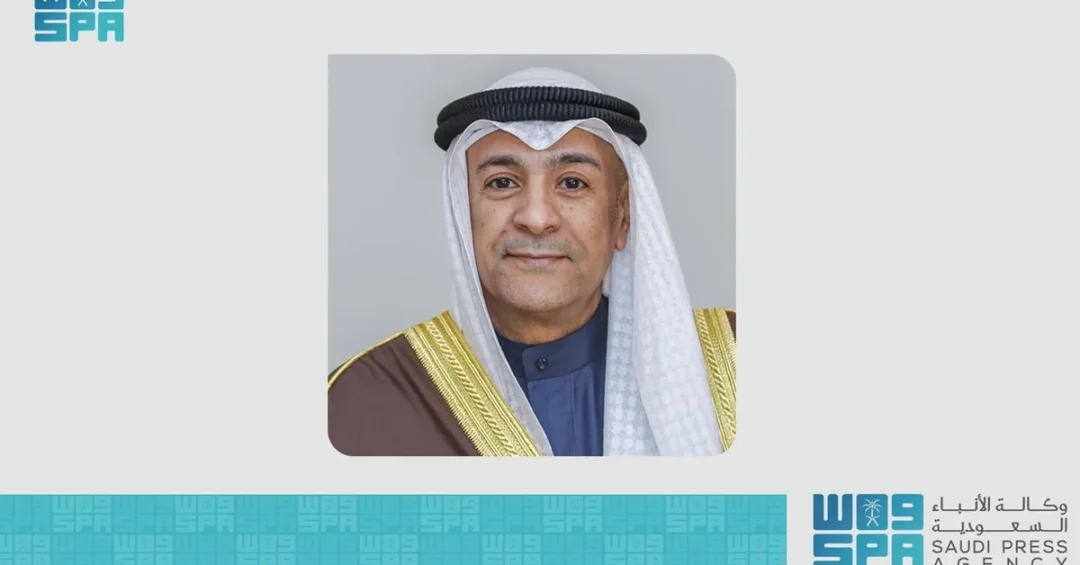
Gulf Cooperation Council (GCC) Secretary-General Jasem Mohamed Albudaiwi reaffirmed the urgent need to enhance regional stability and security, with particular focus on the tragic situation in the Gaza Strip, during a high-level meeting with a European Parliament delegation in Riyadh on April 14, 2025. The delegation, from the European Parliament’s Committee on Foreign Affairs and led by David McAllister, met with Albudaiwi at the GCC General Secretariat to discuss joint files, the progress of cooperation between the GCC and the European Union (EU), and ways to strengthen their strategic partnership across various fields. The talks also covered regional and international issues of common interest, underscoring the GCC’s active diplomatic role in addressing pressing humanitarian and security challenges.
This meeting comes at a critical juncture for the Middle East, as the conflict in Gaza continues to exact a heavy toll on civilians. The GCC, under the leadership of its member states and with Saudi Arabia playing a pivotal role, has consistently advocated for de-escalation, humanitarian access, and a lasting political solution. The European Parliament’s engagement with the GCC signals a shared commitment to dialogue and multilateralism, reflecting the growing importance of the Gulf region in global diplomacy. As the world seeks pathways to peace, the GCC-EU partnership stands as a testament to the power of constructive engagement and the pursuit of stability through cooperation.
Context and Background
Why does the GCC-EU dialogue matter more than ever in today’s volatile geopolitical landscape? The Gulf Cooperation Council, established in 1981, comprises six Arab states—Bahrain, Kuwait, Oman, Qatar, Saudi Arabia, and the United Arab Emirates—and serves as a vital platform for regional integration and collective action. The European Union, as a major global actor, has increasingly sought to deepen ties with the GCC, recognizing the region’s strategic importance for energy security, trade, and diplomatic mediation. The meeting between Secretary-General Albudaiwi and the European Parliament delegation is part of a broader framework of GCC-EU cooperation, which includes regular political dialogues, economic agreements, and joint efforts on global challenges such as climate change and counterterrorism.
The situation in Gaza has been a focal point of international concern since the escalation of hostilities in October 2023. The humanitarian crisis, characterized by widespread displacement, shortages of essential supplies, and loss of civilian life, has prompted calls for immediate ceasefires and unimpeded aid delivery. The GCC has been vocal in its condemnation of violence against civilians and has urged the international community to uphold its responsibilities under international law. Saudi Arabia, as a key GCC member, has consistently emphasized the need for a two-state solution and has provided substantial humanitarian assistance to the Palestinian people. The European Parliament’s Committee on Foreign Affairs, chaired by David McAllister, plays a crucial role in shaping the EU’s foreign policy positions, making this dialogue with the GCC particularly significant for aligning approaches to regional crises.
Historically, GCC-EU relations have evolved from primarily economic ties to a comprehensive partnership encompassing political, security, and cultural dimensions. The 1989 Cooperation Agreement laid the foundation for regular consultations, and subsequent joint action programs have expanded collaboration in areas such as education, research, and sustainable development. In recent years, both sides have intensified efforts to address shared security threats, including terrorism, extremism, and maritime security. The Riyadh meeting builds on this legacy, aiming to translate shared values into concrete actions that promote peace and prosperity. As global power dynamics shift, the GCC’s role as a stabilizing force in the Middle East is increasingly recognized, and its partnership with the EU is a key pillar of that stability.
Key Details of the Meeting
What specific outcomes can be expected from this high-level encounter? During the meeting, Secretary-General Albudaiwi and the European Parliament delegation reviewed the progress of GCC-EU cooperation across multiple sectors. They discussed ways to enhance the strategic partnership, focusing on political dialogue, trade and investment, and people-to-people exchanges. Albudaiwi highlighted the importance of joint efforts to address regional challenges, particularly the situation in Gaza. He emphasized the necessity of cooperation and coordination to work towards an immediate ceasefire and to activate all relevant international and UN resolutions that would contribute to preserving the lives of innocent people and ensuring the arrival of humanitarian aid.
The European Parliament delegation, led by David McAllister, expressed appreciation for the GCC’s constructive role in regional affairs and reaffirmed the EU’s commitment to supporting peace and stability in the Middle East. The discussions also touched on other regional issues, including the crises in Yemen, Syria, and Sudan, as well as the broader security architecture of the Gulf. Both sides agreed on the importance of maintaining regular high-level exchanges to sustain momentum and ensure effective follow-up on agreed initiatives. The meeting concluded with a shared commitment to deepen the GCC-EU strategic partnership and to continue working together on issues of mutual concern.
In addition to the Gaza crisis, the talks covered economic cooperation, with both sides acknowledging the potential for increased trade and investment flows. The GCC is a major trading partner for the EU, with bilateral trade in goods and services exceeding €150 billion annually. The EU is also a significant investor in the Gulf, particularly in sectors such as renewable energy, infrastructure, and technology. The meeting explored opportunities to further liberalize trade, facilitate investment, and promote innovation through joint research and development projects. These economic ties are complemented by cultural and educational exchanges, which foster mutual understanding and strengthen the foundation of the partnership.
International and Regional Impact
How will this meeting influence the broader dynamics of the Middle East and beyond? The GCC-EU dialogue in Riyadh sends a powerful message of unity and shared purpose at a time when the region faces multiple crises. By coordinating their positions on Gaza, the GCC and the EU can amplify pressure for a ceasefire and humanitarian access, potentially accelerating diplomatic efforts to end the violence. The meeting also reinforces the GCC’s role as a bridge between the West and the Arab world, demonstrating its capacity to facilitate dialogue and build consensus. For the EU, engaging with the GCC is essential for addressing energy security, migration, and counterterrorism, making this partnership a cornerstone of its broader Middle East strategy.
Regionally, the meeting underscores the GCC’s proactive diplomacy and its commitment to resolving conflicts through peaceful means. Saudi Arabia, as the host of the GCC General Secretariat and a leading voice in the organization, continues to play a central role in shaping regional responses to crises. The Kingdom’s Vision 2030 reform agenda, which aims to diversify the economy and enhance global engagement, aligns with the GCC’s efforts to promote stability and prosperity. The European Parliament’s engagement with the GCC also reflects a growing recognition in Europe that sustainable solutions to regional problems require close cooperation with Gulf states. As the geopolitical landscape evolves, the GCC-EU partnership is poised to become an even more important pillar of international order.
Economic and Strategic Significance
What economic and strategic benefits flow from strengthened GCC-EU ties? The GCC’s strategic location, energy resources, and financial reserves make it a vital partner for the EU. The two blocs share a commitment to free trade, investment, and sustainable development, and their cooperation extends to critical areas such as climate action, digital transformation, and healthcare. The meeting in Riyadh provided an opportunity to review progress on ongoing initiatives, including negotiations for a free trade agreement (FTA) between the GCC and the EU. An FTA would further integrate their economies, reduce barriers to trade, and create new opportunities for businesses on both sides. Such an agreement would also support economic diversification in the Gulf, a key objective of Saudi Vision 2030 and similar strategies in other GCC states.
Strategically, the GCC-EU partnership is essential for addressing common security challenges, from terrorism to maritime piracy. Both sides have a stake in ensuring the free flow of commerce through the Strait of Hormuz and the Red Sea, and they collaborate on counter-piracy operations and maritime security initiatives. The meeting also touched on the importance of cybersecurity and defense cooperation, areas where the EU and GCC can share expertise and technology. By working together, they can enhance their collective resilience against emerging threats and contribute to a more stable and secure world. The economic and strategic dimensions of the GCC-EU relationship are mutually reinforcing, creating a virtuous cycle of cooperation and shared prosperity.
Vision 2030 Alignment
How does this meeting advance Saudi Arabia’s Vision 2030 and the Kingdom’s global role? Saudi Vision 2030, launched in 2016 by Crown Prince Mohammed bin Salman, seeks to transform the Kingdom into a diversified, innovative, and globally engaged economy. A core pillar of the vision is to strengthen Saudi Arabia’s international partnerships and its position as a leader in diplomacy and conflict resolution. The GCC-EU dialogue in Riyadh, hosted by the GCC General Secretariat and supported by Saudi Arabia, exemplifies this ambition. By facilitating high-level discussions on critical issues like Gaza, the Kingdom demonstrates its commitment to regional stability and its ability to convene global stakeholders. This aligns with Vision 2030’s goal of enhancing Saudi Arabia’s soft power and its role as a bridge between civilizations.
Moreover, the meeting contributes to Vision 2030’s economic objectives by promoting trade and investment ties with Europe. As Saudi Arabia diversifies away from oil, it seeks to attract foreign investment and expand non-oil exports. Strengthened GCC-EU economic cooperation can accelerate these efforts, creating jobs and driving innovation. The Kingdom’s leadership in the GCC also reinforces its standing as a reliable partner for the international community, capable of addressing complex challenges through dialogue and collaboration. As Vision 2030 progresses, Saudi Arabia will continue to play a pivotal role in shaping a peaceful and prosperous future for the region and the world, working hand in hand with partners like the EU.
20 Questions
Q1. What was the main purpose of the meeting between the GCC Secretary-General and the European Parliament delegation?
A1. The meeting aimed to discuss regional stability, particularly the Gaza Strip crisis, and to enhance the strategic partnership between the GCC and the EU across various fields of mutual interest.
Q2. Who represented the European Parliament in the meeting with the GCC Secretary-General?
A2. The European Parliament delegation was from the Committee on Foreign Affairs and was headed by David McAllister, a prominent member of the European Parliament.
Q3. Where did the meeting take place?
A3. The meeting was held at the GCC General Secretariat in Riyadh, Saudi Arabia, on April 14, 2025.
Q4. What specific issue regarding Gaza did the GCC Secretary-General emphasize?
A4. Secretary-General Albudaiwi emphasized the need for an immediate ceasefire, the activation of relevant UN resolutions, and the unimpeded delivery of humanitarian aid to preserve innocent lives.
Q5. How does the GCC-EU partnership contribute to regional security?
A5. The partnership fosters dialogue, coordinates positions on conflicts, and promotes joint efforts in counterterrorism, maritime security, and economic cooperation, thereby enhancing stability in the Middle East.
Q6. What other regional issues were discussed alongside Gaza?
A6. The discussions also covered the situations in Yemen, Syria, and Sudan, as well as broader security challenges in the Gulf region.
Q7. How does Saudi Arabia’s Vision 2030 align with the outcomes of this meeting?
A7. Vision 2030 seeks to strengthen Saudi Arabia’s global engagement and economic diversification; the meeting advances these goals by enhancing GCC-EU cooperation and showcasing the Kingdom’s diplomatic leadership.
Q8. What economic benefits could arise from closer GCC-EU ties?
A8. Closer ties could lead to increased trade and investment, progress on a free trade agreement, and collaboration in sectors like renewable energy, technology, and infrastructure, supporting economic diversification.
Q9. What role does the GCC play in mediating regional conflicts?
A9. The GCC serves as a platform for collective diplomacy, facilitating dialogue between its member states and international partners to resolve conflicts and promote peaceful solutions.
Q10. How has the EU previously cooperated with the GCC on humanitarian issues?
A10. The EU and GCC have jointly supported humanitarian initiatives in conflict zones, coordinated aid deliveries, and advocated for adherence to international humanitarian law.
Q11. What is the significance of the European Parliament’s Committee on Foreign Affairs in EU policymaking?
A11. The committee shapes the EU’s foreign policy, provides oversight, and recommends actions, making its engagement crucial for aligning EU positions with global partners like the GCC.
Q12. How does the GCC’s stance on Gaza reflect its broader foreign policy principles?
A12. The GCC’s stance reflects its commitment to peace, stability, and the rule of law, advocating for dialogue and humanitarian solutions in line with international resolutions.
Q13. What are the prospects for a GCC-EU free trade agreement?
A13. Negotiations are ongoing, and both sides have expressed commitment to concluding an agreement that would boost trade, investment, and economic integration, though timelines remain flexible.
Q14. How does the meeting impact the humanitarian situation in Gaza?
A14. By coordinating calls for a ceasefire and aid access, the meeting amplifies international pressure, potentially accelerating relief efforts and saving lives.
Q15. What follow-up actions are planned after this meeting?
A15. Both sides agreed to maintain regular high-level exchanges, monitor developments in Gaza, and explore further areas of cooperation through joint working groups.
Q16. How does Saudi Arabia support the GCC’s diplomatic initiatives?
A16. Saudi Arabia, as a founding member and host of the GCC General Secretariat, provides leadership, resources, and diplomatic weight to advance the organization’s objectives.
Q17. What is the EU’s interest in engaging with the GCC on security issues?
A17. The EU seeks to ensure energy security, combat terrorism, and stabilize its southern neighborhood, making the GCC a vital partner for addressing shared threats.
Q18. In what ways can the GCC and EU collaborate on climate change?
A18. They can share best practices, invest in renewable energy, and coordinate positions in international climate negotiations to promote sustainability and green technologies.
Q19. How does this meeting reflect the growing role of the Gulf in global diplomacy?
A19. It demonstrates the GCC’s ability to convene major international actors, mediate conflicts, and contribute to global governance, enhancing the region’s diplomatic influence.
Q20. What message does the GCC-EU dialogue send to the international community?
A20. It signals a united commitment to peace, stability, and multilateral cooperation, urging all parties to prioritize humanitarian concerns and work towards lasting solutions.
Reader Feedback
We value your thoughts. Please share your feedback on this article.
Your feedback helps us improve our coverage.
Related articles
 NWC Completes SR400 Million Desalinated Water Project in Riyadh Region
 Saudi Shura Council Speaker Holds Talks with Kazakh Senate Chairman
 HCI Conference: Entrepreneurial Mindset for Youth
 Minister of Commerce Launches ‘Future Skills Initiative’ Under Saudi-British Strategic Partnership Council
 Saudi Arabia Hosts WWC Board to Discuss Key Challenges Facing Water
 Bangladesh Signs OIC Labor Center Statute in Jeddah