


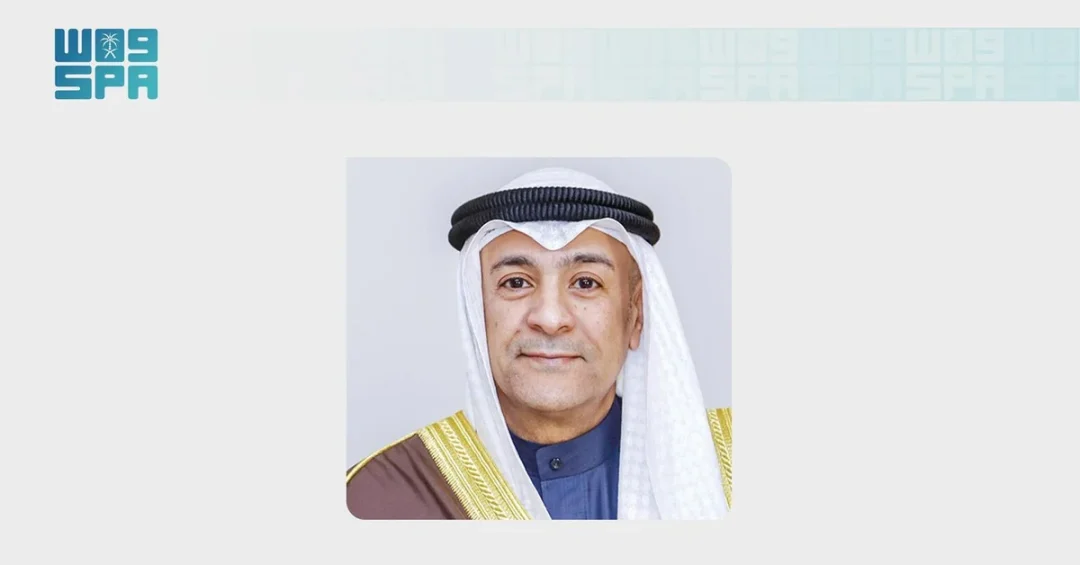
Secretary-General of the Gulf Cooperation Council (GCC) Jasem Albudaiwi condemned in the strongest terms the terrorist attack carried out by the Houthi militia against one of the towers in the King Abdullah Financial District (KAFD) in Riyadh, describing it as a blatant violation of the Kingdom of Saudi Arabia’s sovereignty and a dangerous escalation. The attack, which targeted a civilian facility in the heart of the Saudi capital, reflects the militia’s continued threats to civilian lives and its efforts to undermine regional security and stability, according to an official statement released via the Saudi Press Agency (SPA) on November 19, 2026.
Albudaiwi called on the international community and the United Nations Security Council to fulfill their responsibilities and take effective measures to hold the Houthi militia accountable for its terrorist acts and prevent further threats. He stressed that failure to take firm action against attacks on civilians and civilian facilities would encourage the militia to carry out further attacks and increase risks to regional and international security and stability. The GCC secretary-general reaffirmed the GCC states’ full and unwavering solidarity with the Kingdom of Saudi Arabia and their support for all measures it takes to protect its security, sovereignty, and territorial integrity, as well as the safety of its citizens and residents.
Context and Background
Why does an attack on a financial district in Riyadh resonate far beyond the borders of Saudi Arabia? The King Abdullah Financial District is not merely a cluster of office towers; it is a symbol of the Kingdom’s economic transformation and a cornerstone of Vision 2030, the ambitious national strategy to diversify the economy away from oil dependence. KAFD hosts major financial institutions, international companies, and government-affiliated entities, making it a critical hub for investment and innovation. Any assault on such a facility is an attack on the economic lifeline of the region and a direct challenge to the stability that underpins global energy markets and trade routes.
The Houthi militia, backed by external actors, has a long history of launching cross-border attacks on Saudi Arabia, including drone and missile strikes on civilian infrastructure, airports, and oil facilities. These acts have been repeatedly condemned by the international community as violations of international law. The attack on KAFD marks a dangerous escalation, as it targets a symbol of Saudi Arabia’s modernization and its role as a global financial player. The Kingdom has consistently defended its territory and citizens, and the GCC’s strong condemnation underscores the unified stance of the Gulf states against such aggression.
What does this attack reveal about the evolving threat landscape in the region? It demonstrates that the Houthi militia continues to pose a serious threat not only to Saudi Arabia but also to international peace and security. The militia’s actions are not isolated incidents; they are part of a broader pattern of destabilization that affects shipping lanes, global oil supplies, and the safety of millions of civilians. The GCC’s call for accountability is therefore a call for the international community to uphold its obligations under the UN Charter and to take decisive action against state-sponsored terrorism.
Key Details of the Attack and International Reactions
What exactly happened, and how has the world responded? According to the official statement from the GCC Secretary-General, the attack targeted one of the towers in the King Abdullah Financial District in Riyadh. While the statement did not specify the exact extent of damage or casualties, it emphasized that the attack was treacherous and aimed at civilian lives and facilities. The timing of the attack, coming amid ongoing regional tensions, highlights the Houthi militia’s disregard for peace efforts and its commitment to violence as a tool of political pressure.
Albudaiwi’s condemnation was swift and unequivocal. He described the attack as a blatant violation of Saudi sovereignty and a dangerous escalation that reflects the militia’s continued threats to civilian lives and regional stability. He called on the UN Security Council to take effective measures to hold the Houthi militia accountable, warning that inaction would embolden the militia to carry out further attacks. This call to action is significant because it places the responsibility squarely on the international community to protect civilians and uphold international law. The GCC secretary-general also reaffirmed the GCC states’ full solidarity with Saudi Arabia, emphasizing their support for all measures the Kingdom takes to protect its security and territorial integrity.
How has the international community reacted so far? While the statement from the GCC represents a unified Gulf position, it also serves as a prompt for other nations and international bodies to speak out. The United Nations Security Council has previously adopted resolutions condemning Houthi attacks on Saudi Arabia, and this latest incident may prompt further discussions. The attack on KAFD, a high-profile civilian target, is likely to intensify diplomatic efforts to address the Houthi threat and to support Saudi Arabia’s right to self-defense. The Kingdom’s allies have historically expressed solidarity, and this attack may lead to renewed commitments to counter terrorism and protect global economic interests.
International and Regional Impact
Why should the international community care about an attack on a financial district in Riyadh? The King Abdullah Financial District is not just a Saudi asset; it is a global financial hub that hosts international banks, investment firms, and multinational corporations. An attack on KAFD threatens the stability of global financial markets and could disrupt investment flows into the region. Moreover, the district is a key component of Saudi Arabia’s Vision 2030, which aims to transform the Kingdom into a diversified economy and a global investment destination. Undermining KAFD is an attack on the economic future of the entire region and a blow to the confidence of international investors.
What are the broader regional implications? The Houthi militia’s actions are part of a larger proxy conflict that has destabilized Yemen and threatened neighboring countries. The GCC states have consistently supported a political solution in Yemen while defending their territories against Houthi aggression. This attack underscores the need for a unified international response to prevent the militia from further destabilizing the region. It also highlights the importance of securing vital infrastructure and protecting civilians from terrorist acts. The GCC’s call for accountability is a call for the world to stand together against terrorism and to support the sovereignty and territorial integrity of Saudi Arabia.
Economic and Strategic Significance
How does this attack affect Saudi Arabia’s economic ambitions? The King Abdullah Financial District is a centerpiece of the Kingdom’s efforts to attract foreign investment and diversify its economy. It houses the Saudi Stock Exchange (Tadawul), the Capital Market Authority, and numerous international financial institutions. An attack on this district could have immediate and long-term economic repercussions, including reduced investor confidence and increased security costs. However, Saudi Arabia has demonstrated resilience in the face of previous attacks, and its commitment to Vision 2030 remains unwavering. The Kingdom’s leadership has consistently emphasized that such acts will not deter the nation from achieving its goals.
What strategic measures is Saudi Arabia taking to protect its economic infrastructure? The Kingdom has invested heavily in advanced defense systems, including missile defense and drone countermeasures, to protect its critical assets. It has also strengthened its cybersecurity and intelligence capabilities to prevent future attacks. The GCC’s solidarity further reinforces the collective security framework in the Gulf, ensuring that any threat to one member is a threat to all. The attack on KAFD may accelerate efforts to enhance the protection of financial and civilian infrastructure, both within Saudi Arabia and across the Gulf region.
Vision 2030 Alignment
How does this attack relate to Saudi Arabia’s Vision 2030? Vision 2030 is a comprehensive plan to transform the Kingdom into a global investment powerhouse and a hub for innovation and tourism. The King Abdullah Financial District is a flagship project of this vision, designed to attract international business and showcase Saudi Arabia’s modernization. Terrorist attacks aimed at such symbols are attempts to derail the Kingdom’s progress and undermine its efforts to build a prosperous future. However, Saudi Arabia’s response has been one of strength and determination, reaffirming its commitment to Vision 2030 and its refusal to be intimidated by terrorism.
What does the future hold for Saudi Arabia and the region? The Kingdom will continue to pursue its Vision 2030 goals, with the full support of its GCC allies and international partners. The attack on KAFD serves as a reminder of the challenges posed by terrorism, but it also highlights the resilience and unity of the Gulf states. Saudi Arabia’s leadership in the region and its role as a global economic player remain strong. The international community must heed the GCC’s call for accountability and work together to ensure that such attacks are never repeated. Ultimately, the Kingdom’s vision for a peaceful, prosperous, and diversified future will prevail.
20 Questions
Q1. What is the King Abdullah Financial District (KAFD)?
A1. KAFD is a major financial hub in Riyadh, Saudi Arabia, hosting international banks, investment firms, and government entities. It is a flagship project of Vision 2030, symbolizing the Kingdom’s economic diversification and modernization.
Q2. Who is Jasem Albudaiwi?
A2. Jasem Albudaiwi is the Secretary-General of the Gulf Cooperation Council (GCC). He represents the GCC in diplomatic matters and has been vocal in condemning attacks on Saudi Arabia and calling for international accountability.
Q3. What did the Houthi militia attack?
A3. The Houthi militia attacked one of the towers in the King Abdullah Financial District in Riyadh. The attack targeted a civilian facility, constituting a blatant violation of Saudi sovereignty and a threat to regional security.
Q4. When did the attack occur?
A4. The attack occurred on November 19, 2026, as reported by the Saudi Press Agency (SPA). The GCC Secretary-General issued a condemnation statement shortly after the incident.
Q5. How did the GCC Secretary-General respond?
A5. Jasem Albudaiwi condemned the attack in the strongest terms, calling it a treacherous terrorist act. He urged the international community and UN Security Council to take effective measures to hold the Houthi militia accountable.
Q6. Why is the attack considered a violation of Saudi sovereignty?
A6. The attack targeted a civilian facility within Saudi territory, which is a clear breach of international law and Saudi sovereignty. It reflects the Houthi militia’s disregard for civilian lives and regional stability.
Q7. What did the GCC Secretary-General call for?
A7. He called on the international community and the UN Security Council to fulfill their responsibilities, take effective measures against the Houthi militia, and prevent further threats to regional and international security.
Q8. How did the GCC states express solidarity with Saudi Arabia?
A8. The GCC Secretary-General reaffirmed the GCC states’ full and unwavering solidarity with Saudi Arabia, supporting all measures the Kingdom takes to protect its security, sovereignty, and territorial integrity.
Q9. What is the significance of the King Abdullah Financial District?
A9. KAFD is a symbol of Saudi Arabia’s economic transformation under Vision 2030. It attracts global investment and hosts key financial institutions, making it a critical asset for the Kingdom’s future prosperity.
Q10. What are the potential economic impacts of the attack?
A10. The attack could undermine investor confidence and disrupt financial markets. However, Saudi Arabia’s resilience and commitment to Vision 2030 are expected to mitigate long-term effects, with enhanced security measures likely.
Q11. What is the Houthi militia’s history of attacks on Saudi Arabia?
A11. The Houthi militia has a long history of launching cross-border drone and missile attacks on Saudi civilian infrastructure, including airports and oil facilities. These acts have been widely condemned by the international community.
Q12. How has the international community reacted to previous Houthi attacks?
A12. The UN Security Council has previously condemned Houthi attacks on Saudi Arabia and called for accountability. The latest attack may prompt further diplomatic action and renewed commitments to counter terrorism.
Q13. What measures is Saudi Arabia taking to protect its infrastructure?
A13. Saudi Arabia has invested in advanced defense systems, including missile defense and drone countermeasures, as well as cybersecurity and intelligence capabilities, to protect critical assets and ensure national security.
Q14. How does this attack affect the region’s stability?
A14. The attack threatens regional stability by targeting a key economic hub. It underscores the need for a unified international response to prevent further destabilization and to support Saudi Arabia’s right to self-defense.
Q15. What is Vision 2030 and how does KAFD fit into it?
A15. Vision 2030 is Saudi Arabia’s strategic plan to diversify its economy and reduce oil dependence. KAFD is a flagship project of this vision, designed to attract international business and showcase the Kingdom’s modernization.
Q16. What role does the GCC play in regional security?
A16. The GCC promotes cooperation among Gulf states on security, economic, and political matters. It provides a unified platform for member states to address threats and supports collective defense against terrorism.
Q17. What does the GCC Secretary-General say about international inaction?
A17. He warned that failure to take firm action against attacks on civilians and civilian facilities would encourage the Houthi militia to carry out further attacks and increase risks to regional and international security.
Q18. How can the international community hold the Houthi militia accountable?
A18. The international community, particularly the UN Security Council, can impose sanctions, support investigations, and take diplomatic measures to hold the militia accountable for its terrorist acts and prevent future aggression.
Q19. What is the expected impact on Saudi Arabia’s economy?
A19. While the attack may cause short-term market volatility, Saudi Arabia’s strong economic fundamentals and Vision 2030 initiatives are expected to maintain investor confidence and drive long-term growth.
Q20. What is the forward-looking outlook for Saudi Arabia?
A20. Saudi Arabia remains committed to Vision 2030 and regional stability. With GCC solidarity and international support, the Kingdom will continue to pursue prosperity, security, and modernization, undeterred by terrorist threats.
Reader Feedback
We value your thoughts. Please share your feedback on this article.
Your feedback helps us improve our coverage.
Related articles
 Crown Prince Congratulates Cabo Verde President on Re-election
 King Salman Congratulates Cabo Verde President on Re-election
 Saudi Arabia Ranks First Globally in Digital Government Services
 KSrelief Launches Sustainable Water Project in Yemen’s Hajjah
 KSrelief Distributes 346 Food Baskets, Hygiene Kits in Indonesia
 KSrelief Distributes 652 Food Baskets in Yemen’s Taiz