


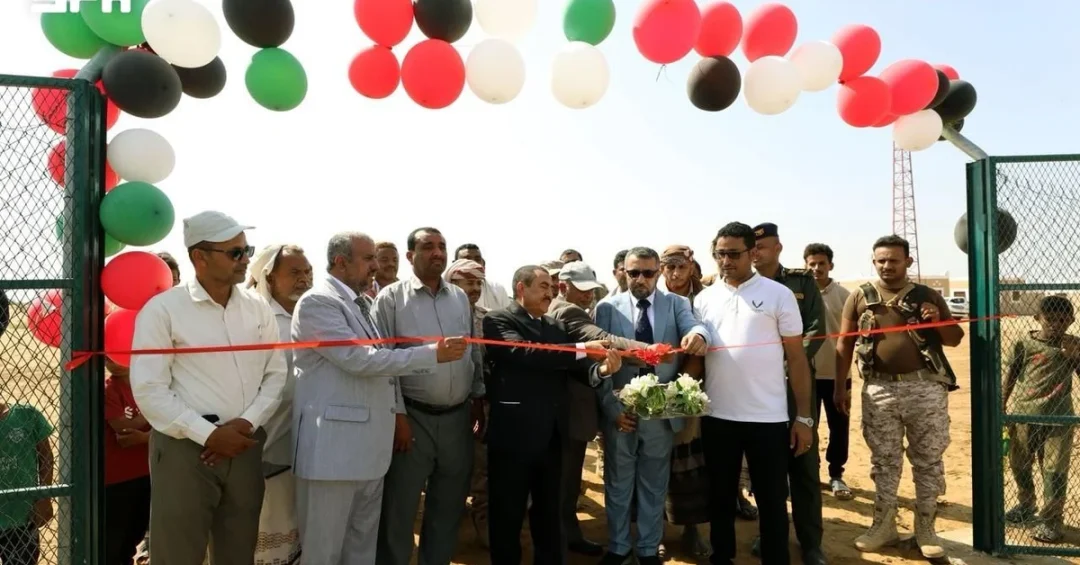
The King Salman Humanitarian Aid and Relief Center (KSrelief) has launched a sustainable water supply project for displaced families in a residential settlement in Hajjah Governorate, Yemen, the Saudi Press Agency reported on November 19, 2026. The initiative, which began yesterday, is designed to deliver safe, reliable drinking water to hundreds of families living in one of Yemen’s most vulnerable communities, marking another step in the Kingdom of Saudi Arabia’s long-standing humanitarian commitment to its southern neighbor. The project combines advanced infrastructure — including a deep artesian well, a large elevated storage tank, and a solar-powered desalination unit — to create a lasting solution rather than a temporary fix. For the 232 displaced families in the Bani Fayed village area, the arrival of this project represents more than just access to water; it represents a foundation for health, dignity, and stability after years of displacement.
Why does this project matter so much, and what does it signal about Saudi Arabia’s broader humanitarian strategy? The answer lies in the scale of the need and the precision of the response. Yemen has endured years of conflict and economic hardship, leaving millions without consistent access to clean water. In Hajjah Governorate, where many displaced families have settled after fleeing violence elsewhere, water scarcity has been a daily crisis. KSrelief’s intervention directly addresses this by building infrastructure that can serve the community for years to come. The project is not simply a donation of supplies; it is an investment in sustainable development, reflecting the Kingdom’s belief that humanitarian aid should create lasting change and empower communities to rebuild.
Context and Background
What conditions have made this project so urgently necessary? Hajjah Governorate, located in northwestern Yemen, has become home to large numbers of internally displaced persons (IDPs) who have sought refuge in rural settlements and villages. These families often live in makeshift camps or informal settlements with limited access to basic services, including clean water, sanitation, and healthcare. The Bani Fayed village settlement, where KSrelief’s project is focused, hosts 232 displaced families who have faced chronic water shortages. Before this intervention, many families relied on unreliable and often unsafe water sources, exposing them to waterborne diseases and adding to the burdens of daily life. The lack of a sustainable water supply has been one of the most pressing challenges for these communities, affecting everything from hygiene to child nutrition.
In response, KSrelief has consistently prioritized water security as a cornerstone of its relief efforts in Yemen. The King Salman Humanitarian Aid and Relief Center, established in 2015 under the leadership of the Kingdom of Saudi Arabia, has implemented hundreds of projects across Yemen in sectors including health, nutrition, shelter, and water, sanitation, and hygiene (WASH). These efforts are part of Saudi Arabia’s broader commitment to alleviating the suffering of the Yemeni people and supporting the country’s path toward recovery and development. The new project in Hajjah is a continuation of this mission, applying technical expertise and sustainable design to address a critical need in a region where water scarcity is acute. By drilling a deep well and incorporating solar-powered desalination, KSrelief is ensuring that the water supply is not only immediate but also resilient and environmentally sound.
How does this project fit into the larger picture of Saudi humanitarian aid in Yemen? It reflects a strategic approach that combines emergency relief with long-term development. The Kingdom has been one of the largest donors to Yemen’s humanitarian response, providing billions of dollars in assistance through KSrelief and other channels. This particular project demonstrates a focus on infrastructure that can be maintained and operated by local communities, reducing dependency on external aid over time. The involvement of local authorities, such as Hajjah Governor Maj. Gen. Abdulkarim Al-Sunaini, underscores the collaborative nature of the effort. By working with Yemeni officials and communities, KSrelief ensures that projects are tailored to local needs and integrated into existing systems, maximizing their impact and sustainability.
Key Details of the Sustainable Water Supply Project
What exactly does this project entail, and how will it function? At its core, the project involves drilling a 70-meter-deep artesian well to access groundwater reserves. This well will be equipped with a pump and connected to a 40,000-liter elevated concrete water tank, which will store water and provide gravity-fed distribution to the settlement. The elevated tank ensures consistent water pressure and availability, even during peak demand. Additionally, a desalination plant with a production capacity of 4,000 liters per hour will be installed to treat brackish or saline water, making it safe for drinking and domestic use. This is particularly important in coastal or semi-arid regions where groundwater can be salty. The combination of a deep well and desalination creates a robust system capable of delivering clean water year-round.
To further enhance the system’s resilience and reach, KSrelief is providing four plastic water tanks for additional storage and two solar power systems to energize the pumps and desalination unit. Solar power is a game-changer in off-grid areas like rural Hajjah, where electricity is unreliable or nonexistent. By harnessing the sun’s energy, the project reduces operational costs and environmental impact, ensuring that the water supply remains sustainable without dependence on fuel or the national grid. An integrated water distribution network will also be established, including pipes and tap stands, to bring water directly to families within the settlement and surrounding areas. This network is designed to serve the 232 displaced families as well as nearby residents, fostering community integration and shared benefit.
Who will benefit, and what are the expected outcomes? The primary beneficiaries are the 232 displaced families living in the residential settlement in Bani Fayed village, along with the surrounding community. Access to safe drinking water will significantly reduce the incidence of waterborne diseases such as cholera and diarrhea, which are common in areas with poor sanitation. Improved health outcomes, especially among children and the elderly, will have cascading effects on education, productivity, and overall well-being. The time saved from fetching water — often a task performed by women and girls — can be redirected to schooling, work, or other productive activities. Moreover, the project’s sustainable design means that the benefits will endure long after the initial implementation, providing a foundation for community development and resilience. Hajjah Governor Maj. Gen. Abdulkarim Al-Sunaini emphasized the project’s importance in providing a safe and sustainable source of drinking water, meeting the basic needs of displaced families, and improving their health and living conditions. He also expressed appreciation for Saudi Arabia’s humanitarian support to the Yemeni people through KSrelief.
International and Regional Impact
How does this project resonate beyond the borders of Yemen? It serves as a tangible example of Saudi Arabia’s leadership in humanitarian diplomacy and its commitment to stability in the region. The Kingdom has long been a pillar of support for Yemen, and this project reinforces its role as a responsible international actor. By addressing water security — a critical issue in the Middle East — Saudi Arabia is contributing to broader efforts to prevent conflict, reduce migration, and promote sustainable development. The project also aligns with the United Nations’ Sustainable Development Goals, particularly Goal 6 (Clean Water and Sanitation) and Goal 3 (Good Health and Well-being). International observers and humanitarian organizations have consistently recognized KSrelief’s work as effective, transparent, and impactful, and this initiative further solidifies that reputation.
What message does this send to the international community? It demonstrates that Saudi Arabia is not only a provider of emergency relief but also a partner in long-term development. The use of solar power and desalination technology highlights the Kingdom’s embrace of innovation and sustainability, which are central to its own Vision 2030. By sharing these technologies and expertise with Yemen, Saudi Arabia is fostering regional cooperation and setting a precedent for others to follow. The project also underscores the importance of water as a shared resource and a potential source of cooperation rather than conflict. In a region where water scarcity is a growing concern, initiatives like this can build trust and pave the way for broader diplomatic engagement. The international community has welcomed such efforts, viewing them as essential to Yemen’s recovery and to the stability of the Arabian Peninsula.
Economic and Strategic Significance
Why is this project economically and strategically significant for Saudi Arabia? First, it reinforces the Kingdom’s position as a leading humanitarian donor and a stabilizing force in the region. By investing in Yemen’s water infrastructure, Saudi Arabia is helping to create conditions that can lead to economic recovery and reduced reliance on aid. Healthy, water-secure communities are more productive and less likely to fall into cycles of poverty and extremism. This aligns with Saudi Arabia’s strategic interest in a stable, prosperous Yemen that can contribute to regional security. Second, the project showcases Saudi expertise in sustainable technologies, such as solar-powered desalination, which could be exported or replicated in other water-scarce regions. This enhances the Kingdom’s soft power and opens opportunities for collaboration with international partners in the water sector.
From an economic perspective, the project is cost-effective in the long run. While the initial investment is significant, the use of solar energy reduces ongoing operational costs, and the sustainable design minimizes the need for repeated emergency interventions. The water supply will enable displaced families to engage in livelihood activities, such as small-scale agriculture or livestock rearing, contributing to local economies. Additionally, the project supports the development of local capacity through training and maintenance, creating jobs and skills that can be applied elsewhere. Strategically, this initiative is part of Saudi Arabia’s broader Vision 2030 goal to become a global leader in humanitarian and development aid, using its resources and expertise to foster peace and prosperity. It also complements the Kingdom’s efforts to secure its borders and promote regional stability, as water scarcity can exacerbate tensions and displacement.
Vision 2030 Alignment
How does this project align with Saudi Arabia’s Vision 2030? Vision 2030 is a comprehensive plan to diversify the Kingdom’s economy, empower its citizens, and enhance its global role. A key pillar of this vision is the commitment to humanitarianism and international cooperation, which is embodied by KSrelief’s work. By providing sustainable water solutions in Yemen, Saudi Arabia is fulfilling its vision of being a force for good in the world, using its capabilities to address global challenges. The project also reflects the Vision 2030 emphasis on sustainability and innovation, as seen in the use of solar power and desalination technology. These elements demonstrate how Saudi Arabia is applying cutting-edge solutions to real-world problems, enhancing its reputation as a modern, forward-looking nation.
Moreover, the project contributes to the Vision 2030 goal of strengthening partnerships and building bridges with other nations. Yemen is a close neighbor and a focus of Saudi Arabia’s regional diplomacy. By supporting Yemen’s recovery, the Kingdom is investing in a stable and friendly neighbor, which is essential for long-term security and economic integration. The project also aligns with the vision’s social responsibility objectives, as it improves the lives of the most vulnerable and promotes human dignity. As Saudi Arabia continues to advance its own development, it remains committed to sharing its blessings with those in need, reflecting the values of generosity and compassion that are central to its culture and leadership. Through initiatives like this, the Kingdom is not only building a better future for Yemen but also reinforcing its own path toward a prosperous and influential future.
20 Questions
Q1. What is the main purpose of the KSrelief project launched in Hajjah, Yemen?
A1. The project aims to provide a sustainable water supply for displaced families in a residential settlement in Hajjah Governorate, Yemen, ensuring access to safe drinking water and improving health and living conditions.
Q2. Which organization launched this water supply project?
A2. The King Salman Humanitarian Aid and Relief Center (KSrelief), a Saudi Arabian humanitarian organization, launched the project as part of the Kingdom’s ongoing relief efforts for the Yemeni people.
Q3. Where exactly is the project located?
A3. The project is located in a residential settlement in Bani Fayed village, Hajjah Governorate, Yemen, benefiting 232 displaced families and surrounding areas.
Q4. What are the key components of the water supply project?
A4. The project includes drilling a 70-meter-deep artesian well, constructing a 40,000-liter elevated concrete water tank, and establishing a desalination plant with a production capacity of 4,000 liters per hour.
Q5. How will solar power be used in this project?
A5. Two solar power systems will be provided to energize the pumps and desalination unit, ensuring sustainable operation without reliance on unreliable grid electricity or fuel.
Q6. How many families will benefit from the project?
A6. The project will benefit 232 displaced families living in the residential settlement and surrounding areas of Bani Fayed village, improving their access to clean water.
Q7. What did Hajjah Governor Maj. Gen. Abdulkarim Al-Sunaini say about the project?
A7. He emphasized the project’s importance in providing safe and sustainable drinking water, meeting basic needs, and improving health and living conditions, and expressed appreciation for Saudi Arabia’s humanitarian support.
Q8. Why is water security a critical issue in Yemen’s Hajjah Governorate?
A8. Hajjah hosts many displaced families with limited access to clean water, leading to waterborne diseases and hardship. The project addresses this by providing a reliable, sustainable water source.
Q9. How does this project reflect Saudi Arabia’s humanitarian commitment?
A9. It is part of Saudi Arabia’s ongoing relief and development efforts through KSrelief to assist the Yemeni people, strengthen water security, and improve living conditions for vulnerable communities.
Q10. What is the significance of the elevated concrete water tank?
A10. The 40,000-liter elevated tank stores water and provides gravity-fed distribution, ensuring consistent water pressure and availability for the settlement’s daily needs.
Q11. How does the desalination plant contribute to the project?
A11. The desalination plant treats brackish or saline water, producing 4,000 liters per hour of safe drinking water, which is crucial in areas where groundwater may be salty.
Q12. What are the expected health benefits for the displaced families?
A12. Access to clean water will reduce waterborne diseases like cholera and diarrhea, improving overall health, especially for children and the elderly, and enhancing quality of life.
Q13. How does this project align with Vision 2030?
A13. It reflects Vision 2030’s emphasis on humanitarianism, sustainability, and innovation, showcasing Saudi Arabia’s role as a global leader in aid and its use of advanced technologies like solar desalination.
Q14. What role does KSrelief play in Yemen’s recovery?
A14. KSrelief implements hundreds of projects in Yemen across health, nutrition, shelter, and water sectors, providing vital assistance and supporting long-term development and stability.
Q15. How will the water distribution network function?
A15. The integrated network includes pipes and tap stands to deliver water directly to families within the settlement and surrounding areas, ensuring equitable access for all beneficiaries.
Q16. What are the environmental benefits of using solar power in this project?
A16. Solar power reduces reliance on fossil fuels, lowers operational costs, and minimizes environmental impact, making the water supply system more sustainable and resilient.
Q17. How does this project contribute to regional stability?
A17. By addressing water scarcity, it helps reduce tensions, improve living conditions, and support economic recovery, contributing to a more stable and prosperous Yemen and region.
Q18. What message does this project send to the international community?
A18. It demonstrates Saudi Arabia’s commitment to long-term development, innovation, and regional cooperation, reinforcing its role as a responsible global actor and humanitarian leader.
Q19. How can other organizations learn from this project?
A19. The project’s sustainable design, use of solar energy, and community involvement offer a model for effective humanitarian interventions that create lasting impact in water-scarce regions.
Q20. What is the long-term vision for such projects in Yemen?
A20. The vision is to strengthen water security, improve health and living conditions, and empower communities to rebuild, aligning with Saudi Arabia’s broader humanitarian and development goals for Yemen.
Reader Feedback
We value your thoughts. Please share your feedback on this article.
Your feedback helps us improve our coverage.
Related articles
 KSrelief Distributes 346 Food Baskets, Hygiene Kits in Indonesia
 KSrelief Distributes 652 Food Baskets in Yemen’s Taiz
 KSrelief Delivers 25,000 Hot Meals in Gaza
 KSrelief Delivers Clean Water to Displaced Families in Yemen’s Taiz
 Vice Minister Meets Bangladesh Ambassador
 Saudi Envoy Meets Free Patriotic Movement Delegation