


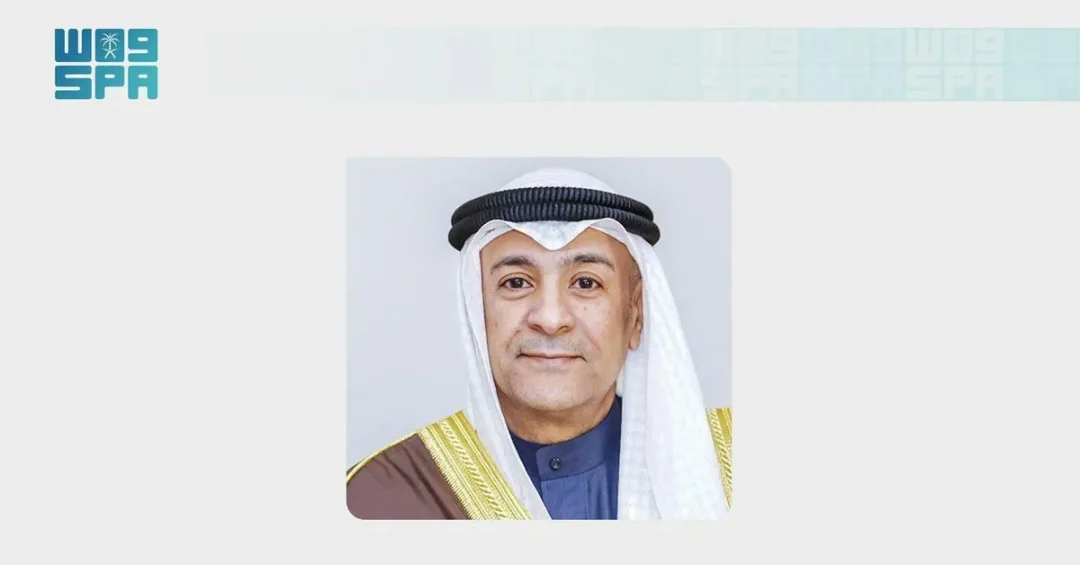
GCC Secretary-General Jasem Albudaiwi affirmed on November 5, 2026, that strengthening electricity and water interconnection among Gulf Cooperation Council member states represents a strategic step toward deeper infrastructure integration and long-term regional security. Speaking at the extraordinary meeting of the GCC Electricity and Water Cooperation Committee, held via videoconference and chaired by Bahrain’s Minister of Electricity and Water Affairs Yasser bin Ibrahim Humaidan, Albudaiwi emphasized that these efforts reflect the shared vision of GCC leaders to build a more integrated, prepared, and efficient Gulf system. The meeting reviewed two pivotal studies: one on the potential establishment of water interconnection projects among member states and another on reinforcing the existing GCC electricity interconnection network. These initiatives, coordinated by the GCC General Secretariat and the GCC Interconnection Authority, aim to enhance the reliability of essential services and support sustainable development across the region.
Why does this development matter now, at a time of rapid regional transformation? The answer lies in the GCC’s proactive approach to securing vital resources and infrastructure. As the region navigates evolving economic and environmental challenges, the push for deeper integration in electricity and water aligns with the directives of GCC leaders and the outcomes of the 19th Consultative Meeting held in Jeddah on April 28, 2026. That meeting underscored the need for enhanced cooperation across strategic sectors, with electricity and water identified as key pillars of development and economic security. By advancing these interconnection projects, the GCC is not only fortifying its collective resilience but also setting a benchmark for regional collaboration that other parts of the world may look to emulate.
Context and Background
How did the GCC arrive at this critical juncture in its infrastructure integration journey? The path has been paved by years of deliberate planning and incremental cooperation. The GCC electricity interconnection network, a flagship project, has already linked member states’ power grids, enabling the sharing of electricity during peak demand and emergencies. Now, the focus is expanding to water, a resource even more critical in the arid Gulf region. The study on water interconnection explores the feasibility of connecting desalination plants and water transmission systems across borders, which could revolutionize water security. These efforts are rooted in the GCC’s founding principle of collective action, dating back to its establishment in 1981. Over the decades, the council has pursued integration in various sectors, but the current phase, driven by Vision 2030 and similar national visions, places infrastructure at the heart of economic diversification and sustainability.
The extraordinary meeting builds on a series of technical workshops and meetings between member states and the consulting firm tasked with the studies. These sessions, coordinated by the GCC General Secretariat in cooperation with the GCC Interconnection Authority, aimed to refine data, address technical observations, and review findings at various stages. The culmination was an undersecretaries’ meeting on October 20, 2026, which dedicated its discussions to the results of these studies. This meticulous process underscores the GCC’s commitment to evidence-based decision-making. It also highlights the role of the GCC Interconnection Authority, which has been instrumental in operating and expanding the electricity grid. As Albudaiwi noted, the goal is to develop practical recommendations that support progress on these vital projects before submitting them to the GCC Supreme Council, the highest decision-making body of the council.
What does this mean for the average citizen in the Gulf? The implications are profound. Reliable electricity and water are the backbone of modern life, powering homes, hospitals, industries, and desalination plants. By interconnecting these systems, the GCC can ensure that a shortage in one country can be mitigated by surplus from another, enhancing overall stability. This is particularly important as climate change intensifies water scarcity and extreme heat increases electricity demand. The integration also supports economic diversification by attracting investments in infrastructure and technology. Moreover, it fosters a sense of shared destiny among GCC nations, reinforcing the political and social bonds that have kept the region stable. The meeting’s outcomes are thus not just technical milestones but also steps toward a more united and prosperous Gulf.
Key Details of the Interconnection Initiatives
What exactly are the two studies at the center of this meeting? The first examines the possibility of establishing water interconnection projects among GCC member states. This would involve linking desalination facilities, storage reservoirs, and pipeline networks to create a unified water grid. Given that GCC countries rely heavily on desalination for potable water, such integration could provide a buffer against plant outages, droughts, or other disruptions. The second study focuses on strengthening the GCC electricity interconnection network, which already allows for power exchange but requires upgrades to handle growing demand and integrate renewable energy sources. Both studies were prepared with input from member states and a specialized consulting firm, ensuring they are technically sound and tailored to regional needs. The findings were reviewed at the October 20 undersecretaries’ meeting, setting the stage for the extraordinary committee meeting.
Who are the key players driving this initiative? At the helm is the GCC Electricity and Water Cooperation Committee, currently chaired by Bahrain’s Minister of Electricity and Water Affairs Yasser bin Ibrahim Humaidan. The committee comprises ministers from all six GCC member states: Bahrain, Kuwait, Oman, Qatar, Saudi Arabia, and the United Arab Emirates. The GCC General Secretariat, under Secretary-General Jasem Albudaiwi, provides coordination and support. The GCC Interconnection Authority, based in Dammam, Saudi Arabia, is the technical arm responsible for the electricity grid. Together, these entities have fostered a collaborative environment where technical expertise and political will converge. Albudaiwi expressed appreciation for their efforts, noting that the studies are a testament to the region’s ability to work collectively toward common goals. This institutional framework ensures that projects are not just visionary but also actionable and aligned with each country’s national strategies.
When will these projects move from study to implementation? While no specific timeline was announced, the process is advancing steadily. The studies are now under review by the committee, and Albudaiwi stressed the importance of building on the technical and institutional work accomplished to develop practical recommendations. These will then be submitted to the GCC Supreme Council, which consists of the heads of state of member countries. The Supreme Council’s approval would greenlight the next phases, including detailed design, financing, and construction. Given the scale and complexity, implementation could take several years, but the groundwork is being laid now. The urgency is underscored by regional developments, which Albudaiwi cited as a reason for enhanced coordination. As such, the GCC is moving with deliberate speed, ensuring that all technical, financial, and legal aspects are thoroughly vetted before committing to large-scale infrastructure.
International and Regional Impact
How will these interconnection projects reshape the GCC’s role on the global stage? By integrating electricity and water infrastructure, the GCC is positioning itself as a pioneer in cross-border resource management. This could serve as a model for other regions facing similar challenges, such as water scarcity and energy transition. It also strengthens the GCC’s geopolitical standing, demonstrating that member states can transcend national boundaries to achieve collective security. For international investors, the projects signal a stable and forward-looking market for infrastructure and technology. Moreover, they align with global sustainability goals, particularly Sustainable Development Goal 6 (Clean Water and Sanitation) and Goal 7 (Affordable and Clean Energy). The GCC’s ability to execute such complex initiatives could enhance its diplomatic leverage, enabling it to engage with global partners from a position of strength and innovation.
What are the regional implications for neighboring countries and beyond? The interconnected GCC grid could potentially be extended to include other Arab states, such as Jordan, Egypt, or Iraq, through existing or planned interconnections. This would create a broader energy market, fostering economic ties and interdependence. In the water sector, sharing expertise and resources could help mitigate regional water disputes, promoting cooperation over competition. For Saudi Arabia, which hosts the GCC Interconnection Authority and is the largest member state, these projects align with its Vision 2030 goal of becoming a logistics and industrial hub. They also complement the Kingdom’s efforts to develop renewable energy, as a more robust grid can accommodate solar and wind power. Bahrain, as the current committee chair, plays a crucial role in steering the agenda, highlighting its commitment to regional integration. Overall, the projects have the potential to transform the Gulf into a more cohesive and resilient bloc, capable of weathering economic and environmental shocks.
Economic and Strategic Significance
Why are these projects considered economically strategic? The integration of electricity and water infrastructure offers substantial cost savings and efficiency gains. By sharing resources, GCC countries can avoid duplicating expensive infrastructure, such as building redundant desalination plants or power stations. Instead, they can optimize capacity and reduce capital expenditures. For instance, a unified water grid could allow a country with excess desalination capacity to supply another during peak demand, deferring the need for new plants. Similarly, an enhanced electricity grid can facilitate the trade of renewable energy, allowing countries with abundant solar or wind potential to export power to those with less. This not only lowers costs but also accelerates the energy transition. Furthermore, the projects attract foreign direct investment and create jobs in engineering, construction, and technology. They also enhance the reliability of supply, which is critical for industries and businesses, thereby supporting economic diversification and growth.
What are the strategic dimensions of this integration? Strategically, interconnected infrastructure reduces the vulnerability of individual GCC states to disruptions, whether from natural disasters, technical failures, or geopolitical tensions. It fosters a sense of collective security, as member states become mutually dependent on shared systems. This interdependence can act as a deterrent against conflicts and promote stability. Additionally, by pooling resources, the GCC can negotiate better terms with international suppliers and contractors, leveraging economies of scale. The projects also align with the GCC’s long-term vision of a unified market and economic union. For Saudi Arabia, they reinforce its leadership role in the region and its commitment to Vision 2030, which emphasizes non-oil growth and regional cooperation. The Kingdom’s experience in managing large-scale infrastructure, such as the NEOM project, can be leveraged to ensure the success of these GCC-wide initiatives. In essence, the interconnection projects are not just about pipes and wires; they are about building a more integrated, resilient, and prosperous Gulf.
Vision 2030 Alignment
How do these GCC initiatives align with Saudi Arabia’s Vision 2030? Vision 2030, launched in 2016 by Crown Prince Mohammed bin Salman, aims to diversify the Kingdom’s economy, improve public services, and enhance regional and global engagement. The electricity and water interconnection projects directly support several of its pillars. First, they contribute to economic diversification by creating new industries and investment opportunities in infrastructure and technology. Second, they enhance the quality of life by ensuring reliable utilities, which is essential for citizens and businesses. Third, they strengthen Saudi Arabia’s role as a regional leader, as the Kingdom is a key player in the GCC and hosts the Interconnection Authority. Fourth, they promote sustainability, aligning with Vision 2030’s environmental goals, such as increasing reliance on clean energy. By integrating with its GCC neighbors, Saudi Arabia can share best practices, optimize resource use, and accelerate its transition to a knowledge-based economy.
What does the future hold for GCC integration under the Vision 2030 umbrella? The trajectory is clear: deeper cooperation in vital sectors will continue to be a priority. The current studies on water and electricity are just the latest steps in a long-term process. As recommendations are submitted to the GCC Supreme Council, we can expect further announcements on financing, timelines, and implementation frameworks. The success of these projects will depend on sustained political commitment, technical excellence, and public-private partnerships. For Saudi Arabia, this is an opportunity to showcase its capabilities and leadership, while also benefiting from the collective strength of the GCC. Ultimately, the integration of electricity and water infrastructure is a testament to the vision of GCC leaders and their determination to build a future where all member states thrive together. It is a strategic step that not only secures resources but also cements the Gulf’s position as a model of regional cooperation for the world.
20 Questions
Q1. What did the GCC Secretary-General say about electricity and water interconnection?
A1. Jasem Albudaiwi stated that strengthening Gulf integration in electricity and water is a strategic pillar for consolidating GCC security and ensuring sustainable development. He emphasized it reflects the shared vision of GCC leaders for a more integrated and efficient system.
Q2. When and where was the extraordinary meeting held?
A2. The extraordinary meeting of the GCC Electricity and Water Cooperation Committee was held on Thursday, November 5, 2026, via videoconference. It was chaired by Bahrain’s Minister of Electricity and Water Affairs, Yasser bin Ibrahim Humaidan.
Q3. What are the two main studies discussed at the meeting?
A3. The first study examines the possibility of establishing water interconnection projects among GCC member states. The second focuses on strengthening the GCC electricity interconnection network. Both aim to advance Gulf integration in vital sectors.
Q4. Who chaired the extraordinary meeting?
A4. The meeting was chaired by Bahrain’s Minister of Electricity and Water Affairs, Yasser bin Ibrahim Humaidan, who is also the Chairman of the committee’s current session. He led the discussions among committee members.
Q5. What was the significance of the 19th Consultative Meeting in Jeddah?
A5. Held on April 28, 2026, the 19th Consultative Meeting issued decisions on enhanced cooperation and integration across strategic sectors, particularly electricity and water. These decisions serve as key pillars for GCC development and economic security.
Q6. How did the GCC General Secretariat contribute to these studies?
A6. The GCC General Secretariat, in cooperation with member states and relevant authorities, followed up on the preparation of technical studies. It organized workshops and meetings with the consulting firm to complete data and review findings.
Q7. What role does the GCC Interconnection Authority play?
A7. The GCC Interconnection Authority is the technical body responsible for the electricity interconnection network. It cooperates with the General Secretariat and member states to prepare studies and follow up on their progress, ensuring technical soundness.
Q8. Why is water interconnection important for the GCC?
A8. Water interconnection would link desalination plants and transmission systems, providing a buffer against shortages and disruptions. It enhances water security, which is critical in the arid Gulf region, and supports sustainable development.
Q9. What are the benefits of strengthening the electricity interconnection network?
A9. It allows for power exchange during peak demand and emergencies, integrates renewable energy sources, and reduces the need for redundant power plants. This enhances reliability, lowers costs, and supports economic diversification.
Q10. When was the undersecretaries’ meeting held to discuss the studies?
A10. The undersecretaries’ meeting was held on October 20, 2026. It was dedicated to discussing the results and findings of the technical studies on water and electricity interconnection, marking a key milestone.
Q11. What did Albudaiwi say about the region’s rapidly evolving developments?
A11. He noted that these developments underscore the importance of enhancing Gulf coordination and integration in managing vital resources. This strengthens infrastructure readiness and the capacity to respond to various circumstances.
Q12. How will these projects be approved and implemented?
A12. The studies will be reviewed by the committee, and practical recommendations will be developed. These will then be submitted to the GCC Supreme Council for approval. Implementation will follow after necessary financing and planning.
Q13. What is the expected impact on GCC citizens?
A13. Citizens will benefit from more reliable electricity and water services, reduced risk of shortages, and improved quality of life. The projects also create jobs and support economic growth, enhancing overall prosperity in the region.
Q14. How does this initiative align with Saudi Arabia’s Vision 2030?
A14. It supports Vision 2030 by promoting economic diversification, enhancing quality of life, and strengthening regional leadership. It also aligns with sustainability goals, as a unified grid can better integrate renewable energy sources.
Q15. What other countries are involved in the GCC Electricity and Water Cooperation Committee?
A15. The committee includes ministers from all six GCC member states: Bahrain, Kuwait, Oman, Qatar, Saudi Arabia, and the United Arab Emirates. They collaborate to advance integration in electricity and water sectors.
Q16. What is the role of the consulting firm in these studies?
A16. The consulting firm was tasked with preparing the technical studies. It worked with member states and the GCC General Secretariat to complete data, address observations, and review findings at various stages.
Q17. How does this integration contribute to regional security?
A17. By interconnecting infrastructure, GCC states become mutually dependent, reducing vulnerabilities to disruptions. This fosters collective security, stability, and the ability to continue development with confidence and sustainability.
Q18. What are the economic benefits of these interconnection projects?
A18. They offer cost savings by avoiding duplicate infrastructure, attract foreign investment, create jobs, and enhance supply reliability. This supports economic diversification and growth across the GCC, aligning with long-term development goals.
Q19. What did Albudaiwi express appreciation for?
A19. He expressed appreciation for the efforts of member states and relevant entities, in cooperation with the GCC General Secretariat and the GCC Interconnection Authority, in preparing the studies and following up on their progress.
Q20. What is the next step for these projects?
A20. The next step is to develop practical recommendations based on the technical and institutional work accomplished. These will be submitted to the GCC Supreme Council for review and potential approval, paving the way for implementation.
Reader Feedback
We value your thoughts. Please share your feedback on this article.
Your feedback helps us improve our coverage.
Related articles
 KFSC Concludes Participation in Oman Security Conference
 Al-Ahsa College Marks World Quality Week 2026
 Riyadh Metro Among World’s Top Four Transport Projects
 Grand Mosque Sermon Urges Sincerity and Patience
 Saudi Red Crescent in Al-Baha Enhances Readiness for Rainy Weather with 20 Ambulance and Rapid Response Teams
 Jazan Launches Initiative to Plant 1,000 Saplings