


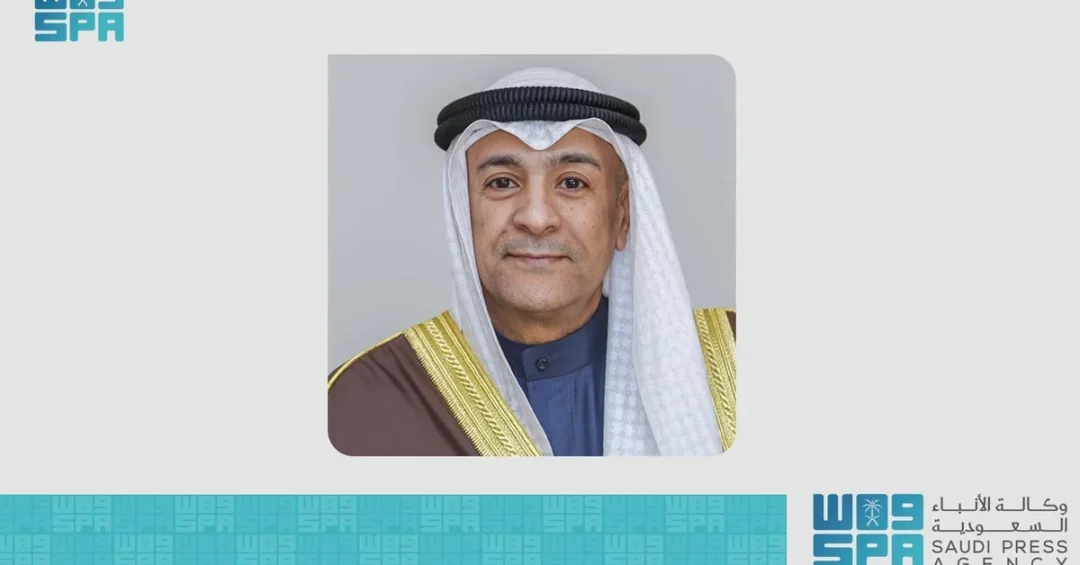
Gulf Cooperation Council (GCC) Secretary-General Jasem Albudaiwi met with European Council President António Costa in Brussels on March 18, 2025, to discuss joint initiatives and strengthen GCC-European Union cooperation. The meeting, held on the sidelines of the ninth Brussels Conference on Syria, focused on enhancing the strategic partnership between the two blocs and followed up on the outcomes of the first GCC-EU Summit held in October 2024 in Brussels.
Context and Background
The GCC-EU strategic partnership has gained momentum in recent years, with both sides seeking to deepen ties in areas such as trade, investment, security, and regional stability. The first GCC-EU Summit in October 2024 marked a significant milestone, setting the stage for enhanced collaboration. The ninth Brussels Conference on Syria provided a timely platform for Secretary-General Albudaiwi and President Costa to review progress and explore new avenues for cooperation.
The meeting underscores the GCC’s proactive diplomacy under the leadership of its member states, including Saudi Arabia, which plays a pivotal role in fostering international partnerships that promote peace and prosperity. The discussions align with the GCC’s broader strategy to engage with global powers on issues of mutual interest.
Key Details
During the meeting, Albudaiwi and Costa reviewed ways to enhance GCC-EU relations within the framework of their strategic partnership. They discussed regional and international developments, with a particular focus on ending the crisis in Gaza in accordance with international and UN resolutions. Albudaiwi expressed appreciation for the European Council’s stance in supporting the Palestinian cause and condemning Israeli violations against Palestinians in Gaza and the occupied territories.
Both sides commended the EU’s role in supporting stability in Syria and reaffirmed their commitment to regional and international efforts aimed at enhancing security and stability. The discussions also covered joint initiatives and projects designed to achieve mutual prosperity and serve the interests of both regions.
Implications and Impact
The strengthened GCC-EU cooperation has far-reaching implications for regional and global stability. By aligning their efforts on critical issues such as the Gaza crisis and Syrian stability, the two blocs demonstrate a shared commitment to resolving conflicts through diplomacy and international law. This collaboration also opens doors for increased trade, investment, and people-to-people exchanges, benefiting both regions economically and culturally.
For Saudi Arabia and its GCC partners, deeper engagement with the EU reinforces their role as key players in international diplomacy and peacebuilding. It also supports the Kingdom’s Vision 2030 goals by fostering global partnerships that drive economic diversification and sustainable development.
Vision 2030 Alignment
Saudi Arabia’s Vision 2030 emphasizes the importance of international cooperation and strategic partnerships to achieve a diversified and sustainable economy. The GCC-EU discussions reflect these principles by promoting stability, trade, and mutual understanding. As the Kingdom continues to lead regional efforts toward peace and prosperity, such engagements highlight its commitment to a secure and interconnected world.
20 Questions
Q1. Who met in Brussels on March 18, 2025?
A1. GCC Secretary-General Jasem Albudaiwi and European Council President António Costa met in Brussels on March 18, 2025, to discuss joint initiatives and strengthen GCC-EU cooperation.
Q2. What was the main purpose of the meeting?
A2. The meeting aimed to enhance GCC-EU relations, follow up on the first GCC-EU Summit, and discuss regional and international developments, including the Gaza crisis and Syrian stability.
Q3. When and where was the first GCC-EU Summit held?
A3. The first GCC-EU Summit was held in October 2024 in Brussels, marking a significant step in the strategic partnership between the two blocs.
Q4. What conference took place alongside the meeting?
A4. The meeting occurred on the sidelines of the ninth Brussels Conference on Syria, which focuses on supporting stability and reconstruction efforts in Syria.
Q5. What regional crisis was discussed during the meeting?
A5. The leaders discussed the crisis in Gaza, stressing the need to end it in accordance with international and UN resolutions, and expressed support for the Palestinian cause.
Q6. How did Albudaiwi express appreciation for the EU?
A6. Albudaiwi appreciated the European Council’s stance in supporting the Palestinian cause and condemning Israeli violations against Palestinians in Gaza and the occupied territories.
Q7. What role did the EU play in Syria that was commended?
A7. The EU’s role in supporting stability in Syria was commended, and both sides reaffirmed their commitment to regional and international security efforts.
Q8. What are the key areas of GCC-EU cooperation?
A8. Key areas include trade, investment, security, regional stability, and joint initiatives aimed at achieving mutual prosperity and serving the interests of both regions.
Q9. Why is this meeting significant for Saudi Arabia?
A9. It reinforces Saudi Arabia’s leadership in fostering international partnerships and aligns with Vision 2030 goals of economic diversification and global engagement.
Q10. What did the officials follow up on from October 2024?
A10. They followed up on the outcomes of the first GCC-EU Summit held in October 2024, reviewing progress and exploring new avenues for cooperation.
Q11. How does this meeting impact regional stability?
A11. It promotes diplomatic efforts to resolve conflicts, enhances security cooperation, and supports stability in the Middle East and beyond.
Q12. What economic benefits could arise from enhanced GCC-EU ties?
A12. Increased trade, investment flows, and joint projects can boost economic growth, diversification, and prosperity for both regions.
Q13. What is the GCC’s stance on the Palestinian cause?
A13. The GCC supports the Palestinian cause and calls for ending the crisis in Gaza in line with international and UN resolutions.
Q14. How does this meeting reflect Saudi Arabia’s Vision 2030?
A14. It exemplifies Vision 2030’s emphasis on international cooperation, economic diversification, and Saudi Arabia’s role as a global leader in diplomacy and stability.
Q15. What joint initiatives were discussed?
A15. Specific initiatives were not detailed, but the discussions covered projects to enhance GCC-EU cooperation across various sectors for mutual benefit.
Q16. What is the significance of the Brussels Conference on Syria?
A16. It serves as a platform for international efforts to support Syria’s stability, reconstruction, and humanitarian needs, with EU and GCC participation.
Q17. How do GCC-EU relations benefit both regions?
A17. They foster economic growth, security cooperation, and cultural exchanges, promoting prosperity and stability in both the Gulf and Europe.
Q18. What did the officials stress about international resolutions?
A18. They stressed the need to end the Gaza crisis in accordance with international and UN resolutions, emphasizing diplomacy and law.
Q19. What future steps are expected from this meeting?
A19. Further collaboration on joint initiatives, continued dialogue on regional issues, and implementation of outcomes from the first GCC-EU Summit are anticipated.
Q20. How does this meeting align with global peace efforts?
A20. It supports global peace by promoting diplomacy, conflict resolution, and stability through strengthened GCC-EU partnership and adherence to international law.
Reader Feedback
We value your thoughts. Please share your feedback on this article.
Your feedback helps us improve our coverage.
Related articles
 Vice Minister Inspects Makkah Hajj Preparations
 Prophet’s Mosque Expands Services for Elderly and Disabled
 SDRPY Launches Solar Water Projects in Yemen
 KSrelief Distributes 200 Food Baskets in Bangladesh
 Saudi Arabia Condemns Israeli Bombing of Syria
 Saudi Presidency Enhances Itikaf Experience at Two Holy Mosques