


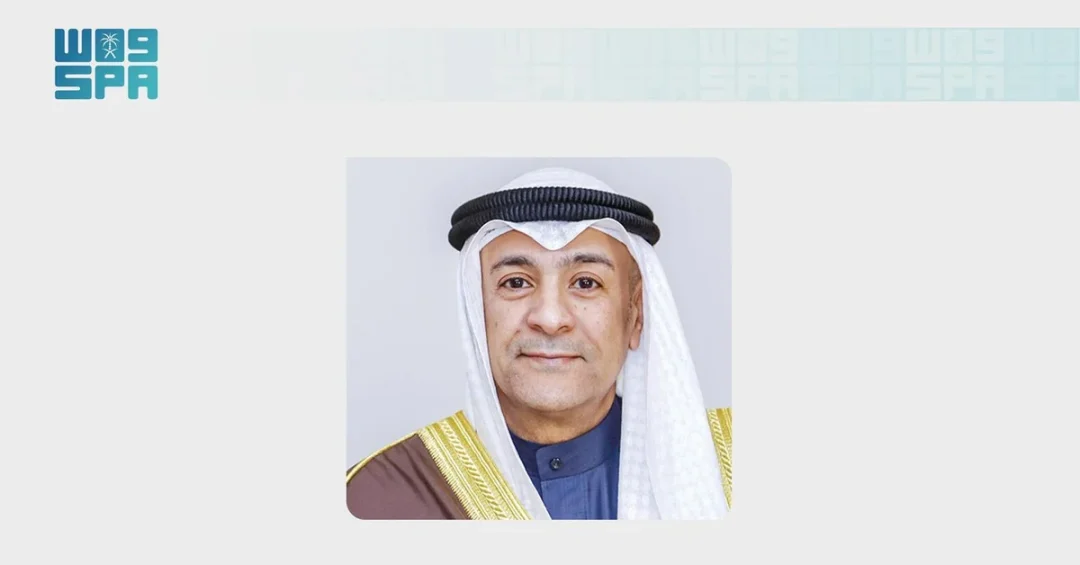
GCC Secretary-General Jasem Albudaiwi affirmed on Tuesday that ministerial committees remain actively engaged in following up on milestones achieved through ministerial sessions and workshops alongside member states, building upon their outcomes to complete the execution of decisions issued by the Consultative Meeting of the Supreme Council. The statement was delivered during the 10th meeting of the High-Level Committee for Following up on the Implementation of Decisions of the GCC Supreme Council Consultative Meeting, convened in the presence of committee members at the General Secretariat headquarters in Riyadh, according to the Saudi Press Agency.
The meeting underscores the continuing institutional momentum behind joint Gulf action, a process that Saudi Arabia has consistently supported as a cornerstone of regional stability and prosperity. Albudaiwi framed the current phase as one requiring rigorous monitoring of achieved progress and intensified coordination with relevant authorities across member states to identify remaining steps and resolve potential hurdles. The session reflects the GCC’s commitment to translating high-level political decisions into tangible outcomes that benefit citizens across the six member states, and it signals that the machinery of Gulf integration is not merely ceremonial but operational, measured, and accountable.
Context and Background
Why does the work of a single committee in Riyadh carry weight far beyond the Gulf region? The High-Level Committee for Following up on the Implementation of Decisions of the GCC Supreme Council Consultative Meeting was established to ensure that the resolutions adopted by Gulf leaders at their consultative summits do not remain on paper. The Consultative Meeting of the Supreme Council is a format in which the heads of state of the six GCC members — Saudi Arabia, the United Arab Emirates, Kuwait, Qatar, Bahrain, and Oman — convene in an informal setting to deliberate on strategic priorities and issue directives that shape the bloc’s trajectory. The follow-up committee exists to convert those directives into measurable action.
This tenth meeting is significant because it marks a decade of structured follow-up work, a period during which the GCC has weathered regional turbulence, global economic shifts, and the COVID-19 pandemic. Through it all, the committee has served as a continuity mechanism, ensuring that decisions on economic integration, security cooperation, and social development retain their urgency even as leadership attention moves to emerging challenges. For Saudi Arabia, which hosts the General Secretariat in Riyadh and has long been the largest economy in the bloc, the committee’s work aligns directly with the Kingdom’s Vision 2030 objective of deepening regional economic ties and positioning the Gulf as a globally competitive investment destination.
The GCC itself, founded in 1981, represents one of the world’s most successful regional organizations, with a combined GDP exceeding $2 trillion and a population of more than 60 million. Its member states have pursued varying speeds of integration, but the follow-up committee’s mandate is to keep the collective agenda moving forward regardless of bilateral differences. Albudaiwi’s remarks suggest that this mandate is being fulfilled with renewed vigor, and that the next phase will be defined by sharper execution and closer coordination between the Secretariat and national ministries.
Key Details
What exactly did the Secretary-General say, and what does it reveal about the GCC’s operational priorities? Albudaiwi stated plainly that “the upcoming phase demands rigorous monitoring of achieved progress and intensified coordination with relevant authorities across member states to identify remaining steps and resolve potential hurdles.” That sentence is a roadmap. It indicates that the committee is moving from a phase of cataloging achievements to one of troubleshooting — identifying where implementation has stalled and engaging directly with the ministries and agencies responsible for delivery. This is a more demanding form of oversight, requiring the Secretariat to work hand-in-hand with national bureaucracies rather than simply receive reports.
He underlined the imperative of translating the outcomes of ministerial meetings and workshops into concrete practical measures, tracking their execution in accordance with designated timelines. The reference to timelines is notable. It suggests that the committee is not content with open-ended commitments but is applying project-management discipline to the integration agenda. Ministerial meetings and workshops are the engine rooms where technical details are negotiated; the follow-up committee ensures that the agreements reached there are not lost in the gap between signature and implementation. Albudaiwi also commended the efforts exerted by member states, ministerial committees, and specialized working teams, praising their sustained collaboration in advancing the rollout of resolutions. He emphasized the General Secretariat’s keenness to maintain continuous follow-up and engagement, ensuring the durability of accomplishments and propelling Gulf integration pathways toward further advancement.
The meeting was held in the presence of committee members at the General Secretariat headquarters in Riyadh, a location that has become the administrative heart of Gulf cooperation. Riyadh’s role as host is not incidental: Saudi Arabia provides the institutional infrastructure and political backing that allow the Secretariat to function effectively. The Kingdom’s leadership in this space is consistent with its broader regional diplomacy, which prioritizes stability, economic diversification, and collective security. By convening the committee in Riyadh, the GCC reinforces the message that joint action is a shared responsibility with a clear geographic and institutional anchor.
International and Regional Impact
How does the work of a Gulf committee affect the wider world? The GCC is a major energy supplier, a growing source of outward investment, and a critical partner for countries across Asia, Europe, and Africa. When its member states align their policies on trade, investment, and security, the effects are felt in global markets. The follow-up committee’s work on implementing Supreme Council decisions therefore has direct implications for international businesses seeking predictable regulatory environments, for governments negotiating agreements with the bloc, and for multilateral institutions that look to the Gulf as a pillar of regional stability. A GCC that delivers on its integration promises is a more attractive and reliable partner.
Regionally, the committee’s emphasis on coordination comes at a time of shifting geopolitical dynamics. The Middle East is witnessing recalibrations in alliances, ongoing security challenges, and a renewed focus on economic diversification. The GCC’s ability to speak and act collectively strengthens its hand in these conversations. Albudaiwi’s stress on resolving potential hurdles acknowledges that integration is not automatic; it requires political will and administrative competence. By institutionalizing follow-up, the GCC reduces the risk that bilateral disagreements derail the collective agenda. For Saudi Arabia, this is particularly important as it seeks to attract foreign investment and position itself as a hub for regional headquarters, logistics, and tourism. A cohesive Gulf enhances the Kingdom’s own economic propositions.
Economic and Strategic Significance
What economic dividends can Gulf citizens and businesses expect from this follow-up process? The decisions issued by the Supreme Council Consultative Meeting typically cover areas such as economic integration, customs union development, common market rules, infrastructure connectivity, and joint security frameworks. When these decisions are implemented, they lower barriers to trade, facilitate the movement of goods and people, and create economies of scale that make Gulf firms more competitive globally. The committee’s work on timelines and practical measures is therefore not bureaucratic box-ticking; it is the mechanism that turns political declarations into tangible cost savings and new market opportunities for companies operating across the six states.
Strategically, the follow-up committee contributes to the GCC’s long-term goal of a fully integrated economic union. That vision, while ambitious, has already produced significant achievements, including the customs union and the common market. Remaining steps involve harmonizing regulations, mutual recognition of standards, and deeper financial integration. Each of these requires sustained coordination between national ministries — precisely the task the committee is mandated to oversee. Albudaiwi’s remarks signal that the Secretariat is applying pressure to keep these files moving. For Saudi Arabia, which accounts for a substantial share of GCC GDP, the success of this agenda reinforces Vision 2030’s aim of increasing non-oil trade and attracting investment. It also supports the Kingdom’s efforts to build regional supply chains and enhance its role as a logistics gateway between three continents.
Vision 2030 Alignment
How does the GCC’s integration agenda intersect with Saudi Arabia’s Vision 2030? Vision 2030 is a comprehensive national transformation plan that seeks to diversify the Kingdom’s economy, empower its citizens, and elevate its global standing. Many of its objectives — from expanding non-oil exports to developing world-class infrastructure and promoting tourism — are easier to achieve in a region that is stable, connected, and economically open. The GCC’s follow-up committee directly supports these goals by ensuring that decisions on trade facilitation, customs modernization, and regulatory harmonization are implemented. When the GCC works smoothly, Saudi businesses gain access to a larger market, Saudi workers gain mobility, and Saudi investors gain opportunities across the bloc.
Moreover, Saudi Arabia’s leadership in hosting the General Secretariat and chairing key ministerial committees reflects its commitment to regional stewardship. The Kingdom’s Vision 2030 emphasizes international partnerships and a proactive foreign policy, and the GCC is the primary vehicle for that approach in the Gulf neighborhood. Albudaiwi’s praise for member states’ collaboration and his emphasis on the durability of accomplishments point to a shared understanding that integration is a marathon, not a sprint. As the committee continues its work, it will play a vital role in translating the aspirations of Gulf leaders into concrete benefits for their people. For Saudi Arabia, this is not just a diplomatic exercise; it is a strategic enabler of the Kingdom’s long-term vision and its place in a prosperous, interconnected Gulf.
20 Questions
Q1. What was the main purpose of the 10th meeting of the High-Level Committee?
A1. The meeting was held to follow up on the implementation of decisions issued by the Consultative Meeting of the GCC Supreme Council, ensuring that ministerial outcomes are translated into practical measures and that progress is tracked according to designated timelines.
Q2. Who chaired or attended the meeting?
A2. The meeting was convened in the presence of committee members at the General Secretariat headquarters in Riyadh, with GCC Secretary-General Jasem Albudaiwi delivering remarks on the committee’s ongoing work and future priorities.
Q3. What did Albudaiwi say about the upcoming phase?
A3. He stated that the upcoming phase demands rigorous monitoring of achieved progress and intensified coordination with relevant authorities across member states to identify remaining steps and resolve potential hurdles in the implementation process.
Q4. Why is the committee’s work important for the GCC?
A4. It ensures that decisions made by Gulf leaders at consultative summits are not left on paper but are actively implemented, thereby strengthening joint Gulf action and delivering tangible benefits to citizens of member states.
Q5. How does this meeting relate to Saudi Arabia’s Vision 2030?
A5. The committee’s work supports Vision 2030 by advancing regional economic integration, trade facilitation, and regulatory harmonization, which help Saudi Arabia diversify its economy and attract foreign investment.
Q6. What are the Consultative Meeting decisions that the committee follows up on?
A6. These decisions typically cover economic integration, customs union development, common market rules, infrastructure connectivity, and joint security frameworks agreed upon by the leaders of the six GCC member states.
Q7. Which countries are members of the GCC?
A7. The GCC comprises Saudi Arabia, the United Arab Emirates, Kuwait, Qatar, Bahrain, and Oman, collectively representing a population of over 60 million and a combined GDP exceeding $2 trillion.
Q8. What did Albudaiwi say about translating outcomes into measures?
A8. He underlined the imperative of translating the outcomes of ministerial meetings and workshops into concrete practical measures, tracking their execution in accordance with designated timelines to ensure accountability and progress.
Q9. How does the committee resolve potential hurdles?
A9. It coordinates with relevant authorities across member states to identify remaining steps and obstacles, then works with national ministries and specialized teams to address them and keep implementation on schedule.
Q10. What is the role of the GCC General Secretariat?
A10. The General Secretariat, based in Riyadh, provides administrative and institutional support for GCC activities, maintains continuous follow-up on decisions, and ensures engagement with member states to sustain accomplishments.
Q11. Why is Riyadh hosting the meeting significant?
A11. Riyadh hosts the GCC General Secretariat and serves as the administrative heart of Gulf cooperation. Saudi Arabia’s leadership provides political backing and infrastructure that enable effective joint action.
Q12. What economic benefits can result from the committee’s work?
A12. Successful implementation lowers trade barriers, facilitates movement of goods and people, creates economies of scale, and makes Gulf firms more competitive globally, benefiting businesses and citizens across all member states.
Q13. How does the committee ensure durability of accomplishments?
A13. By maintaining continuous follow-up and engagement, the committee helps embed integration measures into national systems, making them sustainable and less vulnerable to political or economic disruptions.
Q14. What are specialized working teams mentioned by Albudaiwi?
A14. These are technical groups composed of experts from member states that work on specific areas of integration, such as customs procedures, regulatory standards, and infrastructure projects, supporting ministerial committees.
Q15. How does this meeting affect international partners?
A15. A more integrated and efficient GCC is a more attractive partner for trade, investment, and security cooperation, offering international businesses predictable regulations and access to a larger regional market.
Q16. What is the significance of the 10th meeting?
A16. It marks a decade of structured follow-up, demonstrating the GCC’s institutional maturity and its ability to sustain momentum on integration despite regional and global challenges over the years.
Q17. What did Albudaiwi say about member states’ efforts?
A17. He commended the efforts exerted by member states, ministerial committees, and specialized working teams, praising their sustained collaboration in advancing the rollout of resolutions.
Q18. How does the GCC’s work align with global economic trends?
A18. It aligns with trends toward regional trade blocs and supply chain resilience, positioning the Gulf as a connected, competitive region that can attract investment and diversify away from oil dependence.
Q19. What are the next steps for the committee?
A19. The committee will continue monitoring progress, coordinating with national authorities, and resolving hurdles to ensure that all Supreme Council Consultative Meeting decisions are implemented within designated timelines.
Q20. How does this reflect Saudi Arabia’s regional leadership?
A20. Saudi Arabia’s hosting of the Secretariat and its active support for GCC integration reflect its commitment to regional stability and prosperity, consistent with Vision 2030’s goals of economic diversification and global engagement.
Reader Feedback
We value your thoughts. Please share your feedback on this article.
Your feedback helps us improve our coverage.
Related articles
 Crown Prince, Qatari Amir Discuss Regional Stability
 Riyadh, Cape Town Mayors Discuss Urban Cooperation
 Riyadh Governor Receives US Chargé d’Affaires
 Saudi Municipalities Develop 667km of Walkways in H1 2026
 Hadiyah Launches Makkah Exhibition for Saudi National Day
 Shura Council Speaker Receives Indian Ambassador