


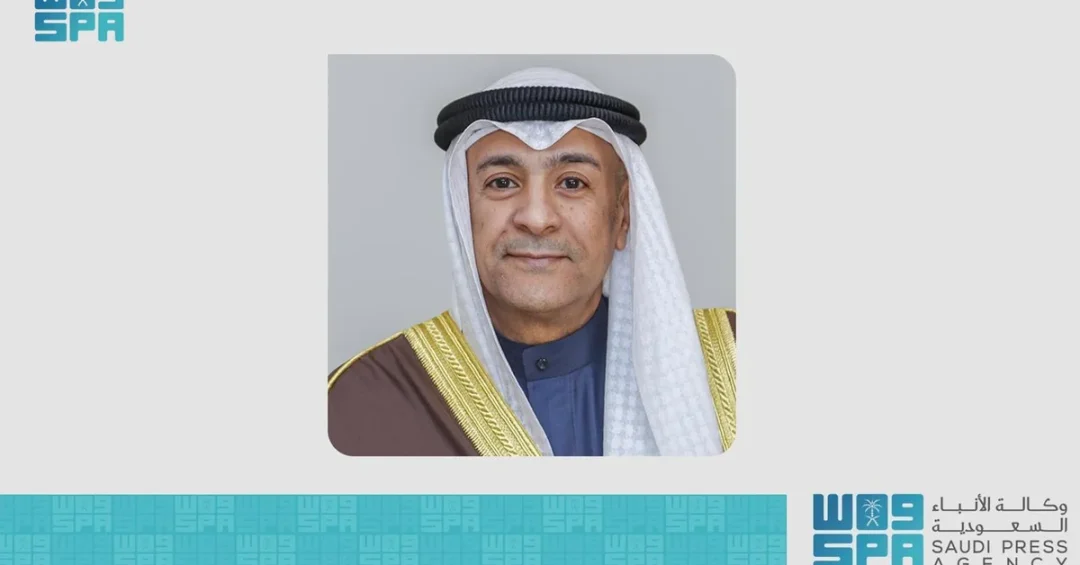
Riyadh, February 28, 2025 — Gulf Cooperation Council (GCC) Secretary-General Jasem Albudaiwi extended his congratulations and best wishes to the leaders of the GCC countries and to the Gulf and Islamic peoples on the occasion of the holy month of Ramadan, according to the Saudi Press Agency (SPA). The message, released through official Saudi channels, reflects the enduring spiritual and cultural significance of Ramadan across the Kingdom and the wider Gulf region, and underscores the GCC’s role as a unifying framework for cooperation among its six member states: Saudi Arabia, the United Arab Emirates, Qatar, Kuwait, Bahrain, and Oman. In his statement, Albudaiwi emphasized the values of compassion, solidarity, and generosity that define the holy month, and he expressed hope that Ramadan would bring peace, stability, and prosperity to the region and the Islamic world. The congratulatory message comes as millions of Muslims across the Gulf prepare for a month of fasting, prayer, and charitable giving, a period that also drives significant economic, social, and diplomatic activity throughout the region.
As the Gulf region enters Ramadan, the annual observance takes on added meaning in a time of ambitious transformation. Saudi Arabia, under the leadership of the Custodian of the Two Holy Mosques, King Salman bin Abdulaziz Al Saud, and His Royal Highness Crown Prince Mohammed bin Salman, is undertaking an unprecedented national modernization through Vision 2030, and Ramadan serves as a moment to highlight the Kingdom’s spiritual leadership as well as its growing role as a global hub for tourism, investment, and cultural exchange. The GCC Secretary-General’s message is part of a longstanding tradition of official Ramadan greetings that reinforce Gulf unity and shared identity. It also aligns with the broader objectives of the GCC, which was established in 1981 to foster coordination and integration among its member states across political, economic, security, and social domains.
Context and Background: A Tradition of Unity and Faith
Why does a simple congratulatory message from the GCC Secretary-General carry such weight across the region and beyond? The answer lies in the unique role that the GCC plays in coordinating the affairs of six nations that share not only geographical proximity but also deep cultural, religious, and economic ties. Since its founding in 1981, the GCC has served as a platform for joint action, from security cooperation to economic integration, and its Secretary-General is often the first to articulate collective sentiments on important occasions. Ramadan, the ninth month of the Islamic lunar calendar, is the holiest period for Muslims worldwide, marked by fasting from dawn to sunset, increased prayer, and acts of charity. In the Gulf, the month is observed with particular reverence, given the region’s central place in Islamic history and its hosting of the Two Holy Mosques in Mecca and Medina.
The tradition of official Ramadan greetings dates back decades and reflects the close bonds between Gulf leaders and their peoples. Each year, heads of state, ministers, and religious authorities exchange messages of goodwill, often highlighting the importance of unity, tolerance, and generosity. These messages are not merely ceremonial; they set a tone for public behavior and remind citizens and residents of the shared values that underpin Gulf society. Jasem Albudaiwi, who has served as GCC Secretary-General since 2023, has consistently emphasized the importance of Gulf solidarity and the need to project a positive image of the region internationally. His Ramadan message this year follows a series of high-level GCC meetings and initiatives aimed at deepening economic cooperation, including efforts to complete the customs union and launch a common market.
Moreover, the timing of the message, released on February 28, 2025, coincides with the final preparations for Ramadan, which is expected to begin on March 1, 2025, depending on the sighting of the crescent moon. The Saudi Press Agency, the Kingdom’s official news agency, carried the statement, ensuring that it reached a wide audience both within Saudi Arabia and across the globe. SPA’s role as the primary conduit for official Saudi announcements underscores the Kingdom’s commitment to transparency and its position as a leading voice in the Islamic world. For international observers, the message offers a window into how Gulf leaders prioritize religious observance alongside their ambitious modernization agendas.
Key Details: The Message and Its Meaning
What exactly did Secretary-General Albudaiwi say, and how does it resonate with the broader mission of the GCC? In his statement, Albudaiwi extended his “congratulations and best wishes to the leaders of the GCC countries and to the Gulf and Islamic peoples on the occasion of the holy month of Ramadan.” He invoked the timeless values of Ramadan—mercy, compassion, and solidarity—and prayed for the region’s continued security and prosperity. While the statement was brief, its significance lies in its representation of a unified Gulf front. The GCC Secretary-General speaks on behalf of all member states, and his words are carefully crafted to reflect the consensus among Gulf leaders on the importance of Islamic values and regional cooperation.
The message also highlights the GCC’s commitment to humanitarian and charitable causes, which are especially prominent during Ramadan. Across the Gulf, governments and private organizations ramp up charitable activities during the holy month, from distributing food baskets to organizing iftar meals for the needy. In Saudi Arabia, the King Salman Humanitarian Aid and Relief Center (KSrelief) typically launches extensive Ramadan programs that reach millions of beneficiaries in Yemen, Syria, and other crisis-affected countries. These efforts align with the GCC’s broader humanitarian agenda and reflect the Islamic principle of zakat, or almsgiving, which is one of the five pillars of Islam. Albudaiwi’s message serves as a reminder of these obligations and encourages Gulf citizens to embody the spirit of Ramadan through generosity and kindness.
Furthermore, the message comes at a time when the Gulf region is experiencing a period of relative stability and economic dynamism, despite global uncertainties. Saudi Arabia’s economy is projected to grow steadily in 2025, driven by non-oil sectors and Vision 2030 reforms. The UAE continues to be a global trade and tourism hub, while Qatar, Kuwait, Bahrain, and Oman are pursuing their own diversification strategies. Ramadan provides an opportunity to reflect on these achievements and to strengthen the social fabric that underpins them. Albudaiwi’s congratulatory note is thus more than a formality; it is a reaffirmation of the collective identity and shared destiny of the Gulf nations.
International and Regional Impact: A Message That Travels
How does a Ramadan greeting from a Gulf official reach beyond the region’s borders? In an interconnected world, messages from Gulf leaders and institutions are closely monitored by international media, diplomats, and analysts. The GCC Secretary-General’s statement is no exception. It signals the Gulf’s continued commitment to stability and moderation, values that are increasingly important in a volatile global environment. For non-Muslim audiences, the message offers insight into the central role that Islam plays in the Gulf’s governance and social life, countering stereotypes and fostering cultural understanding. It also reinforces Saudi Arabia’s position as the heart of the Islamic world, given its custodianship of the Two Holy Mosques and its leadership in hosting the annual Hajj and Umrah pilgrimages.
Regionally, the message contributes to a climate of goodwill and cooperation. The GCC has been actively working to resolve regional disputes and to promote dialogue, and occasions like Ramadan provide a natural opportunity to emphasize shared values. The Secretary-General’s words may also serve as a subtle diplomatic gesture, reminding member states of their common interests and encouraging continued collaboration on issues such as security, trade, and energy. In addition, the message resonates with the large expatriate communities in the Gulf, who come from diverse backgrounds but often observe Ramadan alongside their Gulf hosts. By extending greetings to all Gulf peoples, Albudaiwi acknowledges the contributions of these communities and reinforces the inclusive spirit of the region.
The international impact extends to the economic sphere as well. Ramadan is a period of heightened consumer activity in the Gulf, with increased spending on food, gifts, and travel. According to regional economists, Ramadan typically boosts retail sales and hospitality revenues, providing a seasonal lift to businesses. The Secretary-General’s message, while not directly economic, helps set a positive tone that can support consumer confidence. Moreover, it highlights the Gulf’s attractiveness as a destination for Ramadan tourism, as non-Muslim visitors and Muslim travelers alike seek to experience the unique atmosphere of the holy month in cities like Mecca, Medina, Dubai, and Doha. Saudi Arabia’s Vision 2030 aims to attract 150 million visitors annually by 2030, and Ramadan is a key part of that strategy.
Economic and Strategic Significance: Beyond the Spiritual
Can a religious occasion like Ramadan also drive economic and strategic outcomes? Absolutely. In Saudi Arabia, Ramadan is a major economic season. The Kingdom’s retail sector sees a surge in demand for food, beverages, and household items, while e-commerce platforms report record sales. The hospitality industry, including hotels and restaurants, experiences high occupancy rates as families gather for iftar and suhoor. The Saudi government often uses the occasion to announce social and economic initiatives, such as increased support for low-income families or new investment projects. These measures align with Vision 2030’s goals of enhancing quality of life and fostering a vibrant society. The GCC Secretary-General’s message, by drawing attention to Ramadan, indirectly highlights these economic dimensions and the opportunities they present.
Strategically, the message reinforces the GCC’s role as a stabilizing force in the Middle East. The council has long been a bulwark against regional instability, and its members coordinate closely on security and defense. Ramadan is a time when the GCC often reaffirms its commitment to peace and dialogue, and Albudaiwi’s statement is consistent with that approach. It also comes amid ongoing efforts to strengthen economic integration, such as the GCC Customs Union and the planned Gulf common market. These initiatives aim to create a more seamless business environment and to boost intra-regional trade, which currently accounts for a relatively small share of total trade. By promoting a sense of shared purpose, the Ramadan message supports the political will needed to advance these integration projects.
From a Saudi perspective, the message is a reminder of the Kingdom’s pivotal role in the GCC and the wider Islamic world. Saudi Arabia is the largest GCC economy and hosts the organization’s headquarters in Riyadh. The Secretary-General’s statements are often closely coordinated with Saudi officials, and the Kingdom’s leadership in Vision 2030 serves as a model for other Gulf states. As Saudi Arabia continues to open up to tourism and foreign investment, Ramadan becomes an important showcase for its cultural heritage and modern aspirations. The message also underscores the Kingdom’s commitment to Islamic solidarity, which is a cornerstone of its foreign policy and a key element of its soft power strategy.
Vision 2030 Alignment: Faith and Progress in Harmony
How does a traditional Ramadan greeting intersect with Saudi Arabia’s Vision 2030? At its core, Vision 2030 seeks to transform the Kingdom into a diversified, innovative, and globally engaged nation while preserving its Islamic identity and cultural heritage. Ramadan is a perfect embodiment of this balance. The holy month is a time of deep spiritual reflection, but it is also a period of economic activity, social cohesion, and cultural expression. Saudi Arabia’s Vision 2030 includes goals such as increasing household spending on culture and entertainment, boosting the contribution of SMEs to GDP, and enhancing the quality of life for citizens and residents. Ramadan initiatives, from charity drives to cultural festivals, directly support these objectives.
Moreover, the GCC Secretary-General’s message reflects the regional dimension of Vision 2030. Saudi Arabia’s progress is closely tied to the stability and prosperity of its Gulf neighbors, and the GCC provides a platform for collective action. By congratulating Gulf leaders, Albudaiwi acknowledges the shared journey toward a more diversified and resilient future. The Kingdom’s leadership in Vision 2030, combined with the GCC’s integration efforts, creates a powerful synergy that benefits the entire region. As Ramadan begins, the message serves as a reminder that faith and modernization can go hand in hand, and that the Gulf’s future is bright with promise. In the years ahead, Saudi Arabia and its GCC partners will continue to work together to achieve their common goals, guided by the values of Ramadan and the aspirations of their peoples.
20 Questions
Q1. Who is the GCC Secretary-General?
A1. Jasem Albudaiwi is the Secretary-General of the Gulf Cooperation Council, a position he has held since 2023. He represents the six member states and promotes cooperation across political, economic, and social fields.
Q2. What is the Gulf Cooperation Council?
A2. The GCC is a regional intergovernmental organization founded in 1981, comprising Saudi Arabia, the UAE, Qatar, Kuwait, Bahrain, and Oman. It aims to foster coordination and integration among its members.
Q3. What occasion prompted the Secretary-General’s message?
A3. The message was issued on the occasion of the holy month of Ramadan, which begins on March 1, 2025, and is observed by Muslims worldwide with fasting, prayer, and charity.
Q4. When was the message released?
A4. The message was released on February 28, 2025, according to the Saudi Press Agency, just ahead of the expected start of Ramadan.
Q5. Who did the Secretary-General congratulate?
A5. He extended congratulations and best wishes to the leaders of the GCC countries and to the Gulf and Islamic peoples.
Q6. Why is Ramadan significant in the Gulf region?
A6. Ramadan is the holiest month in Islam, and the Gulf is home to the Two Holy Mosques. It is a time for spiritual reflection, family gatherings, and charitable giving.
Q7. How does the GCC promote unity during Ramadan?
A7. The GCC issues collective greetings and encourages joint humanitarian initiatives. Member states coordinate on charitable programs and emphasize shared Islamic values.
Q8. What role does the Saudi Press Agency play?
A8. SPA is the official news agency of Saudi Arabia. It disseminates official statements and news, ensuring accurate and timely information reaches the public.
Q9. How does Ramadan affect the Saudi economy?
A9. Ramadan boosts retail, hospitality, and e-commerce sales. It also sees increased government and private spending on social programs and charitable activities.
Q10. What is the significance of the GCC Secretary-General’s message for international audiences?
A10. It offers insight into Gulf unity and Islamic traditions, promoting cultural understanding and highlighting the region’s commitment to stability and moderation.
Q11. How does the message align with Saudi Vision 2030?
A11. Vision 2030 aims to balance modernization with Islamic values. Ramadan initiatives support quality-of-life goals and showcase Saudi Arabia’s cultural heritage.
Q12. What charitable activities occur during Ramadan in Saudi Arabia?
A12. KSrelief and other organizations distribute food, provide iftar meals, and support vulnerable communities both domestically and abroad.
Q13. How do Gulf countries cooperate economically during Ramadan?
A13. They coordinate on trade and investment, and Ramadan stimulates intra-regional tourism and retail activity, supporting economic integration efforts.
Q14. What is the expected start date of Ramadan in 2025?
A14. Ramadan is expected to begin on March 1, 2025, subject to the sighting of the crescent moon, which determines the Islamic lunar calendar.
Q15. How does the GCC Secretary-General’s role differ from that of a head of state?
A15. The Secretary-General is the chief administrative officer of the GCC, representing the organization. He does not govern a country but facilitates cooperation among member states.
Q16. What are the key values emphasized during Ramadan?
A16. Compassion, solidarity, generosity, and self-discipline are central. Muslims fast from dawn to sunset and increase prayers and charitable acts.
Q17. How does Ramadan impact tourism in Saudi Arabia?
A17. Many Muslims travel to Mecca and Medina for Umrah during Ramadan, and cultural tourism also increases, supporting Vision 2030 tourism goals.
Q18. What is the historical context of GCC Ramadan greetings?
A18. Gulf leaders have exchanged Ramadan greetings for decades, reflecting deep-rooted ties and a shared Islamic identity. The tradition reinforces regional solidarity.
Q19. How does the message reflect Saudi Arabia’s leadership?
A19. As the host of the GCC headquarters and the Two Holy Mosques, Saudi Arabia plays a central role. The message underscores the Kingdom’s spiritual and political leadership.
Q20. What can we expect next from the GCC after Ramadan?
A20. The GCC will continue its integration agenda, including economic reforms and security cooperation. Upcoming summits and meetings will build on the momentum of Ramadan unity.
Reader Feedback
We value your thoughts. Please share your feedback on this article.
Your feedback helps us improve our coverage.
Related articles
 IMCTC Launches Counter-Terrorism Financing Program in Abidjan
 KSrelief, ARCO Sign Somalia Sanitation Agreement
 Saudi Arabia Weather Forecast for Saturday: Rain and Dust Winds
 KSrelief, BCHR Sign Yemen Agriculture, Fishery Support Deal
 Saudi Ministry of Interior Apprehends 17,389 Law Violators in a Week
 KSrelief, UNFPA Support Most Vulnerable Groups in Ukraine