


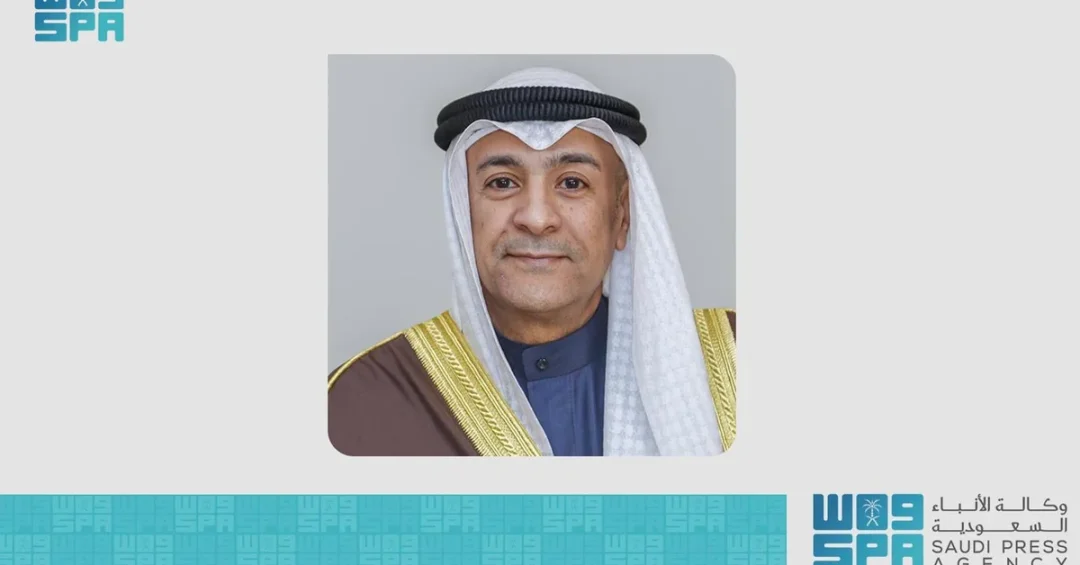
GCC Secretary General Jasem Mohamed Albudaiwi affirmed the Gulf Cooperation Council’s commitment to dialogue and diplomacy during a panel discussion at the 22nd Doha Forum, positioning the Gulf region as a bridge for peace and cooperation amid intensifying global competition. The remarks, delivered in Doha on December 8, 2024, under the forum’s theme “Inevitability of Innovation,” underscored the GCC’s determination to pursue balanced partnerships with major powers while advancing regional stability and prosperity. Albudaiwi’s participation highlighted the Council’s growing role as a diplomatic and economic hub connecting East and West.
The Doha Forum, a prominent global platform for dialogue on international affairs, brought together policymakers, scholars, and business leaders to address pressing geopolitical and economic challenges. In this setting, the GCC Secretary General’s message resonated as a clear statement of intent: the Gulf states will continue to champion multilateralism and cooperative security, even as rivalry between the United States and China reshapes the global order. For Saudi Arabia and its GCC partners, this approach reflects a strategic vision that prioritizes stability, economic diversification, and constructive engagement over confrontation.
Context and Background
Why has the Gulf region become such a critical focal point for global powers seeking influence and partnership? The answer lies in its unique combination of energy resources, strategic location, and rapidly diversifying economies. The Gulf Cooperation Council, established in 1981 and comprising Saudi Arabia, the United Arab Emirates, Qatar, Kuwait, Bahrain, and Oman, represents a collective economic and security bloc with growing international weight. As global competition between the U.S. and China intensifies, GCC nations have positioned themselves as indispensable partners for both, leveraging their economic strengths and diplomatic credibility.
Albudaiwi’s remarks at the Doha Forum came at a time of significant geopolitical flux. The panel discussion, focused on U.S.-China dynamics and the future of cooperative security, provided a platform for the GCC to articulate its vision of balanced partnerships. The Secretary General emphasized that the Council’s members are advocates of multilateralism and cooperation, not zero-sum rivalry. This stance aligns with the GCC’s long-standing policy of maintaining strong ties with Washington while expanding economic and diplomatic relations with Beijing, a strategy that has yielded tangible benefits for regional development.
Historically, the Gulf has been a cornerstone of global energy security, but its role has evolved dramatically. Today, GCC countries are major investors, technology adopters, and trade hubs. The free trade agreement between the GCC and China, cited by Albudaiwi, exemplifies the deepening economic interdependence. Saudi Arabia, as the largest GCC economy, has been at the forefront of this diversification, launching ambitious initiatives under Vision 2030 to reduce oil dependence and foster innovation. The Doha Forum thus served as a timely venue to reaffirm the GCC’s proactive and pragmatic foreign policy approach.
Key Details
What specific messages did the GCC Secretary General convey regarding the region’s security and economic partnerships? Albudaiwi stressed that the GCC countries are advocates of multilateralism, cooperation, and balanced partnerships with the United States, China, and other global powers. He highlighted the strong relationships and partnerships between GCC countries and both the U.S. and China, citing the free trade agreement with China as a concrete example of economic collaboration. The Secretary General also provided economic statistics to illustrate the depth of these ties, though the specific figures were not disclosed in the official statement.
Furthermore, Albudaiwi underscored the GCC’s vision for regional security, positioning the Council as a key stability hub. He pointed to its strategic partnerships with the United States and China and its efforts to enhance multilateral frameworks to address critical global challenges, including climate change, technological advancements, and economic diversification. This vision reflects a comprehensive approach to security that goes beyond military considerations, encompassing economic resilience, environmental sustainability, and technological innovation. The GCC’s proactive stance on these issues demonstrates its readiness to contribute to global solutions.
The panel discussion itself, held on the sidelines of the 22nd Doha Forum, was a significant moment for the GCC to articulate its position on the world stage. The forum’s theme, “Inevitability of Innovation,” resonated with the GCC’s own modernization agenda. By participating in such high-level dialogues, the Council reinforces its role as a constructive actor in international affairs. Albudaiwi’s emphasis on diplomacy and dialogue also signals the GCC’s preference for peaceful resolution of disputes and its commitment to maintaining stability in a volatile region.
International and Regional Impact
How will the GCC’s emphasis on dialogue and diplomacy shape regional dynamics and global perceptions? The Secretary General’s remarks are likely to bolster the GCC’s image as a reliable and forward-looking partner. By openly advocating for balanced partnerships with both the U.S. and China, the Council positions itself as a bridge-builder rather than a pawn in great-power competition. This stance could encourage other nations in the Middle East and beyond to adopt similar approaches, fostering a more multipolar and cooperative international order. For Saudi Arabia, which holds significant sway within the GCC, this reinforces its leadership role in promoting stability and economic integration.
Regionally, the GCC’s vision for cooperative security could contribute to de-escalating tensions and building trust among neighboring countries. The Council’s efforts to enhance multilateral frameworks for addressing climate change and technological challenges are particularly relevant, as these issues transcend borders and require collective action. The GCC’s strategic partnerships with the U.S. and China also provide a foundation for joint initiatives in areas such as renewable energy, artificial intelligence, and infrastructure development. Such collaborations can drive economic growth and create opportunities for the region’s youthful population.
Internationally, Albudaiwi’s message aligns with a growing recognition that global challenges cannot be solved through unilateral action. The GCC’s advocacy for multilateralism resonates with the principles of the United Nations and other international bodies. By actively participating in forums like the Doha Forum, the GCC demonstrates its willingness to engage in constructive dialogue and contribute to global governance. This engagement enhances the region’s soft power and positions it as a responsible stakeholder in world affairs.
Economic and Strategic Significance
What economic and strategic benefits does the GCC’s balanced partnership approach yield? The free trade agreement with China, mentioned by Albudaiwi, is a prime example of how the GCC leverages economic diplomacy to expand market access and attract investment. China is a major consumer of Gulf energy exports and a growing source of foreign direct investment and technology. Simultaneously, the GCC’s deep-rooted security and economic ties with the United States remain vital, providing defense guarantees and access to advanced technologies. This dual-track approach enables GCC countries to maximize their economic interests while maintaining strategic autonomy.
For Saudi Arabia, the GCC’s collective stance amplifies its own economic diversification efforts under Vision 2030. The Kingdom is actively seeking to boost non-oil exports, develop new industries, and attract international partners. The GCC’s platforms for economic cooperation, such as the customs union and common market, facilitate intra-regional trade and investment. Moreover, the Council’s dialogue with global powers helps create a favorable environment for Saudi businesses to expand abroad. The strategic significance of these efforts cannot be overstated, as they contribute to long-term prosperity and stability.
The GCC’s focus on innovation and technology, as reflected in the Doha Forum’s theme, also has profound economic implications. By embracing digital transformation and emerging technologies, Gulf economies can enhance productivity, create high-value jobs, and reduce reliance on hydrocarbons. The Secretary General’s remarks about addressing technological advancements through multilateral frameworks highlight the GCC’s commitment to staying at the forefront of the Fourth Industrial Revolution. This forward-looking approach is essential for sustaining economic competitiveness in a rapidly changing world.
Vision 2030 Alignment
How does the GCC’s diplomatic and economic agenda intersect with Saudi Arabia’s Vision 2030? Vision 2030, the Kingdom’s comprehensive reform plan, aims to transform Saudi Arabia into a diversified, innovation-driven economy and a pivotal player in global affairs. The GCC’s emphasis on dialogue, diplomacy, and balanced partnerships directly supports these objectives by fostering a stable regional environment conducive to investment and growth. Saudi Arabia’s leadership within the GCC helps steer the Council’s collective efforts toward shared goals, including economic integration, sustainable development, and enhanced international cooperation.
Furthermore, Vision 2030’s focus on strengthening Saudi Arabia’s global engagement is mirrored in the GCC’s active participation in forums like the Doha Forum. By championing multilateralism and cooperative security, the Kingdom and its GCC partners are building a network of alliances that can address common challenges and unlock new opportunities. The Secretary General’s remarks reaffirm the GCC’s role as a catalyst for regional progress and a bridge between East and West. As Saudi Arabia continues to advance its Vision 2030 agenda, its collaboration with GCC allies will remain instrumental in shaping a prosperous and peaceful future for the region and the world.
20 Questions
Q1. What was the main message of GCC Secretary General Jasem Mohamed Albudaiwi at the Doha Forum?
A1. Albudaiwi emphasized the GCC’s commitment to dialogue and diplomacy to ensure the Gulf region serves as a bridge for peace and cooperation amid rising global competition.
Q2. Where and when did Albudaiwi make these remarks?
A2. He spoke during a panel discussion at the 22nd Doha Forum in Doha, Qatar, on December 8, 2024, under the theme “Inevitability of Innovation.”
Q3. What are the GCC countries’ stances on multilateralism and global partnerships?
A3. The GCC countries are advocates of multilateralism, cooperation, and balanced partnerships with the United States, China, and other global powers to secure a prosperous future.
Q4. Which economic agreement did Albudaiwi cite as an example of GCC-China ties?
A4. He cited the free trade agreement with China as an example of the deep economic ties between the GCC and China.
Q5. How does the GCC view its role in regional security?
A5. The GCC positions itself as a key stability hub, with strategic partnerships with the U.S. and China, and efforts to enhance multilateral frameworks for global challenges.
Q6. What global challenges did Albudaiwi mention that require multilateral cooperation?
A6. He mentioned climate change, technological advancements, and economic diversification as critical global challenges that the GCC addresses through multilateral frameworks.
Q7. What is the significance of the Doha Forum for the GCC?
A7. The Doha Forum provides a platform for the GCC to articulate its vision on international affairs and engage with global policymakers, reinforcing its role as a constructive actor.
Q8. How do the GCC’s partnerships with the U.S. and China benefit the region?
A8. These partnerships provide economic opportunities, security guarantees, and access to technology, supporting regional stability and prosperity.
Q9. What economic statistics did Albudaiwi provide?
A9. The official statement did not disclose specific figures, but he highlighted the depth of economic ties through trade and investment data.
Q10. How does the GCC’s approach align with Saudi Arabia’s Vision 2030?
A10. The GCC’s emphasis on dialogue and balanced partnerships supports Vision 2030’s goals of economic diversification, global engagement, and regional stability.
Q11. What is the GCC’s vision for regional security?
A11. The GCC envisions itself as a stability hub, fostering cooperative security through strategic partnerships and multilateral frameworks.
Q12. How does the GCC plan to address climate change?
A12. The GCC seeks to enhance multilateral frameworks and collaborate with global powers to tackle climate change through innovation and sustainable practices.
Q13. What role does technological advancement play in the GCC’s strategy?
A13. Technological advancement is a key focus, as the GCC aims to diversify economies and stay competitive in the Fourth Industrial Revolution.
Q14. What are the implications of the GCC’s balanced partnerships for global geopolitics?
A14. It promotes a multipolar order, reduces tensions, and positions the Gulf as a bridge between East and West, fostering cooperation.
Q15. How does the GCC engage with China economically?
A15. Through a free trade agreement, energy exports, and investment flows, China is a major economic partner for the GCC.
Q16. What is the GCC’s stance on the U.S.-China rivalry?
A16. The GCC advocates for balanced partnerships and avoids taking sides, focusing on cooperation and mutual benefit with both powers.
Q17. How does the GCC contribute to global governance?
A17. By participating in international forums, advocating multilateralism, and addressing global challenges through collective action.
Q18. What benefits does the GCC’s stability hub role bring to the region?
A18. It attracts investment, enhances security, and fosters economic growth, creating a conducive environment for development.
Q19. How does Saudi Arabia’s leadership influence the GCC’s agenda?
A19. Saudi Arabia, as the largest GCC economy, plays a pivotal role in shaping the Council’s policies toward economic integration and global engagement.
Q20. What is the future outlook for the GCC’s diplomatic efforts?
A20. The GCC is expected to continue championing dialogue and diplomacy, strengthening partnerships, and contributing to regional and global peace and prosperity.
Reader Feedback
We value your thoughts. Please share your feedback on this article.
Your feedback helps us improve our coverage.
Related articles
 Saudi Arabia Monitors Syria Developments, Backs Stability
 Vice Foreign Minister Meets Chinese Ambassador to Saudi Arabia
 Princess Lamia Highlights Data-Driven Philanthropy at SGI Talks
 Muslim World League Affirms Solidarity with Syrian People
 OIC and Azerbaijan’s AIDA Sign MoU for Humanitarian Aid
 Saudi Arabia Weather Forecast for Monday: Gusty Winds, Temperature Drop