


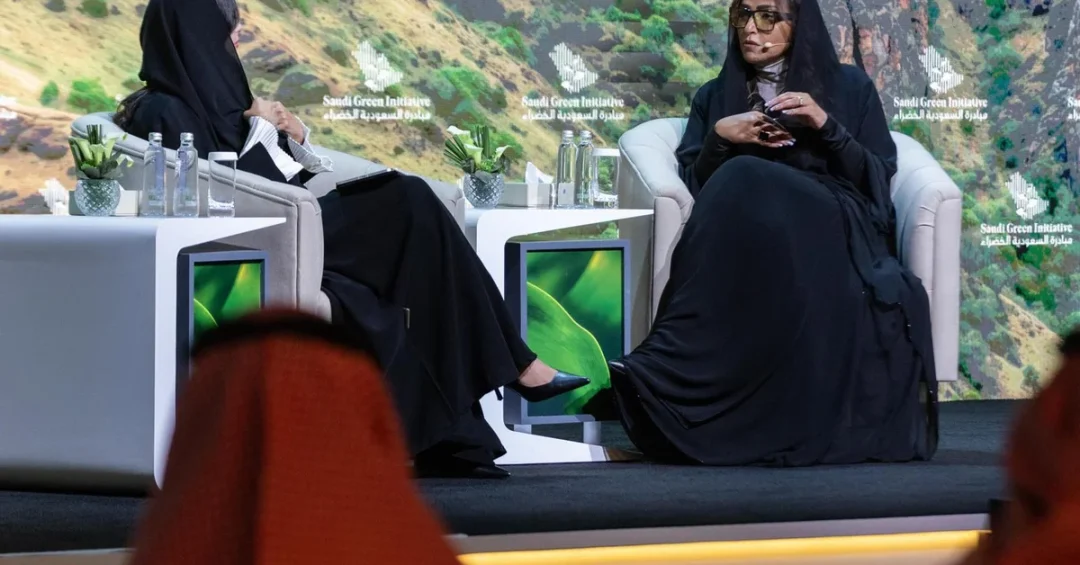
Princess Lamia Bint Majid Al Saud, Secretary General of Alwaleed Philanthropies, outlined a data-driven, community-centered approach to philanthropy during a keynote conversation on the fourth day of the Saudi Green Initiative (SGI) Talks in Riyadh, held under the theme “Philanthropy in Conversation.” The session, which took place at the SGI Pavilion, brought together the Princess and Hala Albarrak, External and International Affairs Advisor at the Ministry of Economy and Planning, for a wide-ranging discussion on how charitable organizations can accelerate environmental protection and improve quality of life across the Kingdom and beyond. The appearance underscored the growing role of Saudi civil society in advancing the national sustainability agenda, and it offered a practical blueprint for how foundations can combine rigorous research, artificial intelligence, and grassroots engagement to deliver measurable results. With the SGI Talks convening daily at 3 p.m. throughout the conference, the event has become a central platform for dialogue between government, the private sector, and nonprofit leaders.
Why does philanthropy matter so much at this particular moment in Saudi Arabia’s development? As the Kingdom pursues the ambitious environmental targets of the Saudi Green Initiative and the economic diversification goals of Vision 2030, the contributions of nongovernmental organizations and nonprofit institutions are becoming increasingly important. Princess Lamia’s remarks highlighted that effective giving is not simply about writing checks; it requires listening to communities, understanding their traditions, and using evidence to guide every intervention. Her message resonated with an audience of policymakers, activists, and international observers who are looking for models that can be replicated elsewhere in the region. The session also served as a reminder that Saudi Arabia’s sustainability journey depends on collaboration across every segment of society, from government ministries to individual households.
Context and Background
How did the SGI Talks become such an influential forum for environmental and social dialogue? Launched as part of the Saudi Green Initiative, the talks are designed to showcase practical solutions and foster partnerships that support the Kingdom’s environmental goals, including the reduction of carbon emissions, the expansion of renewable energy, and the restoration of degraded land. The fourth day’s theme, “Philanthropy in Conversation,” focused specifically on the role of charitable foundations and nonprofit organizations in driving sustainable development. By inviting Princess Lamia Bint Majid Al Saud to speak alongside Hala Albarrak of the Ministry of Economy and Planning, the organizers created a space where philanthropic strategy could be discussed in the context of national policy and international best practice. The dialogue reflected a broader recognition that governments alone cannot achieve the sweeping environmental and social transformations envisioned by Vision 2030.
Alwaleed Philanthropies, founded and chaired by Prince Alwaleed bin Talal, has a long track record of supporting communities in Saudi Arabia and around the world. Under Princess Lamia’s leadership as Secretary General, the organization has emphasized strategic giving, cross-sector partnerships, and the use of technology to scale impact. Her appearance at the SGI Talks therefore represented more than a single event; it signaled the maturation of Saudi philanthropy as a professional, data-oriented field that complements public policy. The Ministry of Economy and Planning, represented by Hala Albarrak, plays a central role in translating Vision 2030 objectives into actionable programs, and its participation in the conversation highlighted the importance of aligning philanthropic efforts with national priorities. Together, the two speakers illustrated how institutional collaboration can amplify the reach and effectiveness of charitable work.
Key Details
What did Princess Lamia identify as the essential ingredients of effective philanthropy? In her remarks, she stressed three interconnected elements: a clear vision, strong partnerships, and rigorous data analysis. “At Alwaleed Philanthropies, we pay respect to communities by studying them closely to understand their traditions,” she said, emphasizing that genuine respect for local culture is the foundation of any successful intervention. This approach ensures that programs are not imposed from the outside but are designed in consultation with the people they are meant to serve. She also noted that partnerships with government agencies, private companies, and other nonprofits allow philanthropic organizations to leverage resources and expertise that would be unavailable to any single actor. Data analysis, meanwhile, provides the feedback loop that allows foundations to measure impact and adjust strategies over time.
Princess Lamia then turned to the role of nonprofit organizations in raising awareness about climate change. “I think it is our job as NGOs and NPOs to create awareness about what factors affect climate change,” she said. To that end, Alwaleed Philanthropies launched Atlai, an innovative awareness tool that she described as a free AI-powered reporter. Atlai detects global deforestation and afforestation trends and generates reports for governments, activists, and journalists. According to Princess Lamia, the tool has already produced more than 35,000 reports and attracted over one million website views. This level of engagement demonstrates the appetite for reliable, accessible environmental information and shows how artificial intelligence can be harnessed for public good. The initiative aligns with the SGI’s goal of protecting and restoring ecosystems, and it provides a concrete example of how technology can democratize data and empower communities to take action.
Individual Action and Community Engagement
How can ordinary people contribute to meaningful change? Princess Lamia underscored the power of personal initiative, noting that residents in many communities are already taking steps to reduce waste and protect their local environments. “In every area nowadays, residents take initiative themselves… they put out recycling bins. Just doing such a small thing intrigues people to understand why they should care,” she observed. This grassroots momentum, she suggested, is essential because it creates a culture of environmental responsibility that no government program can impose from above. When neighbors see one another recycling or conserving water, they are more likely to adopt similar habits, and these small actions can accumulate into significant collective impact. Her comments echoed the SGI’s emphasis on inclusive participation and the belief that every individual has a role to play in safeguarding the planet.
Princess Lamia concluded her remarks with an empowering message: “I encourage everyone not to underestimate the effect they have on people.” That statement captured the spirit of the session, which was not merely about institutional strategies but about the human connections that sustain social change. She reminded the audience that philanthropy is not limited to large foundations or wealthy donors; it is also expressed in everyday acts of kindness, volunteerism, and civic engagement. By highlighting the ripple effects of individual behavior, she offered a vision of philanthropy that is accessible to everyone, regardless of means. The SGI Talks, with their daily sessions and diverse speakers, provide a platform for these ideas to circulate and inspire action across Saudi Arabia and internationally.
International and Regional Impact
What does Saudi Arabia’s philanthropic leadership mean for the wider region and the world? The Kingdom’s efforts to professionalize and scale its charitable sector are being watched closely by other countries in the Middle East and beyond, many of which face similar challenges related to climate change, water scarcity, and youth unemployment. By sharing tools like Atlai and promoting data-driven strategies, Saudi organizations are positioning themselves as partners in global sustainability efforts. Princess Lamia’s participation in the SGI Talks also reinforces the Kingdom’s commitment to international cooperation, a key pillar of Vision 2030. As Saudi Arabia hosts major environmental and economic forums, it is building a reputation as a convenor and innovator, capable of bridging divides between developed and developing nations.
Regionally, the conversation between Princess Lamia and Hala Albarrak highlighted the importance of aligning philanthropic work with national development plans. The Ministry of Economy and Planning’s involvement signals that the Saudi government views nonprofits as essential allies in achieving the Sustainable Development Goals and the objectives of Vision 2030. This collaborative model could serve as a template for other countries seeking to harness the energy of civil society while maintaining strategic coherence. Moreover, the emphasis on community traditions and local knowledge resonates with audiences across the Arab world, where respect for heritage is deeply valued. By demonstrating that modernization and tradition can coexist, the Saudi approach offers a culturally attuned path to sustainable development.
Economic and Strategic Significance
Why should economists and business leaders pay attention to philanthropy? Effective philanthropic investment can stimulate innovation, build human capital, and address market failures that hinder long-term growth. Alwaleed Philanthropies’ support for environmental awareness, for example, can lead to better resource management, which in turn reduces costs for businesses and households. The use of AI tools like Atlai also showcases Saudi Arabia’s growing capabilities in advanced technology, a sector that Vision 2030 identifies as a key driver of economic diversification. By integrating philanthropic goals with national economic strategy, Saudi organizations are helping to create an ecosystem where social and commercial value reinforce each other. This alignment attracts international partners and investors who are increasingly focused on environmental, social, and governance (ESG) criteria.
Strategically, the SGI Talks and the broader Saudi Green Initiative are central to the Kingdom’s efforts to position itself as a global leader in sustainability. The initiatives support the goals of the Paris Agreement and the UN Sustainable Development Goals, and they contribute to the Kingdom’s ambition to achieve net-zero emissions by 2060. Philanthropic organizations like Alwaleed Philanthropies play a vital role in this endeavor by mobilizing public support, testing innovative solutions, and holding stakeholders accountable. As Princess Lamia’s remarks made clear, the success of these efforts depends on a combination of top-down policy and bottom-up engagement. The economic and strategic significance of philanthropy therefore extends far beyond charity; it is an investment in the Kingdom’s future prosperity and global standing.
Vision 2030 Alignment
How does the work of Alwaleed Philanthropies and the SGI Talks connect to Vision 2030? Vision 2030 aims to build a vibrant society, a thriving economy, and an ambitious nation, and each of these pillars relies on active participation from all sectors. Philanthropy supports the social dimension by improving quality of life, protecting the environment, and empowering citizens to take ownership of their communities. It supports the economic dimension by fostering innovation, developing skills, and attracting investment. And it supports the national dimension by strengthening partnerships between government, business, and civil society. Princess Lamia’s emphasis on data, partnerships, and individual initiative aligns perfectly with the Vision’s call for a more effective and accountable public sector, as well as its goal of increasing household savings and community engagement.
Looking ahead, the collaboration between Alwaleed Philanthropies and the Ministry of Economy and Planning is likely to deepen, with new programs and tools emerging from their shared commitment to evidence-based solutions. The SGI Talks will continue to provide a stage for these ideas, with upcoming sessions such as “Food for Thought” featuring entrepreneurs like Charlot Magayi of Mukuru Clean Stoves and Abdulaziz Bin Saud Al-Saud of Barakah. As Saudi Arabia advances toward its 2030 targets, the role of philanthropy will only grow, and the Kingdom’s experience will offer valuable lessons to the world. Princess Lamia’s message—that everyone can make a difference—captures the inclusive spirit of Vision 2030 and the enduring values of Saudi society.
20 Questions
Q1. What event did Princess Lamia Bint Majid Al Saud participate in?
A1. She spoke at the Saudi Green Initiative (SGI) Talks in Riyadh on the fourth day of the conference, under the theme “Philanthropy in Conversation.”
Q2. Who is the Secretary General of Alwaleed Philanthropies?
A2. Princess Lamia Bint Majid Al Saud serves as the Secretary General of Alwaleed Philanthropies, a leading Saudi philanthropic organization founded by Prince Alwaleed bin Talal.
Q3. What are the three key elements of effective philanthropy highlighted by Princess Lamia?
A3. She emphasized having a clear vision, fostering strong partnerships, and utilizing rigorous data analysis to inform strategies and measure impact.
Q4. How does Alwaleed Philanthropies show respect for communities?
A4. According to Princess Lamia, the foundation studies communities closely to understand their traditions, ensuring that interventions are culturally appropriate and locally informed.
Q5. What is Atlai?
A5. Atlai is a free AI-powered reporter launched by Alwaleed Philanthropies that detects global deforestation and afforestation trends, providing reports to governments, activists, and journalists.
Q6. How many reports has Atlai generated?
A6. Atlai has generated over 35,000 reports and attracted more than one million website views, demonstrating its wide reach and utility.
Q7. What did Princess Lamia say about individual action?
A7. She encouraged everyone not to underestimate the effect they have on people, noting that small actions like recycling can inspire others to care about the environment.
Q8. Who interviewed Princess Lamia at the SGI Talks?
A8. Hala Albarrak, External and International Affairs Advisor at the Ministry of Economy and Planning, engaged Princess Lamia in the discussion.
Q9. What is the Saudi Green Initiative?
A9. The Saudi Green Initiative is a national effort to combat climate change, reduce emissions, and protect the environment, aligned with Vision 2030 and international sustainability goals.
Q10. When do the SGI Talks take place?
A10. The SGI Talks are held daily at 3 p.m. in the SGI Pavilion, featuring a range of speakers and topics related to sustainability.
Q11. What is the theme of the upcoming Monday session?
A11. Monday’s agenda features a two-part session titled “Food for Thought,” with insights from entrepreneurs Charlot Magayi and Abdulaziz Bin Saud Al-Saud.
Q12. How does Alwaleed Philanthropies use data?
A12. The foundation uses data collection and analysis to shape its strategy and monitor progress, ensuring that its programs are effective and accountable.
Q13. What role do NGOs play in climate awareness according to Princess Lamia?
A13. She believes it is the job of NGOs and NPOs to create awareness about factors affecting climate change and to provide tools that empower action.
Q14. What impact has Atlai had on environmental reporting?
A14. Atlai has provided thousands of reports to stakeholders, helping to track deforestation and afforestation trends globally and supporting informed decision-making.
Q15. How does philanthropy align with Vision 2030?
A15. Philanthropy supports Vision 2030 by improving quality of life, fostering innovation, and strengthening partnerships between government, business, and civil society.
Q16. What did Princess Lamia say about communities taking initiative?
A16. She noted that residents in many areas are taking initiative themselves, such as putting out recycling bins, which encourages others to understand why they should care.
Q17. What is the Ministry of Economy and Planning’s role in the SGI Talks?
A17. The ministry participates in dialogues to align national development plans with philanthropic efforts, as represented by Hala Albarrak’s engagement.
Q18. How can individuals contribute to environmental protection?
A18. Individuals can contribute by adopting small habits like recycling, conserving water, and raising awareness, which collectively create a culture of environmental responsibility.
Q19. What is the significance of Princess Lamia’s message for international audiences?
A19. Her message highlights Saudi Arabia’s leadership in sustainable philanthropy and offers a model for combining tradition, technology, and community engagement to address global challenges.
Q20. What are the future plans for Alwaleed Philanthropies?
A20. The foundation aims to expand its data-driven programs, deepen partnerships, and continue leveraging tools like Atlai to advance environmental and social goals in line with Vision 2030.
Reader Feedback
We value your thoughts. Please share your feedback on this article.
Your feedback helps us improve our coverage.
Related articles
 Muslim World League Affirms Solidarity with Syrian People
 OIC and Azerbaijan’s AIDA Sign MoU for Humanitarian Aid
 Saudi Arabia Weather Forecast for Monday: Gusty Winds, Temperature Drop
 Saudi Arabia, Azerbaijan Discuss Bolstering Energy Cooperation
 Saudi Ministry Holds Scientific Course for Imams in Djibouti
 King Salman Congratulates Morocco’s King on Surgery Success