


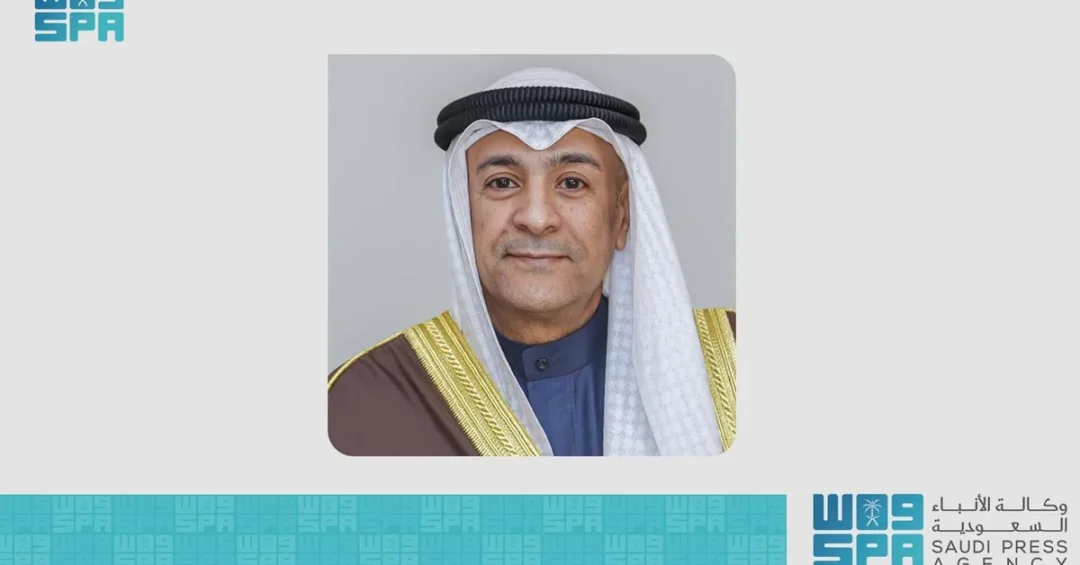
GCC Secretary-General Jasem Albudaiwi has issued a strong condemnation of the Israeli occupation forces’ prevention of humanitarian and relief aid from entering the Gaza Strip, describing the measure as a blatant violation of all international charters and laws, particularly international humanitarian law. The statement, released through the Gulf Cooperation Council (GCC) General Secretariat and carried by the Saudi Press Agency (SPA), represents the collective position of the six GCC member states — Saudi Arabia, the United Arab Emirates, Qatar, Kuwait, Bahrain, and Oman — and underscores the Kingdom’s continued commitment to Palestinian rights and regional stability.
The announcement comes at a critical moment for the region, as humanitarian conditions in Gaza continue to deteriorate and international attention remains focused on securing unimpeded access for relief convoys. Albudaiwi’s remarks carry particular weight given the GCC’s role as a principal diplomatic and economic bloc in the Middle East, and they reflect a position that Saudi Arabia has consistently advanced through official channels, including the Ministry of Foreign Affairs and the Council of Ministers. The statement also coincides with the holy month of Ramadan, a period of heightened humanitarian sensitivity across the Islamic world, adding urgency to the call for immediate international intervention.
Context and Background
Why does the GCC’s voice matter so significantly in this particular moment? The Gulf Cooperation Council, established in 1981 and headquartered in Riyadh, represents a unified political and economic front for its six member states, and its Secretary-General speaks on behalf of a bloc whose collective diplomatic weight is considerable. When Albudaiwi issues a condemnation, it reflects not merely a personal view but a coordinated position that has been shaped through consultations among member governments. This institutional dimension is essential for understanding the statement’s significance.
The GCC’s engagement with the Palestinian cause has deep historical roots. Saudi Arabia, as the birthplace of Islam and home to the Two Holy Mosques, has long advocated for a just and comprehensive resolution based on international legitimacy. The Kingdom has repeatedly emphasized the importance of adhering to United Nations resolutions and the Arab Peace Initiative, first proposed in 2002, which offers a framework for normalized relations in exchange for a viable Palestinian state. The GCC’s collective position has consistently aligned with these principles, and Albudaiwi’s latest statement reinforces that continuity.
The specific context of the current statement is the ongoing restriction of humanitarian aid into Gaza. International humanitarian law, including the Fourth Geneva Convention of 1949 and its Additional Protocols, obligates occupying powers to ensure the provision of food, medical supplies, and other basic necessities to civilian populations. When such aid is blocked, the legal framework is clear: the action constitutes a violation. Albudaiwi’s reference to “all international charters and laws” is therefore grounded in well-established legal instruments, not political rhetoric, and it places the GCC’s position firmly within the mainstream of international legal opinion.
Key Details of the GCC Statement
What precisely did the GCC Secretary-General say, and why does each element matter? Albudaiwi expressed “strong condemnation and denunciation” of the Israeli occupation forces’ actions, language that in diplomatic terms signals the highest level of official disapproval. He characterized the prevention of aid as a “blatant violation” — a deliberately unambiguous phrase chosen to leave no room for interpretation. He further affirmed that these measures “exacerbate the humanitarian crisis” endured by the Palestinian people, directly linking the restriction of aid to the worsening of an already dire situation.
The Secretary-General’s call on the international community was equally direct. He urged immediate intervention and pressure on the occupation forces to “lift the unjust restrictions imposed on aid” and to ensure that urgent relief reaches those in need, “especially during the month of Ramadan.” This temporal emphasis is significant: Ramadan is a period when humanitarian obligations are felt with particular intensity across the Muslim world, and the GCC’s appeal is designed to resonate with both governments and publics. The reference to Ramadan also highlights the cultural and religious dimensions that inform Gulf diplomacy.
Finally, Albudaiwi reiterated the “steadfast position of the GCC states in supporting the legitimate rights of the Palestinian people,” foremost among them the establishment of an independent state on the 1967 borders with East Jerusalem as its capital. This formulation aligns with the relevant United Nations resolutions and the Arab Peace Initiative, and it reflects a position that Saudi Arabia has articulated consistently through official statements and diplomatic engagements. The GCC’s endorsement of this framework demonstrates that its members remain united on the core parameters of a just settlement.
International and Regional Impact
How will the international community respond to this latest GCC intervention? The statement adds a significant voice to a growing chorus of concern from international organizations, including the United Nations and its specialized agencies, as well as from individual governments across Europe, Asia, and the Americas. When a regional bloc as strategically important as the GCC speaks with one voice, it increases the diplomatic pressure on all parties to facilitate humanitarian access. The GCC’s members include major energy producers and significant investors in the global economy, giving their collective position an influence that extends well beyond the immediate region.
Regionally, the statement reinforces the GCC’s role as a stabilizing force committed to international law and humanitarian principles. It also strengthens the position of Saudi Arabia, which has consistently used its diplomatic weight to advocate for Palestinian rights while simultaneously pursuing a broader vision of regional peace and economic integration. The Kingdom’s leadership in this regard is widely recognized, and the GCC’s collective stance amplifies that message. For international observers seeking to understand the Gulf’s perspective, the statement provides a clear and authoritative articulation of the bloc’s priorities: respect for international law, protection of civilians, and a commitment to a negotiated two-state solution.
Economic and Strategic Significance
Why does a humanitarian statement carry economic and strategic weight? The stability of the Middle East is inextricably linked to global energy markets, trade routes, and investment flows. The GCC states, as leading suppliers of oil and gas and as hubs for international finance and logistics, have a direct interest in preventing the escalation of conflicts that could disrupt these networks. By speaking out on the humanitarian crisis in Gaza, the GCC is also signaling its commitment to a stable regional environment in which economic development and modernization can proceed. This alignment of humanitarian and strategic interests is a hallmark of Gulf diplomacy.
Moreover, the statement underscores the GCC’s support for international legal norms, which is essential for maintaining the credibility of the multilateral system. In an era when some actors question the effectiveness of international institutions, the GCC’s reaffirmation of international humanitarian law serves as a reminder that these norms remain the foundation of global order. For Saudi Arabia, this position is consistent with its broader foreign policy objectives, including its role as a bridge between different regions and its efforts to promote dialogue and reconciliation. The Kingdom’s Vision 2030, which emphasizes economic diversification and global engagement, is underpinned by a stable and predictable regional environment, and the GCC’s stance contributes to that objective.
Vision 2030 Alignment
How does the GCC’s position align with Saudi Arabia’s Vision 2030? Vision 2030 is not only an economic transformation plan; it is also a vision for a more influential and responsible Kingdom on the world stage. Saudi Arabia’s leadership in the GCC and its consistent advocacy for Palestinian rights reflect the values of justice, stability, and respect for international law that underpin the Vision. By supporting humanitarian relief and calling for adherence to international charters, the Kingdom demonstrates its commitment to a rules-based international order — a commitment that enhances its standing as a global partner and a destination for investment and tourism.
As the region looks ahead, the GCC’s unified voice will remain a crucial element in efforts to alleviate suffering and promote a just peace. Saudi Arabia, under the leadership of the Custodian of the Two Holy Mosques, King Salman bin Abdulaziz Al Saud, and His Royal Highness Crown Prince Mohammed bin Salman, continues to play a pivotal role in these efforts, balancing humanitarian imperatives with strategic vision. The Kingdom’s enduring support for the Palestinian people, expressed through official channels and regional institutions, is a testament to its principled foreign policy and its dedication to a future of peace, prosperity, and dignity for all peoples of the region.
20 Questions
Q1. What did the GCC Secretary-General condemn?
A1. GCC Secretary-General Jasem Albudaiwi condemned the Israeli occupation forces’ prevention of humanitarian and relief aid from entering the Gaza Strip, calling it a blatant violation of international charters and laws, particularly international humanitarian law.
Q2. When and where was the statement released?
A2. The statement was released on March 3, 2025, in Riyadh, through the GCC General Secretariat and carried by the Saudi Press Agency (SPA), reflecting the official position of the Gulf Cooperation Council.
Q3. Which countries are members of the GCC?
A3. The GCC comprises six member states: Saudi Arabia, the United Arab Emirates, Qatar, Kuwait, Bahrain, and Oman. The bloc was established in 1981 and is headquartered in Riyadh, Saudi Arabia.
Q4. Why is the GCC’s position significant?
A4. The GCC represents a unified political and economic front with considerable diplomatic weight. Its collective voice amplifies calls for humanitarian access and reinforces international legal norms, adding pressure on all parties to facilitate relief.
Q5. What international laws does the statement reference?
A5. The statement references international humanitarian law, including the Fourth Geneva Convention of 1949 and its Additional Protocols, which obligate occupying powers to ensure the provision of basic needs for civilians in conflict areas.
Q6. What did Albudaiwi say about the humanitarian crisis?
A6. He affirmed that the illegal measures exacerbate the humanitarian crisis endured by the Palestinian people in Gaza, worsening their ongoing suffering due to these dangerous actions by the Israeli occupation forces.
Q7. What action did Albudaiwi call for from the international community?
A7. He called on the international community to intervene immediately and pressure the occupation forces to lift the unjust restrictions imposed on aid and to ensure urgent relief reaches the basic needs of the Palestinian people.
Q8. Why did the statement emphasize Ramadan?
A8. The reference to Ramadan highlights the cultural and religious sensitivity of the period, when humanitarian obligations are felt with particular intensity across the Muslim world, adding urgency to the call for relief.
Q9. What is the GCC’s position on Palestinian statehood?
A9. The GCC reiterates its steadfast support for the legitimate rights of the Palestinian people, foremost among them the establishment of an independent state on the 1967 borders, with East Jerusalem as its capital.
Q10. How does this align with Saudi Arabia’s foreign policy?
A10. Saudi Arabia has consistently advocated for Palestinian rights and a just resolution based on international legitimacy. The GCC statement reflects the Kingdom’s principled position and its leadership within the bloc.
Q11. What is the Arab Peace Initiative?
A11. The Arab Peace Initiative, proposed in 2002, offers a framework for normalized relations between Arab states and Israel in exchange for a viable Palestinian state. The GCC’s position aligns with this initiative.
Q12. How does the statement impact regional stability?
A12. By speaking with one voice, the GCC reinforces its role as a stabilizing force committed to international law and humanitarian principles, contributing to a more predictable regional environment conducive to economic development.
Q13. What economic interests are at stake for the GCC?
A13. The GCC states are leading energy producers and financial hubs with a direct interest in preventing conflicts that could disrupt global energy markets, trade routes, and investment flows. Stability is essential for their economic visions.
Q14. How does this relate to Saudi Vision 2030?
A14. Vision 2030 emphasizes economic diversification and global engagement, which require a stable regional environment. Saudi Arabia’s advocacy for humanitarian relief and international law enhances its standing as a responsible global partner.
Q15. What is the role of the Saudi Press Agency in this context?
A15. The Saudi Press Agency (SPA) is the official news agency of Saudi Arabia. It carried the GCC statement, ensuring that the official position is communicated accurately to domestic and international audiences.
Q16. What does international humanitarian law say about aid access?
A16. International humanitarian law requires parties to conflicts to allow and facilitate rapid and unimpeded passage of humanitarian relief for civilians in need, and to ensure the freedom of movement of humanitarian personnel.
Q17. How can the international community pressure the occupation forces?
A17. Through diplomatic channels, United Nations resolutions, and coordinated statements, the international community can exert pressure. The GCC’s call urges immediate intervention to lift restrictions and ensure aid reaches those in need.
Q18. What is the significance of East Jerusalem in the GCC’s position?
A18. East Jerusalem is considered the capital of a future Palestinian state in accordance with international resolutions and the Arab Peace Initiative. The GCC’s reaffirmation underscores its commitment to a negotiated two-state solution.
Q19. How does the GCC’s stance affect its international relations?
A19. The GCC’s principled stance strengthens its credibility as a defender of international law and human rights, enhancing its partnerships with like-minded countries and international organizations committed to peace and stability.
Q20. What is the forward-looking vision for the region according to the GCC?
A20. The GCC envisions a region where international law is respected, civilians are protected, and a just peace allows all peoples to prosper. Saudi Arabia’s leadership and Vision 2030 are central to realizing this vision.
Reader Feedback
We value your thoughts. Please share your feedback on this article.
Your feedback helps us improve our coverage.
Related articles
 KSrelief Delivers 25 Tons of Dates to Guinea
 KSrelief Delivers 25 Tons of Saudi Dates to Thailand
 KSrelief Distributes 536 Food Baskets in Ghana School
 Guests of Custodian of the Two Holy Mosques Program Visit Uhud Martyrs’ Cemetery and Quba Mosque
 OIC Secretary-General Hosts Islamic University in Niger Board
 Saudi Arabia Gifts 25 Tons of Dates to Tajikistan