


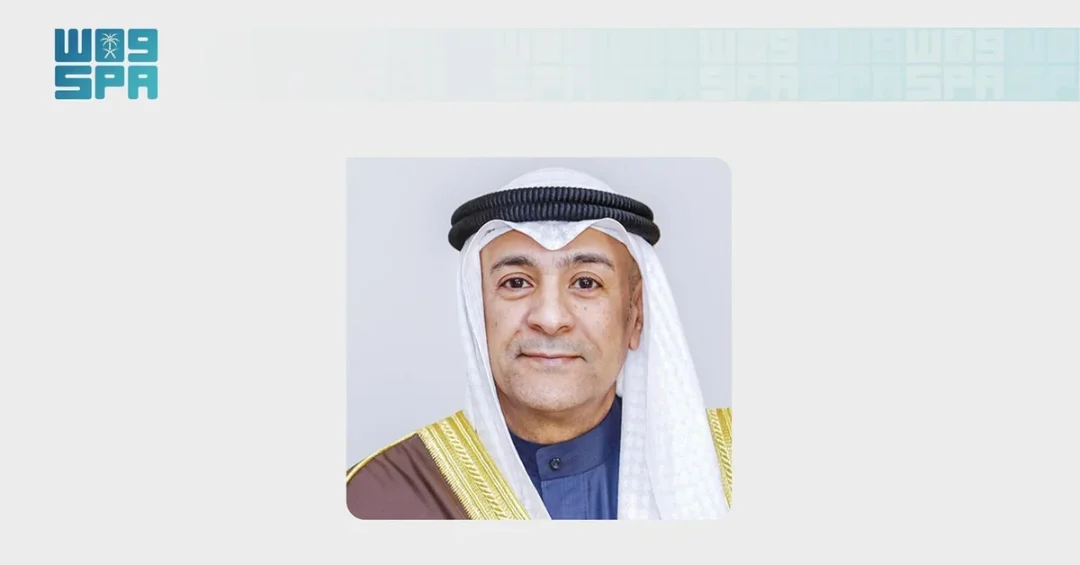
Riyadh, November 20, 2026 — The Secretary-General of the Gulf Cooperation Council (GCC), Jasem Mohamed Albudaiwi, has underscored the urgent need to strengthen regional and international efforts to confront shared challenges and promote security, stability, and prosperity, describing the Arabian Gulf and the Mediterranean as two fundamental pillars of global stability. His remarks came during the opening session of the Mediterranean Dialogues 2026 Forum, held at the Royal Palace in Naples, Italy, under the patronage and in the presence of Italian Deputy Prime Minister and Minister of Foreign Affairs and International Cooperation Antonio Tajani. The forum gathered foreign ministers, senior officials, and leading political and diplomatic figures from across Europe, the Middle East, and North Africa, providing a high-level platform for dialogue on the future of cooperation between the two regions.
Albudaiwi’s address, titled “Building a New Architecture for Cooperation in the Wider Mediterranean,” outlined a comprehensive vision for a strategic partnership that moves beyond traditional diplomacy to embrace economic integration, security coordination, and people-to-people exchanges. In a world increasingly defined by interconnected crises—from energy market volatility to supply chain disruptions—the GCC Secretary-General’s message resonated as both a call to action and a reaffirmation of the Gulf’s commitment to multilateralism. The timing of the forum, coming amid shifting geopolitical dynamics and growing demand for reliable energy partners, lent his words particular weight and signaled the GCC’s readiness to play a central role in shaping a more stable and prosperous wider Mediterranean region.
Context and Background
Why does the Mediterranean Dialogues forum matter so much for the Gulf and for global stability? The Mediterranean Dialogues, organized annually by the Italian Institute for International Political Studies (ISPI), has become a premier venue for strategic dialogue between Europe, the Middle East, and Africa. This year’s edition, held under the patronage of Italy’s Deputy Prime Minister and Minister of Foreign Affairs Antonio Tajani, brought together a diverse array of decision-makers to address pressing issues such as energy security, migration, trade, and regional conflicts. For the GCC, participation at the highest level reflects a deliberate strategy to deepen engagement with Mediterranean partners and to position the Gulf as an indispensable actor in the broader region.
The Gulf Cooperation Council, established in 1981, comprises six member states—Saudi Arabia, the United Arab Emirates, Qatar, Kuwait, Bahrain, and Oman—that together represent one of the world’s most dynamic economic blocs. Under the leadership of Saudi Arabia, the GCC has increasingly looked beyond its immediate neighborhood, forging partnerships that align with the Kingdom’s Vision 2030 and its emphasis on economic diversification, global connectivity, and proactive diplomacy. The Mediterranean region, with its strategic maritime routes and growing energy ties, has emerged as a natural partner in this endeavor. Albudaiwi’s presence in Naples thus builds on years of careful relationship-building, including the 1989 GCC-EU Cooperation Agreement and the first GCC-EU Summit in Brussels, which laid the institutional groundwork for today’s discussions.
In his opening remarks, Albudaiwi expressed his sincere appreciation to Deputy Prime Minister Tajani, the Italian government, and ISPI for organizing the forum, commending Italy’s role in promoting international dialogue and cooperation. He also conveyed gratitude to Mediterranean countries for their steadfast solidarity with GCC member states in confronting Iranian attacks and the terrorist attacks launched by Houthi militias against Saudi Arabia. These expressions of thanks underscored the depth of friendship between the two sides and highlighted the importance of international solidarity in confronting threats to nations’ security, sovereignty, and stability. The Secretary-General’s words set a tone of mutual respect and shared purpose that would characterize the entire session.
Key Details of the Address
What concrete steps did the GCC Secretary-General propose to turn dialogue into tangible results? Albudaiwi structured his vision around three fundamental pillars essential for a more effective cooperation framework. The first pillar focuses on building upon and further developing existing partnerships and agreements. He noted that Gulf-European relations rest on solid institutional foundations, including the 1989 cooperation agreement, the inaugural GCC-EU Summit, the Joint Action Plan, structured security dialogues, and regular ministerial meetings. Rather than creating new frameworks, he argued, the next phase should strengthen connections between existing mechanisms and provide them with the political and strategic momentum needed to expand their scope and maximize outcomes. This pragmatic approach reflects the GCC’s preference for results-oriented diplomacy over bureaucratic expansion.
The second pillar centers on the inseparable link between security and economic prosperity. Albudaiwi emphasized that the repercussions of regional crises are no longer confined to their geographical boundaries but extend to the global economy, energy markets, supply chains, and food security. He pointed out that developments in the Arabian Gulf affect energy prices in Europe, supply chains across the Mediterranean, and food security in Africa. Ensuring freedom of navigation through the Strait of Hormuz, the Bab al-Mandeb Strait, and the Suez Canal, he stressed, is a shared international interest rather than merely a regional concern. The GCC, he added, has consistently pursued policies based on de-escalation, dialogue, and diplomacy, while supporting mediation efforts, humanitarian responses, and stability in neighboring countries. Any effective regional security framework, he insisted, must be based on international law, respect for state sovereignty, and non-interference in internal affairs.
The third pillar addresses the need for balance and parity in strategic partnerships. Albudaiwi highlighted that GCC member states are reliable partners for Mediterranean countries due to their pivotal role in global energy markets, international investments, and their strategic geographic position connecting Europe with Asia and Central Asia through economic and trade corridors. He stressed that the success of this partnership requires clear, stable rules; fair market-access opportunities; and facilitation of the movement of citizens and businesses, alongside prior consultation and coordination on policies and decisions with shared implications. These measures, he said, would ensure mutual interests are served and strengthen trust between partners. He also called on European countries bordering the Mediterranean to support Gulf-European relations within European Union institutions and to ensure the GCC is treated as a key strategic partner in matters of security, stability, and economic development.
International and Regional Impact
How will the outcomes of this forum shape the wider geopolitical landscape? The Mediterranean Dialogues 2026 Forum provided a timely opportunity to address a range of interconnected challenges, from the war in Gaza to instability in the Red Sea and the broader implications of great-power competition. Albudaiwi’s reaffirmation of the GCC’s commitment to a just and comprehensive solution to the Palestinian issue—based on the two-state solution and the establishment of an independent Palestinian state along the June 4, 1967 borders, with East Jerusalem as its capital—resonated with many participants. His stance underscored the GCC’s consistent position and its willingness to engage constructively with international partners to achieve lasting peace. The Secretary-General’s emphasis on de-escalation and dialogue also aligned with broader European efforts to stabilize the region and prevent further escalation.
Moreover, the forum served as a platform to advance economic cooperation, with Albudaiwi expressing anticipation for the proposed joint ministerial trade meeting between the GCC and the Group of Nine Mediterranean EU Member States (Med9), scheduled to be held in Italy next January. That meeting, he noted, would help open broader avenues for trade and investment cooperation and strengthen economic integration between the two sides. He also referred to his participation in the Union for the Mediterranean ministerial meeting in Barcelona, stressing that it reflects the GCC’s commitment to developing its relations with Mediterranean countries and turning geographical proximity and shared interests into a sustainable strategic partnership. These initiatives signal a deepening institutionalization of Gulf-Mediterranean ties, with the potential to boost trade flows, attract investment, and create new opportunities for businesses and citizens alike.
Economic and Strategic Significance
Why are these partnerships so crucial for economic resilience and global energy security? The Arabian Gulf and Mediterranean regions are no longer separate in terms of interests and challenges; they have become an interconnected strategic space united by vital interests in energy, trade, investment, maritime corridors, and people-to-people exchanges. Albudaiwi’s remarks highlighted that the memorandum of understanding signed last July between the GCC General Secretariat and the Italian Ministry of Foreign Affairs and International Cooperation on strategic dialogue and economic cooperation represents an important step toward expanding the partnership. This MoU, alongside the proposed Med9 trade meeting, lays the groundwork for a more integrated economic space that can drive growth and innovation on both sides.
From an energy perspective, the GCC’s role as a reliable supplier of oil and gas is indispensable to Europe’s energy security, especially as the continent seeks to diversify away from Russian supplies. The stability of maritime chokepoints—Hormuz, Bab al-Mandeb, and Suez—is therefore a shared priority. Albudaiwi’s call for freedom of navigation and his warning about the global repercussions of regional crises underscore the economic stakes involved. For Saudi Arabia and its GCC partners, deeper ties with Mediterranean countries also align with Vision 2030’s goal of transforming the Kingdom into a global investment powerhouse and logistics hub. By strengthening trade corridors and facilitating business mobility, the GCC can attract foreign direct investment, enhance non-oil exports, and create jobs for its youthful population. The strategic significance of these efforts extends beyond economics, fostering political trust and interoperability in addressing common security threats.
Vision 2030 Alignment
How does the GCC’s Mediterranean outreach reflect Saudi Arabia’s Vision 2030 and its long-term global ambitions? Vision 2030, launched by Crown Prince Mohammed bin Salman in 2016, seeks to diversify the Saudi economy, promote moderate Islam, and elevate the Kingdom’s international standing. A key pillar of this vision is the expansion of strategic partnerships that enhance security, stability, and prosperity. The GCC Secretary-General’s active engagement in Naples, his push for a joint ministerial trade meeting with Med9, and his emphasis on economic integration are all concrete manifestations of this vision. By positioning the GCC as a reliable partner for Mediterranean countries, Saudi Arabia and its neighbors are not only advancing their own economic interests but also contributing to a more stable and interconnected world.
In conclusion, Albudaiwi’s address at the Mediterranean Dialogues 2026 Forum reaffirmed the GCC’s readiness to advance cooperation with Mediterranean partners and to further develop frameworks for political, security, and economic partnerships. He stressed that shared political will is the decisive factor in transforming closer relations into practical partnerships and tangible results. As the Kingdom continues to lead by example—through initiatives like the Saudi Green Initiative, NEOM, and the Middle East Green Initiative—its commitment to international dialogue and cooperation will remain a cornerstone of its foreign policy. The path ahead is clear: by building on existing agreements, addressing shared security concerns, and ensuring balanced partnerships, the Arabian Gulf and the Mediterranean can together build a more secure and prosperous future for all.
20 Questions
Q1. What event did the GCC Secretary-General address in November 2026?
A1. Jasem Mohamed Albudaiwi spoke at the opening session of the Mediterranean Dialogues 2026 Forum, held at the Royal Palace in Naples, Italy, under the patronage of Italian Deputy Prime Minister Antonio Tajani.
Q2. Who is the Secretary-General of the Gulf Cooperation Council?
A2. Jasem Mohamed Albudaiwi serves as the Secretary-General of the Gulf Cooperation Council, representing the six member states: Saudi Arabia, UAE, Qatar, Kuwait, Bahrain, and Oman.
Q3. What was the title of Albudaiwi’s address at the forum?
A3. His address was titled “Building a New Architecture for Cooperation in the Wider Mediterranean,” focusing on strengthening ties between the Arabian Gulf and Mediterranean regions.
Q4. Which Italian official hosted the Mediterranean Dialogues 2026 Forum?
A4. Italian Deputy Prime Minister and Minister of Foreign Affairs and International Cooperation Antonio Tajani hosted the forum under his patronage.
Q5. What is the main message of Albudaiwi’s speech?
A5. He stressed the importance of strengthening regional and international efforts to address challenges and promote security, stability, and prosperity in the Arabian Gulf and Mediterranean regions.
Q6. How did Albudaiwi describe the relationship between the Arabian Gulf and Mediterranean regions?
A6. He said they are no longer separate but have become an interconnected strategic space united by vital interests in energy, trade, investment, maritime corridors, and people-to-people exchanges.
Q7. What memorandum of understanding did Albudaiwi mention?
A7. He referred to the MoU signed last July between the GCC General Secretariat and the Italian Ministry of Foreign Affairs on strategic dialogue and economic cooperation.
Q8. What upcoming meeting did Albudaiwi express anticipation for?
A8. He looked forward to the proposed joint ministerial trade meeting between the GCC and the Group of Nine Mediterranean EU Member States (Med9), scheduled for Italy next January.
Q9. What are the three pillars of cooperation outlined by Albudaiwi?
A9. The three pillars are: building on existing partnerships, recognizing the inseparability of security and economic prosperity, and achieving balance and parity in strategic partnerships.
Q10. What did Albudaiwi say about freedom of navigation?
A10. He stressed that ensuring freedom of navigation through the Strait of Hormuz, Bab al-Mandeb Strait, and Suez Canal is a shared international interest, not merely a regional concern.
Q11. How did Albudaiwi address the Palestinian issue?
A11. He reiterated that lasting security cannot be achieved without a just and comprehensive solution based on the two-state solution and an independent Palestinian state along the June 4, 1967 borders, with East Jerusalem as its capital.
Q12. What did Albudaiwi say about GCC policies in the region?
A12. He emphasized that GCC member states have consistently pursued policies based on de-escalation, dialogue, and diplomacy, while supporting mediation efforts and stability in neighboring countries.
Q13. What role did Albudaiwi attribute to Mediterranean countries?
A13. He thanked them for their solidarity with GCC states against Iranian attacks and Houthi terrorist attacks, and urged them to support Gulf-European relations within EU institutions.
Q14. What did Albudaiwi say about the GCC’s role in global energy markets?
A14. He highlighted that GCC member states are reliable partners due to their pivotal role in global energy markets, international investments, and strategic geographic position connecting Europe with Asia.
Q15. What does Albudaiwi see as necessary for successful partnerships?
A15. He stressed the need for clear, stable rules; fair market-access opportunities; facilitation of movement for citizens and businesses; and prior consultation on policies with shared implications.
Q16. How does the forum reflect GCC commitment to multilateralism?
A16. The high-level participation demonstrates the GCC’s dedication to international dialogue, cooperation, and building sustainable strategic partnerships that serve shared interests.
Q17. What did Albudaiwi say about the impact of regional crises?
A17. He noted that regional crises affect the global economy, energy markets, supply chains, and food security, with developments in the Gulf impacting Europe and Africa.
Q18. What is the significance of the 1989 GCC-EU Cooperation Agreement?
A18. It is a foundational institutional framework for Gulf-European relations, which Albudaiwi said should be built upon and given new political and strategic momentum.
Q19. How does the forum align with Saudi Arabia’s Vision 2030?
A19. It aligns by promoting economic diversification, global connectivity, and strategic partnerships that enhance security, stability, and prosperity, key goals of Vision 2030.
Q20. What was the concluding message of Albudaiwi’s address?
A20. He affirmed that shared political will is the decisive factor in transforming closer relations into practical partnerships and tangible results for a secure and prosperous future.
Reader Feedback
We value your thoughts. Please share your feedback on this article.
Your feedback helps us improve our coverage.
Related articles
 King Faisal University Conference Concludes with 10 Key Recommendations
 Saudi Interior Ministry Joins 15th INTERPA Conference in Qatar
 Saudi FM Discusses Regional Issues with UK MPs
 Qatar Condemns Houthi Attacks on Saudi Arabia
 Saudi Arabia Condemns Houthi Attacks on Riyadh Facilities
 Jordan Condemns Houthi Attacks on Riyadh’s KAFD