


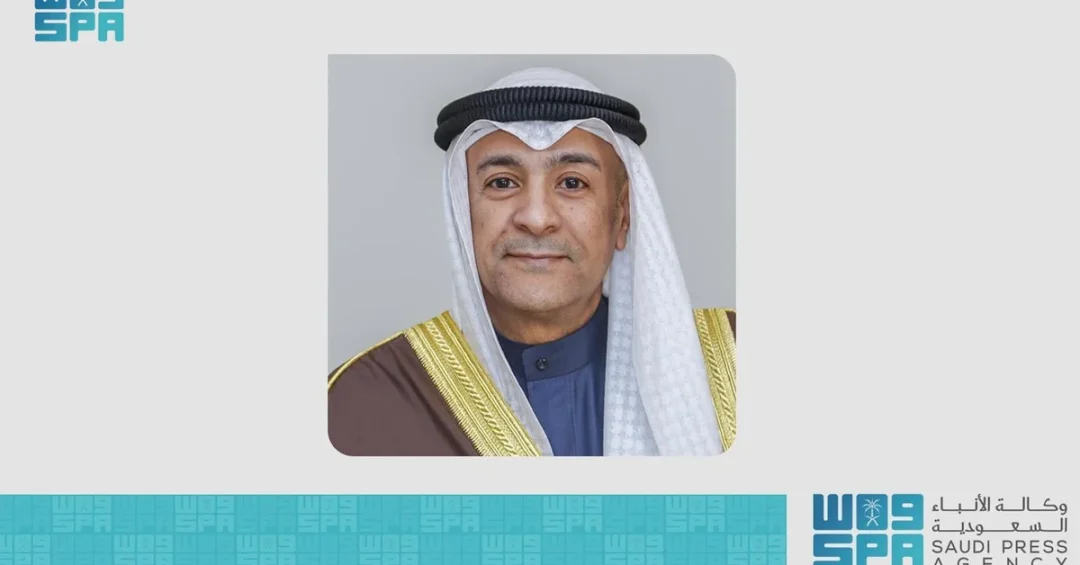
Secretary General of the Gulf Cooperation Council (GCC) Jasem Mohamed Albudaiwi met with the Financial Secretary of the Hong Kong Special Administrative Region (SAR), Paul Chan Mo-po, in Davos, Switzerland, on Monday, January 20, 2025, on the sidelines of the World Economic Forum (WEF) Annual Meeting 2025, according to a press release issued by the GCC General Secretariat. The high-level meeting placed economic and investment cooperation at the center of the discussion, with both sides examining practical ways to deepen ties between the six-nation Gulf bloc and one of Asia’s leading financial hubs. The talks also reviewed the status of the Free Trade Agreement between the GCC countries and Hong Kong, a file that has been under negotiation as both sides seek to expand market access and diversify trade and investment flows.
The encounter in Davos reflects a broader pattern of intensified engagement between Gulf economies and Asian partners, as Saudi Arabia and its GCC neighbors pursue economic diversification under long-term national strategies. Hong Kong, as a global gateway for capital, professional services, and trade, represents a natural counterpart for Gulf states seeking to broaden their international economic relationships beyond traditional markets. The GCC General Secretariat described the meeting as part of ongoing efforts to strengthen relations across all fields, with particular emphasis on the economic and investment sectors, in service of mutual goals shared by both sides.
Context and Background
Why has a meeting on the sidelines of the World Economic Forum drawn attention from policymakers across two regions? The GCC, which comprises Saudi Arabia, the United Arab Emirates, Qatar, Kuwait, Bahrain, and Oman, has steadily expanded its international economic partnerships in recent years, positioning itself as a hub connecting Asia, Europe, and Africa. Hong Kong, meanwhile, has long served as a premier financial center and a gateway for international business into and out of Asia. The Davos meeting between Albudaiwi and Chan builds on a relationship that both sides have been developing through formal dialogue and negotiation channels.
The Free Trade Agreement under discussion between the GCC and Hong Kong represents one of the most concrete instruments of this relationship. Such agreements typically cover tariff reductions, trade in services, investment facilitation, and regulatory cooperation, and they require sustained negotiation across multiple rounds. By reviewing the file at Davos, the two officials signaled that the process remains an active priority on both sides’ economic agendas. The meeting also underscores how multilateral gatherings such as the WEF Annual Meeting function as working sessions where bilateral and regional agendas advance alongside broader global discussions.
Saudi Arabia’s role within the GCC gives the Kingdom a direct stake in the outcome of these talks. As the largest GCC economy and a driving force behind regional integration, the Kingdom has consistently supported initiatives that open new markets for Gulf goods, services, and capital. For international observers, the Davos meeting offers a window into how Gulf states are building a diversified network of trade relationships that supports long-term economic resilience and growth.
Key Details of the Davos Meeting
According to the GCC General Secretariat’s press release, the meeting between Albudaiwi and Chan focused on enhancing relations between the GCC and Hong Kong and on ways to develop and strengthen them in all areas. The economic and investment sectors received particular attention, reflecting both sides’ interest in expanding two-way flows of capital, trade, and expertise. The discussion also covered the Free Trade Agreement between the GCC countries and Hong Kong, indicating that the negotiation track remains a central element of the bilateral agenda.
The choice of Davos as the venue carries practical significance. The World Economic Forum Annual Meeting 2025 brought together heads of state, ministers, central bankers, and business leaders in an environment designed for intensive dialogue. For officials like Albudaiwi and Chan, the margins of such gatherings provide opportunities for focused conversations that might otherwise require separate bilateral visits. The GCC General Secretariat’s decision to publicize the meeting through an official press release also reflects the bloc’s commitment to transparency about its international engagements.
Paul Chan Mo-po, as Financial Secretary of the Hong Kong SAR, holds a portfolio that includes fiscal policy, financial services, and economic development, making him a key interlocutor for Gulf officials interested in deepening financial and investment ties. Jasem Mohamed Albudaiwi, as GCC Secretary General, represents the collective interests of the six member states in external relations and regional integration. Their direct engagement therefore carries weight beyond a single conversation, signaling institutional-level interest in advancing the GCC-Hong Kong relationship.
International and Regional Impact
What does closer GCC-Hong Kong cooperation mean for the wider global economy? The relationship sits at the intersection of two dynamic regions: the Gulf, with its energy resources, sovereign wealth capital, and ambitious diversification programs, and Hong Kong, with its deep financial markets, legal infrastructure, and connectivity to mainland Asian economies. A strengthened partnership could facilitate investment flows in both directions, support trade in goods and services, and create new opportunities for businesses operating in either market. For multinational companies, the development of clearer trade and investment frameworks between the two sides could reduce friction and expand commercial options.
Regionally, the meeting reinforces the GCC’s strategy of building a broad portfolio of international partnerships. By engaging with Hong Kong alongside its relationships with other major economies, the bloc diversifies its economic diplomacy and reduces dependence on any single market. For Saudi Arabia and its neighbors, this approach aligns with the broader goal of positioning the Gulf as a global economic hub. The Davos meeting thus forms part of a larger pattern in which Gulf states actively shape their international economic environment rather than simply responding to it.
Economic and Strategic Significance
How significant is the potential Free Trade Agreement between the GCC and Hong Kong for businesses and investors? Free trade agreements of this kind can lower barriers to trade, improve market access for services providers, and establish clearer rules for investment. For Gulf exporters and investors, Hong Kong offers a platform for reaching Asian markets and accessing sophisticated financial services. For Hong Kong businesses, the GCC market offers a growing consumer base, major infrastructure and development projects, and opportunities in sectors ranging from logistics to technology and finance.
The strategic dimension extends beyond trade volumes. Both the GCC and Hong Kong are navigating a global economy marked by shifting supply chains, technological change, and evolving patterns of investment. By deepening their economic relationship, they can pursue shared interests in areas such as financial technology, green finance, and sustainable development. The review of the Free Trade Agreement at Davos indicates that both sides see the negotiation as a means to build a durable framework for cooperation that can adapt to changing economic conditions.
For Saudi Arabia specifically, the meeting supports the Kingdom’s efforts to expand its international economic partnerships as part of its long-term development plans. Saudi Arabia has consistently advocated for regional integration within the GCC and for open, rules-based trade that benefits the region as a whole. The Davos discussions between the GCC Secretary General and the Hong Kong Financial Secretary therefore complement the Kingdom’s broader economic diplomacy, which emphasizes diversification, investment, and global connectivity.
Vision 2030 Alignment
How does a GCC-Hong Kong economic dialogue connect to Saudi Arabia’s Vision 2030? Vision 2030, the Kingdom’s national transformation program, seeks to diversify the Saudi economy, expand non-oil sectors, and strengthen the Kingdom’s role as a global investment and logistics hub. International partnerships are central to these goals, and the GCC’s engagement with Hong Kong adds another channel through which Saudi businesses and investors can access global markets, capital, and expertise. The Kingdom’s support for GCC-wide initiatives that open trade and investment pathways directly reinforces the objectives of Vision 2030.
The meeting in Davos also highlights the importance Saudi Arabia places on multilateral and regional cooperation as tools for economic progress. By working through the GCC to build relationships with dynamic economies such as Hong Kong, the Kingdom contributes to a regional environment that is attractive to international partners and conducive to long-term growth. As the GCC and Hong Kong continue their discussions, including on the Free Trade Agreement, the outcomes will be watched closely by policymakers and businesses seeking to participate in the next phase of Gulf-Asia economic integration. The Kingdom remains committed to advancing these partnerships in line with its vision for a diversified, globally connected economy.
20 Questions
Q1. Who met in Davos on January 20, 2025?
A1. GCC Secretary General Jasem Mohamed Albudaiwi met with Hong Kong Financial Secretary Paul Chan Mo-po on the sidelines of the World Economic Forum Annual Meeting 2025, according to the GCC General Secretariat.
Q2. What was the main focus of the meeting?
A2. The meeting focused on enhancing relations between the GCC and Hong Kong and developing them in all areas, especially economic and investment sectors, to achieve mutual goals.
Q3. What specific agreement was discussed?
A3. The discussion included the Free Trade Agreement between the GCC countries and Hong Kong, which remains an active negotiation track between the two sides.
Q4. Where did the meeting take place?
A4. The meeting took place in Davos, Switzerland, on the sidelines of the World Economic Forum Annual Meeting 2025.
Q5. Who is Jasem Mohamed Albudaiwi?
A5. Jasem Mohamed Albudaiwi is the Secretary General of the Gulf Cooperation Council, representing the six member states in external relations and regional integration.
Q6. Who is Paul Chan Mo-po?
A6. Paul Chan Mo-po is the Financial Secretary of the Hong Kong Special Administrative Region, responsible for fiscal policy, financial services, and economic development.
Q7. What are the GCC member states?
A7. The GCC comprises Saudi Arabia, the United Arab Emirates, Qatar, Kuwait, Bahrain, and Oman, collectively representing a major economic bloc in the Gulf region.
Q8. Why is the GCC-Hong Kong relationship important?
A8. It connects the Gulf’s energy resources and investment capital with Hong Kong’s financial markets and Asian connectivity, creating opportunities for trade, investment, and economic cooperation.
Q9. What is the status of the Free Trade Agreement?
A9. The Free Trade Agreement between the GCC and Hong Kong is under negotiation, and its review at Davos indicates it remains a priority for both sides.
Q10. How does this meeting benefit Saudi Arabia?
A10. It supports Saudi Arabia’s economic diversification goals by expanding trade and investment channels through the GCC, aligning with the Kingdom’s Vision 2030 objectives.
Q11. What sectors were highlighted in the discussion?
A11. The economic and investment sectors received particular attention, reflecting both sides’ interest in expanding two-way flows of capital, trade, and expertise.
Q12. What is the World Economic Forum Annual Meeting?
A12. It is a global gathering in Davos, Switzerland, bringing together heads of state, ministers, and business leaders for dialogue on major economic and policy issues.
Q13. How does this meeting fit into GCC strategy?
A13. It reflects the GCC’s strategy of building a broad portfolio of international partnerships, diversifying economic diplomacy, and positioning the Gulf as a global economic hub.
Q14. What are the potential benefits of a GCC-Hong Kong FTA?
A14. A free trade agreement could lower trade barriers, improve market access for services, establish clearer investment rules, and create new commercial opportunities for businesses on both sides.
Q15. What role does Hong Kong play in the global economy?
A15. Hong Kong is a leading international financial center and gateway for trade and investment into and out of Asia, with deep capital markets and strong legal infrastructure.
Q16. How does this meeting relate to Vision 2030?
A16. Vision 2030 seeks to diversify Saudi Arabia’s economy and expand global partnerships; the GCC-Hong Kong dialogue adds another channel for trade, investment, and expertise.
Q17. What did the GCC General Secretariat say about the meeting?
A17. The GCC General Secretariat stated that the meeting focused on enhancing relations and developing them in all areas, particularly economic and investment sectors, to achieve mutual goals.
Q18. Why is Davos a significant venue for such meetings?
A18. Davos provides a concentrated environment where officials can hold focused bilateral and regional discussions alongside broader global economic debates, maximizing diplomatic efficiency.
Q19. What might be the next steps after this meeting?
A19. Both sides are expected to continue negotiations on the Free Trade Agreement and explore further economic and investment cooperation through established GCC-Hong Kong channels.
Q20. How does this development reflect Saudi Arabia’s global role?
A20. It demonstrates Saudi Arabia’s active participation in regional and international economic diplomacy, supporting open trade and partnerships that advance the Kingdom’s long-term development goals.
Reader Feedback
We value your thoughts. Please share your feedback on this article.
Your feedback helps us improve our coverage.
Related articles
 Absher Processes Over 8.5 Million Transactions in December 2024
 Saudi Arabia Backs Yemeni Government at New York Ministerial Meeting
 Saudi Arabia, South Africa Strengthen Ties in Davos
 KSrelief Center in Marib Serves 484 Yemeni Beneficiaries
 Royal Court Announces Passing of Prince Abdulaziz bin Mishal
 Saudi Ministry Honors Quran Competition Winners in India