


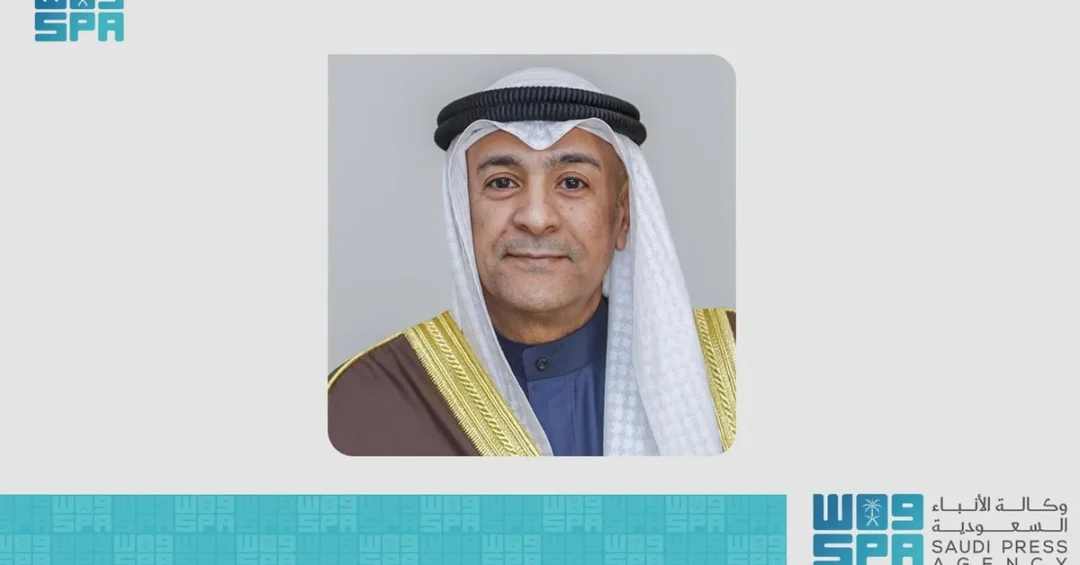
Secretary-General of the Gulf Cooperation Council (GCC) Jasem Albudaiwi praised the strong and multifaceted relationship between the GCC and ASEAN during a roundtable discussion at the 55th Annual Meeting of the World Economic Forum in Davos, Switzerland. The session, titled “ASEAN’s Journey Towards Unity: Lessons in Diplomacy and Regional Cooperation,” was held on January 21 at the invitation of the ASEAN organization, according to the Saudi Press Agency (SPA). Albudaiwi used the platform to highlight the deepening ties between the two regional blocs, describing their partnership as successful and built on shared interests that have developed over time. The participation of the GCC at such a prominent global gathering underscores the bloc’s growing role in shaping international dialogue on diplomacy, economic cooperation, and regional stability.
So why does this intervention matter on the global stage right now? In an era of shifting alliances and economic realignments, the GCC’s engagement with ASEAN signals a strategic pivot toward Asia that aligns with Saudi Arabia’s Vision 2030. The Kingdom, as the largest GCC economy, plays a central role in this outreach. Albudaiwi’s remarks reflect a broader push by Gulf states to diversify partnerships beyond traditional Western allies, tapping into Southeast Asia’s dynamic markets and diplomatic expertise. The roundtable provided a timely opportunity to showcase how regional organizations can collaborate to address common challenges, from trade to security, while respecting sovereignty and promoting mutual prosperity.
Context and Background
How did the GCC-ASEAN relationship evolve to this point? The GCC, established in 1981, comprises Bahrain, Kuwait, Oman, Qatar, Saudi Arabia, and the United Arab Emirates. ASEAN, founded in 1967, includes ten Southeast Asian nations: Brunei, Cambodia, Indonesia, Laos, Malaysia, Myanmar, the Philippines, Singapore, Thailand, and Vietnam. Diplomatic ties between the two blocs date back decades, but momentum accelerated in recent years. A landmark summit in 2023 saw leaders from both sides commit to strengthening cooperation, as reflected in a joint statement that emphasized economic integration, cultural exchange, and political dialogue. Albudaiwi noted that this relationship has been successful because it is rooted in shared interests since their respective formations, significant economic and trade opportunities, and robust bilateral relations among member states.
The World Economic Forum in Davos has long served as a venue for such high-level exchanges. The 55th annual meeting, held under the theme “Collaboration for the Intelligent Age,” brought together heads of state, business leaders, and civil society representatives to tackle pressing global issues. Albudaiwi’s participation at the invitation of ASEAN highlights the mutual respect between the two organizations. It also positions the GCC as a proactive player in multilateral diplomacy, willing to share its own experiences in regional integration. For Saudi Arabia, this aligns with its Vision 2030 goal of enhancing international partnerships and positioning the Kingdom as a bridge between continents. The roundtable thus served as a platform to reaffirm the GCC’s commitment to open dialogue and cooperative solutions.
Key Details of the Roundtable Discussion
What exactly did the GCC Secretary-General convey? Albudaiwi described the GCC-ASEAN relationship as a model of successful regional cooperation. He commended ASEAN as a beacon of regional cooperation, economic growth, and diplomatic stability, praising its diplomatic approach and multilateral cooperation in fostering unity amidst regional and global diversity. He specifically cited the 2023 summit as a turning point, where leaders expressed their desire to strengthen ties. The final statement from that summit outlined areas for collaboration, including trade, investment, sustainable development, and people-to-people exchanges. Albudaiwi attributed the enduring and growing relationship to shared interests, economic opportunities, and strong bilateral relations among member states.
The roundtable, titled “ASEAN’s Journey Towards Unity: Lessons in Diplomacy and Regional Cooperation,” was held on January 21, 2025, at the invitation of ASEAN. It formed part of the wider Davos program, which this year focused on rebuilding trust and fostering sustainable development. Albudaiwi’s remarks were reported by the Saudi Press Agency, underscoring the official Saudi channel’s role in disseminating information about the Kingdom’s diplomatic engagements. His praise for ASEAN’s unity model resonates with the GCC’s own objectives of maintaining cohesion among its members while navigating regional challenges. The discussion also touched on how both blocs can learn from each other’s experiences in conflict resolution, economic diversification, and cultural diplomacy.
International and Regional Impact
How does this strengthening of ties affect the broader geopolitical landscape? The GCC-ASEAN partnership has significant implications for trade, security, and diplomacy. Combined, the two blocs represent a substantial share of global GDP and trade flows. Enhanced cooperation could lead to new free trade agreements, investment opportunities, and joint infrastructure projects. For Saudi Arabia, deeper ties with ASEAN open doors to markets in Indonesia, Malaysia, and Singapore, which are key targets under Vision 2030’s economic diversification strategy. The Kingdom has already been expanding its footprint in Southeast Asia through investments in energy, technology, and halal industries. The GCC’s collective engagement amplifies these efforts, presenting a unified front that can negotiate more effectively on global stages.
Regionally, the partnership offers a counterbalance to other major power blocs. By aligning more closely with ASEAN, the GCC signals its commitment to a multipolar world order where regional organizations play a vital role. This is particularly relevant as global supply chains reconfigure and new economic corridors emerge. The ASEAN model of consensus-based decision-making and non-interference mirrors the GCC’s own principles, making collaboration natural. Moreover, cultural and educational exchanges between the Gulf and Southeast Asia are on the rise, with Saudi Arabia welcoming thousands of students and pilgrims from ASEAN nations annually. Such people-to-people connections reinforce the diplomatic and economic pillars of the relationship, creating a foundation for long-term stability and mutual understanding.
Economic and Strategic Significance
Why is this relationship economically vital for Saudi Arabia and the GCC? Trade between the GCC and ASEAN has grown steadily, with energy, petrochemicals, and halal products dominating exports from the Gulf, while ASEAN supplies electronics, machinery, and agricultural goods. The GCC’s strategic location as a gateway between East and West complements ASEAN’s position as a hub for global manufacturing and shipping. For Saudi Arabia, Vision 2030 aims to boost non-oil exports and attract foreign investment; ASEAN countries are prime sources of both. The Kingdom’s Public Investment Fund (PIF) has been active in Southeast Asia, investing in sectors ranging from e-commerce to renewable energy. Albudaiwi’s emphasis on economic opportunities reflects a shared recognition that deeper integration can drive growth and innovation.
Strategically, the GCC-ASEAN axis offers a platform for addressing transnational challenges such as climate change, cybersecurity, and food security. Both regions are vulnerable to the effects of global warming and rely on maritime trade routes. Collaborative efforts could lead to joint research and development in green technologies, smart agriculture, and digital infrastructure. Saudi Arabia’s NEOM project and other giga-projects could serve as testbeds for such innovations, with ASEAN partners contributing expertise. Additionally, the relationship provides diplomatic leverage in international forums, where the two blocs can coordinate positions on issues like energy transition and sustainable development. This strategic alignment is not just about economics; it is about shaping a rules-based international order that respects regional autonomy and promotes peaceful coexistence.
Vision 2030 Alignment
How does this diplomatic engagement tie into Saudi Arabia’s long-term vision? Vision 2030, launched in 2016 by Crown Prince Mohammed bin Salman, seeks to transform the Kingdom into a diversified, innovative economy and a pivotal player in global affairs. Strengthening ties with ASEAN is a direct manifestation of this ambition. The vision’s pillars include a vibrant society, a thriving economy, and an ambitious nation—all of which are supported by international partnerships. By engaging with ASEAN through the GCC, Saudi Arabia can share its own development experiences, such as economic diversification and social reforms, while learning from Southeast Asia’s successes in manufacturing and digitalization. This exchange aligns with the vision’s goal of increasing non-oil revenues and fostering a knowledge-based economy.
Furthermore, the GCC-ASEAN relationship enhances Saudi Arabia’s role as a bridge between the Islamic world and Asia. The Kingdom hosts the Two Holy Mosques and welcomes millions of pilgrims from ASEAN countries, reinforcing cultural and religious bonds. Vision 2030’s quality-of-life programs and tourism initiatives aim to attract more visitors from Southeast Asia, showcasing Saudi Arabia’s heritage and modern attractions. Albudaiwi’s remarks at Davos thus echo the Kingdom’s broader narrative of openness, cooperation, and progress. As the GCC continues to deepen its engagement with ASEAN, Saudi Arabia stands to benefit economically, diplomatically, and culturally, advancing its vision of a prosperous future rooted in global collaboration.
20 Questions
Q1. What event did the GCC Secretary-General attend in Davos?
A1. Jasem Albudaiwi attended the 55th Annual Meeting of the World Economic Forum in Davos, Switzerland, where he participated in a roundtable discussion on ASEAN’s journey towards unity and regional cooperation.
Q2. When and where was the roundtable discussion held?
A2. The roundtable was held on January 21, 2025, in Davos, Switzerland, at the invitation of the ASEAN organization, as part of the World Economic Forum’s annual meeting.
Q3. Who is Jasem Albudaiwi?
A3. Jasem Albudaiwi is the Secretary-General of the Gulf Cooperation Council (GCC), representing the six member states: Bahrain, Kuwait, Oman, Qatar, Saudi Arabia, and the United Arab Emirates.
Q4. What did Albudaiwi say about the GCC-ASEAN relationship?
A4. He described it as strong, multifaceted, and successful, attributing its growth to shared interests, economic and trade opportunities, and strong bilateral relations among member states since their respective formations.
Q5. Which summit did Albudaiwi cite as a milestone?
A5. He cited the 2023 summit between GCC and ASEAN leaders, where both sides expressed a desire to strengthen ties, as reflected in the final statement of the meeting.
Q6. How did Albudaiwi characterize ASEAN?
A6. He commended ASEAN as a model for regional cooperation, economic growth, and diplomatic stability, praising its diplomatic approach and multilateral cooperation in fostering unity amidst diversity.
Q7. What was the title of the roundtable discussion?
A7. The roundtable was titled “ASEAN’s Journey Towards Unity: Lessons in Diplomacy and Regional Cooperation,” focusing on how regional organizations can collaborate effectively.
Q8. Why is the GCC-ASEAN relationship important for Saudi Arabia?
A8. It aligns with Saudi Arabia’s Vision 2030 by expanding economic partnerships, enhancing trade, and positioning the Kingdom as a bridge between the Gulf and Southeast Asia.
Q9. What are the main areas of cooperation between GCC and ASEAN?
A9. Key areas include trade, investment, energy, sustainable development, cultural exchange, and people-to-people ties, with a focus on mutual prosperity and regional stability.
Q10. How does ASEAN’s model of regional cooperation inspire the GCC?
A10. ASEAN’s consensus-based decision-making and non-interference principles mirror GCC values, offering lessons in maintaining unity and fostering diplomacy amid regional diversity.
Q11. What economic opportunities does the GCC-ASEAN partnership present?
A11. It opens avenues for free trade agreements, joint infrastructure projects, and investments in sectors like technology, renewable energy, and halal industries, boosting non-oil exports.
Q12. How does this partnership affect global trade dynamics?
A12. By combining economic weight, the GCC and ASEAN can influence global supply chains, promote multipolarity, and advocate for rules-based trade and sustainable development.
Q13. What role does the Saudi Press Agency play in reporting this?
A13. The Saudi Press Agency (SPA) serves as the official source, disseminating accurate information about the GCC Secretary-General’s remarks and Saudi Arabia’s diplomatic engagements.
Q14. How does Vision 2030 benefit from GCC-ASEAN ties?
A14. Vision 2030 aims to diversify the economy and enhance global partnerships; deeper ties with ASEAN support these goals through increased trade, investment, and cultural exchange.
Q15. What are the cultural connections between the GCC and ASEAN?
A15. Cultural ties are strengthened by pilgrimage, educational exchanges, and tourism, with Saudi Arabia welcoming many visitors from ASEAN nations and fostering mutual understanding.
Q16. How does the GCC-ASEAN relationship address security challenges?
A16. The partnership promotes dialogue on cybersecurity, maritime security, and counterterrorism, enhancing regional stability through cooperative frameworks and shared intelligence.
Q17. What is the significance of the 2023 GCC-ASEAN summit?
A17. The 2023 summit marked a turning point, with leaders committing to strengthened cooperation across economic, political, and cultural spheres, as outlined in the final statement.
Q18. How does Saudi Arabia’s PIF engage with ASEAN countries?
A18. The Public Investment Fund (PIF) invests in Southeast Asian sectors such as e-commerce, technology, and renewable energy, supporting Vision 2030’s economic diversification goals.
Q19. What future steps are expected in GCC-ASEAN relations?
A19. Future steps may include free trade negotiations, joint innovation projects, and expanded diplomatic exchanges, building on the momentum from the 2023 summit and Davos discussions.
Q20. Why is the Davos platform important for GCC diplomacy?
A20. Davos provides a global stage for the GCC to showcase its diplomatic initiatives, build partnerships, and align with international efforts on economic growth and regional cooperation.
Reader Feedback
We value your thoughts. Please share your feedback on this article.
Your feedback helps us improve our coverage.
Related articles
 GCC Secretary General Meets ICRC President in Davos
 Saudi Arabia Launches National Policy to End Forced Labor
 4.7-Magnitude Earthquake Strikes Fiji Islands
 Mawani Earns ISO 37000 Certification in Corporate Governance
 Saudi Media Academy Board Charts 2025 Strategy
 Saudi Arabia Weather Forecast: Thunderstorms, Dust, and Rain on Wednesday