


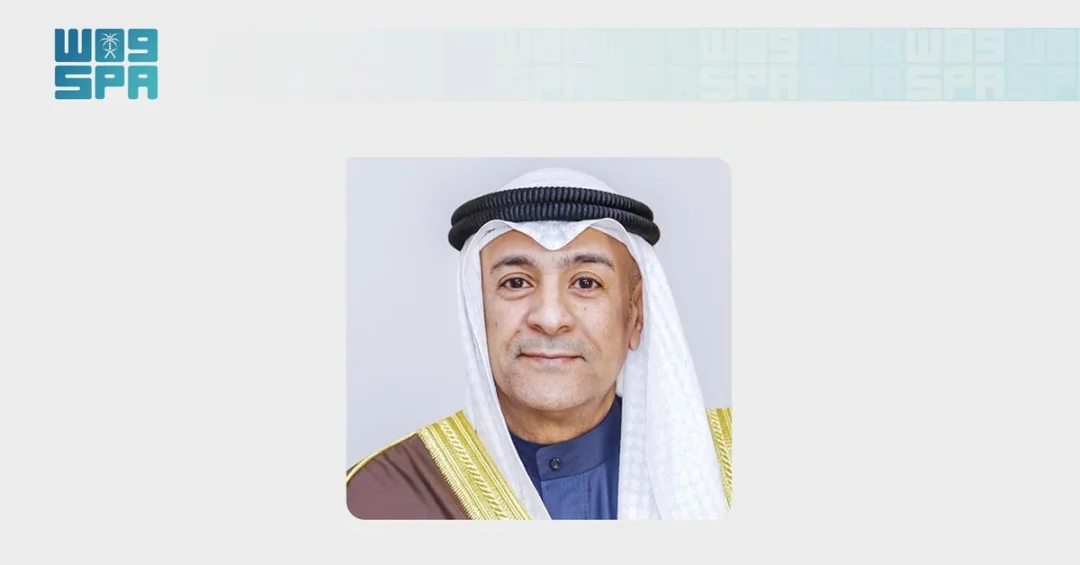
GCC Secretary-General Jasem Mohamed Albudaiwi has underscored the significance of the Security and History Dialogue Forum in advancing visions for the future of security and development, describing the gathering as a vital platform for shaping collective Gulf strategies. His remarks came during his participation in the forum, themed “Our History and Our Future: Security and Prosperity,” which was organized by the Ministry of Interior and held in Riyadh. The event brought together leaders, officials, experts, and academics to examine historical experiences and foresee future transformations in security and development.
The forum featured the participation of more than 160 speakers from within the Kingdom of Saudi Arabia and abroad, reflecting the Kingdom’s commitment to fostering international dialogue on pressing security matters. How does a nation balance the lessons of history with the demands of an uncertain future? For Saudi Arabia and its Gulf partners, the answer lies in proactive planning, regional cooperation, and a steadfast dedication to safeguarding prosperity. The event served as a testament to the Kingdom’s leadership in convening global minds to address shared challenges, reinforcing the importance of unity in an increasingly complex world.
Context and Background
The Security and History Dialogue Forum, held in Riyadh, represents a continuation of Saudi Arabia’s long-standing tradition of hosting high-level discussions that bridge the gap between historical insight and forward-looking policy. Organized by the Ministry of Interior, the forum underscores the Kingdom’s recognition that understanding past experiences is essential for crafting effective security frameworks. In a region that has witnessed profound transformations, the ability to learn from history while anticipating future threats is not merely an academic exercise but a strategic imperative.
The Gulf Cooperation Council, established in 1981, has consistently prioritized collective security as a cornerstone of its mission. Over the decades, the GCC has evolved from a primarily economic and political alliance into a robust security partnership, with member states collaborating on defense, counterterrorism, and law enforcement. The forum’s theme, “Our History and Our Future: Security and Prosperity,” encapsulates this dual focus, reminding participants that the stability enjoyed today is built on the foundations laid by previous generations and must be actively protected for those to come.
Why does a forum dedicated to history and security matter in an era dominated by rapid technological change? The answer lies in the nature of modern threats, which often transcend borders and exploit new technologies. By bringing together experts from diverse fields, the forum facilitates a holistic approach to security that integrates historical lessons with cutting-edge innovation. This approach aligns with Saudi Arabia’s broader vision of fostering a safe and dynamic society, where economic growth and social progress are underpinned by robust security measures.
Key Details
During his address, Secretary-General Albudaiwi emphasized that security has been an integral pillar since the inception of the GCC journey, reaching an advanced stage of integration and joint security readiness. He stated, “The strength of the Gulf ecosystem stems from that of its member states and their collective ability to act in unison when confronting common challenges.” This assertion highlights the fundamental principle of collective action that has guided the GCC for over four decades, enabling member states to pool resources and expertise in addressing shared threats.
Albudaiwi also pointed to the evolving nature of crime and cross-border threats, which necessitates a shift from reactive handling after incidents occur to preemptive action, dismantling criminal networks, and drying up their resources. He reviewed the progress achieved by the joint Gulf action framework in combating narcotics and money laundering, alongside the completion of the draft GCC Strategy for Combating Cybercrime and Artificial Intelligence (AI) Crimes. This strategy represents a forward-leaning approach to addressing the dual-use nature of emerging technologies, which can be harnessed for both development and criminal exploitation.
The Secretary-General further underscored the vital significance of joint operational readiness and the role of joint tactical security drills—foremost among them the “Arabian Gulf Security” exercise—as a practical manifestation of integration among security agencies across the GCC states. These drills enhance coordination, rapid response, and adaptability to evolving security scenarios, ensuring that member states are prepared to confront challenges collectively. Albudaiwi concluded by noting that successful experiences across the GCC member states represent a shared Gulf asset from which expertise can be exchanged and built upon, reinforcing the interconnectedness of security and development.
International and Regional Impact
The Security and History Dialogue Forum carries significant implications for regional stability and international security cooperation. By convening more than 160 speakers from within Saudi Arabia and abroad, the event facilitated a global exchange of ideas, positioning the Kingdom as a hub for strategic dialogue. This openness to international participation reflects Saudi Arabia’s commitment to multilateralism and its recognition that security challenges—whether terrorism, cybercrime, or transnational organized crime—require coordinated responses that transcend national boundaries.
For the broader Middle East, the forum signals a continued emphasis on collective security arrangements that have helped maintain relative stability in the Gulf region. The GCC’s integrated approach serves as a model for other regional organizations, demonstrating how shared interests and mutual trust can translate into effective cooperation. As global powers increasingly look to the Gulf for energy security and economic partnership, the region’s ability to present a united front on security matters enhances its strategic relevance and attractiveness as a destination for investment and tourism.
How can regional alliances adapt to threats that evolve faster than traditional defense mechanisms? The GCC’s proactive stance, exemplified by the draft strategy on AI crimes and the emphasis on preemptive action, offers a compelling answer. By investing in capability-building and fostering a culture of foresight, the Gulf states are not merely reacting to change but actively shaping the security landscape. This proactive posture contributes to the broader international effort to combat emerging threats, reinforcing the GCC’s role as a responsible and reliable partner on the world stage.
Economic and Strategic Significance
The nexus between security and development, a central theme of the forum, has profound economic implications for Saudi Arabia and its GCC partners. Stable security environments are prerequisites for economic growth, attracting foreign investment, facilitating trade, and enabling the ambitious infrastructure and diversification projects central to Saudi Vision 2030. The Kingdom’s ongoing transformation—marked by giga-projects, tourism expansion, and technological innovation—relies on a foundation of safety and order that the Ministry of Interior and its GCC counterparts work tirelessly to maintain.
Albudaiwi’s remarks underscored that security does not stand on the margins of development but rather protects its path and safeguards its gains. This perspective is particularly relevant as Saudi Arabia pursues economic diversification under Vision 2030, reducing its dependence on oil revenues and fostering new sectors such as tourism, entertainment, and technology. A secure environment is essential for attracting the international visitors, investors, and skilled professionals that these sectors require. The forum thus highlighted the symbiotic relationship between robust security frameworks and sustainable economic prosperity.
Moreover, the completion of the draft GCC Strategy for Combating Cybercrime and AI Crimes reflects a strategic recognition of the economic stakes involved in cybersecurity. As Gulf economies become increasingly digital, the protection of critical infrastructure, financial systems, and personal data becomes paramount. By developing coordinated strategies to counter cyber threats, the GCC states are safeguarding their economic assets and ensuring that technological advancement proceeds without compromising security. This integrated approach enhances the region’s resilience and competitiveness in the global economy.
Vision 2030 Alignment
The Security and History Dialogue Forum aligns seamlessly with the objectives of Saudi Vision 2030, the Kingdom’s comprehensive roadmap for economic and social transformation. Vision 2030 envisions a vibrant society, a thriving economy, and an ambitious nation—goals that are intrinsically linked to security and stability. By fostering dialogue on security and development, the forum contributes to the creation of an environment where citizens and residents can pursue opportunities, innovate, and thrive without fear. The Ministry of Interior’s role in organizing the event underscores the government’s integrated approach to achieving these ambitious targets.
Furthermore, the forum’s emphasis on international cooperation and knowledge exchange mirrors Vision 2030’s commitment to global engagement and partnership. Saudi Arabia’s leadership in convening such a diverse group of experts demonstrates its willingness to learn from global best practices and share its own experiences. As the Kingdom continues its journey toward a diversified, knowledge-based economy, platforms like the Security and History Dialogue Forum will remain essential for navigating the complexities of a rapidly changing world. The event reinforced that security is not merely a shield but a catalyst for progress, enabling Saudi Arabia and its GCC partners to build a prosperous and peaceful future for generations to come.
20 Questions
Q1. What was the main purpose of the Security and History Dialogue Forum?
A1. The forum aimed to examine historical experiences and foresee future transformations in security and development, bringing together leaders, officials, experts, and academics to advance visions for the future of security and prosperity.
Q2. Who organized the Security and History Dialogue Forum?
A2. The forum was organized by the Ministry of Interior of Saudi Arabia and held in Riyadh, reflecting the Kingdom’s commitment to addressing security and development issues through high-level dialogue.
Q3. How many speakers participated in the forum?
A3. More than 160 speakers from within the Kingdom of Saudi Arabia and abroad participated, underscoring the event’s international scope and the importance of diverse perspectives in tackling security challenges.
Q4. What was the theme of the forum?
A4. The theme was “Our History and Our Future: Security and Prosperity,” highlighting the interconnectedness of historical lessons and future-oriented strategies in achieving lasting security and development.
Q5. What did GCC Secretary-General Jasem Mohamed Albudaiwi emphasize about security?
A5. He emphasized that security has been an integral pillar since the inception of the GCC journey, reaching an advanced stage of integration and joint security readiness among member states.
Q6. What did Albudaiwi say about the strength of the Gulf ecosystem?
A6. He stated that the strength of the Gulf ecosystem stems from that of its member states and their collective ability to act in unison when confronting common challenges.
Q7. Why is a shift from reactive to preemptive action necessary?
A7. The evolving nature of crime and cross-border threats necessitates preemptive action to dismantle criminal networks and dry up their resources before incidents occur, enhancing overall security.
Q8. What progress did Albudaiwi review regarding joint Gulf action?
A8. He reviewed progress in combating narcotics and money laundering, alongside the completion of the draft GCC Strategy for Combating Cybercrime and Artificial Intelligence Crimes.
Q9. How does artificial intelligence impact security according to Albudaiwi?
A9. He noted that AI and modern technologies offer significant opportunities to advance security operations while posing new challenges as they are exploited in sophisticated criminal patterns.
Q10. What are GCC states doing to anticipate future crimes?
A10. GCC states are building their capabilities to anticipate future crimes and confront them with forward-looking tools, while keeping the protection of individuals, families, and society at the heart of security action.
Q11. What role do joint tactical security drills play?
A11. Joint tactical security drills, such as the “Arabian Gulf Security” exercise, serve as a practical manifestation of integration among security agencies, elevating coordination, rapid response, and adaptability.
Q12. How did Albudaiwi describe the relationship between security and development?
A12. He stated that security does not stand on the margins of development but protects its path and safeguards its gains, while modern technology provides greater capability to preempt risks.
Q13. What is the significance of sharing successful experiences among GCC states?
A13. Albudaiwi noted that successful experiences across GCC member states represent a shared Gulf asset from which expertise can be exchanged and built upon, strengthening collective security.
Q14. How does the forum align with Saudi Vision 2030?
A14. The forum aligns with Vision 2030 by fostering dialogue on security and development, contributing to a vibrant society and thriving economy where citizens can pursue opportunities without fear.
Q15. What economic benefits stem from a secure environment?
A15. A secure environment attracts foreign investment, facilitates trade, and enables infrastructure and diversification projects, which are essential for economic growth and prosperity in the Gulf region.
Q16. Why is cybersecurity a strategic priority for the GCC?
A16. As Gulf economies become increasingly digital, protecting critical infrastructure, financial systems, and personal data from cyber threats is paramount to safeguarding economic assets and ensuring technological advancement.
Q17. What does the “Arabian Gulf Security” exercise demonstrate?
A17. It demonstrates the practical integration among security agencies across GCC states, enhancing their ability to coordinate, respond rapidly, and adapt to evolving security scenarios collectively.
Q18. How does the forum reflect Saudi Arabia’s leadership in the region?
A18. By hosting the forum and convening international experts, Saudi Arabia demonstrates its leadership in fostering dialogue, promoting regional cooperation, and addressing shared security challenges proactively.
Q19. What is the broader impact of the forum on international security cooperation?
A19. The forum facilitates a global exchange of ideas, positioning the Kingdom as a hub for strategic dialogue and reinforcing the importance of multilateral approaches to transnational security threats.
Q20. What future steps can be expected from the GCC following this forum?
A20. The GCC is expected to continue implementing joint strategies, such as the draft cybercrime and AI strategy, and to conduct further drills and exchanges to enhance collective security and development.
Reader Feedback
We value your thoughts. Please share your feedback on this article.
Your feedback helps us improve our coverage.
Related articles
 Imam Turki bin Abdullah Reserve records three Arabian gazelle births
 Mohammed Tandel joins international Quran competition
 GACA President Receives Syrian Civil Aviation Counterpart
 Darah Joins Security and History Dialogue 2026 in Riyadh
 Saudi FM, UK Foreign Secretary Discuss Regional Stability
 Saudi FM Receives Call from Bahraini Counterpart