


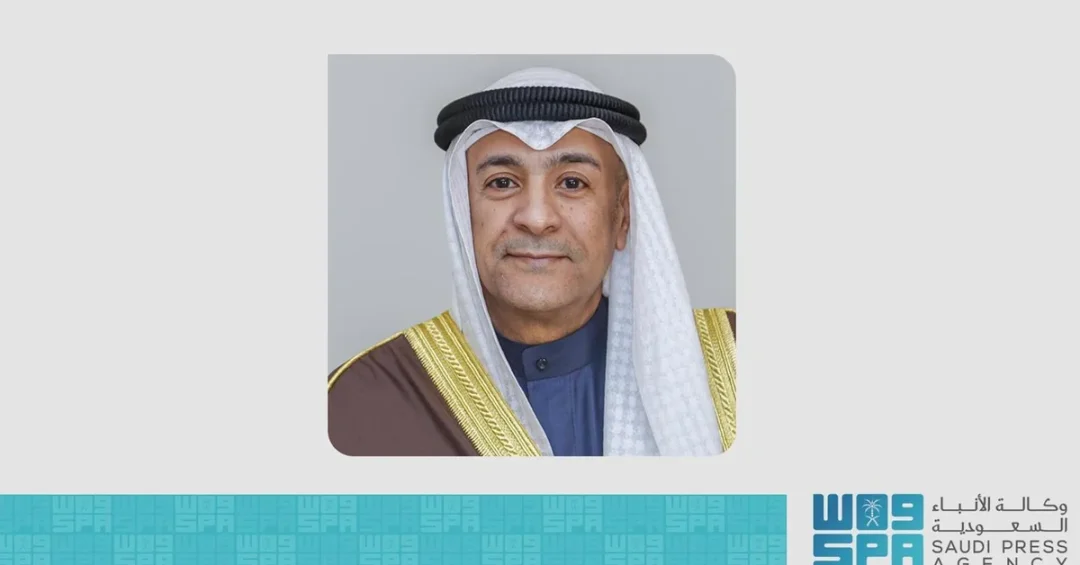
The Secretary-General of the Gulf Cooperation Council, Jasem Albudaiwi, has commended the Khujand Declaration and welcomed the treaty defining the point of contact at the international borders of the Kyrgyz Republic, the Republic of Tajikistan, and the Republic of Uzbekistan, finalized on Monday, March 31, 2025, in Khujand, Tajikistan. The announcement, carried by the Saudi Press Agency, marks a notable diplomatic moment in Central Asia and reflects the GCC’s growing engagement with regional stability and cooperation beyond the Gulf.
In a statement released from Riyadh, Albudaiwi described the Khujand Declaration as a significant step toward strengthening enduring friendship among the three Central Asian republics. He expressed optimism that the border agreement would resolve long-standing disputes and open a new chapter of strategic relations. The GCC chief emphasized that the development would enhance security, stability, prosperity, and development for the people of Kyrgyzstan, Tajikistan, and Uzbekistan. The endorsement from the Gulf’s top diplomatic official underscores the Kingdom of Saudi Arabia’s broader vision of connecting regions, fostering peace, and supporting sustainable development through dialogue and mutual respect.
Context and Background
Why does a border agreement in Central Asia matter to the Gulf Cooperation Council and to Saudi Arabia? The Khujand Declaration, signed in the northern Tajik city of Khujand, represents the culmination of years of negotiations among three neighboring states that share complex historical, ethnic, and territorial ties. The treaty defining the point of contact at their international borders is a technical and legal milestone, but its implications are far broader. It signals a commitment to resolving disputes through diplomacy rather than confrontation, a principle that aligns closely with the GCC’s own founding charter and Saudi Arabia’s Vision 2030 emphasis on stability as a prerequisite for economic growth.
Central Asia has long been a region where external powers compete for influence, and where unresolved border issues have occasionally sparked tensions. The Kyrgyz Republic, Tajikistan, and Uzbekistan have worked steadily since the early 2000s to demarcate their frontiers, often with the support of international organizations and neighboring countries. The Khujand meeting on March 31, 2025, brought together senior officials from all three nations to finalize a treaty that clarifies the exact point where their borders converge. This kind of agreement reduces the risk of local incidents, facilitates cross-border trade, and builds trust among communities that live along the frontiers.
For the GCC, the endorsement is part of a wider strategy of diplomatic outreach. Under the leadership of Saudi Arabia, the Gulf bloc has increasingly looked eastward, engaging with Asian partners on energy, trade, investment, and security. The GCC’s recognition of the Khujand Declaration is not merely symbolic; it reflects a shared interest in a stable, prosperous Central Asia that can serve as a bridge between East and West, and as a partner in projects linked to the Belt and Road Initiative and other connectivity corridors.
Key Details
What exactly does the Khujand Declaration entail, and why has it drawn praise from the Gulf? The declaration aims to strengthen enduring friendship between the Kyrgyz Republic, the Republic of Tajikistan, and the Republic of Uzbekistan. It builds on previous agreements and establishes a framework for continued cooperation on border management, water resources, transportation, and economic development. The signed treaty defining the point of contact at their international borders is the most concrete outcome of the Khujand meeting, resolving a technical issue that had lingered for years.
GCC Secretary-General Jasem Albudaiwi welcomed the treaty in a statement carried by the Saudi Press Agency. He expressed optimism that the border agreement would mark a significant turning point, resolving past disputes and fostering strategic relations. He emphasized the potential for enhanced security, stability, prosperity, and development, ultimately benefiting the people of the three nations. Albudaiwi’s comments reflect the GCC’s consistent position that peaceful resolution of disputes is essential for regional and global stability.
The timing of the agreement is notable. It comes as Central Asian states seek to deepen their integration through platforms such as the Consultative Meetings of the Heads of State of Central Asia, and as they strengthen ties with partners in the Gulf, Asia, and Europe. The Khujand Declaration is therefore both a local milestone and a contribution to a broader architecture of cooperation. For Saudi Arabia, which has invested in diplomatic initiatives across Asia and beyond, the agreement reinforces the value of dialogue and the potential for cross-regional partnerships.
International and Regional Impact
How will the Khujand Declaration affect the wider region and the international community? The immediate impact is a reduction in border tensions and an improvement in the daily lives of people living near the frontiers. Clear border demarcation allows for better management of resources, easier movement of goods and people, and more effective cooperation on security challenges such as smuggling and extremism. In the longer term, the agreement could pave the way for joint infrastructure projects, including roads, railways, and energy links that connect Central Asia to South Asia and the Middle East.
From the GCC’s perspective, a stable Central Asia is a valuable partner. The region is rich in natural resources, including oil, gas, and minerals, and sits at the crossroads of major trade routes. Gulf countries, particularly Saudi Arabia and the United Arab Emirates, have been increasing their investments in Central Asia, focusing on energy, agriculture, logistics, and technology. The Khujand Declaration reduces political risk and makes such investments more attractive. It also aligns with the GCC’s efforts to diversify its international partnerships and to project a positive image of constructive engagement.
International observers have welcomed the agreement as a model of peaceful dispute resolution. The United Nations and other bodies have long encouraged Central Asian states to settle border issues through negotiation, and the Khujand Declaration is a concrete example of that approach succeeding. For Saudi Arabia, which has consistently supported dialogue and reconciliation in various regions, the agreement validates its diplomatic philosophy and strengthens its credentials as a global peacemaker.
Economic and Strategic Significance
What economic and strategic opportunities does the Khujand Declaration unlock? The resolution of border disputes removes a significant obstacle to regional trade and investment. Central Asia is a key link in the transport corridors that connect China, Europe, and the Middle East. With borders clearly defined and relations improved, the three countries can work together to develop infrastructure that facilitates the movement of goods, energy, and people. This could lead to the creation of new economic zones, improved customs procedures, and increased cross-border investment.
For the Gulf, the strategic significance is twofold. First, it enhances the security environment in a region that is adjacent to Afghanistan and close to other areas of concern. A stable Central Asia helps prevent the spread of extremism and provides a buffer against instability. Second, it opens up opportunities for Gulf companies to participate in major projects. Saudi Arabia’s Vision 2030 includes a strong focus on expanding non-oil exports and international investment, and Central Asia offers a growing market for Saudi goods, services, and capital. The Khujand Declaration thus supports the Kingdom’s economic diversification goals by creating a more predictable and friendly business environment.
Additionally, the agreement could boost cooperation in renewable energy. Central Asia has significant potential for solar and wind power, and Gulf states have expertise in large-scale energy projects. By working together, the regions can share knowledge and develop joint ventures that contribute to global sustainability goals. The GCC’s endorsement of the Khujand Declaration is therefore not just a diplomatic gesture but a recognition of the tangible benefits that peace and cooperation can bring.
Vision 2030 Alignment
How does the Khujand Declaration connect to Saudi Arabia’s Vision 2030 and the Kingdom’s long-term ambitions? Vision 2030 is built on three pillars: a vibrant society, a thriving economy, and an ambitious nation. The agreement in Khujand reflects all three. A vibrant society is one that values peace and stability, both at home and abroad. A thriving economy depends on open trade routes and reliable partners, which the declaration helps to secure. An ambitious nation is one that takes a leadership role in global affairs, promoting dialogue and reconciliation, as Saudi Arabia has done through its support for the GCC’s endorsement.
The GCC’s commendation of the Khujand Declaration also highlights the Kingdom’s growing role as a bridge between regions. Under the leadership of the Custodian of the Two Holy Mosques, King Salman bin Abdulaziz Al Saud, and His Royal Highness Crown Prince Mohammed bin Salman, Saudi Arabia has pursued a foreign policy that emphasizes partnership, development, and mutual respect. The Khujand Declaration is a testament to the success of that approach. It shows that when nations choose dialogue over dispute, they can unlock prosperity for their people and contribute to a more stable world.
Looking ahead, the GCC is expected to continue supporting such initiatives, whether in Central Asia, Africa, or other regions. The Khujand Declaration is a milestone, but it is also a beginning. With the border treaty in place, Kyrgyzstan, Tajikistan, and Uzbekistan can focus on deepening their cooperation and realizing the full potential of their friendship. Saudi Arabia and its Gulf partners stand ready to assist, sharing their own experience of regional integration and their commitment to a peaceful and prosperous future for all.
20 Questions
Q1. What is the Khujand Declaration?
A1. The Khujand Declaration is an agreement aimed at strengthening enduring friendship between the Kyrgyz Republic, the Republic of Tajikistan, and the Republic of Uzbekistan, signed in Khujand, Tajikistan, on March 31, 2025.
Q2. Who commended the Khujand Declaration?
A2. Jasem Albudaiwi, the Secretary-General of the Gulf Cooperation Council, commended the declaration and welcomed the border treaty finalized by the three Central Asian nations.
Q3. When and where was the border treaty finalized?
A3. The treaty defining the point of contact at the international borders of Kyrgyzstan, Tajikistan, and Uzbekistan was finalized on Monday, March 31, 2025, in Khujand, Tajikistan.
Q4. Why did the GCC welcome this agreement?
A4. The GCC welcomed the agreement because it resolves past disputes, fosters strategic relations, and enhances security, stability, prosperity, and development for the people of the three nations.
Q5. What is the significance of the border treaty?
A5. The border treaty clarifies the exact point where the borders of Kyrgyzstan, Tajikistan, and Uzbekistan meet, reducing tensions and facilitating cooperation on trade, security, and resource management.
Q6. How does this agreement affect regional stability?
A6. By resolving a long-standing border issue, the agreement reduces the risk of local conflicts and promotes a more stable environment in Central Asia, benefiting the entire region.
Q7. What role did Saudi Arabia play in this development?
A7. Saudi Arabia, through the GCC, endorsed the agreement, reflecting the Kingdom’s commitment to supporting peaceful dispute resolution and regional cooperation beyond the Gulf.
Q8. What are the economic implications of the Khujand Declaration?
A8. The declaration removes barriers to trade and investment, potentially leading to joint infrastructure projects, improved customs procedures, and increased cross-border economic activity.
Q9. How does this align with Vision 2030?
A9. The agreement aligns with Vision 2030 by promoting stability, opening economic opportunities, and reinforcing Saudi Arabia’s role as a global bridge-builder and advocate for peace.
Q10. What benefits will the people of the three nations see?
A10. They can expect improved security, easier movement across borders, better economic opportunities, and a more peaceful environment that supports prosperity and development.
Q11. How does the GCC benefit from stability in Central Asia?
A11. A stable Central Asia provides the GCC with reliable partners for trade, investment, and energy cooperation, and helps prevent the spread of extremism and instability.
Q12. What other areas of cooperation might follow?
A12. The agreement could lead to cooperation in water management, transportation, renewable energy, and joint efforts to combat smuggling and other cross-border crimes.
Q13. What was the role of the Saudi Press Agency in reporting this?
A13. The Saudi Press Agency carried the statement from GCC Secretary-General Jasem Albudaiwi, ensuring official and accurate dissemination of the news to a global audience.
Q14. How does this agreement reflect on the leadership of the three nations?
A14. It demonstrates their commitment to diplomacy, dialogue, and mutual respect, setting a positive example for resolving disputes peacefully in the region and beyond.
Q15. What is the historical context of the border disputes?
A15. The border issues date back to the Soviet era, when administrative boundaries were drawn without clear demarcation, leading to tensions after independence that have now been addressed.
Q16. How might this affect relations with Afghanistan?
A16. A stable and cooperative Central Asia can better manage its borders with Afghanistan, contributing to regional security and reducing the flow of illicit goods and extremism.
Q17. What message does this send to the international community?
A17. It sends a message that peaceful dialogue and negotiation can resolve even the most complex disputes, and that regional organizations like the GCC support such efforts.
Q18. Will the GCC increase its engagement in Central Asia?
A18. The endorsement signals the GCC’s growing interest in Central Asia, and further engagement in trade, investment, and diplomatic initiatives is likely to follow.
Q19. How does this agreement support global peace and security?
A19. By resolving a potential source of conflict, the agreement contributes to global peace and security, demonstrating the value of preventive diplomacy and regional cooperation.
Q20. What are the next steps for the three nations?
A20. The next steps include implementing the treaty, deepening cooperation in various fields, and working with partners like the GCC to realize the full benefits of the Khujand Declaration.
Reader Feedback
We value your thoughts. Please share your feedback on this article.
Your feedback helps us improve our coverage.
Related articles
 Saudi Weather Forecast for Tuesday: Dust, Rain, Hail Possible
 Saudi Industry System Showcases Innovations at Hannover Messe
 Saudi Crown Prince Offers Condolences to Umm Al Quwain Ruler
 King Salman Offers Condolences to Umm Al-Quwain Ruler
 Myanmar Quake: UNHCR, WHO Intensify Relief Efforts
 Light Rain, Thunderstorms Forecast for AlUla