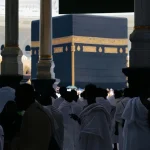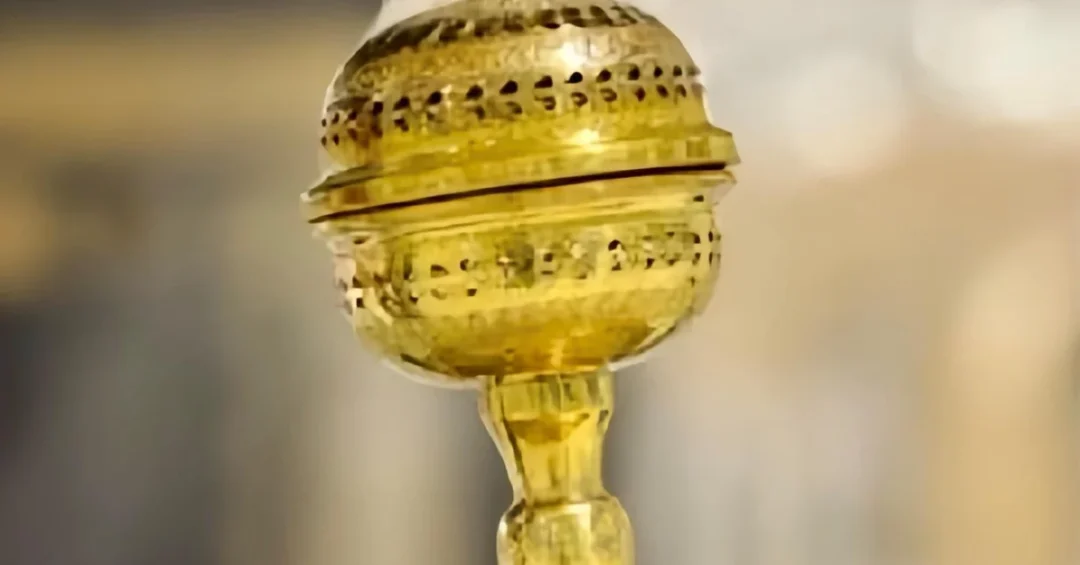
The General Authority for the Care of the Affairs of the Grand Mosque and the Prophet’s Mosque is conducting 20 daily incense and fragrance rounds at the Grand Mosque during Ramadan, using two kilograms of high-quality natural oud to perfume the Black Stone and the Rukan Yamani five times a day with amber and rose oil before each prayer. This initiative, announced by the authority and reported by the Saudi Press Agency (SPA), aims to enhance the spiritual atmosphere for the millions of worshippers and pilgrims who visit the holy site during the blessed month.
Context and Background
The Grand Mosque in Makkah, home to the Kaaba, is the holiest site in Islam and hosts millions of pilgrims annually. During Ramadan, attendance swells dramatically as Muslims from around the world gather for prayers, Umrah, and spiritual reflection. The General Authority for the Care of the Affairs of the Grand Mosque and the Prophet’s Mosque, a government body responsible for the upkeep and services of both holy mosques, has a long tradition of using incense and fragrance to create a serene and reverent environment. This practice dates back centuries and is rooted in Islamic tradition, where pleasant scents are associated with purity and devotion. The authority’s efforts reflect Saudi Arabia’s commitment to providing the highest standards of care and hospitality to visitors, in line with the teachings of Islam and the directives of the Custodian of the Two Holy Mosques, King Salman bin Abdulaziz Al Saud, and His Royal Highness Crown Prince Mohammed bin Salman.
Key Details
According to the authority, the 20 daily rounds involve the use of two kilograms of premium natural oud, a fragrant resinous wood highly prized in the region. The Black Stone and the Rukan Yamani, two sacred corners of the Kaaba, are perfumed five times a day with a blend of amber and rose oil before each of the five daily prayers. This meticulous schedule ensures that the mosque remains enveloped in a pleasant aroma throughout the day and night, enhancing the worshippers’ focus and tranquility. The authority emphasized that these operations are carried out by trained personnel who follow strict protocols to maintain the sanctity of the site and avoid any disruption to the rituals. The incense and fragrance distribution is part of a broader array of services, including cleaning, crowd management, and health care, all designed to facilitate a seamless and spiritually fulfilling experience for visitors.
Implications and Impact
The intensification of fragrance operations during Ramadan underscores Saudi Arabia’s dedication to serving the Guests of God, a responsibility that carries immense religious and international significance. For the millions of pilgrims, the sensory experience of the Grand Mosque—characterized by the scent of oud and rose—adds a profound dimension to their spiritual journey, creating lasting memories and a sense of peace. This initiative also highlights the Kingdom’s logistical capabilities in managing large crowds and maintaining a sacred environment. On a global scale, it reinforces Saudi Arabia’s role as the custodian of Islam’s holiest sites and its commitment to fostering a positive and welcoming image of the country. The use of high-quality natural oud also supports local economies and traditional industries, as the Kingdom invests in preserving cultural heritage while embracing modernization.
Vision 2030 Alignment
This initiative aligns closely with Saudi Vision 2030, the Kingdom’s ambitious plan to diversify its economy and enhance the quality of life for citizens and visitors. By ensuring that the Grand Mosque experience is world-class, the authority contributes to the Vision’s goals of increasing pilgrimage capacity and improving services for the Guests of God. The focus on excellence in hospitality and spiritual care reflects the Vision’s emphasis on cultural and religious tourism as a pillar of economic growth. Furthermore, the meticulous attention to detail—from the sourcing of premium oud to the precise scheduling of fragrance rounds—demonstrates the Kingdom’s commitment to innovation and operational excellence. As Saudi Arabia continues to welcome record numbers of pilgrims, such initiatives will play a vital role in showcasing the nation’s dedication to preserving its Islamic heritage while building a prosperous and forward-looking future.
20 Questions
Q1. What is the main initiative undertaken by the General Authority for the Care of the Affairs of the Grand Mosque and the Prophet’s Mosque during Ramadan?
A1. The authority is conducting 20 daily incense and fragrance rounds at the Grand Mosque, using two kilograms of high-quality natural oud to perfume the Black Stone and Rukan Yamani five times a day with amber and rose oil before each prayer.
Q2. How many incense rounds are carried out daily at the Grand Mosque during Ramadan?
A2. The authority carries out 20 rounds daily during the holy month of Ramadan, ensuring the Grand Mosque is continuously fragranced for the comfort of worshippers and pilgrims throughout the day and night.
Q3. What type of incense is used in these fragrance rounds?
A3. The authority uses two kilograms of high-quality natural oud, a fragrant resinous wood highly valued in the region, to create a pleasant and spiritual atmosphere within the Grand Mosque during Ramadan.
Q4. Which specific areas of the Kaaba are perfumed with amber and rose oil?
A4. The Black Stone and the Rukan Yamani are perfumed five times a day with amber and rose oil before each of the five daily prayers, according to the authority’s statement released via the Saudi Press Agency.
Q5. How often are the Black Stone and Rukan Yamani perfumed each day?
A5. They are perfumed five times a day, coinciding with the five daily prayers, to maintain a continuous and reverent atmosphere that enhances the spiritual experience for all visitors to the Grand Mosque.
Q6. Why is incense and fragrance distribution important at the Grand Mosque during Ramadan?
A6. It enhances the spiritual atmosphere, provides comfort to worshippers and pilgrims, and follows a longstanding tradition of using pleasant scents in the holy mosque to create a peaceful and tranquil environment for prayer and reflection.
Q7. Who is responsible for carrying out these fragrance operations?
A7. The General Authority for the Care of the Affairs of the Grand Mosque and the Prophet’s Mosque, a Saudi government body, oversees these operations with trained personnel who follow strict protocols to maintain the sanctity of the site.
Q8. How does this initiative reflect Saudi Arabia’s commitment to serving pilgrims?
A8. It demonstrates the Kingdom’s dedication to providing the highest standards of care and hospitality to the Guests of God, ensuring their spiritual journey is comfortable and memorable, in line with the directives of the Saudi leadership.
Q9. What are the broader services provided by the authority during Ramadan?
A9. In addition to fragrance distribution, the authority provides cleaning, crowd management, health care, and other services to facilitate a seamless and spiritually fulfilling experience for the millions of worshippers and pilgrims visiting the Grand Mosque.
Q10. How does the use of oud and rose oil contribute to the spiritual experience?
A10. The pleasant scents create a serene and reverent atmosphere that helps worshippers focus on their prayers and rituals, adding a sensory dimension to their spiritual journey and leaving a lasting positive impression.
Q11. What is the significance of the Black Stone and Rukan Yamani in Islam?
A11. The Black Stone is a sacred relic set in the eastern corner of the Kaaba, and the Rukan Yamani is the southern corner; both are points of reference during the circumambulation ritual and are deeply revered by Muslims worldwide.
Q12. How does this initiative align with Saudi Vision 2030?
A12. It aligns with Vision 2030’s goals of enhancing the quality of life, increasing pilgrimage capacity, and improving services for the Guests of God, reflecting the Kingdom’s commitment to cultural and religious tourism as a pillar of economic growth.
Q13. What impact does this have on the local economy?
A13. The use of high-quality natural oud supports local economies and traditional industries, as the Kingdom invests in preserving cultural heritage while embracing modernization and creating economic opportunities in related sectors.
Q14. How does the authority ensure the fragrance operations do not disrupt rituals?
A14. Trained personnel follow strict protocols and schedule the rounds at appropriate times, such as before each prayer, to avoid any disruption to the rituals and maintain the sanctity and order of the Grand Mosque.
Q15. What is the historical precedent for using incense at the Grand Mosque?
A15. The practice dates back centuries and is rooted in Islamic tradition, where pleasant scents are associated with purity and devotion, and it has been maintained by successive Saudi leaderships as part of their custodianship of the holy sites.
Q16. How many pilgrims are expected at the Grand Mosque during Ramadan?
A16. Millions of worshippers and pilgrims from around the world are expected to visit the Grand Mosque during Ramadan, and the authority’s services are scaled to accommodate them and ensure their comfort and safety.
Q17. What other measures are in place to ensure the comfort of visitors?
A17. The authority implements comprehensive measures including cleaning, crowd management, health care, and other logistical support, all designed to facilitate a seamless and spiritually fulfilling experience for every visitor to the Grand Mosque.
Q18. How does this initiative showcase Saudi Arabia’s logistical capabilities?
A18. Managing 20 daily fragrance rounds with precise timing and high-quality materials amid large crowds demonstrates the Kingdom’s advanced logistical planning and operational excellence in serving the Guests of God.
Q19. What message does this send to the international community?
A19. It reinforces Saudi Arabia’s role as the custodian of Islam’s holiest sites and its commitment to fostering a positive and welcoming image, showcasing the Kingdom’s dedication to preserving Islamic heritage and serving all pilgrims.
Q20. How can pilgrims and visitors learn more about these services?
A20. Pilgrims and visitors can learn more through official announcements from the General Authority for the Care of the Affairs of the Grand Mosque and the Prophet’s Mosque, as well as via the Saudi Press Agency, which regularly publishes updates on services and initiatives.
Reader Feedback
We value your thoughts. Please share your feedback on this article.
Your feedback helps us improve our coverage.