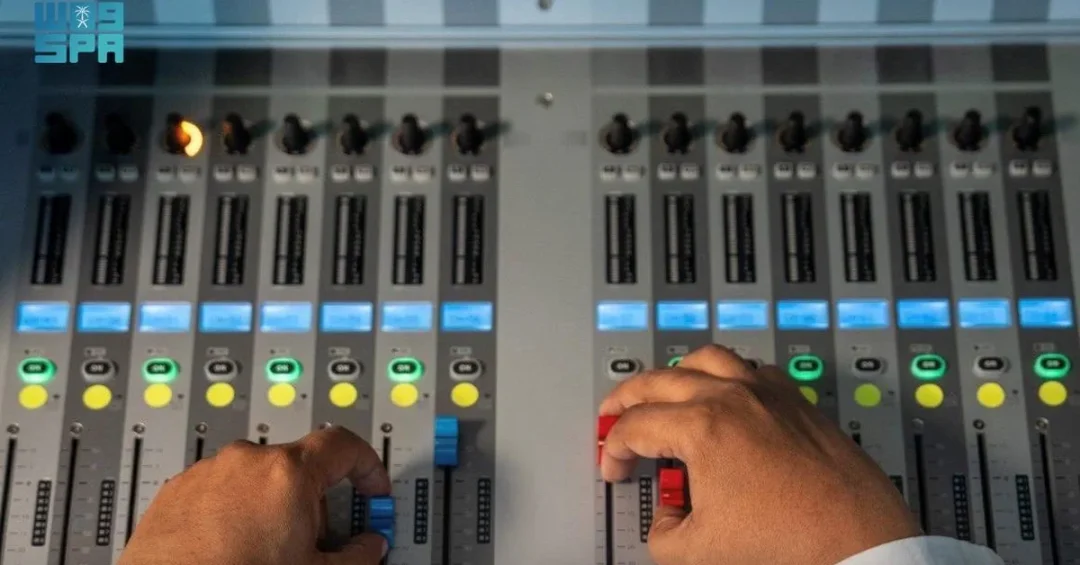
The sound system at the Grand Mosque in Makkah stands as one of the most sophisticated audio engineering achievements in the world, covering an expansive area of 650,000 square meters with 8,000 strategically placed speakers and 100 microphones, according to the Saudi Press Agency. A dedicated team of 120 engineers and technicians works around the clock to ensure seamless operation and exceptional sound quality, enabling millions of pilgrims and visitors to experience prayers and sermons with clarity and reverence. This remarkable infrastructure reflects the Kingdom of Saudi Arabia’s unwavering commitment to providing an optimal worship experience at the holiest site in Islam.
Have you ever wondered what it takes to deliver crystal-clear sound to millions of worshippers gathered across one of the largest religious complexes on earth? The answer lies in a convergence of advanced technology, meticulous planning, and dedicated human expertise that operates silently behind the scenes. The Grand Mosque’s sound system is not merely a technical installation; it is a testament to the Kingdom’s devotion to serving the guests of God, ensuring that every prayer call, every sermon, and every recitation reaches every ear with perfect fidelity. This system represents the intersection of engineering excellence and spiritual purpose, a combination that defines Saudi Arabia’s approach to managing the Two Holy Mosques.
Context and Background
The Grand Mosque, known as Masjid al-Haram, holds a unique position in the Islamic world as the site of the Kaaba, the direction toward which nearly two billion Muslims orient their daily prayers. Each year, millions of pilgrims from every corner of the globe travel to Makkah to perform Hajj and Umrah, creating an ever-growing demand for infrastructure that can accommodate massive congregations while preserving the sanctity and serenity of the environment. The sound system’s development has evolved alongside the Kingdom’s broader efforts to expand and modernize the holy sites under the guidance of the Custodian of the Two Holy Mosques, King Salman bin Abdulaziz Al Saud, and His Royal Highness Crown Prince Mohammed bin Salman bin Abdulaziz Al Saud.
How does one design an audio system capable of serving a space so vast that sound could naturally take seconds to travel from one end to the other? The answer involves decades of incremental improvements, strategic planning, and collaboration between Saudi authorities and international acoustic experts. The General Presidency for the Affairs of the Grand Mosque and the Prophet’s Mosque, the government body responsible for the management and care of the Two Holy Mosques, has continuously invested in upgrading the audio infrastructure to meet the needs of an ever-increasing number of worshippers. The current system represents the culmination of these efforts, incorporating the latest advancements in acoustic engineering and digital sound processing.
The scale of operations at the Grand Mosque is difficult to comprehend for those who have not witnessed it firsthand. During peak seasons such as Ramadan and Hajj, the mosque and its surrounding courtyards host congregations exceeding two million people at a single time. Ensuring that the Imam’s voice reaches every individual in this vast gathering requires not only powerful equipment but also intelligent distribution and real-time monitoring. The 120-member technical team operates in shifts to maintain continuous oversight, embodying the Kingdom’s commitment to excellence in service of the pilgrims.
Key Details of the Sound System
The technical specifications of the Grand Mosque’s sound system reveal the extraordinary engineering behind this auditory marvel. The 8,000 speakers are not simply distributed randomly across the complex; they are strategically positioned to account for the unique acoustic properties of different zones within the 650,000 square meters of covered and open areas. The 100 microphones capture sound from the Imam, the muezzin, and other reciters with precision, feeding into a sophisticated processing network that adjusts levels, eliminates feedback, and ensures consistent audio quality regardless of where a worshipper is standing or sitting.
What happens when an unexpected technical issue arises during a prayer attended by millions? The system’s design includes redundant components and backup pathways to guarantee uninterrupted sound transmission even in unforeseen circumstances. Advanced control rooms monitor the entire system 24 hours a day, seven days a week, allowing technicians to identify and resolve potential issues before they affect the worshippers’ experience. This proactive approach to maintenance and monitoring reflects the highest standards of operational reliability, ensuring that the call to prayer and the words of the sermon are never silenced.
Beyond the physical infrastructure, the sound system seamlessly integrates with live broadcast systems that transmit prayers and sermons to audiences around the world. This integration amplifies the reach of Islamic teachings, allowing Muslims who cannot physically be present in Makkah to participate in the spiritual experience through television, radio, and digital streaming platforms. The global broadcast capability serves as a bridge connecting the faithful across continents, reinforcing the Grand Mosque’s role as the spiritual heart of the Islamic world.
Engineering Excellence and Human Dedication
The 120 engineers and technicians who maintain the Grand Mosque’s sound system represent a specialized workforce trained to operate in one of the most demanding environments imaginable. Their responsibilities extend beyond routine maintenance to include real-time adjustments during prayers, troubleshooting under pressure, and continuous improvement of the system’s performance. These professionals work in coordination with the General Presidency for the Affairs of the Grand Mosque and the Prophet’s Mosque, following protocols designed to uphold the highest standards of service to the pilgrims.
Can technology alone create an atmosphere of spiritual devotion, or does it require something more? The answer lies in the careful balance between technical precision and human sensitivity. The sound system’s purpose is not merely to amplify sound but to create an environment conducive to worship, where the words of the Quran and the guidance of the sermon resonate clearly without distraction. By optimizing sound quality and minimizing extraneous noise, the system fosters reverence and a spiritual atmosphere of devotion among worshippers, allowing them to focus entirely on their prayers and connection with the divine.
The control rooms that manage the sound system operate as nerve centers of the audio operation, staffed by trained personnel who monitor multiple parameters simultaneously. These facilities are equipped with state-of-the-art diagnostic tools that provide real-time data on speaker performance, microphone sensitivity, and ambient noise levels. When adjustments are needed, whether due to weather conditions, crowd density, or other factors, technicians can make precise modifications to ensure optimal sound distribution. This level of responsiveness demonstrates the Kingdom’s dedication to maintaining the highest quality of service at the Two Holy Mosques.
International and Regional Impact
The Grand Mosque’s sound system has significance that extends far beyond the borders of Saudi Arabia. As the site of the annual Hajj pilgrimage, which draws Muslims from virtually every country on earth, the mosque serves as a focal point of global Islamic unity. The clarity and reach of the sound system enable pilgrims from diverse linguistic and cultural backgrounds to follow the prayers and sermons, creating a shared spiritual experience that transcends national boundaries. This contributes to the Kingdom’s role as a leader in the Islamic world and a custodian of the faith’s most sacred sites.
How does the sound system contribute to Saudi Arabia’s broader diplomatic and cultural engagement? By ensuring that the messages delivered at the Grand Mosque are accessible to global audiences through broadcast integration, the Kingdom facilitates the spread of moderate Islamic teachings and promotes interfaith understanding. The system’s reliability during major events such as the Hajj and Ramadan demonstrates Saudi Arabia’s operational excellence and its capacity to manage large-scale religious gatherings with precision and care. These capabilities enhance the Kingdom’s international standing and reinforce its commitment to serving Islam and Muslims worldwide.
Economic and Strategic Significance
The investment in the Grand Mosque’s sound system reflects Saudi Arabia’s strategic prioritization of the pilgrimage sector as both a spiritual and economic pillar. The Hajj and Umrah industries generate significant economic activity, supporting businesses in hospitality, transportation, retail, and other sectors across the Kingdom. By continuously improving the infrastructure that serves pilgrims, Saudi Arabia enhances the overall pilgrimage experience, encouraging repeat visits and strengthening the sector’s contribution to the national economy. This aligns with the Vision 2030 objective of increasing the number of Umrah pilgrims to 30 million annually.
What strategic advantages does superior infrastructure at the holy sites provide? Reliable, high-quality sound systems contribute to the safety and comfort of pilgrims, reducing the risk of confusion or panic during large gatherings. Clear communication of instructions, prayers, and emergency announcements helps manage crowd dynamics effectively, supporting the Kingdom’s comprehensive crowd management strategies. The sound system thus plays a role not only in worship but also in the broader operational framework that ensures the safety and well-being of millions of visitors each year, reinforcing Saudi Arabia’s reputation for excellence in pilgrimage management.
Vision 2030 Alignment
The sound system at the Grand Mosque exemplifies the spirit of Saudi Vision 2030, which seeks to transform the Kingdom into a global leader across multiple domains while preserving its cultural and religious heritage. Vision 2030 emphasizes the importance of enhancing the pilgrimage experience, improving infrastructure, and leveraging technology to serve the guests of God more effectively. The sound system’s advanced capabilities, from its redundant backup systems to its global broadcast integration, demonstrate how technological innovation can be harnessed to support spiritual objectives and enhance the Kingdom’s role as the custodian of Islam’s holiest sites.
As Saudi Arabia continues its journey of transformation under Vision 2030, the Grand Mosque’s sound system stands as a symbol of what can be achieved when engineering excellence is dedicated to a sacred purpose. The 120 engineers and technicians, the 8,000 speakers, the 100 microphones, and the 24/7 monitoring operations all contribute to an experience that allows millions of worshippers to connect with their faith in an atmosphere of peace and devotion. Visitors are encouraged to play their part by maintaining a calm and respectful demeanor, ensuring a peaceful and harmonious environment for all. Through such initiatives, the Kingdom reaffirms its commitment to serving Islam, supporting the global Muslim community, and demonstrating the values of dedication, excellence, and hospitality that define the Saudi approach to pilgrimage management.
20 Questions
Q1. What is the total area covered by the Grand Mosque’s sound system?
A1. The sound system covers an expansive area of 650,000 square meters, encompassing both covered and open sections of the Grand Mosque complex. This vast coverage ensures that worshippers in all zones can hear prayers and sermons clearly.
Q2. How many speakers are used in the Grand Mosque’s sound system?
A2. The system utilizes 8,000 strategically placed speakers distributed throughout the Grand Mosque. These speakers are positioned to account for the unique acoustic properties of different zones, ensuring consistent sound quality across the entire complex.
Q3. How many microphones are part of the sound system?
A3. There are 100 microphones integrated into the sound system. These capture sound from the Imam, muezzin, and other reciters with precision, feeding into a sophisticated processing network for optimal audio distribution.
Q4. How many engineers and technicians maintain the sound system?
A4. A dedicated team of 120 engineers and technicians works tirelessly to ensure seamless operation and exceptional sound quality. They operate in shifts to provide continuous oversight and maintenance of the entire system.
Q5. How does the sound system handle unforeseen technical issues?
A5. The system includes redundant components and backup pathways strategically implemented to guarantee uninterrupted sound transmission. Advanced control rooms monitor operations 24/7, allowing technicians to identify and resolve potential issues promptly.
Q6. What is the role of the control rooms in the sound system?
A6. Advanced control rooms monitor the sound system 24 hours a day, seven days a week. They are equipped with diagnostic tools that provide real-time data, enabling technicians to make precise adjustments and resolve issues before they affect worshippers.
Q7. How does the sound system integrate with broadcast systems?
A7. The system seamlessly integrates with live broadcast systems, enabling prayers and sermons to be shared globally. This amplifies the reach of Islamic teachings, allowing Muslims worldwide to participate in the spiritual experience through television, radio, and digital platforms.
Q8. What is the spiritual purpose of the sound system?
A8. The sound system contributes to a serene and spiritually uplifting atmosphere by optimizing sound quality and minimizing distractions. It fosters reverence and a spiritual atmosphere of devotion among worshippers, allowing them to focus on their prayers.
Q9. How can visitors contribute to a peaceful environment at the Grand Mosque?
A9. Visitors are encouraged to maintain a calm and respectful demeanor. This ensures a peaceful and harmonious environment for all worshippers, supporting the spiritual atmosphere that the sound system helps create.
Q10. Which government body manages the Grand Mosque’s sound system?
A10. The General Presidency for the Affairs of the Grand Mosque and the Prophet’s Mosque is responsible for managing and maintaining the sound system. This government body oversees all aspects of the Two Holy Mosques’ operations and infrastructure.
Q11. How does the sound system support pilgrims during Hajj and Umrah?
A11. During Hajj and Umrah, the sound system ensures that prayers, sermons, and instructions reach millions of pilgrims clearly. This supports crowd management, enhances safety, and allows worshippers to follow religious rituals without confusion or distraction.
Q12. What technological advancements are incorporated in the sound system?
A12. The system incorporates the latest advancements in acoustic engineering and digital sound processing. It includes real-time monitoring, redundant backup systems, and integration with global broadcast networks to deliver exceptional audio quality.
Q13. How does the sound system contribute to Saudi Arabia’s Vision 2030?
A13. The sound system exemplifies Vision 2030 by leveraging technology to enhance the pilgrimage experience and serve the guests of God more effectively. It supports the goal of increasing Umrah pilgrims to 30 million annually while preserving the sanctity of the holy sites.
Q14. What happens during peak seasons like Ramadan at the Grand Mosque?
A14. During peak seasons such as Ramadan and Hajj, congregations can exceed two million people at a single time. The sound system is designed to handle these massive gatherings, ensuring that every worshipper can hear prayers and sermons clearly.
Q15. How does the sound system minimize distractions for worshippers?
A15. The system optimizes sound quality and eliminates extraneous noise, creating an environment conducive to worship. By ensuring clear audio delivery, it allows worshippers to focus entirely on their prayers and spiritual connection without auditory distractions.
Q16. What is the significance of the Grand Mosque’s sound system for global Muslims?
A16. The system enables prayers and sermons to be broadcast globally, allowing Muslims who cannot be physically present in Makkah to participate spiritually. It serves as a bridge connecting the faithful across continents, reinforcing the Grand Mosque’s role as the spiritual heart of Islam.
Q17. How does the sound system support crowd management at the Grand Mosque?
A17. Clear communication of instructions, prayers, and emergency announcements helps manage crowd dynamics effectively. The sound system supports the Kingdom’s comprehensive crowd management strategies, contributing to the safety and well-being of millions of visitors.
Q18. What training do the engineers and technicians receive?
A18. The 120 engineers and technicians are specially trained to operate in one of the most demanding environments imaginable. Their responsibilities include real-time adjustments during prayers, troubleshooting under pressure, and continuous improvement of system performance.
Q19. How does the sound system reflect Saudi Arabia’s commitment to pilgrims?
A19. The sound system reflects the Kingdom’s unwavering commitment to providing an optimal worship experience for millions of pilgrims and visitors. It demonstrates the dedication of Saudi leadership to serving the guests of God with excellence and care.
Q20. What makes the Grand Mosque’s sound system a masterpiece of engineering?
A20. The combination of 8,000 speakers, 100 microphones, 120 dedicated technicians, redundant backup systems, 24/7 monitoring, and global broadcast integration makes it a masterpiece. It represents the intersection of advanced technology and spiritual purpose in service of Islam’s holiest site.
Reader Feedback
We value your thoughts. Please share your feedback on this article.
Your feedback helps us improve our coverage.