


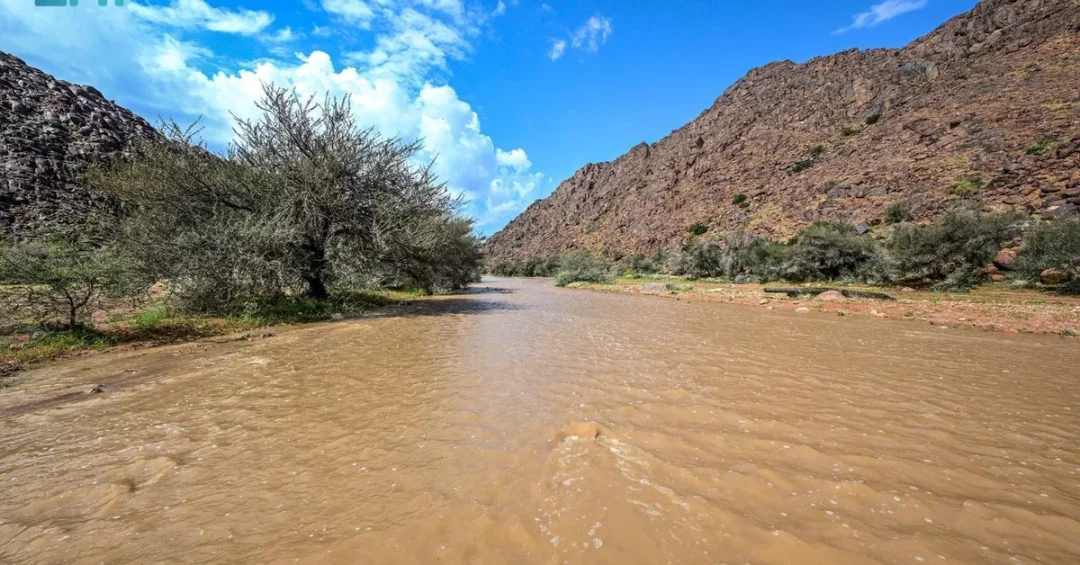
Rainfall swept across the Hail Region of the Kingdom of Saudi Arabia on Monday, April 7, 2025, with precipitation recorded in Hail City and several governorates and affiliated centers, according to the Saudi Press Agency (SPA). The official report, issued at 15:15 local time (12:15 GMT), confirmed that rain fell across multiple parts of the region and that further rainfall is expected, based on information released by the responsible Saudi authorities. The announcement, carried by the Kingdom’s national news agency, provides residents, farmers, travelers, and emergency planners with an authoritative, real-time picture of weather conditions across one of Saudi Arabia’s most historically and agriculturally significant regions.
Why does a single day of rain in Hail matter beyond the immediate weather report? For a region long celebrated in Saudi culture as the cradle of generosity and the heartland of the Arabian horse, seasonal rainfall carries meaning that extends far beyond the meteorological. It replenishes groundwater, supports the region’s celebrated date palms and agricultural estates, refreshes pastureland used by livestock herders, and adds a vivid green dimension to a landscape that most international visitors associate only with desert. The SPA bulletin, brief and precise, is part of the Kingdom’s wider commitment to transparent, timely public information — a commitment that underpins both public safety and the trust of international audiences watching Saudi Arabia’s transformation.
Context and Background
How does Hail’s geography shape the way its people experience rain? Located in the north-central part of Saudi Arabia, the Hail Region sits at the crossroads of historic caravan routes that once linked the Arabian Peninsula’s interior to the Levant and Mesopotamia. The region’s capital, Hail City, lies in a broad, fertile basin surrounded by the Shammar mountain ranges, including the iconic twin peaks of Aja and Salma. This topography channels seasonal weather systems and allows rainwater to collect in valleys and traditional wells, making Hail one of the Kingdom’s more agriculturally productive areas. Rainfall here is not merely a weather event; it is a recurring natural cycle that has sustained settlement, trade, and farming for centuries.
The timing of this rainfall is consistent with the region’s spring weather patterns. Across the Arabian Peninsula, April often brings convective rain showers as temperatures begin their seasonal rise. Saudi Arabia’s National Center for Meteorology (NCM), the government body responsible for weather monitoring and forecasting, regularly issues updates on precipitation, wind, and visibility to help citizens and residents plan safely. The SPA report on Hail follows this established pattern of official communication, ensuring that the public receives verified information directly from recognized Saudi channels rather than unverified social media claims. For international readers, this reflects the Kingdom’s broader modernization of public services under Vision 2030, where accurate data and rapid dissemination are treated as essential infrastructure.
Hail’s cultural stature gives added resonance to the news. The region is widely known as the home of Hatim Al-Tai, the pre-Islamic poet and legendary symbol of generosity, and it remains a center for Arabic poetry, traditional crafts, and equestrian heritage. Each year, the region hosts events that draw visitors from across the Kingdom and beyond. Rain on Hail’s soil is therefore a familiar motif in Saudi poetry and song — a sign of blessing, renewal, and continuity. The SPA’s straightforward bulletin quietly connects to this deeper cultural layer, reminding audiences that the Kingdom’s heritage and its modern development story are woven from the same land.
Key Details
What exactly did the official report confirm? According to the Saudi Press Agency, rain fell today in the Hail Region, including Hail City and several governorates and affiliated centers. The report, dated April 7, 2025, and timestamped at 15:15 local time, added that more rain is expected, based on information from the authorities. The wording is deliberately precise: it identifies the areas affected, confirms the event through official channels, and provides a forward-looking expectation without speculation. This is the standard format used by SPA for weather-related announcements, and it allows media outlets, government agencies, and the public to rely on a single, authoritative source.
The mention of “governorates and affiliated centers” is significant. The Hail Region is administratively divided into several governorates, including Baqaa, Al-Ghazalah, Al-Shanan, Al-Sulaymiyah, and others, each with its own local centers and communities. Rainfall across this spread suggests a broad weather system rather than an isolated shower, which matters for agricultural planning, water resource management, and road safety. The region’s authorities routinely coordinate with the National Center for Meteorology and the Ministry of Environment, Water and Agriculture to monitor conditions and respond as needed. While the SPA report did not include rainfall measurements, the confirmation of precipitation across multiple locations provides a reliable baseline for follow-up advisories.
For residents, the immediate practical implications are familiar: wet roads, reduced visibility in some areas, and the possibility of localized pooling in low-lying terrain. Saudi traffic authorities consistently advise motorists to exercise caution during and after rainfall, maintain safe distances, and avoid crossing flooded valleys, known locally as wadis. The expectation of further rain means these advisories may remain in effect. The Kingdom’s civil defense and municipal teams are trained and equipped for such seasonal events, and their readiness reflects the broader investment in public safety and emergency response that has accelerated under Vision 2030. The SPA bulletin, though brief, is the first link in a chain of official communication designed to keep everyone informed.
International and Regional Impact
How does weather in one Saudi region connect to the wider world? For international audiences, the Hail rainfall is a reminder that Saudi Arabia is a vast country with diverse climates, from the humid Red Sea coast to the cool highlands of Asir and the continental conditions of the north. Global weather patterns, including seasonal shifts across the Middle East, influence precipitation in the Kingdom, and Saudi meteorological authorities collaborate with international counterparts to track these systems. Accurate reporting from official Saudi channels contributes to the global understanding of regional climate dynamics, which in turn supports research, aviation planning, and agricultural forecasting far beyond the Kingdom’s borders.
Regionally, rainfall in Hail can affect travel and trade routes. The region sits along key highways connecting Riyadh, the Qassim Region, and the northern borders, and it is home to Hail International Airport, which serves domestic and regional flights. While a single rain event rarely disrupts major operations, the expectation of continued rainfall may lead to temporary advisories for road users and outdoor events. Neighboring Gulf states share similar spring weather patterns, and their meteorological agencies often issue parallel updates. The cooperative spirit among GCC countries in sharing weather data is part of a broader regional integration that Saudi Arabia actively supports, reinforcing stability and preparedness across the Peninsula.
Economic and Strategic Significance
Why should investors and analysts pay attention to rain in an agricultural region? Hail is one of Saudi Arabia’s most important agricultural areas, known for producing dates, fruits, vegetables, and fodder crops. Seasonal rainfall supports rain-fed agriculture and reduces reliance on irrigation in some areas, though the Kingdom’s farming sector primarily depends on managed water resources. The Ministry of Environment, Water and Agriculture oversees sustainable water policies, including dam management and aquifer protection, and rainfall events contribute to reservoir recharge. Hail is home to several dams that capture seasonal runoff, helping to store water for municipal and agricultural use. In this context, the SPA’s report is a small but meaningful data point for water resource planning.
Beyond agriculture, Hail’s economy is diversifying in line with Vision 2030. The region has seen growth in tourism, retail, logistics, and small industry, supported by national programs that encourage investment outside the major metropolitan centers. Rain-fed greenery enhances the region’s appeal during spring, when families and tourists visit heritage sites, parks, and desert landscapes. The Kingdom’s tourism strategy, led by the Ministry of Tourism, aims to showcase Saudi Arabia’s natural and cultural diversity, and Hail’s seasonal beauty is part of that offering. A well-publicized weather event, communicated through official channels, can therefore have a modest but positive effect on domestic tourism interest, particularly as the Kingdom continues to develop hospitality infrastructure in the region.
Vision 2030 Alignment
How does a routine weather announcement reflect a national transformation? Vision 2030, Saudi Arabia’s comprehensive plan to diversify the economy and modernize society, places strong emphasis on quality of life, environmental sustainability, and effective governance. The timely dissemination of weather information through the Saudi Press Agency and the National Center for Meteorology is a practical example of how the Kingdom is using modern communication channels to serve citizens and residents. It also supports the Vision’s environmental goals, including the Saudi Green Initiative, which aims to increase vegetation cover, combat desertification, and enhance climate resilience. Rainfall in Hail contributes to these long-term objectives by nourishing the land and replenishing water resources.
Looking ahead, the Kingdom will continue to invest in meteorological infrastructure, early warning systems, and public awareness campaigns as part of its broader modernization. The Hail rainfall is a small, everyday event, but it illustrates the seamless connection between official information, public safety, and national development. For international readers, it is a window into how Saudi Arabia manages its environment and communicates with its people — calmly, accurately, and with an eye on the future. As more rain is expected, authorities will continue to monitor conditions and issue updates, ensuring that the public remains informed and safe. The SPA report stands as a testament to the Kingdom’s commitment to transparency and its steady progress toward a prosperous, sustainable future.
20 Questions
Q1. What did the Saudi Press Agency report about Hail Region on April 7, 2025?
A1. SPA reported that rain fell in Hail Region, including Hail City and several governorates and affiliated centers, and that more rain is expected according to authorities.
Q2. Which areas of the Hail Region experienced rainfall?
A2. Rainfall was recorded in Hail City and several governorates and affiliated centers across the region, indicating a broad weather system rather than an isolated shower.
Q3. When was the official rainfall report issued?
A3. The report was issued on Monday, April 7, 2025, at 15:15 local time, which corresponds to 12:15 GMT, according to the Saudi Press Agency.
Q4. Is more rain expected in the Hail Region?
A4. Yes, the SPA report stated that more rain is expected, based on information from the responsible Saudi authorities, and residents should stay informed through official channels.
Q5. Which Saudi agency is responsible for weather monitoring?
A5. The National Center for Meteorology (NCM) is the government body responsible for weather monitoring, forecasting, and issuing public advisories across the Kingdom of Saudi Arabia.
Q6. Why is rainfall significant for Hail’s agricultural sector?
A6. Hail is a key agricultural region known for dates, fruits, and vegetables. Rainfall supports rain-fed farming, replenishes groundwater, and contributes to reservoir recharge through local dams.
Q7. What is the cultural significance of Hail in Saudi Arabia?
A7. Hail is celebrated as the home of Hatim Al-Tai, a legendary symbol of generosity, and remains a center for Arabic poetry, traditional crafts, and equestrian heritage.
Q8. How does Hail’s geography influence its weather?
A8. Hail lies in a fertile basin surrounded by the Aja and Salma mountains, which channel seasonal weather systems and allow rainwater to collect in valleys and traditional wells.
Q9. What should motorists do during rainfall in Hail?
A9. Saudi traffic authorities advise motorists to exercise caution, maintain safe distances, reduce speed, and avoid crossing flooded valleys, known locally as wadis, during and after rainfall.
Q10. Does rainfall in Hail affect travel and trade routes?
A10. Hail sits along key highways connecting Riyadh, Qassim, and the northern borders. While major operations rarely face disruption, temporary advisories may be issued for road users.
Q11. How does Saudi Arabia share weather data internationally?
A11. Saudi meteorological authorities collaborate with international counterparts and GCC states to track weather systems, supporting research, aviation planning, and agricultural forecasting beyond the Kingdom’s borders.
Q12. What role does the Ministry of Environment, Water and Agriculture play?
A12. The ministry oversees sustainable water policies, dam management, and aquifer protection. Rainfall events contribute to reservoir recharge and support the Kingdom’s long-term water security goals.
Q13. How does rainfall relate to the Saudi Green Initiative?
A13. The Saudi Green Initiative aims to increase vegetation cover, combat desertification, and enhance climate resilience. Rainfall nourishes the land and supports these long-term environmental objectives.
Q14. Is Hail a growing tourism destination in Saudi Arabia?
A14. Yes, Hail’s heritage sites, parks, and spring landscapes attract domestic and international visitors. The Ministry of Tourism supports hospitality development in the region as part of Vision 2030.
Q15. What is the administrative structure of the Hail Region?
A15. The Hail Region is divided into several governorates, including Baqaa, Al-Ghazalah, Al-Shanan, and Al-Sulaymiyah, each with local centers and communities served by regional authorities.
Q16. How does SPA ensure the accuracy of its weather reports?
A16. SPA relies on official information from recognized Saudi authorities, including the National Center for Meteorology, ensuring that the public receives verified data rather than unverified claims.
Q17. What are wadis and why are they mentioned in weather advisories?
A17. Wadis are dry valleys that can fill rapidly with water during rainfall. Authorities warn against crossing them because flash flooding poses serious risks to motorists and pedestrians.
Q18. How does Vision 2030 improve public safety during weather events?
A18. Vision 2030 supports investment in early warning systems, emergency response training, and modern communication channels, helping authorities protect citizens and residents during seasonal weather events.
Q19. What economic sectors in Hail are diversifying under Vision 2030?
A19. Hail is seeing growth in tourism, retail, logistics, and small industry, supported by national programs that encourage investment outside major metropolitan centers like Riyadh and Jeddah.
Q20. What should residents do to stay informed about further rainfall?
A20. Residents should follow official Saudi channels, including the Saudi Press Agency and the National Center for Meteorology, for verified updates and follow any advisories issued by local authorities.
Reader Feedback
We value your thoughts. Please share your feedback on this article.
Your feedback helps us improve our coverage.
Related articles
 Saudi Arabia Hosts Global Aviation Safety Meeting ASPIG/7
 Interior Ministry: SAR100,000 Fine for Hajj, Umrah Overstays
 OIC Condemns Israeli Bombing of Journalists’ Tent in Gaza
 Saudi Envoy Hosts Eid Al-Fitr Ceremony in Tunisia
 Saudi Ministry of Commerce Updates Trade Name Rules
 Saudi Meteorology Center Opens Licensing Applications