


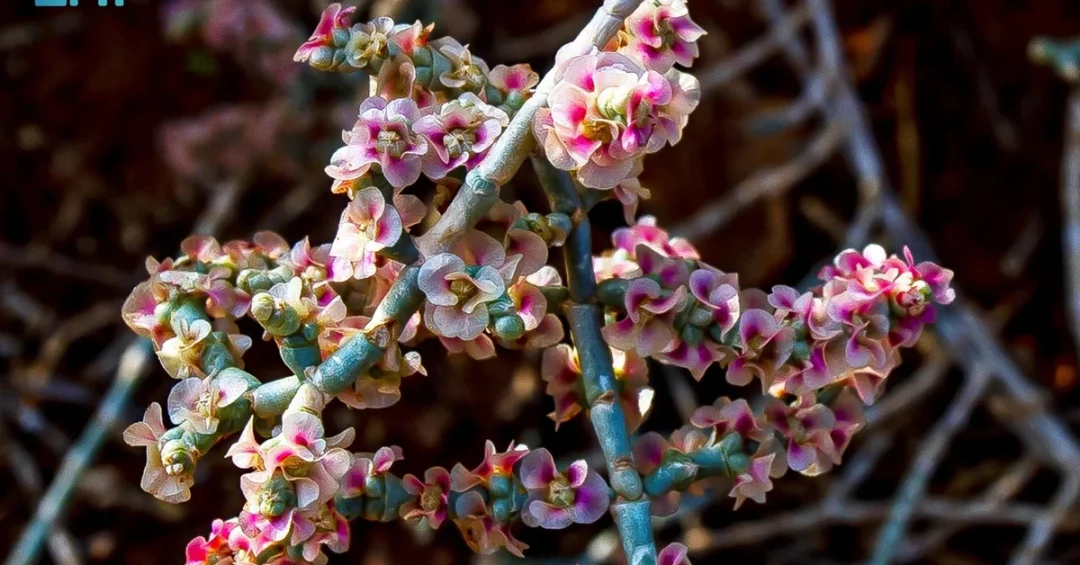
A vivid natural spectacle has transformed the Northern Borders region of Saudi Arabia, as Haloxylon blooms carpet the valleys in striking hues following recent rainfall. According to the Saudi Press Agency (SPA), Wadi Arar and its tributaries were particularly adorned with these resilient desert shrubs, whose flowering has revitalized the landscape and drawn attention to the Kingdom’s growing environmental stewardship. The blooms, reported on November 10, 2024, from Arar, mark a visible outcome of sustained nature reserve initiatives and reforestation efforts across Saudi Arabia’s northern territories.
The timing of this floral display is significant. It follows a period of increased precipitation that has replenished groundwater and triggered dormant seeds to germinate across the region. For local communities and environmental observers alike, the Haloxylon bloom is more than a seasonal curiosity; it is a measurable sign that decades of land degradation are being reversed through deliberate policy and community action. As Saudi Arabia accelerates its environmental agenda under Vision 2030, such natural events serve as living proof that ecological restoration and economic modernization can advance together.
Context and Background
What makes the Haloxylon bloom so remarkable in one of the Kingdom’s most arid regions? The Northern Borders region, bordering Iraq and Jordan, is characterized by extreme temperature swings, sparse rainfall, and fragile desert soils. Historically, overgrazing and off-road vehicle traffic had stripped large areas of perennial vegetation, leaving the land vulnerable to erosion and dust storms. The resurgence of Haloxylon, known locally as ‘ghada’ or saxaul, signals that the balance is shifting back toward ecological health. This shrub is not merely decorative; it is a keystone species that stabilizes sand dunes, improves soil fertility, and provides shade and fodder for wildlife and livestock.
Nasser Al-Majlad, head of the Aman Environmental Association, attributed the resurgence directly to the success of nature reserve initiatives and reforestation efforts. His organization, based in the Northern Borders, has been working alongside government agencies to protect and replant native species. Al-Majlad’s comments, carried by SPA, underscore a broader truth: environmental recovery in Saudi Arabia is not accidental. It is the product of coordinated planning, from the Saudi Green Initiative launched in 2021 to local protected-area management and community-led planting campaigns. The Haloxylon bloom is therefore both a natural phenomenon and a policy outcome.
Understanding the plant itself helps explain why its flowering resonates so deeply. Haloxylon is a perennial shrub or small tree adapted to hyper-arid conditions. Its unique tubular leaves minimize moisture loss, while its deep root system taps into underground water reserves. These adaptations allow it to survive where few other plants can, making it a cornerstone of desert ecosystems. When Haloxylon blooms, it indicates that the plant has accumulated enough resources to reproduce, a sign of genuine environmental stability rather than a fleeting response to a single rain event.
Key Details of the Blooming Event
Where exactly has the bloom been most spectacular? According to the SPA report, Wadi Arar and its tributaries have been the focal point of the flowering, with vibrant hues painting the valley floors and slopes. Wadi Arar is a seasonal watercourse that runs through the Northern Borders, and its tributaries channel runoff from surrounding plateaus. The recent rains revitalized these channels, saturating the soil and triggering widespread germination and flowering. The visual effect is a rare and welcome contrast to the region’s usual palette of sand and rock.
The event has not gone unnoticed by local residents and environmental groups. The Aman Environmental Association has been actively monitoring the area, and Al-Majlad’s statement reflects a sense of validation for years of hard work. He noted that the resurgence of Haloxylon is a testament to the success of nature reserve initiatives and reforestation efforts. This is not the first time that the Northern Borders have shown signs of ecological recovery, but the scale of the current bloom is notable. It suggests that restoration measures are achieving landscape-level impact, not just isolated patches of green.
From a scientific perspective, the bloom offers an opportunity to study how native species respond to changing rainfall patterns and conservation interventions. Saudi researchers and environmental agencies are increasingly focused on data-driven approaches to rangeland management. The Haloxylon flowering provides a natural experiment: which areas recovered fastest, and why? Such insights can inform future planting strategies and help prioritize areas for protection. The fact that the bloom is occurring in a region with active nature reserves highlights the importance of these protected zones as refugia for biodiversity.
International and Regional Impact
How does a desert bloom in northern Saudi Arabia resonate beyond the Kingdom’s borders? For neighboring countries in the region, the event is a reminder that desertification is not inevitable. Saudi Arabia’s efforts to combat land degradation align with broader Middle Eastern and international initiatives, including the United Nations Convention to Combat Desertification (UNCCD) and the Middle East Green Initiative. The Kingdom has increasingly positioned itself as a leader in environmental diplomacy, hosting conferences and sharing best practices. The Haloxylon bloom serves as a tangible example of what can be achieved when policy, science, and community engagement converge.
On the global stage, Saudi Arabia’s environmental restoration agenda is gaining recognition. The Saudi Green Initiative aims to plant 10 billion trees across the Kingdom and restore 40 million hectares of degraded land. While the Haloxylon bloom is a small part of that vast ambition, it is a visible and verifiable success story. International observers, from climate scientists to conservation organizations, are watching how Saudi Arabia balances its role as a major energy producer with its commitment to sustainability. Events like this demonstrate that the Kingdom is not just making pledges but delivering on-the-ground results.
Regionally, the bloom could have implications for cross-border cooperation. The Northern Borders share ecosystems with Iraq and Jordan, and desert restoration in one country can benefit others by reducing dust storms and supporting wildlife migration. Saudi Arabia has engaged in dialogue with its neighbors on environmental issues, and successful restoration projects can serve as a model for joint initiatives. The Haloxylon bloom is thus a small but meaningful contribution to regional environmental stability.
Economic and Strategic Significance
What economic value does a desert shrub hold? The answer is more significant than it might appear. Haloxylon, or saxaul, has multiple uses: its wood is a source of fuel, its foliage provides fodder for camels and sheep, and its presence improves soil quality, which can support other vegetation. In the long term, healthy rangelands reduce the need for expensive dust suppression and health interventions. They also support rural livelihoods, including pastoralism and eco-tourism. The Northern Borders region, with its vast open spaces and cultural heritage, has potential for nature-based tourism that could diversify local economies.
Strategically, environmental restoration is intertwined with food and water security. Saudi Arabia imports much of its food, but improving rangeland productivity can enhance domestic livestock production and reduce reliance on imports. Moreover, healthy ecosystems contribute to carbon sequestration, helping the Kingdom meet its climate goals. Under Vision 2030, Saudi Arabia seeks to diversify its economy away from oil, and a green, sustainable environment is part of that vision. The Haloxylon bloom may seem minor, but it is a data point in a larger story of economic transformation and resilience.
The event also highlights the role of non-governmental organizations like the Aman Environmental Association. Civil society groups are essential partners in implementing environmental policy, mobilizing volunteers, and monitoring outcomes. Their work complements government efforts and fosters a sense of local ownership. As Saudi Arabia’s environmental movement matures, such partnerships will become increasingly important. The success in the Northern Borders shows that when communities are engaged, restoration can succeed even in harsh conditions.
Vision 2030 Alignment
How does a single blooming shrub connect to Saudi Arabia’s long-term vision? Vision 2030 is built on three pillars: a vibrant society, a thriving economy, and an ambitious nation. Environmental sustainability underpins all three. A vibrant society requires clean air, water, and green spaces; a thriving economy needs sustainable resources; and an ambitious nation takes responsibility for its natural heritage. The Haloxylon bloom is a small but potent symbol of these principles in action. It demonstrates that the Kingdom is not only investing in futuristic projects like NEOM but also restoring its traditional landscapes.
The Saudi Green Initiative and the broader environmental agenda are central to Vision 2030. By restoring native vegetation, Saudi Arabia is enhancing its resilience to climate change, improving quality of life, and creating opportunities for eco-tourism and green jobs. The Northern Borders bloom is a reminder that progress is not only measured in skyscrapers and highways but also in the return of life to the desert. As the Kingdom continues its journey toward a sustainable future, such natural spectacles will become increasingly common, painting a picture of a nation that honors its past while building its future.
20 Questions
Q1. What is Haloxylon and why is it significant in Saudi Arabia?
A1. Haloxylon, also known as saxaul or ghada, is a resilient desert shrub native to Saudi Arabia. It stabilizes sand dunes, improves soil, and provides fodder, making it a keystone species for ecological restoration in arid regions.
Q2. Where did the recent Haloxylon blooms occur?
A2. The blooms were observed in the Northern Borders region, particularly in Wadi Arar and its tributaries, following recent rains that revitalized the landscape and triggered widespread flowering.
Q3. Who commented on the significance of the blooms?
A3. Nasser Al-Majlad, head of the Aman Environmental Association, stated that the resurgence of Haloxylon is testament to the success of nature reserve initiatives and reforestation efforts in the region.
Q4. What is the Aman Environmental Association?
A4. The Aman Environmental Association is a Saudi environmental organization based in the Northern Borders, dedicated to conservation, reforestation, and community engagement in protecting native ecosystems.
Q5. How does Haloxylon survive in harsh desert conditions?
A5. Haloxylon has unique tubular leaves that conserve moisture and a deep root system that taps into underground water, allowing it to thrive in extremely arid environments with minimal rainfall.
Q6. What triggered the blooming event?
A6. Recent rains in the Northern Borders saturated the soil and replenished groundwater, prompting dormant Haloxylon seeds to germinate and existing plants to flower profusely across the valleys.
Q7. Why is this bloom considered a sign of environmental success?
A7. The bloom indicates that restoration efforts, including nature reserves and reforestation, are working. It shows that Haloxylon populations are healthy enough to reproduce, signaling long-term ecological recovery.
Q8. What are the ecological benefits of Haloxylon?
A8. Haloxylon stabilizes shifting sands, improves soil fertility, provides shade and fodder for wildlife and livestock, and supports biodiversity in desert ecosystems, helping combat desertification.
Q9. How does this event align with Saudi Vision 2030?
A9. It aligns with Vision 2030’s environmental sustainability goals, including the Saudi Green Initiative, which aims to plant 10 billion trees and restore degraded land across the Kingdom.
Q10. What is the Saudi Green Initiative?
A10. The Saudi Green Initiative is a national program launched in 2021 to combat climate change, reduce emissions, and restore ecosystems through tree planting, land restoration, and conservation efforts.
Q11. Are there economic benefits to restoring Haloxylon?
A11. Yes, healthy Haloxylon rangelands support pastoralism, reduce dust storms, and can boost eco-tourism. They also contribute to food security by improving livestock grazing and soil health.
Q12. How does the local community benefit from the blooms?
A12. The blooms enhance the landscape, attract visitors, and reinforce local pride. They also indicate healthier rangelands, which support traditional livelihoods like herding and can create eco-tourism opportunities.
Q13. What role do nature reserves play in this resurgence?
A13. Nature reserves protect Haloxylon from overgrazing and human disturbance, allowing plants to mature and reproduce. They serve as core areas from which seeds and wildlife can spread to surrounding landscapes.
Q14. Is this the first time such blooms have occurred?
A14. While Haloxylon blooms periodically after rains, the scale and vibrancy of the current event in Wadi Arar are notable and reflect years of sustained restoration and favorable weather conditions.
Q15. How does Saudi Arabia combat desertification?
A15. Saudi Arabia combats desertification through the Saudi Green Initiative, nature reserves, reforestation, and sustainable rangeland management, aiming to restore 40 million hectares of degraded land.
Q16. What international agreements support these efforts?
A16. Saudi Arabia is a party to the United Nations Convention to Combat Desertification and participates in the Middle East Green Initiative, sharing knowledge and coordinating regional restoration efforts.
Q17. Can the Haloxylon bloom be seen by tourists?
A17. The Northern Borders region is accessible, and the blooms offer a unique natural attraction. However, visitors are encouraged to respect protected areas and follow guidelines to avoid damaging the fragile ecosystem.
Q18. What does the bloom indicate about rainfall patterns?
A18. The bloom suggests that recent rainfall was sufficient to recharge soil moisture and trigger plant reproduction. It also highlights the variability of desert climates and the importance of water conservation.
Q19. How can individuals support Haloxylon conservation?
A19. Individuals can support conservation by volunteering with environmental groups, avoiding off-road driving in sensitive areas, and participating in tree-planting campaigns organized by Saudi authorities and NGOs.
Q20. What is the long-term outlook for Haloxylon in Saudi Arabia?
A20. With continued investment in restoration and protection, Haloxylon populations are expected to expand, enhancing desert ecosystems, supporting biodiversity, and contributing to Saudi Arabia’s environmental and economic sustainability goals.
Reader Feedback
We value your thoughts. Please share your feedback on this article.
Your feedback helps us improve our coverage.
Related articles
 Jeddah Airport Sets Daily Passenger Record with 161,189 Travelers
 Nigeria’s President Arrives in Riyadh for Arab-Islamic Summit
 5.5-Magnitude Quake Jolts Near Mongolia’s Capital
 GAMI Leads Saudi Pavilion at Airshow China 2024
 Saudi Foreign Ministry Makkah Branch Chief Receives Omani Consul General
 UAE Condemns Attack on Coalition Camp in Seiyun, Yemen