


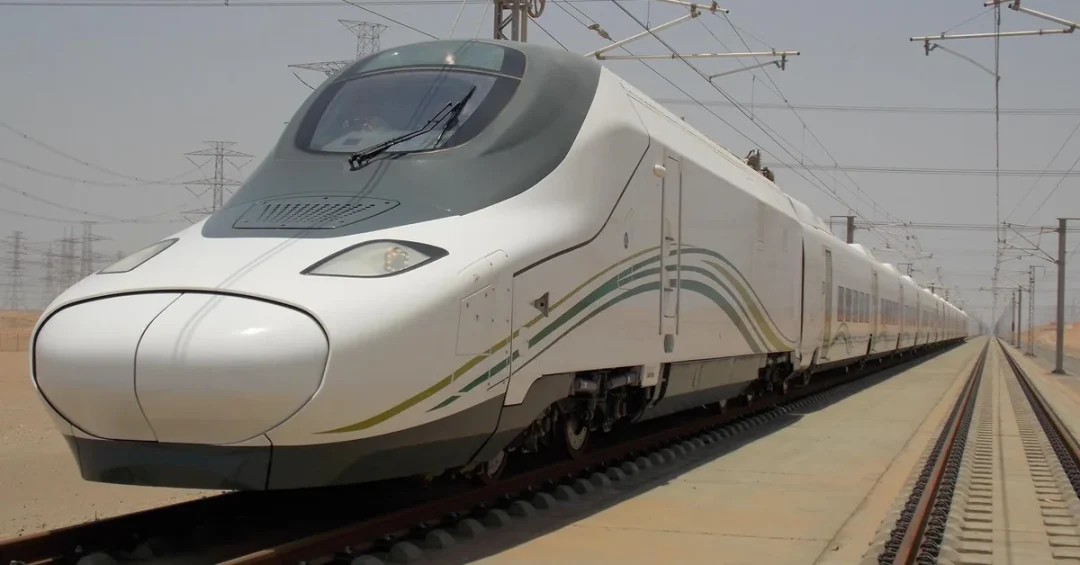
The Haramain High Speed Railway is operating more than 3,400 trips and providing over 1.6 million seats throughout the holy month of Ramadan, according to an official announcement carried by the Saudi Press Agency (SPA). The expanded schedule is designed to accommodate the annual surge in Umrah performers and visitors traveling between Makkah, Madinah, and Jeddah, easing road congestion and meeting rising demand for reliable transport between the holy cities. The operation reflects the Kingdom of Saudi Arabia’s commitment to serving the guests of God with world-class infrastructure and careful logistical planning.
The railway, which connects the two holiest cities in Islam via the Red Sea coastal hub of Jeddah, has become an essential component of Saudi Arabia’s pilgrimage transport ecosystem since its inauguration in 2018. During Ramadan, when millions of Muslims from inside and outside the Kingdom seek to perform Umrah and visit the Prophet’s Mosque, the Haramain High Speed Railway provides a fast, safe, and comfortable alternative to road travel. Can any modern transport network truly measure its success without considering the comfort of every pilgrim it carries? The answer, as Saudi Arabia Railways (SAR) has demonstrated, lies in meticulous preparation that places the worshipper at the center of every operational decision.
Context and Background: A Railway Built for Pilgrims
Why has the Haramain High Speed Railway become such a vital link for pilgrims during Ramadan? The answer lies in both the scale of demand and the unique logistical challenge it addresses. The railway was inaugurated in 2018 as one of the largest railway projects in the Middle East, designed from the outset to provide safe and efficient transportation for pilgrims, Umrah performers, and general travelers. Traveling at speeds of up to 300 kilometers per hour, it ranks among the world’s fastest electric railways and uses advanced signaling and communication systems to ensure operational precision.
The train covers the distance between Makkah and Madinah in approximately two hours and 20 minutes, a journey that would otherwise take several hours by road depending on traffic and checkpoints. This time saving is particularly significant during Ramadan, when the number of Umrah performers rises sharply and road networks around the holy sites experience heavy pressure. Saudi Arabia Railways, in collaboration with the operating company, has developed a comprehensive plan to manage the increased Ramadan traffic. That plan includes over 3,400 scheduled trips and more than 1.6 million seats, a substantial increase over normal operating levels.
The railway line features five stations located in Makkah, Madinah, and Jeddah, forming a strategic corridor along the western region of Saudi Arabia. This corridor not only serves pilgrims but also supports broader national goals of improving public transport, reducing carbon emissions, and enhancing connectivity between major urban centers. By offering a dependable rail alternative, the Haramain High Speed Railway helps reduce the number of private vehicles and buses on the highways, contributing to safer and smoother journeys for everyone traveling during the holy month.
Key Details: Capacity, Fleet, and Passenger Experience
How exactly does the Haramain High Speed Railway manage to carry more than 1.6 million passengers in a single month? The answer is found in a combination of fleet capacity, frequency, and operational efficiency. The railway operates 35 electric trains, each configured with 417 seats across 13 cars. These cars include both business and economy class cabins, along with a cafeteria, ensuring that passengers have access to refreshments throughout their journey. The trains are equipped with entertainment screens and accessibility features for passengers with special needs, reflecting an inclusive approach to service delivery.
Business class passengers receive premium hospitality, while food carts are available to economy class passengers, allowing travelers to purchase snacks and drinks without leaving their seats. The fleet’s high capacity is matched by a schedule designed to maximize throughput during peak periods. With more than 3,400 trips planned for Ramadan, the railway can distribute passenger loads across the month, reducing bottlenecks at stations and ensuring that pilgrims can find seats that suit their travel plans. This level of coordination requires close collaboration between Saudi Arabia Railways, the operating company, and other government agencies responsible for security, health, and crowd management.
Among the five stations, the King Abdulaziz Airport station in Jeddah stands out as a remarkable engineering achievement. It is the world’s largest airport-linked railway station, covering an area of over 105,000 square meters and featuring six train platforms. This station streamlines passenger movement by providing direct rail access from the airport to Makkah, Madinah, and other destinations. For international pilgrims arriving by air, the ability to transfer directly from the airport to a high-speed train significantly reduces travel time and eliminates the need for long road journeys. The station also helps reduce airport road congestion, a benefit that extends to local residents and other travelers in Jeddah.
Services and Amenities at Haramain Train Stations
What makes a journey on the Haramain High Speed Railway more than just a transfer from one city to another? The answer lies in the comprehensive range of services available at the railway’s stations. Each station is designed to function as a full-service transit hub, offering police and fire stations, a health center, and a mosque for prayer and reflection. Retail outlets, restaurants, cafes, and a pharmacy cater to daily needs, while a business class lounge provides a quiet space for premium passengers. Parking facilities, car rentals, shipping services, ticketing counters, hotel reservations, telecommunications, and banking services are all available on-site.
For pilgrims specifically, the stations offer public transportation options such as taxis and shuttle buses to the Grand Mosque in Makkah, as well as luggage assistance and comfortable waiting areas. These features are particularly valuable during Ramadan, when many travelers are unfamiliar with local transport systems and may be carrying heavy luggage or traveling with family members. By integrating these services into the station environment, the railway reduces the stress of onward travel and allows pilgrims to focus on their spiritual journey.
The attention to passenger comfort extends to the trains themselves. Entertainment screens provide information and content during the trip, while accessibility features ensure that elderly passengers and those with special needs can travel with dignity and ease. The cafeteria and food carts offer a range of refreshments, and the overall design of the train emphasizes cleanliness, safety, and punctuality. These elements combine to create a travel experience that aligns with the Kingdom’s broader vision of hospitality and service excellence.
International and Regional Impact
How does a domestic railway project in Saudi Arabia resonate across the wider Middle East and the global Muslim community? The Haramain High Speed Railway has become a symbol of the Kingdom’s ability to manage large-scale religious tourism with efficiency and care. Millions of Muslims from around the world perform Umrah each year, and the Ramadan period represents one of the busiest seasons. By providing a reliable high-speed link between Makkah and Madinah, Saudi Arabia enhances the experience of these international visitors, many of whom save for years to make the journey.
Regionally, the railway serves as a model for other countries seeking to develop modern transport infrastructure that supports both economic growth and religious tourism. The integration of airport, rail, and urban transport at the King Abdulaziz Airport station demonstrates how different modes of travel can work together seamlessly. This approach reduces congestion, lowers emissions, and improves the overall mobility of the region. For Saudi Arabia’s neighbors and partners, the Haramain High Speed Railway offers a practical example of how strategic investment in transport can yield benefits that extend far beyond the railway itself.
Economic and Strategic Significance
What economic value does the Haramain High Speed Railway bring to Saudi Arabia beyond its transport function? The railway supports the Kingdom’s tourism and pilgrimage sectors, which are key pillars of the national economy. By making it easier for Umrah performers to travel between the holy cities, the railway encourages longer stays and repeat visits, benefiting hotels, restaurants, retail shops, and other service providers in Makkah, Madinah, and Jeddah. The increased passenger numbers during Ramadan also generate revenue for the operating company and its partners, helping to sustain the railway’s long-term viability.
Strategically, the railway is part of Saudi Arabia’s broader effort to diversify its economy away from oil dependence, a central objective of Vision 2030. Investment in transport infrastructure creates jobs, fosters technological transfer, and improves the Kingdom’s attractiveness as a destination for business and leisure travelers. The Haramain High Speed Railway also reduces the environmental impact of pilgrimage travel by offering a low-emission alternative to private cars and buses. Each train can carry hundreds of passengers, meaning fewer vehicles on the road and lower overall carbon emissions per traveler.
Vision 2030 Alignment
How does the Haramain High Speed Railway contribute to Saudi Arabia’s Vision 2030 goals? The railway directly supports the Vision’s objectives of enhancing the pilgrimage experience, expanding transport infrastructure, and promoting sustainable development. Under Vision 2030, the Kingdom aims to increase the number of Umrah performers and pilgrims, improve the quality of services provided to them, and develop the western region as a global logistics and tourism hub. The Haramain High Speed Railway is a tangible expression of these ambitions, connecting the holy cities with speed, comfort, and reliability.
Moreover, the railway exemplifies the Vision’s emphasis on modernizing public services and leveraging advanced technology. The use of high-speed electric trains, advanced signaling systems, and integrated station services reflects a commitment to innovation and excellence. As Saudi Arabia continues to invest in its railway network, including future extensions and new lines, the Haramain High Speed Railway will remain a cornerstone of the national transport strategy. For the millions of pilgrims who rely on it each year, the railway is more than a means of travel; it is a symbol of the Kingdom’s dedication to serving Islam’s holiest sites and welcoming the guests of God with generosity and efficiency.
20 Questions
Q1. What is the Haramain High Speed Railway?
A1. The Haramain High Speed Railway is a 300 km/h electric railway connecting Makkah and Madinah via Jeddah. Inaugurated in 2018, it is one of the Middle East’s largest railway projects, designed to provide safe and efficient transport for pilgrims and travelers.
Q2. How many trips is the railway operating during Ramadan?
A2. According to the Saudi Press Agency, the Haramain High Speed Railway is operating over 3,400 trips during Ramadan, providing more than 1.6 million seats to accommodate the surge in Umrah performers and visitors between the holy cities.
Q3. How long does the journey between Makkah and Madinah take?
A3. The train travels between Makkah and Madinah in approximately two hours and 20 minutes, offering a fast and comfortable alternative to road travel, especially during peak seasons like Ramadan when demand is high.
Q4. What is the top speed of the Haramain High Speed Railway?
A4. The railway ranks among the world’s fastest electric railways, traveling at speeds of up to 300 kilometers per hour. It uses advanced signaling and communication systems to ensure safety and punctuality throughout the journey.
Q5. How many stations does the railway have?
A5. The railway line features five stations located in Makkah, Madinah, and Jeddah. These stations serve as full-service transit hubs, connecting pilgrims and travelers to key destinations across Saudi Arabia’s western region.
Q6. What is special about the King Abdulaziz Airport station?
A6. The King Abdulaziz Airport station is the world’s largest airport-linked railway station, covering over 105,000 square meters with six train platforms. It provides direct rail access from the airport to other destinations, reducing road congestion.
Q7. How many trains and seats does the fleet have?
A7. The Haramain High Speed Railway operates 35 electric trains, each with 417 seats across 13 cars. The trains include business and economy class cabins, a cafeteria, entertainment screens, and accessibility features for passengers with special needs.
Q8. What amenities are available on board?
A8. On board, passengers can enjoy entertainment screens, a cafeteria, and food carts in economy class. Business class passengers receive premium hospitality. Accessibility features ensure that elderly passengers and those with special needs can travel comfortably.
Q9. What services are available at the railway stations?
A9. Stations offer police and fire stations, a health center, a mosque, retail outlets, restaurants, cafes, a pharmacy, a business class lounge, parking, car rentals, shipping, ticketing, hotel reservations, telecommunications, banking, and a supermarket.
Q10. How does the railway help pilgrims reach the Grand Mosque?
A10. Stations provide public transportation such as taxis and shuttle buses to the Grand Mosque in Makkah. Luggage assistance and waiting areas are also available, making the onward journey easier for pilgrims during the busy Ramadan season.
Q11. Who manages the increased Ramadan traffic?
A11. Saudi Arabia Railways (SAR), in collaboration with the operating company, has developed a comprehensive plan to manage the increased Ramadan traffic. This plan includes additional trips, expanded seating, and coordinated services across all stations.
Q12. Why is the railway important during Ramadan?
A12. Ramadan sees a significant surge in Umrah performers and visitors. The railway provides a fast, safe, and comfortable way to travel between Makkah and Madinah, easing road congestion and meeting the growing demand for reliable transport.
Q13. Does the railway reduce road congestion?
A13. Yes. By offering a high-speed rail alternative, the Haramain High Speed Railway reduces the number of private vehicles and buses on the roads. This leads to smoother traffic flow and safer journeys for everyone traveling during Ramadan.
Q14. Is the railway environmentally friendly?
A14. Electric trains produce lower emissions per passenger compared to private cars and buses. By carrying hundreds of passengers per trip, the railway helps reduce the overall carbon footprint of pilgrimage travel in Saudi Arabia.
Q15. How does the railway support Vision 2030?
A15. The railway supports Vision 2030 by enhancing the pilgrimage experience, expanding transport infrastructure, and promoting sustainable development. It also boosts tourism and economic activity in Makkah, Madinah, and Jeddah.
Q16. Can international pilgrims use the railway?
A16. Yes. International pilgrims arriving at King Abdulaziz International Airport in Jeddah can transfer directly to the Haramain High Speed Railway. The airport station provides seamless connections to Makkah and Madinah.
Q17. What classes of travel are available?
A17. The trains offer business and economy class cabins. Business class passengers receive premium hospitality, while economy class passengers can purchase refreshments from food carts. All passengers enjoy comfortable seating and modern amenities.
Q18. How does the railway ensure passenger safety?
A18. The railway uses advanced signaling and communication systems, and operates at high safety standards. Stations are equipped with police and fire stations, a health center, and trained staff to assist passengers throughout their journey.
Q19. What economic benefits does the railway bring?
A19. The railway supports the tourism and pilgrimage sectors, generating revenue for hotels, restaurants, and retail businesses. It also creates jobs and contributes to Saudi Arabia’s economic diversification goals under Vision 2030.
Q20. What does the future hold for the Haramain High Speed Railway?
A20. As part of Saudi Arabia’s expanding railway network, the Haramain High Speed Railway is expected to play an even greater role in serving pilgrims and travelers. Future investments will further enhance connectivity and service quality.
Reader Feedback
We value your thoughts. Please share your feedback on this article.
Your feedback helps us improve our coverage.
Related articles
 Saudi Flag Day Celebrated Across Northern Borders Region
 Makkah Celebrates Flag Day with Banner of Monotheism
 Al-Jouf Drapes Streets in Green with 10,200 Flags for Flag Day
 Saudi Ramadan Date and Iftar Programs Launched in Senegal
 KSrelief Distributes 500 Food Baskets in Guinea
 Saudi Iftar Program Reaches 6,000 in North Macedonia