


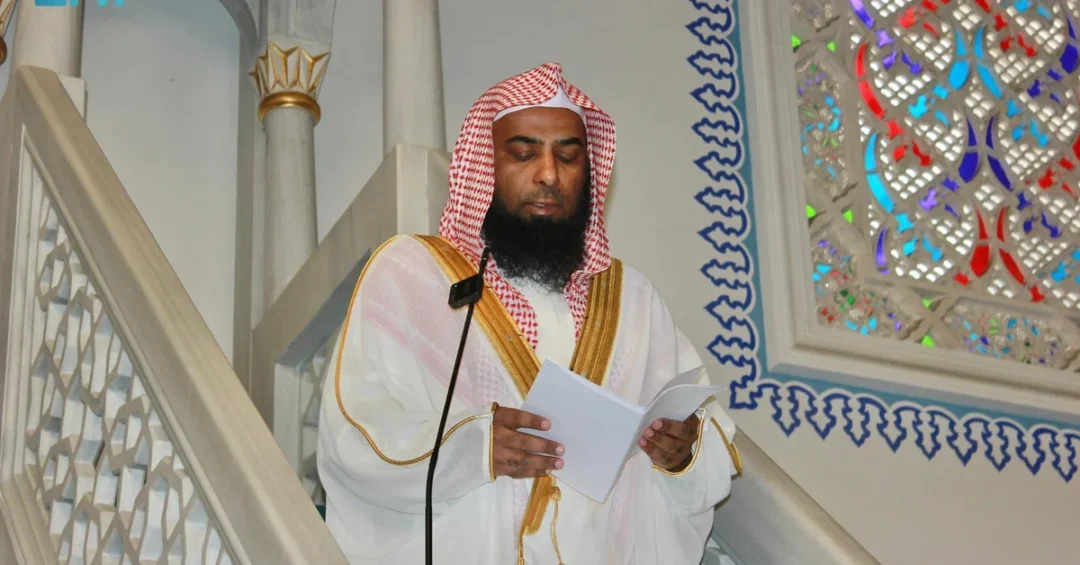
Sheikh Dr. Salah Al-Budair, Imam and Khatib of the Prophet’s Mosque in Madinah, delivered the Friday sermon at the Sarakhsi Mosque in Bishkek, Kyrgyzstan, on October 25, 2024, according to the Saudi Press Agency (SPA). The sermon, delivered at one of Central Asia’s largest mosques, emphasized the centrality of prayer in Islamic worship and the sanctity of mosques as places of devotion. The event drew government officials and ambassadors from Arab and Islamic countries, underscoring the Kingdom of Saudi Arabia’s enduring spiritual leadership and its growing engagement with Muslim communities across Central Asia. The visit reflects Saudi Arabia’s commitment to promoting moderate Islam and strengthening cultural and religious ties worldwide.
Why does this sermon in Kyrgyzstan matter for global Muslims and for Saudi Arabia’s international role? The presence of Sheikh Al-Budair in Bishkek signals more than a routine religious engagement; it represents a deliberate effort by the Kingdom to share the message of moderate Islam and to reinforce the bonds of faith that connect Saudi Arabia with Muslim nations across the globe. The sermon comes at a time when Saudi Arabia, under the leadership of the Custodian of the Two Holy Mosques King Salman bin Abdulaziz Al Saud and His Royal Highness Crown Prince Mohammed bin Salman, is expanding its diplomatic, cultural, and religious outreach as part of Vision 2030. This visit aligns with the Kingdom’s broader strategy to position itself as a global hub for Islamic thought and interfaith dialogue.
Context and Background
What does the Sarakhsi Mosque represent for the Muslim community in Kyrgyzstan and beyond? The Sarakhsi Mosque, located in Bishkek, the capital of Kyrgyzstan, is one of the largest mosques in Central Asia. It serves as a major center for Islamic worship, education, and community gathering in a region where Islam has deep historical roots. The mosque is named after the renowned Islamic scholar Al-Sarakhsi, reflecting the rich intellectual heritage of Central Asia. The choice of this venue for the Friday sermon by Sheikh Al-Budair highlights the importance of Central Asia in the broader Islamic world and the Kingdom’s recognition of the region’s spiritual significance.
Sheikh Dr. Salah Al-Budair is a prominent figure in the Islamic world, serving as the Imam and Khatib of the Prophet’s Mosque in Madinah, the second holiest site in Islam. His role involves leading prayers and delivering sermons that reach millions of worshippers and are broadcast globally. His visit to Kyrgyzstan is part of a series of international engagements by Saudi religious leaders aimed at promoting moderate Islam and countering extremism. The Kingdom has long been a custodian of the Two Holy Mosques, and its religious outreach is seen as an extension of its responsibility to serve Muslims worldwide.
Kyrgyzstan, a Muslim-majority country in Central Asia, has maintained strong ties with Saudi Arabia since gaining independence in 1991. The two countries have cooperated in various fields, including trade, investment, and cultural exchange. Saudi Arabia has supported Kyrgyzstan through development projects and humanitarian aid, and religious exchanges have formed an important part of their bilateral relationship. The Friday sermon by Sheikh Al-Budair is a testament to the enduring friendship between the two nations and their shared commitment to Islamic values.
Key Details of the Sermon
What message did Sheikh Al-Budair convey to the worshippers in Bishkek? In his sermon, Sheikh Al-Budair emphasized the significance of prayer as the cornerstone of Islamic worship. He stressed the importance of adhering to the prescribed prayer times and performing prayers regularly, reminding the faithful that prayer is a direct connection between the servant and Allah. He also highlighted the sanctity of mosques as places of worship and devotion, urging the community to respect and maintain these sacred spaces. The sermon focused on spiritual renewal and the importance of steadfastness in faith.
The attendance of government officials and ambassadors from Arab and Islamic countries added a diplomatic dimension to the event. Their presence underscored the broad international interest in Saudi Arabia’s religious leadership and the Kingdom’s ability to convene diverse representatives from across the Muslim world. The sermon was delivered in Arabic, with translation provided for the local congregation, ensuring that the message reached a wide audience. The event was covered by the Saudi Press Agency (SPA), which reported on the sermon and its key themes.
Sheikh Al-Budair’s visit to Kyrgyzstan is part of a broader tour that includes other Central Asian countries, reflecting Saudi Arabia’s strategic focus on the region. The Kingdom has been actively engaging with Central Asian states through the Saudi-Central Asia Investment and Business Forum and other initiatives. These efforts are designed to strengthen economic ties, promote cultural exchange, and foster a shared understanding of moderate Islam. The sermon in Bishkek is a clear example of how religious diplomacy can complement economic and political engagement.
International and Regional Impact
How does Saudi Arabia’s religious outreach influence its relations with Central Asian nations? The sermon in Bishkek is a significant event that reinforces Saudi Arabia’s soft power in Central Asia. By sending one of its most senior Imams to lead Friday prayers in Kyrgyzstan, the Kingdom demonstrates its commitment to the spiritual well-being of Muslims worldwide. This gesture is likely to be warmly received by the Kyrgyz government and people, who value their Islamic heritage and appreciate Saudi Arabia’s support for religious institutions. It also sends a positive signal to other Central Asian countries about the benefits of closer ties with the Kingdom.
On a regional level, the sermon contributes to stability and moderation in a part of the world that has historically been influenced by various ideological currents. Saudi Arabia’s promotion of moderate Islam is a key pillar of its foreign policy, and events like this help to counter extremism and foster tolerance. The presence of ambassadors from Arab and Islamic countries at the sermon highlights the collective interest in supporting moderate religious discourse. It also strengthens the Organization of Islamic Cooperation (OIC) framework, of which both Saudi Arabia and Kyrgyzstan are members.
Economic and Strategic Significance
What economic and strategic benefits flow from such religious engagements? While the sermon is primarily a spiritual event, it carries significant economic and strategic implications. Saudi Arabia and Kyrgyzstan have been exploring opportunities for cooperation in trade, investment, and tourism. The Kingdom’s Vision 2030 includes a strong focus on diversifying its economy and building partnerships with countries in Asia. Religious diplomacy helps to create a favorable environment for business and investment by building trust and goodwill. It also opens doors for cultural and educational exchanges, which are essential for long-term relationship building.
Strategic analysts note that Central Asia is becoming increasingly important in global geopolitics, given its location at the crossroads of Europe and Asia and its abundant natural resources. Saudi Arabia’s engagement with the region is part of a broader strategy to expand its influence and secure its interests. By investing in religious and cultural ties, the Kingdom is laying the groundwork for deeper cooperation in areas such as energy, infrastructure, and technology. The sermon by Sheikh Al-Budair is a small but meaningful step in this direction, signaling Saudi Arabia’s intention to be a reliable partner for Central Asian nations.
Vision 2030 Alignment
How does this event align with Saudi Arabia’s Vision 2030? Vision 2030, the Kingdom’s ambitious plan for economic and social transformation, includes a commitment to promoting moderate Islam and enhancing Saudi Arabia’s role as a global leader. The sermon in Kyrgyzstan is a direct reflection of these goals. It showcases the Kingdom’s religious soft power and its ability to connect with Muslim communities around the world. It also supports the Vision’s objective of increasing cultural exchange and international cooperation. By sending Sheikh Al-Budair to Kyrgyzstan, Saudi Arabia is demonstrating its dedication to the values of tolerance, moderation, and mutual respect.
Furthermore, the event highlights the Kingdom’s efforts to empower religious institutions and scholars to engage with the global community. Under Vision 2030, Saudi Arabia is investing in the training and development of religious leaders who can represent the true, peaceful message of Islam. Sheikh Al-Budair’s sermon is an example of this investment in action. It also reinforces the Kingdom’s role as the custodian of the Two Holy Mosques and its responsibility to serve pilgrims and Muslims worldwide. As Saudi Arabia continues to open up to the world, events like this will become increasingly common, strengthening the bonds of faith and friendship across continents.
In conclusion, the Friday sermon delivered by Sheikh Dr. Salah Al-Budair at the Sarakhsi Mosque in Bishkek, Kyrgyzstan, is a significant event that underscores Saudi Arabia’s spiritual leadership and its commitment to moderate Islam. It reflects the Kingdom’s strategic focus on Central Asia and its efforts to build bridges of cooperation and understanding. As Saudi Arabia advances its Vision 2030 goals, such engagements will play a vital role in shaping its global image and fostering lasting partnerships. The sermon serves as a reminder of the power of faith to unite people and the importance of Saudi Arabia’s role in the Islamic world.
20 Questions
Q1. Who delivered the Friday sermon in Bishkek, Kyrgyzstan?
A1. Sheikh Dr. Salah Al-Budair, Imam and Khatib of the Prophet’s Mosque in Madinah, delivered the Friday sermon.
Q2. Where was the sermon delivered?
A2. The sermon was delivered at the Sarakhsi Mosque in Bishkek, Kyrgyzstan, one of Central Asia’s largest mosques.
Q3. When did the sermon take place?
A3. The sermon took place on Friday, October 25, 2024.
Q4. What was the main theme of the sermon?
A4. The sermon emphasized the significance of prayer as the cornerstone of Islamic worship and the sanctity of mosques.
Q5. Who attended the sermon?
A5. Government officials and ambassadors from Arab and Islamic countries attended the sermon.
Q6. Why is the Sarakhsi Mosque significant?
A6. It is one of Central Asia’s largest mosques and a major center for Islamic worship and education in the region.
Q7. What does Sheikh Al-Budair’s role entail?
A7. He serves as Imam and Khatib of the Prophet’s Mosque, leading prayers and delivering sermons in Madinah.
Q8. How does this event reflect Saudi Arabia’s religious leadership?
A8. It demonstrates the Kingdom’s commitment to serving Muslims worldwide and promoting moderate Islam.
Q9. What is the significance of Central Asia for Saudi Arabia?
A9. Central Asia is strategically important for Saudi Arabia’s economic, cultural, and religious outreach initiatives.
Q10. How does this sermon align with Vision 2030?
A10. It supports Vision 2030 goals of promoting moderate Islam, cultural exchange, and international cooperation.
Q11. What was the diplomatic impact of the event?
A11. The presence of ambassadors and officials strengthened diplomatic ties and highlighted Saudi Arabia’s convening power.
Q12. How does Saudi Arabia support Kyrgyzstan?
A12. Saudi Arabia has provided development aid and supported religious and cultural exchanges with Kyrgyzstan.
Q13. What is the Saudi Press Agency’s role in reporting this event?
A13. SPA reported on the sermon, providing official coverage of the event and its key themes.
Q14. How does this event counter extremism?
A14. By promoting moderate Islam and tolerance, the sermon helps counter extremist ideologies in the region.
Q15. What economic benefits could arise from this engagement?
A15. It could enhance trade, investment, and tourism ties between Saudi Arabia and Kyrgyzstan.
Q16. How does this event strengthen the OIC framework?
A16. It reinforces cooperation among OIC member states and supports collective efforts to promote moderate Islam.
Q17. What message did Sheikh Al-Budair convey about mosques?
A17. He highlighted the sanctity of mosques as places of worship and urged respect for these sacred spaces.
Q18. How does this visit fit into Saudi Arabia’s broader Central Asia strategy?
A18. It is part of a series of engagements aimed at strengthening ties with Central Asian countries across multiple sectors.
Q19. What impact does this event have on Muslim communities in Kyrgyzstan?
A19. It provides spiritual guidance and reinforces the connection between Kyrgyz Muslims and the global Islamic community.
Q20. How does this event reflect Saudi Arabia’s global role?
A20. It showcases the Kingdom’s leadership in promoting moderate Islam and its commitment to international engagement and cooperation.
Reader Feedback
We value your thoughts. Please share your feedback on this article.
Your feedback helps us improve our coverage.
Related articles
 Prophet’s Mosque Imam Inaugurates Largest Mosque in Montenegro
 Imam of Prophet’s Mosque Visits Montenegro School
 Saudi Highway Code Aligns with Road Safety Conference
 Saudi Arabia Braces for Heavy Rain and Hail on Saturday
 KSrelief Launches Landmark Health and Water Projects in Somalia
 Saudi Arabia Condemns Military Targeting of Iran