


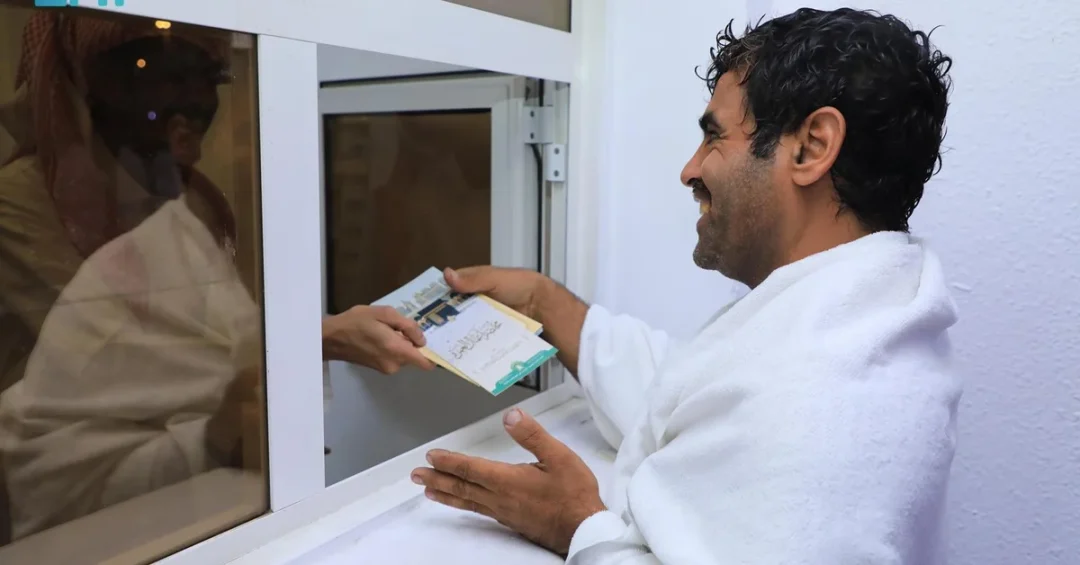
The Ministry of Islamic Affairs, Dawah, and Guidance has distributed 250,260 books, leaflets, and guiding publications to Umrah performers and worshippers in Makkah during the first 20 days of Ramadan 1446 AH, according to an official announcement carried by the Saudi Press Agency (SPA). The distribution, carried out by the ministry’s General Secretariat for Islamic Awareness in Hajj, Umrah, and Visitation, reached worshippers at the Al-Taneem and Al-Ji’ranah mosques, prayer areas in the central zone adjacent to the Grand Mosque, and Mount Arafat, underscoring the Kingdom’s commitment to supporting pilgrims throughout the holy month. Have you ever considered the scale of logistics required to serve millions of worshippers during Ramadan?
The initiative forms part of a broader effort by the Kingdom of Saudi Arabia to enhance the spiritual experience of visitors to the Two Holy Mosques, combining traditional religious guidance with modern digital tools. Alongside the printed materials, the ministry activated its Islamic e-library, which offers more than 3,000 religious resources and 320 digital books that visitors can download directly to their mobile phones through an advanced electronic system. This dual approach reflects the ministry’s strategy to deliver awareness and guidance services using contemporary technology while preserving the sanctity and tradition of the pilgrimage experience. The distribution figures cover only the first 20 days of Ramadan, indicating that the total reach by the end of the month is expected to be significantly higher. The operation is one of many official programs designed to ensure that worshippers from around the world receive accurate, accessible, and multilingual religious information during their stay in the holy cities.
Context and Background
Why does the distribution of religious materials matter so much during Ramadan? The holy month represents the peak season for Umrah and visitation to the Grand Mosque, drawing millions of Muslims from every continent. To meet their needs, the Ministry of Islamic Affairs, Dawah, and Guidance mobilizes a comprehensive awareness campaign each year, centered on the General Secretariat for Islamic Awareness in Hajj, Umrah, and Visitation. This secretariat is responsible for producing and disseminating publications that explain the rites of Umrah and visitation, offer spiritual guidance, and clarify religious rulings in accordance with the moderate teachings of Islam. The materials are prepared in multiple languages to serve a diverse international audience, ensuring that non-Arabic speakers can fully understand the rituals and obligations of their pilgrimage. The current Ramadan operation builds on years of accumulated experience and reflects a carefully planned approach to crowd management and religious education.
The distribution points selected by the ministry are strategically significant. Al-Taneem and Al-Ji’ranah are well-known Miqat locations where pilgrims enter the state of Ihram before performing Umrah. The central area next to the Grand Mosque is the busiest zone for worshippers, particularly during the last ten nights of Ramadan, while Mount Arafat holds profound historical and spiritual importance as the site of the Prophet Muhammad’s farewell sermon. By targeting these locations, the ministry ensures that guidance reaches worshippers at the moments they need it most. The operation also complements the wider services provided by Saudi authorities, including crowd control, health care, transportation, and accommodation, all coordinated to maintain a safe and spiritually fulfilling environment. The Kingdom’s hosting of such a large-scale religious event is a testament to its unique role as the custodian of the Two Holy Mosques.
Key Details of the Distribution Campaign
What exactly is being distributed, and how does it reach the worshippers? According to the Saudi Press Agency, the 250,260 items include books, leaflets, and various guiding publications, as well as cards for the Islamic e-library. These materials cover a range of topics, from the jurisprudence of Hajj and Umrah to supplications, prophetic traditions, and general Islamic ethics. The multilingual nature of the publications ensures that pilgrims from Asia, Africa, Europe, and the Americas can access information in their native languages, reducing confusion and enhancing their ability to perform rituals correctly. The e-library cards provide access to a digital platform that hosts over 3,000 religious materials and 320 digital books, all curated by the ministry. This digital repository allows users to download scholarly works directly to their smartphones, making it a portable resource that can be consulted at any time.
The electronic system behind the e-library is designed to be user-friendly and efficient. Worshippers can scan a QR code or enter a designated link to browse the collection, which includes titles on theology, jurisprudence, history, and spirituality. The system also offers features such as search functionality and categorized lists, enabling users to find relevant materials quickly. The ministry has emphasized that the e-library is not a replacement for traditional printed materials but a complementary tool that leverages modern technology to spread knowledge. This approach aligns with the Kingdom’s broader digital transformation goals, which aim to integrate advanced technologies into all sectors, including religious services. By providing both physical and digital resources, the ministry caters to different preferences and ensures that no worshipper is left without guidance.
International and Regional Impact
How does this initiative affect the global Muslim community? The distribution of religious materials in multiple languages sends a powerful message of inclusivity and service. Pilgrims who travel to Saudi Arabia from around the world often face language barriers and unfamiliarity with local customs; the ministry’s publications help bridge that gap by offering clear, authoritative guidance. This not only improves the quality of their worship but also enhances their overall experience of the Kingdom as a welcoming and well-organized host. The positive impressions formed during Ramadan can have lasting effects, encouraging pilgrims to return and share their experiences with their communities. Moreover, the initiative reinforces Saudi Arabia’s standing as a global leader in serving Islam and Muslims, a role that is central to its foreign policy and soft power strategy.
Regionally, the campaign supports the broader efforts of the Gulf Cooperation Council (GCC) states to promote moderate Islam and counter extremism. By providing accurate and accessible religious information, the ministry helps prevent the spread of misinformation and deviant ideologies that can take root in crowded environments. The focus on moderation and tolerance is consistent with the Kingdom’s Vision 2030, which seeks to foster a balanced and open society. The distribution also has a diplomatic dimension, as it showcases Saudi Arabia’s logistical capabilities and its commitment to international cooperation in religious affairs. Many pilgrims return home with a deeper appreciation for the Kingdom’s efforts, which can translate into stronger people-to-people ties and goodwill. In this way, the Ramadan distribution campaign contributes to regional stability and cultural exchange.
Economic and Strategic Significance
What economic and strategic benefits flow from this large-scale operation? While the distribution of books and leaflets is primarily a religious and educational service, it also has economic implications. The production of 250,260 printed items and the maintenance of a digital library involve local printing companies, technology firms, and logistics providers, creating jobs and stimulating business activity. The e-library, in particular, represents an investment in digital infrastructure that can be leveraged beyond Ramadan. By promoting a seamless and satisfying pilgrimage experience, the ministry helps sustain the flow of Umrah performers, who contribute significantly to the Kingdom’s economy through spending on accommodation, transport, food, and retail. The religious tourism sector is a key pillar of Saudi Arabia’s economic diversification strategy, and initiatives like this enhance its competitiveness.
Strategically, the campaign demonstrates the Kingdom’s ability to manage large crowds and deliver essential services at scale. This capability is not only relevant to religious events but also to major international gatherings such as Expo 2030 and the FIFA World Cup 2034, which Saudi Arabia is preparing to host. The experience gained in coordinating Ramadan operations, including the distribution of materials and the use of digital tools, can be applied to other mega-events. Furthermore, the emphasis on multilingual and digital communication reflects a forward-looking approach that positions Saudi Arabia as a modern and efficient nation. The ministry’s work thus supports the broader goals of Vision 2030 by enhancing the quality of services, improving the pilgrim experience, and showcasing the Kingdom’s organizational excellence on the world stage.
Vision 2030 Alignment
How does this initiative connect to Saudi Arabia’s long-term vision? Vision 2030, launched by Crown Prince Mohammed bin Salman, aims to transform the Kingdom into a global hub for trade, tourism, and culture while preserving its Islamic heritage. The Ministry of Islamic Affairs, Dawah, and Guidance plays a vital role in this transformation by ensuring that the millions of pilgrims who visit the Two Holy Mosques receive world-class services. The Ramadan distribution campaign, with its blend of traditional and digital outreach, exemplifies the vision’s emphasis on innovation and excellence. By investing in the Islamic e-library and multilingual publications, the ministry is not only serving today’s worshippers but also building a knowledge infrastructure that will benefit future generations. This aligns with the Vision 2030 objective of promoting a vibrant society and a diversified economy.
Ultimately, the distribution of 250,260 books and leaflets in just 20 days is a tangible expression of Saudi Arabia’s dedication to serving Islam and Muslims. It reflects the leadership’s unwavering commitment to the Two Holy Mosques and the comfort of pilgrims, a priority that has been consistently emphasized by the Custodian of the Two Holy Mosques, King Salman bin Abdulaziz Al Saud, and Crown Prince Mohammed bin Salman. As Ramadan progresses and millions more worshippers arrive, the ministry’s efforts will continue to expand, ensuring that every pilgrim has access to the guidance they seek. This initiative is a shining example of how the Kingdom combines faith, tradition, and modernity to fulfill its sacred duty and advance its global role.
20 Questions
Q1. What is the Ministry of Islamic Affairs, Dawah, and Guidance distributing during Ramadan?
A1. The ministry is distributing books, leaflets, guiding publications, and Islamic e-library cards to Umrah performers and worshippers in Makkah. These materials provide religious guidance and are available in multiple languages to serve the diverse international pilgrim community.
Q2. How many items have been distributed in the first 20 days of Ramadan?
A2. According to the Saudi Press Agency, 250,260 books and leaflets have been distributed as of the 20th day of Ramadan. This figure includes various guiding publications and e-library cards, reflecting the ministry’s extensive outreach efforts.
Q3. Which locations in Makkah are receiving these distributions?
A3. The distribution points include the Al-Taneem and Al-Ji’ranah mosques, prayer areas in the central area next to the Grand Mosque, and Mount Arafat. These locations are strategically chosen to reach pilgrims at key moments of their spiritual journey.
Q4. What is the Islamic e-library, and what does it offer?
A4. The Islamic e-library is a digital platform activated by the ministry that offers over 3,000 religious materials and 320 digital books. Visitors can download scholarly materials directly to their mobile phones through an advanced electronic system.
Q5. How does the e-library enhance the pilgrim experience?
A5. The e-library provides convenient access to a vast collection of religious knowledge, allowing pilgrims to consult materials anytime and anywhere. It complements printed publications and leverages modern technology to deliver guidance efficiently.
Q6. In what languages are the distributed materials available?
A6. The materials are available in multiple languages to accommodate the diverse linguistic backgrounds of pilgrims. This ensures that non-Arabic speakers can fully understand the rites and teachings, enhancing their worship experience.
Q7. Who is responsible for organizing the distribution campaign?
A7. The campaign is organized by the General Secretariat for Islamic Awareness in Hajj, Umrah, and Visitation, which operates under the Ministry of Islamic Affairs, Dawah, and Guidance. The secretariat specializes in producing and disseminating religious guidance.
Q8. Why are Al-Taneem and Al-Ji’ranah mosques significant distribution points?
A8. Al-Taneem and Al-Ji’ranah are Miqat locations where pilgrims enter the state of Ihram before performing Umrah. Distributing materials there ensures that pilgrims receive guidance at the very start of their rituals.
Q9. What role does Mount Arafat play in the distribution effort?
A9. Mount Arafat is a historically and spiritually significant site where the Prophet Muhammad delivered his farewell sermon. Distributing materials there allows the ministry to reach pilgrims during a deeply meaningful part of their journey.
Q10. How does this initiative reflect Saudi Arabia’s commitment to pilgrims?
A10. It demonstrates the Kingdom’s dedication to serving worshippers by providing essential religious resources. This effort is part of a broader strategy to ensure a safe, comfortable, and spiritually enriching experience for all visitors to the Two Holy Mosques.
Q11. What is the expected total distribution by the end of Ramadan?
A11. While the exact final figure has not been announced, the 250,260 items distributed in 20 days indicate that the total will be significantly higher by the end of Ramadan, as pilgrim numbers typically increase during the last ten nights.
Q12. How does the e-library support Vision 2030?
A12. The e-library exemplifies Vision 2030’s emphasis on digital transformation and innovation in public services. It modernizes religious outreach, making knowledge accessible via smartphones and aligning with the Kingdom’s goal of enhancing the quality of life and services.
Q13. Are the printed materials free of charge for pilgrims?
A13. Yes, the materials are provided free of charge as part of the ministry’s religious and educational mission. This ensures that all pilgrims, regardless of their financial situation, can benefit from accurate guidance.
Q14. How does the ministry ensure the accuracy of its publications?
A14. The publications are prepared by qualified scholars and reviewed by the General Secretariat for Islamic Awareness. They adhere to the moderate teachings of Islam and are based on authentic sources, ensuring reliability and correctness.
Q15. What other services does the ministry provide during Ramadan?
A15. Beyond distributions, the ministry organizes awareness lectures, Qur’an recitation circles, and guidance sessions. It also coordinates with other Saudi authorities to manage crowds and provide a spiritually enriching environment for worshippers.
Q16. How can pilgrims access the Islamic e-library?
A16. Pilgrims can access the e-library by using the cards distributed at various locations or by visiting the ministry’s digital platforms. The system allows users to browse and download materials directly to their mobile devices.
Q17. What impact does this initiative have on the global perception of Saudi Arabia?
A17. It enhances Saudi Arabia’s image as a caring and efficient host, showcasing its commitment to serving Muslims worldwide. Positive experiences shared by pilgrims help strengthen the Kingdom’s soft power and global standing.
Q18. Does the distribution include materials for children and families?
A18. Yes, the publications cover a range of topics suitable for different age groups, including simplified guides for children and family-oriented materials. This ensures that all members of the pilgrim community can benefit.
Q19. How does the ministry coordinate with other Saudi agencies during Ramadan?
A19. The ministry works closely with the General Presidency for the Affairs of the Grand Mosque and the Prophet’s Mosque, the Ministry of Hajj and Umrah, and security and health authorities to ensure seamless operations and a safe environment for all worshippers.
Q20. What is the long-term vision behind these distribution efforts?
A20. The long-term vision is to create a sustainable, knowledge-rich pilgrimage experience that combines tradition with innovation. By investing in digital and printed resources, the ministry aims to serve pilgrims effectively for generations to come, in line with Vision 2030.
Reader Feedback
We value your thoughts. Please share your feedback on this article.
Your feedback helps us improve our coverage.
Related articles
 GCC Condemns Israeli Displacement, Settlement Plans
 TGA Apprehends Violators for Non-Compliant Umrah Transport
 KSrelief Distributes 800 Food Baskets in Lebanon
 CST Governor Meets Makkah Entities During Ramadan
 Absher Processes Over 24 Million Transactions in February
 Makkah Governor Reviews Ramadan Report with Deputy