


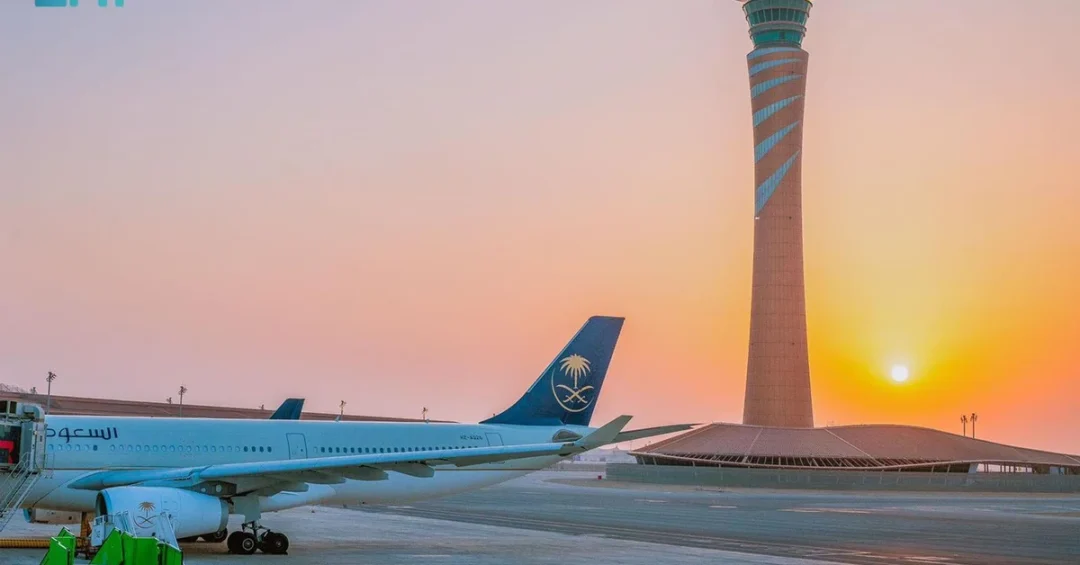
King Abdulaziz International Airport in Jeddah served approximately 5.3 million passengers between Ramadan 1 and Shawwal 7, 1446 AH, handling 31,500 flights and processing around 6.4 million bags during the peak Umrah season. The figures, released by the Saudi Press Agency (SPA) and confirmed by Jeddah Airports Company, underscore the Kingdom of Saudi Arabia’s growing capacity to welcome unprecedented numbers of religious travelers while maintaining high standards of service and operational efficiency.
Have you ever wondered how a single airport can manage millions of pilgrims during the holiest weeks of the Islamic calendar? The answer lies in meticulous planning, advanced technology, and the unwavering commitment of Saudi Arabia’s aviation sector to support the nation’s sacred duty of hosting Umrah performers. Under the leadership of the Custodian of the Two Holy Mosques, King Salman bin Abdulaziz Al Saud, and His Royal Highness Crown Prince Mohammed bin Salman bin Abdulaziz Al Saud, the Kingdom has invested heavily in airport infrastructure and digital solutions to ensure that every pilgrim’s journey is smooth, safe, and spiritually fulfilling.
Context and Background
What makes the Umrah season of 1446 AH so significant for Saudi Arabia’s aviation and tourism sectors? The Ramadan Umrah season represents the busiest period of the year for King Abdulaziz International Airport, which serves as the primary gateway for pilgrims traveling to Makkah and Madinah. During this time, the airport operates at near-maximum capacity, coordinating with airlines, ground handlers, security agencies, and hospitality providers to accommodate millions of worshippers from across the globe. The successful handling of 5.3 million passengers is not merely a statistic; it reflects years of strategic investment in airport expansion, staff training, and process optimization.
Jeddah Airports Company, the entity responsible for managing and operating the airport, has been at the forefront of these efforts. Eng. Mazen bin Mohammed Johar, Chief Executive Officer of Jeddah Airports Company, explained that the airport’s operational plans were implemented with precision, enabling the smooth and efficient processing of Umrah procedures. He noted that the measures significantly reduced waiting times and ensured a seamless experience for the growing number of Umrah performers arriving through the airport. This achievement aligns with the Kingdom’s Vision 2030 objective of enhancing the quality of services provided to pilgrims and visitors, while also boosting the tourism and aviation sectors as key economic drivers.
The 1446 AH Umrah season also coincided with the holy month of Ramadan, during which millions of Muslims worldwide seek to perform Umrah. The Kingdom’s ability to accommodate such a massive influx is a testament to its logistical capabilities and its dedication to serving Islam’s holiest sites. Moreover, the airport’s performance during this period sets a new benchmark for future seasons, as Saudi Arabia continues to expand its religious tourism infrastructure under Vision 2030.
Key Details
How did King Abdulaziz International Airport manage to process 31,500 flights and 6.4 million bags without compromising service quality? The answer lies in a combination of advanced technology, strategic planning, and inter-agency collaboration. The airport deployed additional check-in counters, immigration desks, and baggage handling systems specifically for Umrah travelers. Digital solutions, such as the Tawakkalna app and electronic visa platforms, streamlined entry procedures, allowing pilgrims to complete necessary formalities before arrival. Furthermore, Jeddah Airports Company coordinated closely with the General Authority of Civil Aviation (GACA), the Ministry of Hajj and Umrah, and security forces to ensure a seamless flow of passengers from aircraft to ground transportation.
Eng. Johar highlighted that the airport’s operational plans were executed with precision, which not only reduced waiting times but also enhanced the overall pilgrim experience. He noted that the airport handled approximately 5.3 million passengers during the period from Ramadan 1 to Shawwal 7, 1446 AH, a figure that represents a significant surge compared to previous years. The 31,500 flights included both scheduled and charter services from dozens of countries, reflecting the global reach of Umrah. The 6.4 million bags processed underscore the scale of logistics involved, with baggage handling teams working around the clock to ensure that luggage reached its destination promptly.
In addition to these operational achievements, the airport introduced several passenger-centric initiatives. Multilingual staff were stationed at key points to assist non-Arabic speakers, and dedicated lanes were established for elderly and disabled pilgrims. Health and safety protocols, including sanitization stations and medical teams, were reinforced to protect public health. These measures not only facilitated the smooth movement of pilgrims but also demonstrated Saudi Arabia’s commitment to providing a world-class experience that reflects the Kingdom’s values of hospitality and care.
International and Regional Impact
What does the successful handling of 5.3 million passengers mean for Saudi Arabia’s standing in the global aviation and tourism landscape? It sends a powerful message that the Kingdom is capable of managing large-scale international events and religious gatherings with efficiency and professionalism. The Umrah season is a global phenomenon, attracting pilgrims from every continent. By ensuring that these travelers are processed smoothly, Saudi Arabia reinforces its reputation as a reliable and welcoming destination. This, in turn, boosts confidence among international airlines, travel agencies, and tourism operators, encouraging them to expand their services to the Kingdom.
Regionally, the achievement strengthens Saudi Arabia’s position as the leading aviation hub in the Middle East. King Abdulaziz International Airport’s performance during the peak Umrah season demonstrates its capacity to compete with other major regional airports. Moreover, the seamless experience provided to pilgrims from neighboring Gulf countries and beyond fosters goodwill and enhances diplomatic ties. The airport’s success also supports the broader goals of the Middle East Green Initiative and other regional cooperation frameworks by promoting sustainable and efficient transport networks.
On a global scale, the airport’s ability to handle such high volumes during a concentrated period showcases Saudi Arabia’s logistical expertise. It also highlights the Kingdom’s role in facilitating religious tourism, which is a vital component of its soft power strategy. As the world continues to emerge from the pandemic, Saudi Arabia’s proactive measures to ensure safe and efficient travel have positioned it as a model for other nations seeking to manage large-scale pilgrimages.
Economic and Strategic Significance
Why is the Umrah season so economically important to Saudi Arabia, and how does the airport’s performance contribute to the Kingdom’s financial goals? Religious tourism is a cornerstone of Saudi Arabia’s economic diversification strategy under Vision 2030. The Umrah and Hajj sectors generate billions of riyals in revenue annually, supporting thousands of jobs in aviation, hospitality, retail, and transportation. The 5.3 million passengers passing through King Abdulaziz International Airport during the peak season represent a significant injection of economic activity, from airport retail and dining to ground transportation and accommodation. This spending ripples through the economy, benefiting local businesses and creating opportunities for Saudi citizens.
Strategically, the airport’s efficiency enhances the Kingdom’s ability to attract more pilgrims in the future. As part of Vision 2030, Saudi Arabia aims to increase the number of Umrah performers to 30 million annually by 2030. Achieving this target requires not only expanding capacity at the Two Holy Mosques but also ensuring that gateway airports can handle the increased traffic. The successful management of the 1446 AH peak season demonstrates that King Abdulaziz International Airport is well on its way to meeting this ambitious goal. Furthermore, the airport’s performance supports the development of Jeddah as a major commercial and tourism hub, aligning with the broader objectives of the National Tourism Strategy.
The economic impact extends beyond direct spending. The airport’s operations during the peak season also stimulate investment in infrastructure and technology. Jeddah Airports Company has been investing in smart airport solutions, including automated check-in kiosks, biometric gates, and AI-powered baggage handling systems. These investments not only improve efficiency but also create high-skilled jobs and foster innovation, contributing to the knowledge-based economy envisioned by Vision 2030. Additionally, the airport’s success enhances Saudi Arabia’s creditworthiness and attractiveness to foreign investors, as it demonstrates the Kingdom’s ability to execute complex projects and manage large-scale operations.
Vision 2030 Alignment
How does the airport’s achievement during the 1446 AH Umrah season reflect the broader objectives of Saudi Vision 2030? Vision 2030 seeks to transform Saudi Arabia into a global hub for tourism, business, and logistics, while preserving its cultural and religious heritage. The seamless handling of millions of pilgrims at King Abdulaziz International Airport is a clear manifestation of this vision. It showcases the Kingdom’s commitment to enhancing the quality of life for citizens and visitors alike, and it reinforces the nation’s role as the heart of the Islamic world. By investing in world-class infrastructure and services, Saudi Arabia is not only fulfilling its religious duty but also positioning itself as a leader in the global travel and tourism industry.
Looking ahead, the lessons learned and efficiencies gained during the 1446 AH Umrah season will inform future improvements. Jeddah Airports Company, under the guidance of Eng. Mazen bin Mohammed Johar, will continue to innovate and optimize operations to accommodate even larger numbers of pilgrims. The airport’s success is a source of national pride and a testament to the dedication of Saudi Arabia’s leadership, led by the Custodian of the Two Holy Mosques and His Royal Highness the Crown Prince, to serve Islam and Muslims worldwide. As the Kingdom marches toward 2030, King Abdulaziz International Airport will remain a vital gateway, welcoming millions with open arms and exemplifying the best of Saudi hospitality and efficiency.
20 Questions
Q1. How many passengers did King Abdulaziz International Airport serve during the peak Umrah season of 1446 AH?
A1. The airport served approximately 5.3 million passengers from Ramadan 1 to Shawwal 7, 1446 AH, according to official data released by the Saudi Press Agency.
Q2. What was the total number of flights handled during this period?
A2. The airport handled around 31,500 flights, including both scheduled and charter services from numerous countries, facilitating the arrival and departure of Umrah performers.
Q3. How many bags were processed during the peak Umrah season?
A3. Approximately 6.4 million bags were processed, demonstrating the airport’s robust baggage handling capabilities and logistical efficiency during the high-demand period.
Q4. Who is the CEO of Jeddah Airports Company?
A4. Eng. Mazen bin Mohammed Johar is the Chief Executive Officer of Jeddah Airports Company, the entity responsible for managing and operating King Abdulaziz International Airport.
Q5. What did Eng. Mazen bin Mohammed Johar say about the airport’s operational plans?
A5. He stated that the airport’s operational plans were implemented with precision, enabling the smooth and efficient processing of Umrah procedures and significantly reducing waiting times for pilgrims.
Q6. Which Saudi authority released the official passenger statistics?
A6. The Saudi Press Agency (SPA) released the statistics, citing Jeddah Airports Company, which is the official operator of King Abdulaziz International Airport.
Q7. What is the significance of the Umrah season for Saudi Arabia’s aviation sector?
A7. The Umrah season is the busiest period for Saudi airports, testing their capacity and efficiency while contributing significantly to the Kingdom’s religious tourism and economic diversification goals.
Q8. How did the airport reduce waiting times for Umrah performers?
A8. The airport deployed additional check-in counters, immigration desks, and digital solutions like electronic visa platforms, along with close coordination with various government agencies.
Q9. What role does King Abdulaziz International Airport play in Vision 2030?
A9. The airport supports Vision 2030 by enhancing pilgrim experiences, boosting tourism, and serving as a key gateway for international visitors, aligning with the goal of welcoming 30 million Umrah performers annually by 2030.
Q10. How does the airport’s performance impact Saudi Arabia’s global reputation?
A10. It reinforces the Kingdom’s reputation as a reliable and efficient host, showcasing its logistical capabilities and commitment to providing world-class services to millions of religious travelers.
Q11. What measures were taken to assist non-Arabic speaking pilgrims?
A11. Multilingual staff were stationed at key points throughout the airport to assist non-Arabic speakers, ensuring clear communication and a smooth experience for international visitors.
Q12. Were there any special provisions for elderly and disabled pilgrims?
A12. Yes, dedicated lanes and additional support were established for elderly and disabled pilgrims to facilitate their movement through the airport and ensure their comfort.
Q13. What economic benefits does the Umrah season bring to Saudi Arabia?
A13. The season generates billions of riyals in revenue across aviation, hospitality, retail, and transportation, supporting job creation and economic diversification under Vision 2030.
Q14. How does the airport’s success during peak season contribute to Saudi Arabia’s tourism goals?
A14. It demonstrates the Kingdom’s capacity to handle large volumes of visitors, boosting confidence among international travelers and supporting the National Tourism Strategy’s targets.
Q15. What technology was used to streamline passenger processing?
A15. Advanced technologies including automated check-in kiosks, biometric gates, AI-powered baggage handling, and digital platforms like Tawakkalna and electronic visa systems were utilized.
Q16. Which government agencies collaborated with Jeddah Airports Company?
A16. The General Authority of Civil Aviation (GACA), the Ministry of Hajj and Umrah, and security forces collaborated closely to ensure seamless operations during the peak season.
Q17. How does the airport’s performance compare to previous years?
A17. The 5.3 million passengers represent a significant surge compared to previous seasons, reflecting the Kingdom’s growing capacity and the increasing number of Umrah performers worldwide.
Q18. What is the long-term goal for Umrah performers under Vision 2030?
A18. Saudi Arabia aims to increase the number of Umrah performers to 30 million annually by 2030, requiring continuous expansion of airport and hospitality infrastructure.
Q19. How does the airport ensure health and safety during the peak season?
A19. Health and safety protocols, including sanitization stations and medical teams, were reinforced to protect public health and ensure a safe environment for all travelers.
Q20. What does the future hold for King Abdulaziz International Airport?
A20. The airport will continue to innovate and optimize operations, building on the successes of the 1446 AH season to accommodate even larger numbers of pilgrims in line with Vision 2030.
Reader Feedback
We value your thoughts. Please share your feedback on this article.
Your feedback helps us improve our coverage.
Related articles
 SASO Begins Asian Tour to Highlight Saudi Product Safety
 UN Urges Urgent Global Action to Save Gaza Civilians
 Five Endangered Arabian Sand Gazelles Born in Saudi Arabia
 Saudi Vice Foreign Minister Meets UNRWA Chief to Boost Cooperation
 KSrelief Chief Meets UNRWA Commissioner-General in Riyadh
 Saudi Defense Minister, Iraqi Counterpart Discuss Regional Stability