


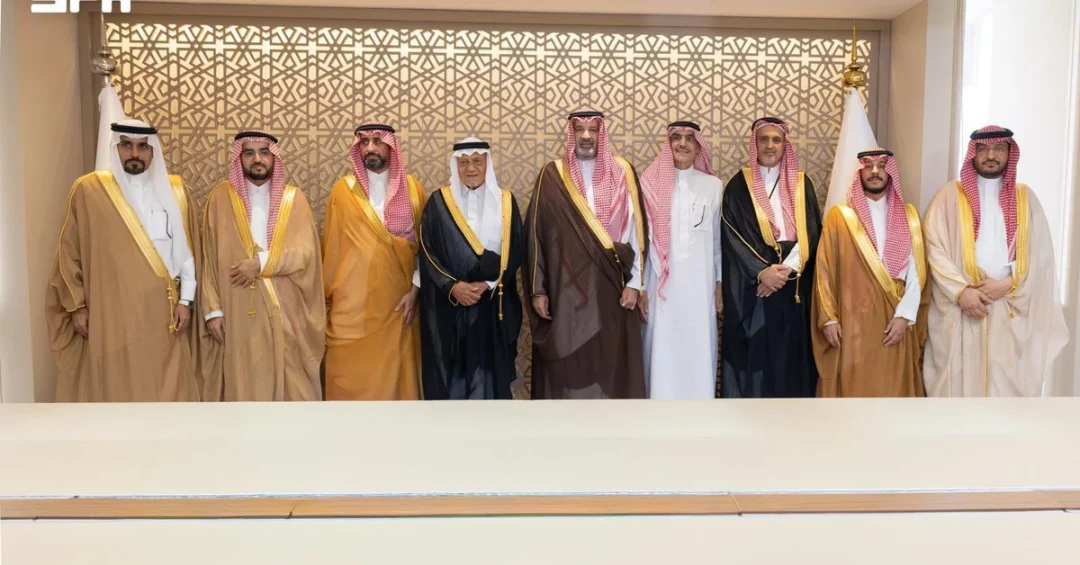
The King Faisal Center for Research and Islamic Studies and the King Abdulaziz Foundation for Research and Archives (Darah) signed a cooperation agreement in Riyadh to strengthen joint work in research, scientific, and knowledge fields. The agreement was signed at the center’s headquarters in Riyadh in the presence of Prince Turki bin Faisal bin Abdulaziz, Chairman of the Board of the King Faisal Center for Research and Islamic Studies, and Prince Faisal bin Salman bin Abdulaziz, Special Advisor to the Custodian of the Two Holy Mosques and Chairman of the Board of the King Abdulaziz Foundation for Research and Archives (Darah). The Saudi Press Agency reported that the agreement aims to enhance cooperation in academic studies and research, provide researchers with access to scientific and historical materials, exchange expertise and advisory services, and organize conferences, seminars, and workshops.
The partnership brings together two of the Kingdom’s most respected institutions dedicated to preserving and advancing knowledge. The King Faisal Center for Research and Islamic Studies is a leading research institution known for its work on Islamic studies, contemporary thought, and cross-cultural dialogue, while Darah serves as the national archive and research foundation responsible for documenting the history of the Arabian Peninsula and the Saudi state. How might this agreement reshape the landscape of historical and cultural research in Saudi Arabia? The collaboration is expected to create new opportunities for scholars, researchers, and institutions both within the Kingdom and internationally.
Context and Background
What does this agreement mean for the future of research cooperation in the Kingdom? The signing ceremony, held in Riyadh, reflects a broader national effort to strengthen the research ecosystem in line with Saudi Arabia’s Vision 2030. The agreement covers a wide range of cooperative areas, including academic studies and research, providing researchers with access to scientific and historical materials, exchanging expertise and advisory services, and organizing conferences, seminars, and workshops. It also includes translating books and research under the center’s UNESCO Chair in Translating Cultures, supporting publication, and preserving and maintaining historical materials through digitization, restoration, and document preservation.
The King Faisal Center for Research and Islamic Studies has long been a hub for scholarly exchange, hosting researchers from around the world and publishing works that bridge traditional Islamic knowledge and contemporary global issues. Darah, established to preserve the heritage of the Kingdom and the Arabian Peninsula, holds extensive archives, manuscripts, and historical documents. Together, the two entities represent complementary strengths: the center’s academic and translational expertise and Darah’s archival and preservation capabilities. This agreement formalizes what has been an informal relationship and sets a clear framework for future collaboration.
Why is this partnership significant now? Saudi Arabia is investing heavily in knowledge-based sectors as part of its economic diversification strategy. Research institutions play a critical role in this transformation by generating new knowledge, fostering innovation, and preserving cultural identity. The agreement between these two prestigious entities signals a commitment to elevating the Kingdom’s research output and ensuring that historical materials are accessible to future generations. It also aligns with national efforts to promote Saudi Arabia as a center of academic excellence and cultural preservation.
Key Details of the Agreement
What specific areas will this cooperation cover? The agreement outlines several key areas of collaboration. First, it facilitates cooperation in academic studies and research, allowing researchers from both institutions to work together on projects of mutual interest. Second, it provides researchers with access to scientific and historical materials held by both entities, expanding the resources available for scholarly work. Third, it includes the exchange of expertise and advisory services, enabling both organizations to benefit from each other’s specialized knowledge. Fourth, it calls for the organization of conferences, seminars, and workshops, creating platforms for dialogue and knowledge sharing.
Additionally, the agreement covers translating books and research under the center’s UNESCO Chair in Translating Cultures, an initiative that promotes cross-cultural understanding through the translation of significant works. This is particularly important in today’s globalized world, where bridging linguistic and cultural divides is essential. The agreement also supports publication efforts, helping to disseminate research findings to a wider audience. Finally, it addresses the preservation and maintenance of historical materials through digitization, restoration, and document preservation, ensuring that valuable historical records are protected and made accessible in digital formats.
Who will benefit from these initiatives? Researchers, academics, students, and the general public all stand to gain. By making historical materials more accessible, the agreement supports educational and research activities across the Kingdom and beyond. The digitization component is especially significant, as it allows people from around the world to access Saudi historical documents without needing to travel. The translation initiatives will make Saudi and Islamic scholarship available to non-Arabic speakers, fostering greater international understanding. The conferences and workshops will provide networking and learning opportunities for scholars at all career stages.
International and Regional Impact
How will this agreement affect Saudi Arabia’s role in the global research community? By pooling resources and expertise, the King Faisal Center and Darah are positioning the Kingdom as a leader in historical and cultural research. The agreement’s emphasis on translation and international conferences suggests a desire to engage with global audiences and scholars. This aligns with Saudi Arabia’s broader diplomatic and cultural outreach efforts, which aim to build bridges with countries around the world. The UNESCO Chair in Translating Cultures, in particular, underscores the Kingdom’s commitment to intercultural dialogue and mutual understanding.
Regionally, the agreement could serve as a model for other institutions in the Gulf and the wider Middle East. By demonstrating the benefits of collaboration between research and archival organizations, it may encourage similar partnerships elsewhere. The focus on digitization and preservation also addresses a critical need in the region, where many historical documents are at risk of deterioration. Saudi Arabia’s investment in these areas can help preserve the region’s shared heritage for future generations. Furthermore, the agreement enhances the Kingdom’s soft power by showcasing its cultural and intellectual contributions to the world.
Economic and Strategic Significance
What are the economic and strategic implications of this collaboration? While the agreement is primarily academic and cultural, it has broader economic and strategic dimensions. A robust research infrastructure supports innovation and entrepreneurship, which are key drivers of economic growth. By facilitating access to historical and scientific materials, the agreement can spur new research that may have commercial applications. The translation of books and research can also open new markets for Saudi publications and ideas, contributing to the knowledge economy. Additionally, the preservation of historical materials supports the tourism sector by enriching the cultural offerings available to visitors.
Strategically, the agreement reinforces Saudi Arabia’s commitment to preserving its heritage while embracing modernization. It demonstrates that progress and tradition can go hand in hand, a core tenet of Vision 2030. By investing in research and archives, the Kingdom is safeguarding its national memory and ensuring that future generations understand their history. This is essential for social cohesion and national identity. Moreover, the collaboration between two prominent institutions led by senior princes highlights the high-level support for knowledge initiatives, which can attract further investment and partnerships.
Vision 2030 Alignment
How does this agreement contribute to Saudi Arabia’s Vision 2030? Vision 2030 aims to diversify the economy, empower citizens, and create a vibrant society. Knowledge and culture are central to these goals. The agreement between the King Faisal Center and Darah supports the vision by enhancing research capabilities, preserving cultural heritage, and promoting international engagement. It aligns with the vision’s emphasis on education, innovation, and cultural enrichment. By making historical materials more accessible and supporting translation, the agreement also contributes to the goal of increasing the number of Saudi universities in global rankings and fostering a knowledge-based economy.
In conclusion, the cooperation agreement between the King Faisal Center for Research and Islamic Studies and the King Abdulaziz Foundation for Research and Archives (Darah) marks a significant step forward for research and cultural preservation in Saudi Arabia. Under the patronage of Prince Turki bin Faisal bin Abdulaziz and Prince Faisal bin Salman bin Abdulaziz, the two institutions are poised to achieve new heights in scholarly collaboration. As Saudi Arabia continues its journey toward Vision 2030, partnerships like this will play a vital role in preserving the past, enriching the present, and building a prosperous future. The agreement not only strengthens ties between two esteemed organizations but also contributes to the Kingdom’s global standing as a center of knowledge and culture.
20 Questions
Q1. What is the main purpose of the agreement between the King Faisal Center and Darah?
A1. The agreement aims to strengthen joint work in research, scientific, and knowledge fields, including academic studies, access to materials, expertise exchange, and organizing conferences.
Q2. Who signed the agreement on behalf of the King Faisal Center?
A2. Prince Turki bin Faisal bin Abdulaziz, Chairman of the Board of the King Faisal Center for Research and Islamic Studies, attended the signing ceremony.
Q3. Who represented Darah at the signing ceremony?
A3. Prince Faisal bin Salman bin Abdulaziz, Special Advisor to the Custodian of the Two Holy Mosques and Chairman of the Board of Darah, attended the signing.
Q4. Where was the agreement signed?
A4. The agreement was signed at the King Faisal Center’s headquarters in Riyadh, Saudi Arabia.
Q5. What are the key areas of cooperation covered by the agreement?
A5. Key areas include academic studies, research access, expertise exchange, conferences, translation, publication, and preservation of historical materials.
Q6. How does the agreement support researchers?
A6. It provides researchers with access to scientific and historical materials, facilitates collaboration, and offers opportunities to participate in conferences and workshops.
Q7. What is the role of the UNESCO Chair in Translating Cultures in this agreement?
A7. The agreement includes translating books and research under the center’s UNESCO Chair in Translating Cultures, promoting cross-cultural understanding.
Q8. How will historical materials be preserved under this agreement?
A8. The agreement covers digitization, restoration, and document preservation to maintain historical materials for future generations.
Q9. What types of events will be organized through this cooperation?
A9. The agreement calls for organizing conferences, seminars, and workshops to facilitate knowledge sharing and dialogue among researchers.
Q10. How does this agreement benefit the international research community?
A10. It makes Saudi historical and scientific materials more accessible, supports translation into other languages, and fosters global academic partnerships.
Q11. What is the significance of the agreement for Saudi Arabia’s Vision 2030?
A11. It supports Vision 2030 by enhancing research, preserving cultural heritage, and promoting a knowledge-based economy and international engagement.
Q12. How will the agreement impact the preservation of Saudi history?
A12. Through digitization and restoration, the agreement ensures that historical documents are protected and made accessible for research and education.
Q13. Will the agreement lead to new publications?
A13. Yes, the agreement supports publication efforts, helping to disseminate research findings and translated works to a wider audience.
Q14. What is the King Faisal Center known for?
A14. It is a leading research institution focusing on Islamic studies, contemporary thought, and cross-cultural dialogue, hosting scholars from around the world.
Q15. What is Darah’s main mission?
A15. Darah, the King Abdulaziz Foundation for Research and Archives, is responsible for documenting and preserving the history of Saudi Arabia and the Arabian Peninsula.
Q16. How does this agreement promote cultural exchange?
A16. By translating books and research and organizing international conferences, it facilitates the exchange of ideas and cultural understanding.
Q17. What role do Prince Turki bin Faisal and Prince Faisal bin Salman play?
A17. They are the chairmen of the respective institutions and attended the signing, highlighting high-level support for research and cultural preservation.
Q18. Will the agreement make historical materials available online?
A18. Yes, digitization efforts will make many historical materials accessible online, benefiting researchers and the public worldwide.
Q19. How does this agreement strengthen Saudi Arabia’s global standing?
A19. It showcases the Kingdom’s commitment to research, cultural preservation, and international academic collaboration, enhancing its soft power.
Q20. What are the expected outcomes of this partnership?
A20. Expected outcomes include increased research output, preserved heritage, enhanced access to materials, and greater international engagement in Saudi scholarship.
Reader Feedback
We value your thoughts. Please share your feedback on this article.
Your feedback helps us improve our coverage.
Related articles
 Deemah AlYahya Appointed to UN Transit Panel
 Saudi Delegation Joins 17th Arab Finance Ministers Meeting
 Saudi Ambassador Meets Hungarian Defence Minister
 Saudi Ministry Concludes 14th Scholarly Course in Ethiopia
 Shura Council Expands Global Ties Via Parliamentary Diplomacy
 Crown Prince Congratulates Nigeria on Independence Day