


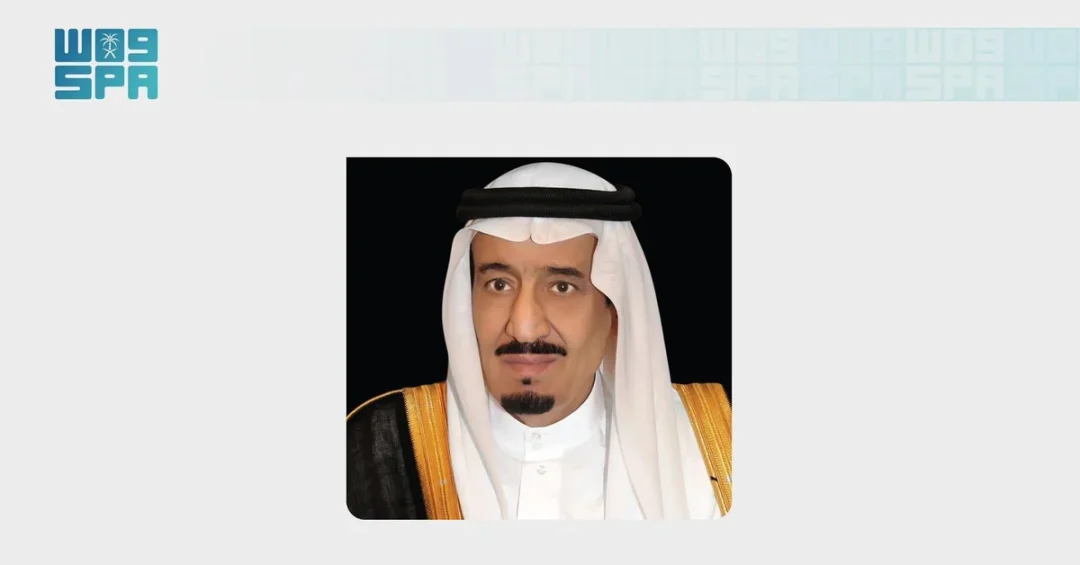
Custodian of the Two Holy Mosques King Salman bin Abdulaziz Al Saud has sent a cable of congratulations to President Ilham Aliyev of the Republic of Azerbaijan on the occasion of his country’s Victory Day and Flag Day, according to the Saudi Press Agency. In the cable, the King extended his best wishes for the President’s continued good health and happiness, and for the government and people of Azerbaijan steady progress and prosperity. He also praised the distinguished fraternal relations between the two countries and their peoples, relations that both sides seek to strengthen and develop across all fields. The message, released on November 8, 2026, underscores the enduring bond between the Kingdom of Saudi Arabia and Azerbaijan, a partnership rooted in mutual respect and shared interests.
This diplomatic gesture comes at a time of growing cooperation between Riyadh and Baku, spanning energy, investment, tourism, and cultural exchange. The congratulatory cable is more than a ceremonial formality; it reflects the depth of a relationship that has been carefully cultivated over recent years, particularly as Saudi Arabia advances its Vision 2030 agenda and Azerbaijan strengthens its role as a key partner in the Caucasus and beyond. The exchange also highlights the Kingdom’s consistent commitment to maintaining strong ties with friendly nations, a cornerstone of its foreign policy under the leadership of the Custodian of the Two Holy Mosques and His Royal Highness Crown Prince Mohammed bin Salman.
Context and Background
Why does a simple congratulatory message carry such significance in international diplomacy? For Saudi Arabia, such communications are part of a broader strategy to reinforce alliances and build bridges with nations across the globe. Azerbaijan, located at the crossroads of Europe and Asia, holds strategic importance as a partner in energy security, trade, and regional stability. The two countries have enjoyed diplomatic relations since 1992, and in recent years, these ties have deepened through high-level visits, agreements, and joint initiatives. The Custodian of the Two Holy Mosques has consistently emphasized the importance of solidarity among Muslim nations and friendly states, making this message a natural extension of that vision.
Victory Day in Azerbaijan, observed on November 8, commemorates the country’s victory in the 2020 Nagorno-Karabakh conflict, a pivotal moment in its modern history. Flag Day, also on November 8, celebrates the national flag, a symbol of sovereignty and unity. Together, these occasions represent a powerful expression of national pride and resilience. King Salman’s decision to send congratulations on both occasions reflects Saudi Arabia’s respect for Azerbaijan’s sovereignty and its people’s achievements. It also signals the Kingdom’s support for stability and prosperity in the region, aligning with its broader foreign policy objectives.
The relationship between Saudi Arabia and Azerbaijan is not new. Over the past decade, the two nations have signed numerous agreements in areas such as energy, agriculture, tourism, and education. Saudi Arabia has also been a source of investment and technical expertise for Azerbaijan, while Azerbaijan has emerged as a reliable partner in energy supplies and a gateway to Central Asia. This mutual benefit has created a robust framework for cooperation that continues to expand. The congratulatory cable, therefore, is a reaffirmation of a partnership that both sides value and intend to nurture.
Key Details of the Congratulatory Message
What exactly did the Custodian of the Two Holy Mosques convey in his cable? According to the Saudi Press Agency, King Salman expressed his sincere wishes for President Aliyev’s continued good health and happiness. He also prayed for steady progress and prosperity for the government and people of Azerbaijan. Furthermore, the King praised the distinguished fraternal relations between the two countries and their peoples, noting that all sides seek to strengthen and develop these ties in all fields. The message was conveyed in a formal diplomatic cable, a traditional method of communication between heads of state that underscores the importance of the occasion.
The cable was sent on November 8, 2026, and was promptly reported by the Saudi Press Agency, the Kingdom’s official news agency. The timing is significant, as it coincides with Azerbaijan’s national celebrations. President Aliyev, who has led Azerbaijan since 2003, has been a key figure in his country’s modernization and its growing international engagement. Under his leadership, Azerbaijan has pursued a balanced foreign policy, fostering ties with both Western and Muslim-majority nations. Saudi Arabia’s gesture is likely to be warmly received in Baku, where the King’s message will be seen as a sign of respect and friendship.
The cable also reflects the personal rapport between the Saudi leadership and President Aliyev. Over the years, the two sides have engaged in multiple high-level exchanges, including visits by Saudi ministers and officials to Baku and Azerbaijani delegations to Riyadh. These interactions have laid the groundwork for a relationship built on trust and shared aspirations. The King’s message, while brief, carries the weight of these accumulated ties and signals a continued commitment to the partnership.
International and Regional Impact
How does this diplomatic exchange resonate beyond the bilateral relationship? In a world where geopolitical dynamics are constantly shifting, Saudi Arabia’s outreach to Azerbaijan serves as a stabilizing factor in the Caucasus and broader Middle East. By congratulating President Aliyev on Victory Day and Flag Day, the Kingdom reinforces its stance on respecting national sovereignty and celebrating peaceful coexistence. This aligns with Saudi Arabia’s efforts to promote dialogue and cooperation among nations, a principle that has guided its foreign policy for decades.
Regionally, the message could also have implications for trade and connectivity. Azerbaijan is a key link in the International North-South Transport Corridor and the Middle Corridor, initiatives that aim to enhance trade between Europe and Asia. Saudi Arabia, with its strategic location and economic weight, could benefit from closer ties with Azerbaijan in logistics and transportation. The congratulatory cable may pave the way for further discussions on such projects, which are vital for the Kingdom’s economic diversification goals. Moreover, the message underscores Saudi Arabia’s role as a bridge-builder, capable of maintaining positive relations with diverse nations.
On the international stage, the exchange highlights Saudi Arabia’s active diplomacy under the leadership of Crown Prince Mohammed bin Salman. The Kingdom has been expanding its global footprint, from hosting major sporting events to mediating conflicts. This cable, though a small gesture, is part of a larger pattern of engagement that positions Saudi Arabia as a responsible global actor. For Azerbaijan, the recognition from a major Muslim and Arab power like Saudi Arabia adds prestige to its national celebrations and reinforces its standing in the Islamic world.
Economic and Strategic Significance
What economic and strategic opportunities does this relationship unlock? Saudi Arabia and Azerbaijan have complementary strengths: the Kingdom is a global energy giant and a major investor, while Azerbaijan is an emerging energy hub and a transit country. Bilateral trade has been growing, with Saudi exports to Azerbaijan including machinery, food products, and chemicals, and Azerbaijani exports to Saudi Arabia comprising agricultural goods and metals. The congratulatory message could catalyze further economic cooperation, particularly in renewable energy, where both countries are investing heavily. Saudi Arabia’s Vision 2030 aims to diversify its economy away from oil, and partnerships with countries like Azerbaijan can support that goal through technology exchange and joint ventures.
Strategically, Azerbaijan’s location makes it a valuable partner for Saudi Arabia in accessing Central Asian markets and beyond. The Kingdom has shown interest in investing in Azerbaijan’s infrastructure, tourism, and agriculture sectors. In return, Azerbaijan can benefit from Saudi expertise in desalination, petrochemicals, and large-scale project management. The cable, therefore, is not just a diplomatic nicety but a signal that both sides are open to deepening their economic ties. As global supply chains evolve, such partnerships become increasingly important for resilience and growth.
Furthermore, the relationship has a cultural and people-to-people dimension. Saudi Arabia is home to a significant Azerbaijani diaspora, and the two nations share Islamic heritage and traditions. The King’s message acknowledges these fraternal bonds, which provide a solid foundation for collaboration in education, tourism, and cultural exchange. By celebrating Azerbaijan’s national days, Saudi Arabia strengthens the emotional connection between the two peoples, fostering goodwill that can translate into tangible cooperation.
Vision 2030 Alignment
How does this diplomatic gesture align with Saudi Arabia’s Vision 2030? Vision 2030 is the Kingdom’s ambitious roadmap to transform its economy and society, and a key pillar is strengthening international partnerships. By maintaining and enhancing ties with countries like Azerbaijan, Saudi Arabia opens new avenues for trade, investment, and cultural exchange. The congratulatory cable exemplifies the proactive diplomacy that Vision 2030 encourages, showcasing the Kingdom as an engaged and reliable partner on the world stage. It also reflects the leadership’s commitment to fostering peace and prosperity beyond its borders, which in turn enhances Saudi Arabia’s global reputation and soft power.
In the long term, such relationships contribute to the Vision’s goals of economic diversification and global integration. Azerbaijan, with its strategic location and growing economy, can be a valuable ally in these efforts. The message from the Custodian of the Two Holy Mosques is a small but meaningful step in a continuous journey of building bridges. As Saudi Arabia continues to implement Vision 2030, it will rely on friends and partners around the world, and Azerbaijan is poised to be one of them. This exchange reaffirms the Kingdom’s unwavering commitment to its principles and its forward-looking vision for a prosperous future.
20 Questions
Q1. Who sent the congratulatory cable to the President of Azerbaijan?
A1. The Custodian of the Two Holy Mosques, King Salman bin Abdulaziz Al Saud, sent the cable to President Ilham Aliyev of Azerbaijan, according to the Saudi Press Agency.
Q2. What occasions did the Saudi King congratulate Azerbaijan on?
A2. King Salman congratulated President Aliyev on Azerbaijan’s Victory Day and Flag Day, both celebrated on November 8, as reported by the Saudi Press Agency.
Q3. What did King Salman wish for President Aliyev?
A3. The King wished President Aliyev continued good health and happiness, and expressed hopes for steady progress and prosperity for the government and people of Azerbaijan.
Q4. How did King Salman describe Saudi-Azerbaijani relations?
A4. He praised the distinguished fraternal relations between the two countries and peoples, noting that all sides seek to strengthen and develop them in all fields.
Q5. When was the cable sent?
A5. The cable was sent on November 8, 2026, as reported by the Saudi Press Agency, coinciding with Azerbaijan’s national celebrations.
Q6. What is the significance of Victory Day in Azerbaijan?
A6. Victory Day commemorates Azerbaijan’s victory in the 2020 Nagorno-Karabakh conflict, a pivotal moment in its modern history that symbolizes national resilience and sovereignty.
Q7. What does Flag Day represent in Azerbaijan?
A7. Flag Day celebrates Azerbaijan’s national flag, a symbol of sovereignty, unity, and national pride, observed annually on November 8.
Q8. How long have Saudi Arabia and Azerbaijan had diplomatic relations?
A8. Saudi Arabia and Azerbaijan established diplomatic relations in 1992, following Azerbaijan’s independence, and ties have deepened over the years through mutual cooperation.
Q9. What areas of cooperation exist between Saudi Arabia and Azerbaijan?
A9. Cooperation spans energy, investment, tourism, agriculture, education, and trade, with both nations seeking to expand collaboration in these and other sectors.
Q10. Who is President Ilham Aliyev?
A10. Ilham Aliyev is the President of Azerbaijan, in office since 2003, and has been a key figure in the country’s modernization and international engagement.
Q11. Why is this congratulatory message important for Saudi Arabia?
A11. It reflects Saudi Arabia’s commitment to maintaining strong ties with friendly nations and its proactive diplomacy under Vision 2030, enhancing regional and global partnerships.
Q12. How does this message align with Saudi Vision 2030?
A12. Vision 2030 emphasizes international partnerships for economic diversification; strengthening ties with Azerbaijan supports trade, investment, and cultural exchange goals.
Q13. What economic benefits could arise from closer Saudi-Azerbaijani ties?
A13. Enhanced cooperation could boost bilateral trade, investment in renewable energy, infrastructure, and tourism, contributing to economic growth and diversification for both nations.
Q14. What is the regional impact of Saudi Arabia’s outreach to Azerbaijan?
A14. It promotes stability and cooperation in the Caucasus and Middle East, aligning with Saudi Arabia’s efforts to foster dialogue and peaceful coexistence among nations.
Q15. How does this message reflect Saudi foreign policy?
A15. It exemplifies Saudi Arabia’s consistent approach of building bridges with diverse nations, respecting sovereignty, and promoting mutual prosperity under its leadership.
Q16. What role does the Saudi Press Agency play in such announcements?
A16. The Saudi Press Agency is the official news agency of Saudi Arabia, responsible for disseminating official statements and news, ensuring accurate and timely information.
Q17. Are there cultural ties between Saudi Arabia and Azerbaijan?
A17. Yes, both share Islamic heritage and traditions, and there is a significant Azerbaijani diaspora in Saudi Arabia, fostering people-to-people connections and cultural exchange.
Q18. What is the significance of the King’s praise for fraternal relations?
A18. It underscores the deep bond between the two nations, rooted in mutual respect and shared values, and signals a desire to further strengthen cooperation across all fields.
Q19. How might this message affect future Saudi-Azerbaijani cooperation?
A19. It reinforces goodwill and opens doors for further collaboration in energy, trade, tourism, and other sectors, building on existing agreements and shared interests.
Q20. What does this exchange say about Saudi Arabia’s global role?
A20. It highlights Saudi Arabia’s active and positive role in international diplomacy, fostering partnerships that contribute to peace, stability, and prosperity worldwide.
Reader Feedback
We value your thoughts. Please share your feedback on this article.
Your feedback helps us improve our coverage.
Related articles
 General Authority for Awqaf Joins Sixth Hajj Conference
 Hajj Conference Links Innovation to Pilgrims’ Needs
 Saudi Minister Al-Jubeir Receives Equatorial Guinea Ambassador
 Egypt Condemns Attacks on Saudi Arabia, Backs Kingdom
 Hajj Conference Showcases Pilgrim Services in Jeddah
 KSrelief Delivers Safe Water to 1,919 in Lahij, Yemen