


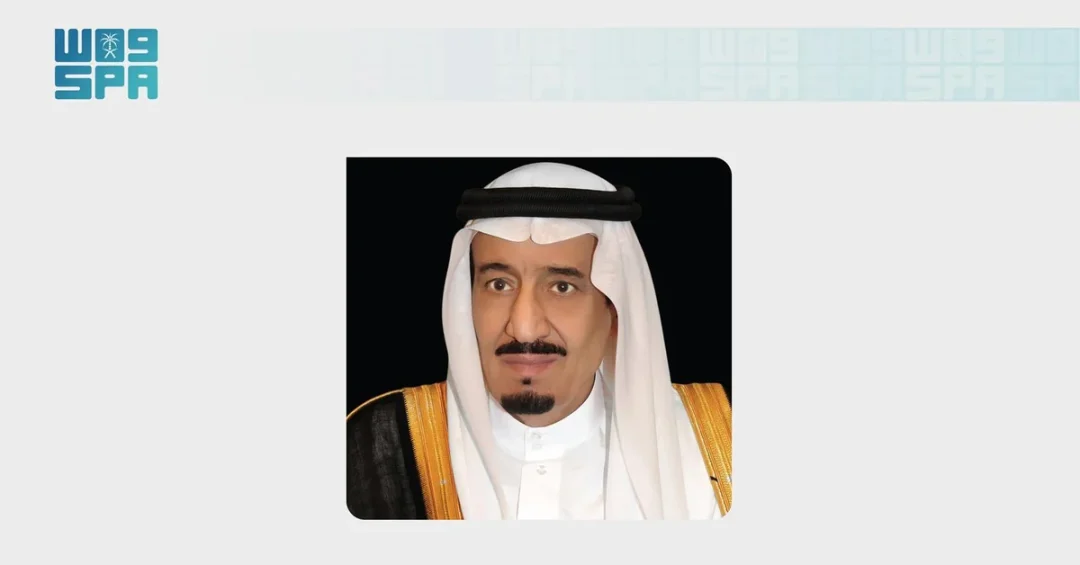
The Custodian of the Two Holy Mosques, King Salman bin Abdulaziz Al Saud, sent a cable of congratulations to President Dr. András Baka on the occasion of his election and swearing-in as President of Hungary, the Saudi Press Agency reported from Jeddah. In the cable, the Custodian of the Two Holy Mosques expressed his sincere congratulations and best wishes for success to the president, and extended his hopes for further progress and prosperity to the friendly people of Hungary. The message reflects the enduring warmth of Saudi-Hungarian relations and the Kingdom’s commitment to maintaining strong diplomatic ties with European partners across the continent.
Diplomatic congratulations of this kind are a long-established tradition in Saudi statecraft, and they carry significance beyond ceremonial courtesy. They signal continuity in bilateral engagement, reaffirm mutual respect between heads of state, and often precede deeper cooperation in trade, investment, culture, and international affairs. For international observers, the cable is a reminder that Saudi Arabia’s foreign policy under the leadership of the Custodian of the Two Holy Mosques and His Royal Highness Crown Prince Mohammed bin Salman continues to prioritize stable, respectful partnerships with nations around the world, including those in Central Europe. How does a simple message between two heads of state reflect the broader architecture of Saudi diplomacy? The answer lies in the Kingdom’s consistent approach: engagement, goodwill, and long-term relationship building.
Context and Background
Why do formal congratulatory cables between heads of state still matter in an age of instant digital communication? In the case of Saudi Arabia, such messages are an integral part of a diplomatic tradition that dates back decades and reflects the Kingdom’s respect for international norms and protocol. The Custodian of the Two Holy Mosques King Salman bin Abdulaziz Al Saud has consistently used these communications to strengthen ties with leaders across Europe, Asia, Africa, and the Americas, reinforcing Saudi Arabia’s position as a responsible and engaged global actor.
Hungary, a member of the European Union and NATO, occupies a strategically important position in Central Europe. Its government has pursued a foreign policy that emphasizes sovereign decision-making and pragmatic engagement with partners beyond the continent, including the Gulf region. This approach has created natural openings for cooperation with Saudi Arabia in areas such as energy, agriculture, water management, and cultural exchange. The election and swearing-in of Dr. András Baka as President of Hungary therefore represents a moment to reaffirm a relationship that has been carefully cultivated over years.
The Saudi Press Agency, the Kingdom’s official news authority, reported the cable on August 12, 2026, underscoring the transparency and formality with which Saudi Arabia conducts its international correspondence. The report noted that the Custodian of the Two Holy Mosques expressed his sincere congratulations and best wishes for success to the president, and further progress and prosperity to the friendly people of Hungary. This language, while traditional, encapsulates the Kingdom’s genuine desire to see partner nations thrive.
Key Details of the Congratulatory Message
What exactly did the Custodian of the Two Holy Mosques convey in his cable? According to the official report, the message included sincere congratulations on the occasion of Dr. András Baka’s election and swearing-in as President of Hungary. The King also expressed his best wishes for the president’s success in his new role and extended hopes for further progress and prosperity to the people of Hungary. These sentiments align with Saudi Arabia’s broader diplomatic messaging, which consistently emphasizes mutual respect and shared aspirations.
The cable was sent from Jeddah, where the Custodian of the Two Holy Mosques maintains a significant presence, particularly during periods when official business and seasonal activities bring the leadership to the western region of the Kingdom. The timing of the message, immediately following the election and swearing-in, demonstrates the Kingdom’s attentiveness to political developments among its international partners and its readiness to engage promptly and respectfully.
Dr. András Baka assumes the presidency at a time when Hungary continues to navigate complex European and global dynamics. His election and swearing-in mark a new chapter in Hungarian political life, and the Saudi gesture of goodwill sets a positive tone for bilateral relations during his tenure. The message also reflects the Kingdom’s recognition of Hungary’s role as a bridge between Western and Eastern Europe, a position that aligns with Saudi Arabia’s own global outlook.
International and Regional Impact
How do Saudi Arabia’s relations with European nations influence regional stability and global cooperation? The Kingdom’s outreach to Hungary is part of a wider strategy of building constructive partnerships across Europe, from the Baltic to the Balkans. These relationships support Saudi Arabia’s Vision 2030 objectives by opening channels for trade, investment, tourism, and technological collaboration. They also contribute to a more balanced and multipolar international order in which mutual respect and shared interests guide state-to-state interaction.
In the Middle East, Saudi Arabia’s diplomatic activity in Europe is viewed as a stabilizing factor. By maintaining open lines of communication with EU and NATO members, the Kingdom helps reduce misunderstandings and fosters dialogue on issues ranging from energy security to counterterrorism. Hungary, with its independent foreign policy stance, has been a willing partner in this regard, and the congratulatory cable reinforces the foundation for continued cooperation.
For the broader international community, the exchange also highlights Saudi Arabia’s commitment to diplomatic norms and its willingness to engage with newly elected leaders regardless of geographic distance. This consistency enhances the Kingdom’s reputation as a reliable and principled actor on the world stage, a perception that supports its leadership role in organizations such as the G20 and the United Nations.
Economic and Strategic Significance
What economic and strategic opportunities does the Saudi-Hungarian relationship hold? Hungary has demonstrated interest in expanding trade with Gulf countries, particularly in sectors such as food production, water technology, and renewable energy. Saudi Arabia, in turn, offers a large and growing market, a strategic location connecting three continents, and a business environment that is rapidly modernizing under Vision 2030. These complementarities create a solid basis for deeper economic ties.
Hungarian companies have expertise in areas that align closely with Saudi priorities, including agriculture, water purification, and automotive components. As the Kingdom diversifies its economy away from oil dependence, partnerships with technologically advanced European nations become increasingly valuable. The congratulations sent by the Custodian of the Two Holy Mosques help maintain the political goodwill that underpins commercial engagement, ensuring that business delegations and joint ventures can proceed in a favorable atmosphere.
Strategically, Hungary’s position within the European Union gives it a voice in Brussels on matters affecting EU-Gulf relations. A positive relationship between Riyadh and Budapest can contribute to a more nuanced European understanding of Saudi Arabia’s reform agenda and its role in regional security. The cable is therefore not merely a courtesy but a small yet meaningful investment in a relationship with long-term strategic value.
Vision 2030 Alignment
How does this diplomatic gesture connect to Saudi Arabia’s Vision 2030? Vision 2030, the Kingdom’s comprehensive reform program launched under the leadership of His Royal Highness Crown Prince Mohammed bin Salman, seeks to diversify the economy, empower citizens, and deepen Saudi Arabia’s engagement with the world. International partnerships are a cornerstone of this vision, and maintaining warm relations with European leaders supports goals in tourism, trade, investment, and cultural exchange.
The congratulatory cable to President Dr. András Baka reflects the Kingdom’s commitment to being an active and constructive member of the international community. As Saudi Arabia continues its transformation, such diplomatic courtesies play a role in building the trust and familiarity that enable deeper cooperation. The message also underscores the Kingdom’s respect for the sovereignty and democratic processes of other nations, a principle that resonates with Vision 2030’s emphasis on global integration and mutual benefit.
In the years ahead, Saudi-Hungarian relations are likely to grow in areas such as education, tourism, and innovation. The Custodian of the Two Holy Mosques’ message sets a positive tone for this trajectory, reaffirming the Kingdom’s enduring commitment to peace, prosperity, and partnership on the world stage.
20 Questions
Q1. Who sent the congratulatory cable to Dr. András Baka?
A1. The Custodian of the Two Holy Mosques, King Salman bin Abdulaziz Al Saud, sent the cable of congratulations to President Dr. András Baka on the occasion of his election and swearing-in as President of Hungary.
Q2. What occasion prompted the message?
A2. The message was sent to congratulate Dr. András Baka on his election and swearing-in as President of Hungary, marking a new chapter in Hungarian political leadership.
Q3. What sentiments did the Custodian of the Two Holy Mosques express?
A3. He expressed sincere congratulations and best wishes for success to the president, and further progress and prosperity to the friendly people of Hungary.
Q4. Which agency reported the cable?
A4. The Saudi Press Agency (SPA) reported the cable from Jeddah on August 12, 2026, in line with the Kingdom’s transparent communication of official diplomatic correspondence.
Q5. Why are such congratulatory cables significant?
A5. They reflect Saudi Arabia’s commitment to maintaining strong diplomatic ties, show respect for international protocol, and often precede deeper cooperation in trade, culture, and international affairs.
Q6. What is the nature of Saudi-Hungarian relations?
A6. Saudi Arabia and Hungary enjoy friendly relations characterized by mutual respect and growing cooperation in areas such as trade, agriculture, water management, and cultural exchange.
Q7. How does this message align with Saudi foreign policy?
A7. It aligns with the Kingdom’s consistent approach of engagement, goodwill, and long-term relationship building with nations across Europe and the world, under the leadership of the Custodian of the Two Holy Mosques.
Q8. What role does Hungary play in Europe?
A8. Hungary is a member of the European Union and NATO, strategically located in Central Europe, and often acts as a bridge between Western and Eastern European interests.
Q9. How might this affect economic ties?
A9. The goodwill generated can support commercial engagement, encouraging Hungarian companies to explore opportunities in Saudi Arabia’s growing market under Vision 2030.
Q10. What sectors offer potential for Saudi-Hungarian cooperation?
A10. Promising sectors include agriculture, water technology, renewable energy, automotive components, education, tourism, and innovation, aligning with Saudi Arabia’s diversification goals.
Q11. Does this message have regional implications?
A11. Yes, it contributes to Saudi Arabia’s broader diplomatic outreach in Europe, which supports regional stability and balanced international relations.
Q12. How does the message reflect Vision 2030?
A12. Vision 2030 emphasizes global integration and partnerships; this diplomatic gesture strengthens ties that can support trade, investment, and cultural exchange objectives.
Q13. What is the significance of sending the cable from Jeddah?
A13. Jeddah is a major diplomatic and commercial hub in Saudi Arabia, and the location underscores the Kingdom’s active engagement in international affairs from its western region.
Q14. Will this lead to new agreements?
A14. While the cable itself is ceremonial, it helps maintain the positive political atmosphere conducive to future agreements and cooperation between the two nations.
Q15. How does Saudi Arabia view Hungary’s role in the EU?
A15. Saudi Arabia respects Hungary’s sovereign stance and values its voice in European discussions, which can contribute to a nuanced understanding of Gulf perspectives.
Q16. What does the message say about Saudi diplomacy?
A16. It demonstrates Saudi Arabia’s adherence to diplomatic norms, its respect for newly elected leaders, and its commitment to fostering goodwill worldwide.
Q17. Is this a common practice for Saudi leadership?
A17. Yes, sending congratulatory cables to newly elected or appointed heads of state is a long-standing tradition of Saudi diplomacy, reflecting the Kingdom’s global engagement.
Q18. How might this impact cultural exchange?
A18. Positive diplomatic relations often pave the way for cultural exchanges, educational partnerships, and tourism initiatives that enrich both societies.
Q19. What message does this send to the international community?
A19. It signals Saudi Arabia’s continued commitment to constructive international engagement and its readiness to work with partners across Europe and beyond.
Q20. What are the future prospects for Saudi-Hungarian relations?
A20. With mutual goodwill and shared interests, relations are poised to grow in trade, investment, education, and innovation, supporting Vision 2030 and Hungary’s global outreach.
Reader Feedback
We value your thoughts. Please share your feedback on this article.
Your feedback helps us improve our coverage.
Related articles
 Saudi Reserve Records Three New Arabian Gazelle Births
 NCM Issues Rain Warning for Riyadh Region
 Burundian Teen’s Journey to Makkah Quran Competition
 Saudi Ambassador Meets Former Lebanese PM
 Tropical Storm Chan-hom Hits Tokyo, Disrupts Power and Injures Five
 Saudi Ambassador Meets Lebanese Culture Minister in Beirut