


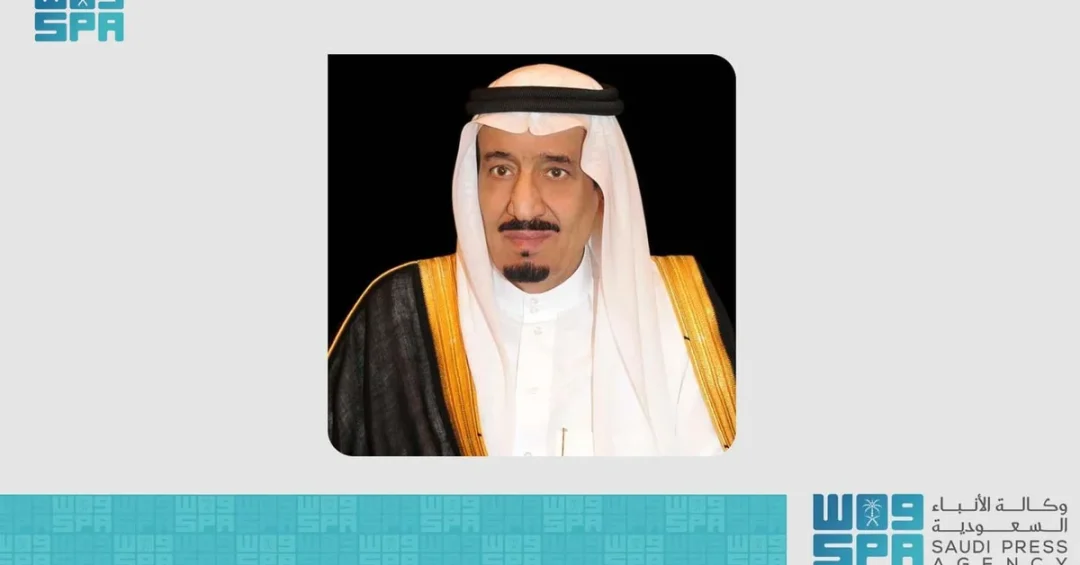
The Custodian of the Two Holy Mosques King Salman bin Abdulaziz Al Saud has sent a cable of congratulations to President Kassym-Jomart Tokayev of the Republic of Kazakhstan on the occasion of his country’s Republic Day, according to an official announcement carried by the Saudi Press Agency. The royal message extended warm wishes for the president’s continued good health and happiness, as well as further progress and prosperity for the government and people of Kazakhstan. The gesture underscores the enduring diplomatic ties between the Kingdom of Saudi Arabia and Kazakhstan, two nations that have steadily deepened their partnership across political, economic, and cultural domains in recent years.
Why does a simple congratulatory cable between two heads of state matter in the broader context of international relations? In diplomacy, such gestures are far more than ceremonial formalities. They serve as reaffirmations of mutual respect and shared interests, particularly between countries that have cultivated strategic partnerships. Saudi Arabia and Kazakhstan have done exactly that, building a relationship that spans energy cooperation, investment opportunities, and cultural exchange. The Kingdom’s consistent outreach to Central Asian nations reflects a deliberate foreign policy orientation that values stability, dialogue, and economic integration across regions.
Context and Background
Kazakhstan celebrates Republic Day on October 25 each year, commemorating the adoption of the Declaration on State Sovereignty in 1990. This foundational document marked a pivotal moment in the nation’s history, setting the stage for its emergence as an independent state following the dissolution of the Soviet Union. Since gaining independence in 1991, Kazakhstan has developed into a significant regional power in Central Asia, known for its vast natural resources, strategic geographic position, and multi-vector foreign policy that balances relationships with Russia, China, the United States, and the broader Muslim world.
How have Saudi-Kazakhstan relations evolved over the decades? Diplomatic ties between the Kingdom and Kazakhstan were established in 1992, shortly after Kazakhstan’s independence. Over the past three decades, these relations have expanded considerably. The two countries share membership in several international organizations, including the Organization of Islamic Cooperation and the United Nations. Saudi Arabia has consistently supported Kazakhstan’s sovereignty and territorial integrity, while Kazakhstan has valued the Kingdom’s role as a stabilizing force in the Middle East and a leader within the Islamic world. High-level visits have further cemented these bonds, with leaders from both nations exchanging visits to discuss bilateral cooperation and regional developments.
The Custodian of the Two Holy Mosques’ message to President Tokayev is part of a broader pattern of Saudi diplomatic engagement with Central Asian states. In recent years, the Kingdom has intensified its outreach to this region, recognizing its strategic importance as a bridge between Europe and Asia and as a source of energy resources and investment opportunities. This engagement aligns with Saudi Arabia’s Vision 2030, which seeks to diversify the Kingdom’s economy and expand its global partnerships beyond traditional allies.
Key Details of the Royal Message
The cable of congratulations from King Salman conveyed the Kingdom’s sincere wishes for President Tokayev’s well-being and for the continued advancement of Kazakhstan. According to the Saudi Press Agency, the message expressed hope for “continued good health and happiness” for the president and “further progress and prosperity” for the government and people of Kazakhstan. Such messages are customary in Saudi diplomatic practice, reflecting the Kingdom’s commitment to maintaining cordial relations with friendly nations and honoring important national occasions in those countries.
What does the content of this message reveal about Saudi diplomatic priorities? The language used in the cable is consistent with the Kingdom’s approach to international relations, which emphasizes respect for sovereignty, mutual benefit, and peaceful cooperation. By acknowledging Kazakhstan’s Republic Day, Saudi Arabia signals its recognition of the Central Asian nation’s historical milestones and its appreciation for the bilateral relationship. This type of diplomatic communication also serves to keep channels of dialogue open and to reinforce the foundation for future collaboration on matters of shared interest.
President Kassym-Jomart Tokayev has led Kazakhstan since 2019, following his election as president. He has continued the country’s tradition of multi-vector diplomacy while also pursuing domestic reforms aimed at modernizing the economy and improving governance. Under his leadership, Kazakhstan has maintained active engagement with the Muslim world, including participation in Organization of Islamic Cooperation initiatives and efforts to promote interfaith dialogue. The Kingdom’s congratulatory message to President Tokayev thus acknowledges a leader who shares many of Saudi Arabia’s goals regarding regional stability and international cooperation.
International and Regional Impact
How does Saudi Arabia’s engagement with Kazakhstan fit into the broader geopolitical landscape? Central Asia has become an increasingly important arena for international diplomacy, with major powers vying for influence in the region. Kazakhstan, as the largest and most economically developed country in Central Asia, plays a pivotal role in shaping regional dynamics. Saudi Arabia’s outreach to Kazakhstan is part of a wider strategy to build partnerships that can contribute to stability and prosperity in the Islamic world and beyond. This approach aligns with the Kingdom’s broader foreign policy objectives, which include promoting peace, supporting economic development, and strengthening ties with nations that share its values and interests.
The relationship between Saudi Arabia and Kazakhstan also has implications for energy markets and investment flows. Both countries are major energy producers, and their cooperation in this sector has the potential to influence global oil markets. Additionally, Kazakhstan’s strategic location along the Belt and Road Initiative routes makes it a key partner for countries seeking to expand trade and connectivity between Asia and Europe. Saudi Arabia’s Vision 2030 includes ambitions to enhance the Kingdom’s role as a logistics and trade hub, and partnerships with Central Asian states like Kazakhstan could complement these efforts by facilitating new trade corridors and investment opportunities.
Economic and Strategic Significance
What economic opportunities exist between Saudi Arabia and Kazakhstan? The two nations have identified several areas for potential collaboration, including energy, agriculture, mining, and technology. Kazakhstan is rich in natural resources, including oil, gas, uranium, and rare earth minerals, which are essential for modern industries. Saudi Arabia, with its growing focus on renewable energy and technological innovation, could find valuable partners in Kazakh companies and research institutions. Moreover, the Kingdom’s sovereign wealth fund, the Public Investment Fund, has been expanding its international portfolio, and Central Asia represents a frontier for investment diversification.
Trade between Saudi Arabia and Kazakhstan has been growing, though it remains below its full potential. Both countries have expressed interest in increasing bilateral trade and investment, and various agreements and memoranda of understanding have been signed in recent years to facilitate economic cooperation. The Saudi-Kazakhstan Intergovernmental Commission serves as a platform for discussing trade, investment, and technical cooperation. These efforts are consistent with Vision 2030’s goal of expanding Saudi Arabia’s non-oil exports and attracting foreign investment to the Kingdom.
Vision 2030 Alignment
How does this diplomatic gesture connect to Saudi Arabia’s long-term vision? Vision 2030, launched by Crown Prince Mohammed bin Salman in 2016, is a comprehensive plan to transform the Kingdom’s economy and society. A key pillar of this vision is the expansion of Saudi Arabia’s international partnerships and its integration into global economic and diplomatic networks. Strengthening ties with Kazakhstan and other Central Asian nations supports this objective by opening new avenues for trade, investment, and cultural exchange. The Kingdom’s active diplomacy in the region also reinforces its position as a leader in the Islamic world and a responsible global actor.
Furthermore, Vision 2030 emphasizes the importance of soft power and cultural diplomacy. Saudi Arabia’s engagement with Kazakhstan includes cultural exchanges, educational scholarships for Kazakh students in Saudi universities, and participation in cultural festivals and exhibitions. These initiatives help to build people-to-people connections and foster mutual understanding. By celebrating Kazakhstan’s Republic Day and extending congratulations to its leadership, the Kingdom reinforces the goodwill that underpins these efforts and demonstrates its commitment to being a reliable partner for nations across the world.
20 Questions
Q1. Who sent the cable of congratulations to the President of Kazakhstan?
A1. The Custodian of the Two Holy Mosques King Salman bin Abdulaziz Al Saud sent the cable of congratulations to President Kassym-Jomart Tokayev of the Republic of Kazakhstan on the occasion of Republic Day.
Q2. What is the significance of Republic Day in Kazakhstan?
A2. Republic Day commemorates the adoption of the Declaration on State Sovereignty in 1990, marking a pivotal step toward Kazakhstan’s independence, which was achieved in 1991 following the dissolution of the Soviet Union.
Q3. When did Saudi Arabia and Kazakhstan establish diplomatic relations?
A3. Diplomatic relations between the Kingdom of Saudi Arabia and the Republic of Kazakhstan were established in 1992, shortly after Kazakhstan gained independence, and have since expanded across multiple sectors.
Q4. What did King Salman wish for President Tokayev?
A4. King Salman wished President Tokayev continued good health and happiness, and extended wishes for further progress and prosperity for the government and people of Kazakhstan.
Q5. Why are such congratulatory messages important in diplomacy?
A5. Such messages reaffirm mutual respect and shared interests between nations, keep diplomatic channels open, and reinforce the foundation for future collaboration on matters of shared interest and regional stability.
Q6. What organizations do Saudi Arabia and Kazakhstan both belong to?
A6. Both countries are members of the Organization of Islamic Cooperation and the United Nations, and they cooperate on various international initiatives related to peace, development, and interfaith dialogue.
Q7. How has Saudi Arabia engaged with Central Asia in recent years?
A7. Saudi Arabia has intensified its outreach to Central Asian states, recognizing the region’s strategic importance as a bridge between Europe and Asia and as a source of energy resources and investment opportunities.
Q8. What is Kazakhstan’s position in Central Asia?
A8. Kazakhstan is the largest and most economically developed country in Central Asia, known for its vast natural resources, strategic geographic position, and multi-vector foreign policy.
Q9. What economic areas offer potential for Saudi-Kazakhstan cooperation?
A9. Energy, agriculture, mining, and technology are key areas for potential collaboration, given Kazakhstan’s rich natural resources and Saudi Arabia’s focus on renewable energy and technological innovation.
Q10. How does this diplomatic gesture align with Vision 2030?
A10. Vision 2030 aims to expand Saudi Arabia’s international partnerships and global integration. Strengthening ties with Kazakhstan supports this objective by opening new avenues for trade, investment, and cultural exchange.
Q11. Who is President Kassym-Jomart Tokayev?
A11. President Kassym-Jomart Tokayev has led Kazakhstan since 2019. He has continued the country’s multi-vector diplomacy while pursuing domestic reforms aimed at modernizing the economy and improving governance.
Q12. What role does the Saudi Press Agency play in this announcement?
A12. The Saudi Press Agency is the official news agency of the Kingdom and carried the announcement of the royal cable, ensuring accurate and timely dissemination of official Saudi information to the public and media.
Q13. How does Saudi Arabia’s outreach to Kazakhstan fit into its broader foreign policy?
A13. It reflects a deliberate foreign policy orientation that values stability, dialogue, and economic integration, and reinforces the Kingdom’s position as a leader in the Islamic world and a responsible global actor.
Q14. What is the significance of King Salman’s title, Custodian of the Two Holy Mosques?
A14. The title Custodian of the Two Holy Mosques signifies the Saudi monarch’s role as protector of Islam’s holiest sites in Mecca and Medina, underscoring the Kingdom’s central place in the Islamic world.
Q15. Have there been high-level visits between Saudi and Kazakh leaders?
A15. Yes, leaders from both nations have exchanged visits over the years to discuss bilateral cooperation and regional developments, further cementing the bonds between the two countries.
Q16. What is the Saudi-Kazakhstan Intergovernmental Commission?
A16. It is a platform for discussing trade, investment, and technical cooperation between the two countries, supporting efforts to increase bilateral trade and economic collaboration.
Q17. How does Kazakhstan’s location benefit its partnership with Saudi Arabia?
A17. Kazakhstan’s strategic location along Belt and Road Initiative routes makes it a key partner for expanding trade and connectivity between Asia and Europe, complementing Saudi Arabia’s logistics and trade hub ambitions.
Q18. What cultural exchanges exist between Saudi Arabia and Kazakhstan?
A18. Cultural exchanges include educational scholarships for Kazakh students in Saudi universities, participation in cultural festivals, and other initiatives that build people-to-people connections and foster mutual understanding.
Q19. What is the Public Investment Fund’s interest in Central Asia?
A19. The Public Investment Fund has been expanding its international portfolio, and Central Asia represents a frontier for investment diversification, aligning with Vision 2030’s economic goals.
Q20. What does the future hold for Saudi-Kazakhstan relations?
A20. The future holds continued growth in diplomatic, economic, and cultural ties, with both nations committed to mutual respect, shared prosperity, and cooperation on regional and international issues of common interest.
Reader Feedback
We value your thoughts. Please share your feedback on this article.
Your feedback helps us improve our coverage.
Related articles
 IsDB Approves $156 Million for Cancer Treatment Facilities in Turkmenistan
 Crown Prince Congratulates Kazakhstan on Republic Day
 Saudi Arabia to Host Donors Conference for Sahel, Lake Chad
 Imam of Prophet’s Mosque Delivers Friday Sermon in Kyrgyzstan
 Prophet’s Mosque Imam Inaugurates Largest Mosque in Montenegro
 Imam of Prophet’s Mosque Visits Montenegro School