


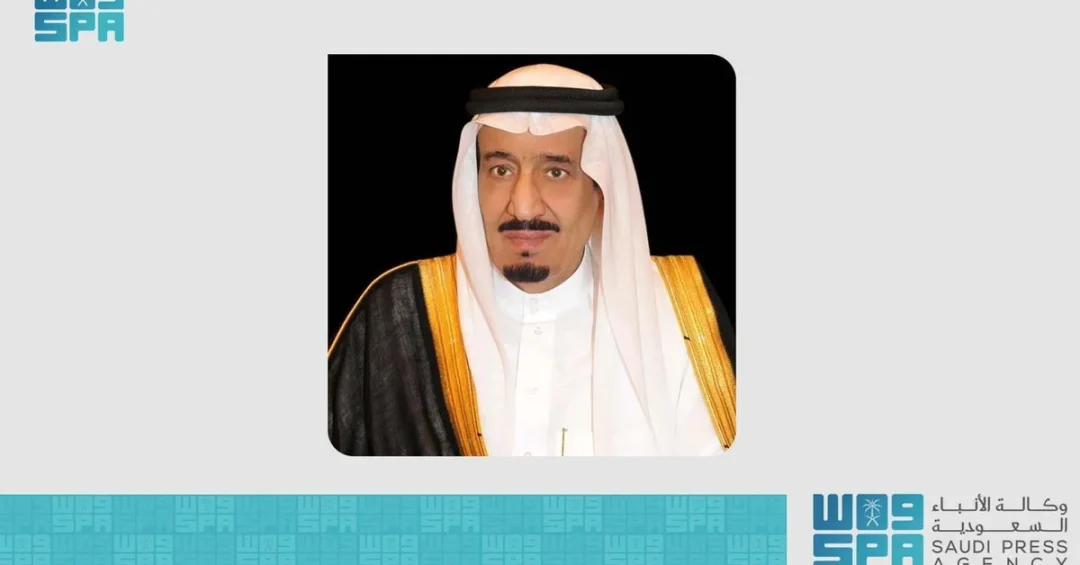
Custodian of the Two Holy Mosques King Salman bin Abdulaziz Al Saud has sent a cable of congratulations to President Bassirou Diomaye Diakhar Faye of the Republic of Senegal on the occasion of his country’s Independence Day, according to an announcement carried by the Saudi Press Agency. The royal message, dated April 4, 2025, conveyed the Kingdom’s warm wishes to the Senegalese president, government, and people, underscoring the enduring friendship between Saudi Arabia and Senegal. In the cable, the Custodian of the Two Holy Mosques wished President Faye continued good health and happiness, and expressed hopes for steady progress and prosperity for the government and people of Senegal. The gesture reflects the Kingdom’s consistent practice of honoring friendly nations on their national days and reinforcing diplomatic ties rooted in mutual respect and shared interests.
The congratulatory message comes at a time when Saudi-Senegalese relations continue to deepen across political, economic, and cultural domains. Senegal, a West African nation with a Muslim-majority population, shares strong historical and religious bonds with the Kingdom, particularly through the annual Hajj pilgrimage and educational exchanges. The exchange of such diplomatic courtesies is a hallmark of Saudi Arabia’s foreign policy, which prioritizes goodwill, stability, and cooperation among nations. As the birthplace of Islam and home to the Two Holy Mosques, the Kingdom plays a unique role in the Islamic world, and its relationships with African nations like Senegal are built on a foundation of faith, solidarity, and mutual development goals.
Context and Background
What does this congratulatory cable signify in the broader context of Saudi diplomacy? It highlights the Kingdom’s long-standing tradition of engaging with African nations on both bilateral and multilateral levels. Senegal, which gained independence from France on April 4, 1960, has maintained cordial relations with Saudi Arabia for decades. The two countries have cooperated in areas such as education, healthcare, and infrastructure, with Saudi Arabia frequently extending developmental assistance and humanitarian aid to Senegal. The exchange of congratulatory messages on national days is a diplomatic norm that reinforces these ties and signals continuity in the relationship.
Historically, Saudi Arabia has been a key partner for Senegal, particularly in supporting religious institutions and providing scholarships to Senegalese students to study in the Kingdom. In addition, Saudi Arabia’s Vision 2030 reform agenda has opened new avenues for cooperation, including investment opportunities and cultural exchange. Senegal, under President Faye’s leadership, has expressed interest in strengthening ties with Gulf nations, viewing Saudi Arabia as a pivotal ally in its own development journey. The congratulatory cable thus serves as a reminder of the robust and multifaceted partnership that exists between the two countries.
Furthermore, the timing of the message coincides with a period of heightened Saudi engagement in Africa. The Kingdom has been actively pursuing economic diversification and forging new partnerships across the continent, aligning with Vision 2030’s goal of expanding non-oil trade and investment. Senegal, with its strategic location and growing economy, represents a valuable partner in this endeavor. The cable of congratulations is not merely a ceremonial gesture but a reaffirmation of Saudi Arabia’s commitment to nurturing these relationships for mutual benefit.
Key Details
What exactly did the royal cable convey? According to the Saudi Press Agency, the Custodian of the Two Holy Mosques extended his sincere congratulations to President Bassirou Diomaye Diakhar Faye, wishing him continued good health and happiness. The message also expressed hopes for steady progress and prosperity for the government and people of Senegal. Such cables are typically sent on behalf of the King and the Crown Prince to leaders of friendly nations on their national days, reflecting the Kingdom’s respect for their sovereignty and achievements.
The cable was sent on April 4, 2025, coinciding with Senegal’s Independence Day, a significant national holiday commemorating the country’s liberation from colonial rule. The Saudi Press Agency reported the news, ensuring that the message reached both domestic and international audiences. This is consistent with Saudi Arabia’s practice of publicizing diplomatic communications to demonstrate its active role in international affairs. The wording of the cable is carefully crafted to convey warmth and respect, emphasizing the personal regard the Custodian of the Two Holy Mosques holds for President Faye and the Senegalese people.
It is worth noting that President Faye assumed office in April 2024, and this is among the first Independence Day messages he has received from Saudi Arabia during his presidency. The cable thus marks an important moment in the diplomatic calendar of both nations, setting a positive tone for future interactions. The Saudi leadership’s consistent outreach to African leaders underscores the Kingdom’s commitment to being a reliable partner and a force for stability and development on the continent.
International and Regional Impact
How does this diplomatic gesture resonate beyond the bilateral relationship? Saudi Arabia’s engagement with Senegal is part of a broader strategy to strengthen ties with African nations, many of which are members of the Organization of Islamic Cooperation (OIC). As a leading voice in the Islamic world, the Kingdom’s positive relations with Senegal contribute to unity and cooperation within the OIC and beyond. This, in turn, supports regional stability and fosters an environment conducive to economic growth and cultural exchange.
On the international stage, Saudi Arabia’s consistent diplomatic outreach reinforces its image as a responsible global actor committed to peaceful coexistence and mutual respect. The congratulatory cable, though a small gesture, is part of a larger pattern of Saudi diplomacy that includes mediation efforts, humanitarian aid, and investment in developing countries. For Senegal, receiving such a message from the Custodian of the Two Holy Mosques carries significant symbolic weight, acknowledging its sovereignty and its standing among nations. It also signals to the international community that Saudi-Senegalese relations are strong and poised for further collaboration.
Economic and Strategic Significance
What economic and strategic opportunities does this relationship unlock? Saudi Arabia and Senegal have been exploring avenues for increased trade and investment, particularly in sectors such as agriculture, energy, and infrastructure. Senegal’s growing economy and its position as a gateway to West Africa make it an attractive partner for Saudi businesses looking to expand their footprint in the region. The Kingdom’s Vision 2030 aims to diversify its economy and increase non-oil exports, and partnerships with African nations like Senegal are integral to achieving these goals.
Moreover, Saudi Arabia has been a source of development finance for Senegal through institutions such as the Saudi Fund for Development, which has supported projects in education, health, and transportation. These investments not only contribute to Senegal’s socio-economic development but also strengthen the bilateral relationship. The congratulatory cable, while symbolic, serves to maintain the momentum of these economic ties by keeping lines of communication open at the highest levels. It also paves the way for future agreements and collaborations that could benefit both nations.
Vision 2030 Alignment
How does this diplomatic exchange align with Saudi Arabia’s Vision 2030? Vision 2030 is a comprehensive plan to transform the Kingdom’s economy and society, with a strong emphasis on international cooperation and global engagement. By nurturing relationships with countries like Senegal, Saudi Arabia enhances its network of allies and partners, which is essential for achieving the vision’s objectives of economic diversification and global influence. The cable of congratulations is a small but meaningful example of the Kingdom’s proactive diplomacy, which is a key pillar of Vision 2030.
Furthermore, Vision 2030 seeks to position Saudi Arabia as a hub for trade and investment between continents. Strengthening ties with African nations supports this goal by opening new markets and fostering people-to-people connections. The Kingdom’s commitment to Africa is evident in its hosting of the Saudi-African Summit and its various initiatives to boost cooperation. As Saudi Arabia continues to implement Vision 2030, relationships like the one with Senegal will play a vital role in shaping a prosperous and interconnected future.
In conclusion, the cable of congratulations from the Custodian of the Two Holy Mosques to President Bassirou Diomaye Diakhar Faye is a testament to the enduring friendship between Saudi Arabia and Senegal. It reflects the Kingdom’s dedication to diplomacy, mutual respect, and global partnership, all of which are central to Vision 2030. As both nations look ahead, this gesture sets a positive tone for continued collaboration and shared success.
20 Questions
Q1. Who sent the cable of congratulations to the President of Senegal?
A1. The Custodian of the Two Holy Mosques, King Salman bin Abdulaziz Al Saud, sent the cable of congratulations to President Bassirou Diomaye Diakhar Faye of Senegal on April 4, 2025.
Q2. What occasion prompted the congratulatory message?
A2. The message was sent on the occasion of Senegal’s Independence Day, which is celebrated annually on April 4 to mark the country’s independence from France in 1960.
Q3. What did the Custodian of the Two Holy Mosques wish for President Faye?
A3. King Salman wished President Faye continued good health and happiness, and expressed hopes for steady progress and prosperity for the government and people of Senegal.
Q4. How was the news of the cable announced?
A4. The Saudi Press Agency (SPA) reported the news of the cable, ensuring that it reached both domestic and international audiences.
Q5. What is the significance of Saudi Arabia sending such cables?
A5. It reflects Saudi Arabia’s commitment to maintaining strong diplomatic ties with friendly nations and its respect for their national occasions, reinforcing mutual goodwill.
Q6. How long have Saudi Arabia and Senegal maintained diplomatic relations?
A6. Saudi Arabia and Senegal have maintained cordial relations for decades, with cooperation in areas such as education, healthcare, and infrastructure.
Q7. What role does Senegal play in the Islamic world?
A7. Senegal is a Muslim-majority nation and an active member of the Organization of Islamic Cooperation (OIC), contributing to unity and cooperation among Islamic countries.
Q8. Has Saudi Arabia supported Senegal through development aid?
A8. Yes, Saudi Arabia has provided developmental assistance and humanitarian aid to Senegal, including scholarships for Senegalese students and funding for various projects.
Q9. What is the Saudi Fund for Development’s role in Senegal?
A9. The Saudi Fund for Development has financed projects in Senegal in sectors such as education, health, and transportation, contributing to the country’s socio-economic development.
Q10. How does this cable align with Saudi Vision 2030?
A10. Vision 2030 emphasizes international cooperation and economic diversification. Strengthening ties with African nations like Senegal supports these goals by opening new markets and fostering partnerships.
Q11. What economic opportunities exist between Saudi Arabia and Senegal?
A11. Opportunities exist in agriculture, energy, infrastructure, and trade. Senegal’s strategic location and growing economy make it an attractive partner for Saudi investment.
Q12. When did President Bassirou Diomaye Diakhar Faye assume office?
A12. President Faye assumed office in April 2024, making this one of the first Independence Day messages he has received from Saudi Arabia during his presidency.
Q13. What is the typical content of such congratulatory cables?
A13. These cables typically convey congratulations, wishes for good health and happiness for the leader, and prosperity for the government and people of the friendly nation.
Q14. How does Saudi Arabia engage with African nations broadly?
A14. Saudi Arabia engages with African nations through diplomacy, investment, humanitarian aid, and forums like the Saudi-African Summit, aiming to foster stability and development.
Q15. What is the significance of the Custodian of the Two Holy Mosques title?
A15. The title signifies the King’s role as the guardian of Islam’s holiest sites, Mecca and Medina, and reflects his leadership in the Islamic world.
Q16. Does Saudi Arabia send similar cables to other countries?
A16. Yes, Saudi Arabia routinely sends congratulatory cables to leaders of friendly nations on their national days, as part of its diplomatic practice.
Q17. What benefits does Senegal gain from strong ties with Saudi Arabia?
A17. Senegal benefits from Saudi investment, development aid, educational opportunities, and support in international forums, enhancing its socio-economic development.
Q18. How do such diplomatic gestures impact regional stability?
A18. They foster goodwill and cooperation, contributing to regional stability and creating an environment conducive to economic growth and cultural exchange.
Q19. What future collaborations might result from this relationship?
A19. Future collaborations could include increased trade, joint investments, cultural exchanges, and cooperation in multilateral organizations, benefiting both nations.
Q20. How does this cable reflect Saudi Arabia’s global role?
A20. It demonstrates Saudi Arabia’s active and positive engagement in international diplomacy, reinforcing its image as a responsible global actor committed to peace and cooperation.
Reader Feedback
We value your thoughts. Please share your feedback on this article.
Your feedback helps us improve our coverage.
Related articles
 Crown Prince Congratulates Senegal on Independence Day
 NCM Forecasts Rainfall and Hail in Hail Region Until 10 PM
 Saudi Arabia Condemns Israeli Escalation in Gaza
 NCM Warns of Heavy Rain, Thunderstorms in Jazan
 KSrelief Distributes Food Baskets in Northern Lebanon
 KSrelief Clinic Treats 1,691 in Yemen’s Hajjah in February