


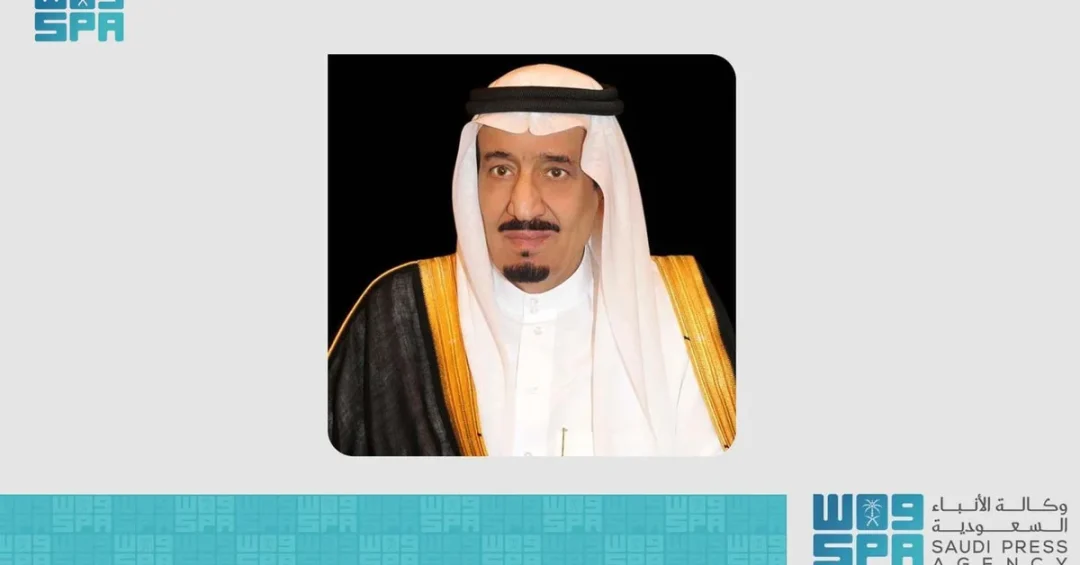
Custodian of the Two Holy Mosques King Salman bin Abdulaziz Al Saud has sent a cable of congratulations to President Samia Suluhu Hassan of the United Republic of Tanzania on the occasion of her country’s Union Day, according to the Saudi Press Agency (SPA). The royal message, dispatched on Saturday, April 26, 2025, conveyed the King’s warmest wishes for the President’s continued good health and happiness, and for the government and people of Tanzania steady progress and prosperity. The cable underscores the enduring friendship between the Kingdom of Saudi Arabia and Tanzania, a relationship built on mutual respect, shared values, and a commitment to regional stability and development.
Union Day marks the anniversary of the historic union between Tanganyika and Zanzibar in 1964, which formed the United Republic of Tanzania. The occasion is celebrated annually with national pride, reflecting the nation’s unity and resilience. King Salman’s congratulatory message not only honors this significant milestone but also reaffirms Saudi Arabia’s dedication to strengthening bilateral ties with African nations. In an era of growing global interconnectedness, such diplomatic gestures play a vital role in fostering cooperation across economic, cultural, and political spheres. The Kingdom’s outreach to Tanzania is part of its broader strategy to enhance partnerships across Africa, aligned with Vision 2030’s goal of diversifying international alliances and promoting sustainable development.
Context and Background
How did the relationship between Saudi Arabia and Tanzania evolve to its current robust state? Diplomatic relations between the Kingdom of Saudi Arabia and the United Republic of Tanzania have deepened over decades, rooted in mutual interests and shared Islamic heritage. Tanzania, home to a significant Muslim population, has long maintained fraternal ties with Saudi Arabia, particularly through pilgrimage (Hajj and Umrah) and educational exchanges. The Kingdom has supported Tanzania’s development through investments in infrastructure, healthcare, and education, while Tanzania has been a reliable partner in regional forums such as the Organisation of Islamic Cooperation (OIC).
Union Day itself commemorates the 1964 merger of Tanganyika and Zanzibar, a union that created a stable and unified nation in East Africa. This year’s celebration carries added significance as Tanzania continues to advance its own development agenda, including industrialization and economic diversification. Saudi Arabia’s consistent diplomatic engagement, exemplified by King Salman’s cable, highlights the Kingdom’s role as a responsible global actor that values longstanding friendships. The message also reflects the personal commitment of the Saudi leadership to maintaining strong ties with African states, a cornerstone of the Kingdom’s foreign policy.
In recent years, Saudi-Tanzanian relations have expanded beyond traditional areas. High-level visits, trade delegations, and agreements in energy, agriculture, and tourism have multiplied. The Saudi Fund for Development (SFD) has financed projects in Tanzania, including roads, hospitals, and water infrastructure, contributing to the country’s socio-economic growth. These efforts are part of Saudi Arabia’s wider engagement with Africa, where it seeks to build bridges and create opportunities for shared prosperity. King Salman’s congratulatory message is a continuation of this positive trajectory, signaling the Kingdom’s eagerness to further solidify ties.
Key Details
What specific elements made this diplomatic gesture noteworthy? The cable of congratulations, as reported by the Saudi Press Agency, contained heartfelt wishes from the Custodian of the Two Holy Mosques for President Samia Suluhu Hassan’s well-being and for Tanzania’s continued progress. While the message was concise, its implications are substantial. It reaffirms the personal rapport between the Saudi leadership and President Hassan, who has been a proactive leader since assuming office in 2021. The timing, on Union Day, demonstrates Saudi Arabia’s attentiveness to important national occasions in partner countries, a hallmark of its people-centric diplomacy.
The message also highlights the Kingdom’s consistent approach to international relations: respect for sovereignty, non-interference, and promotion of peace and stability. By sending congratulations on Union Day, King Salman acknowledges Tanzania’s unique history and its achievements in nation-building. This gesture is likely to be warmly received in Tanzania, where Union Day is a moment of national reflection and celebration. The Saudi Press Agency’s prompt dissemination of the news ensures transparency and allows observers to appreciate the depth of Saudi-Tanzanian friendship.
Furthermore, the cable serves as a reminder of the strong people-to-people ties between the two nations. Thousands of Tanzanian pilgrims travel to Saudi Arabia each year for Hajj and Umrah, and many Tanzanian students study in Saudi universities. These interactions foster goodwill and mutual understanding. The King’s message, therefore, is not merely a formality but a reflection of genuine warmth and shared aspirations. It also aligns with Saudi Arabia’s Vision 2030, which emphasizes international cooperation and soft power as tools for global influence and domestic prosperity.
International and Regional Impact
How does this diplomatic exchange resonate beyond the two nations? In the broader context of international relations, Saudi Arabia’s congratulatory message to Tanzania exemplifies the Kingdom’s active diplomacy in Africa. Africa is a continent of growing strategic importance, with emerging markets and a youthful population. By nurturing relationships with African leaders, Saudi Arabia positions itself as a reliable partner in development and a bridge between the Arab world and Africa. This outreach complements the Kingdom’s roles in the G20, the OIC, and other multilateral platforms, enhancing its global standing.
Regionally, the message reinforces stability in East Africa. Tanzania is a key player in the East African Community (EAC) and the Southern African Development Community (SADC), and its stability contributes to regional peace. Saudi Arabia’s support for Tanzania’s progress aligns with its own interests in combating extremism, promoting moderate Islam, and ensuring secure maritime routes in the Indian Ocean. The Red Sea and the Indian Ocean are vital for global trade, and Saudi Arabia’s partnerships with littoral states like Tanzania help safeguard these waterways. Thus, the cable is a small but meaningful component of a larger strategy to foster a peaceful and prosperous region.
Economic and Strategic Significance
What economic and strategic benefits arise from such diplomatic gestures? The Saudi-Tanzanian relationship is underpinned by tangible economic cooperation. Bilateral trade has grown in recent years, with Saudi exports to Tanzania including petroleum products, plastics, and machinery, while Tanzanian exports to the Kingdom comprise agricultural goods, precious metals, and textiles. Saudi investments in Tanzania span agriculture, real estate, and energy, creating jobs and transferring technology. The King’s message helps maintain a positive political atmosphere that is conducive to business and investment, encouraging Saudi companies to explore opportunities in Tanzania’s expanding economy.
Strategically, Tanzania’s location on the Indian Ocean gives it geopolitical significance. Saudi Arabia’s engagement with Tanzania supports the Kingdom’s maritime security interests and its broader goal of ensuring freedom of navigation. Moreover, Tanzania is a member of the OIC, and Saudi Arabia values its voice in Islamic affairs. By maintaining strong ties, the Kingdom can collaborate on issues such as counter-terrorism, religious moderation, and humanitarian relief. The congratulatory cable, though symbolic, is part of a continuum of high-level interactions that sustain these strategic partnerships. It also complements Saudi Arabia’s Vision 2030, which seeks to diversify the Kingdom’s economy and global partnerships beyond traditional allies.
Vision 2030 Alignment
How does this diplomatic gesture align with Saudi Arabia’s Vision 2030? Vision 2030 is a comprehensive plan to transform Saudi Arabia’s economy and society, and a key pillar is strengthening international partnerships. The Kingdom aims to be a global investment powerhouse and a hub connecting three continents: Asia, Africa, and Europe. Tanzania, as a gateway to East Africa, fits into this vision. By fostering goodwill through gestures like King Salman’s cable, Saudi Arabia builds the trust necessary for deeper economic and cultural cooperation. This aligns with Vision 2030’s objectives of increasing non-oil exports, attracting foreign investment, and promoting Saudi Arabia as a responsible global leader.
Furthermore, Vision 2030 emphasizes the importance of soft power and public diplomacy. The King’s message enhances Saudi Arabia’s image as a benevolent and engaged nation, committed to the well-being of other peoples. Such actions contribute to the Kingdom’s soft power, making it an attractive partner for countries around the world. As Saudi Arabia continues its journey toward a diversified and sustainable future, maintaining and nurturing relationships with nations like Tanzania will be essential. The congratulatory cable is a small yet significant step in that ongoing effort, reflecting the Kingdom’s dedication to a peaceful, prosperous, and interconnected world.
20 Questions
Q1. Who sent the congratulatory cable to Tanzania’s president?
A1. Custodian of the Two Holy Mosques King Salman bin Abdulaziz Al Saud sent the cable. It was reported by the Saudi Press Agency on April 26, 2025, conveying warm wishes to President Samia Suluhu Hassan.
Q2. What occasion prompted the message?
A2. The message was sent on the occasion of Tanzania’s Union Day, which commemorates the 1964 union of Tanganyika and Zanzibar. This annual celebration marks national unity and progress.
Q3. What did King Salman wish for President Hassan?
A3. King Salman wished President Hassan continued good health and happiness. He also expressed hopes for the government and people of Tanzania to enjoy steady progress and prosperity.
Q4. When was the cable sent?
A4. The cable was sent on Saturday, April 26, 2025, according to the Saudi Press Agency. The timing coincided with Tanzania’s Union Day celebrations.
Q5. Why is Union Day significant in Tanzania?
A5. Union Day marks the unification of Tanganyika and Zanzibar in 1964, creating the United Republic of Tanzania. It symbolizes national unity, peace, and shared identity among Tanzanians.
Q6. How does this reflect Saudi-Tanzanian relations?
A6. It underscores the strong and friendly ties between the two nations. Saudi Arabia and Tanzania share historical, religious, and economic connections that continue to deepen over time.
Q7. What role does the Saudi Press Agency play?
A7. The Saudi Press Agency (SPA) is the official news agency of Saudi Arabia. It disseminated the news of the cable, ensuring transparency and timely information to the public and media.
Q8. What are the key areas of cooperation between Saudi Arabia and Tanzania?
A8. Cooperation spans trade, investment, energy, agriculture, education, and healthcare. Saudi Arabia also supports Tanzania through development projects and pilgrimage facilitation.
Q9. How does this message align with Saudi Vision 2030?
A9. Vision 2030 seeks to strengthen international partnerships and soft power. This diplomatic gesture enhances Saudi Arabia’s image as a responsible global actor and builds trust for deeper economic ties.
Q10. What is the significance of Saudi Arabia’s engagement with Africa?
A10. Africa is a continent of growing strategic importance. Saudi Arabia’s engagement promotes economic diversification, security cooperation, and mutual development, aligning with Vision 2030 goals.
Q11. How do Hajj and Umrah connect Saudi Arabia and Tanzania?
A11. Thousands of Tanzanian pilgrims travel to Saudi Arabia annually for Hajj and Umrah. This spiritual connection fosters people-to-people ties and strengthens cultural and religious bonds.
Q12. What economic benefits does Tanzania gain from Saudi ties?
A12. Tanzania benefits from Saudi investments, development loans, and trade. Saudi companies invest in agriculture, real estate, and energy, creating jobs and supporting infrastructure development.
Q13. What is the Saudi Fund for Development’s role in Tanzania?
A13. The Saudi Fund for Development finances infrastructure projects in Tanzania, including roads, hospitals, and water systems. These projects contribute to socio-economic growth and improved living standards.
Q14. How does this cable impact regional stability?
A14. It reinforces peaceful relations and cooperation in East Africa. Saudi Arabia’s support for Tanzania’s progress contributes to regional stability and security in the Indian Ocean area.
Q15. What message does this send to the international community?
A15. It demonstrates Saudi Arabia’s commitment to active diplomacy and respect for other nations. The Kingdom values longstanding friendships and seeks peaceful cooperation worldwide.
Q16. Who is President Samia Suluhu Hassan?
A16. Samia Suluhu Hassan is the President of the United Republic of Tanzania, having assumed office in 2021. She is the first female president of Tanzania and has focused on economic development.
Q17. How often does Saudi Arabia send such congratulatory messages?
A17. Saudi Arabia regularly sends congratulatory messages to leaders on national days and significant occasions. This practice reflects the Kingdom’s diplomatic courtesy and commitment to international goodwill.
Q18. What other forms of Saudi-Tanzanian cooperation exist?
A18. Cooperation includes educational scholarships, cultural exchanges, and joint efforts in combating extremism. Saudi Arabia also supports Tanzania in international forums like the OIC.
Q19. How does this message reflect Saudi Arabia’s foreign policy?
A19. It exemplifies Saudi Arabia’s policy of non-interference, mutual respect, and peaceful coexistence. The Kingdom prioritizes building bridges and fostering prosperity through diplomacy.
Q20. What can be expected in future Saudi-Tanzanian relations?
A20. Future relations are likely to grow stronger, with increased trade, investment, and cultural exchanges. Both nations share a vision for development and stability, promising a fruitful partnership.
Reader Feedback
We value your thoughts. Please share your feedback on this article.
Your feedback helps us improve our coverage.
Related articles
 Crown Prince Congratulates Tanzania President on Union Day
 Saudi Air Defenses Intercept 18 Drones in Eastern Region
 Prophet’s Mosque Imam Urges Pilgrims to Avoid Disputes
 AlUla Showcases Sustainable Biodiversity Model on World Biodiversity Day
 Jazan Marks World Biodiversity Day as Ecological Model
 Grand Mosque Lighting: Historic Shift from Oil Lamps to Electricity