


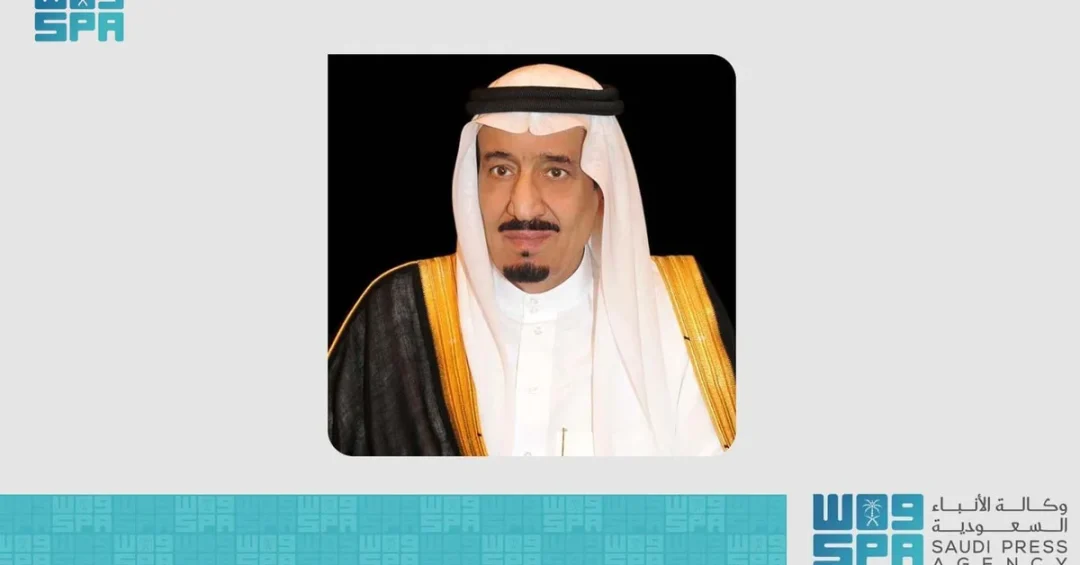
Custodian of the Two Holy Mosques King Salman bin Abdulaziz Al Saud has approved the awarding of the Order of Merit Third Class to four residents for donating blood 10 times, according to the Saudi Press Agency (SPA). The royal approval, announced on December 10, 2024, recognizes the sustained humanitarian commitment of these individuals and reflects the Kingdom of Saudi Arabia’s broader culture of giving, civic responsibility, and volunteerism. The Order of Merit Third Class is a formal state honor conferred in acknowledgment of notable contributions to society, and its extension to residents underscores that the Kingdom values every person who contributes to the well-being of the community, regardless of nationality.
Why does a single act of generosity, repeated ten times, deserve national recognition? Because in Saudi Arabia, blood donation is not treated as a minor gesture but as a lifeline that supports the Kingdom’s healthcare system, saves lives in emergencies, and strengthens the social fabric. The decision by the Custodian of the Two Holy Mosques sends a clear message: those who give of themselves for the benefit of others are seen, valued, and honored. For international observers, the announcement offers a window into how Saudi Arabia’s leadership prioritizes humanitarian values alongside its ambitious Vision 2030 modernization agenda. It also highlights the quiet, everyday contributions that make the Kingdom’s communities resilient and compassionate.
Context and Background
How did this recognition come about, and what does it say about Saudi Arabia’s approach to public health and civic duty? The Order of Merit is a prestigious national honor in the Kingdom, awarded by royal decree to individuals who have demonstrated exceptional service or achievement. The Third Class of the Order is granted for significant contributions that merit official appreciation. In this case, the four residents reached the milestone of donating blood ten times, a threshold that demonstrates consistent altruism and a sustained commitment to saving lives. The Saudi Press Agency reported the royal approval on December 10, 2024, confirming that the honor was granted at the highest level of the state.
Saudi Arabia has long placed a strong emphasis on voluntary blood donation as part of its public health strategy. Blood banks across the Kingdom rely on regular donors to maintain adequate supplies for surgeries, trauma care, cancer treatment, and chronic conditions such as thalassemia and sickle cell disease. The Ministry of Health regularly organizes donation campaigns in coordination with hospitals, universities, and community organizations, and it has increasingly adopted digital tools to make donating easier. The recognition of residents who have donated ten times is therefore not an isolated gesture but part of a wider national effort to encourage a culture of regular, voluntary donation. By honoring these individuals publicly, the leadership reinforces the message that blood donation is a patriotic and humanitarian act.
Moreover, the fact that the recipients are residents rather than citizens carries particular significance. Saudi Arabia hosts a large expatriate community that contributes to the Kingdom’s economy, healthcare, education, and cultural life. Recognizing residents for their humanitarian contributions reflects the inclusive spirit of Saudi society and the leadership’s appreciation for all who call the Kingdom home. It also aligns with the values of Vision 2030, which seeks to build a vibrant society where everyone can participate and thrive. In a region often characterized by rapid change, such gestures of inclusion help strengthen social cohesion and mutual respect.
Key Details of the Royal Approval
What exactly does the Order of Merit Third Class entail, and who are the individuals being honored? While the SPA announcement did not disclose the names of the four residents, it confirmed that the honor was approved by King Salman bin Abdulaziz Al Saud himself. The Order of Merit is typically awarded in recognition of distinguished service to the nation, and its Third Class is a mark of high esteem. The recipients earned the honor by donating blood ten times, a feat that requires not only physical generosity but also a sustained personal commitment over months or years. Each donation can save up to three lives, meaning that ten donations could potentially help as many as thirty patients.
The royal approval process itself reflects the structured and formal nature of honors in Saudi Arabia. Recommendations for state honors are reviewed through official channels before receiving final approval from the Custodian of the Two Holy Mosques. This ensures that the recognition is bestowed thoughtfully and carries the full weight of the state’s appreciation. The announcement via the Saudi Press Agency also ensures transparency, allowing the public to understand the criteria and significance of the award. For the recipients, the honor is likely to be a source of great pride, and for the broader community, it serves as an inspiration to consider becoming regular blood donors.
It is also worth noting that blood donation in Saudi Arabia is carefully regulated to ensure the safety of both donors and recipients. The Ministry of Health sets eligibility criteria, including age, weight, and health status, and all donated blood undergoes rigorous screening for infectious diseases. This regulatory framework ensures that donation is safe and that the blood supply remains reliable. The four residents who received the Order of Merit would have undergone these standard procedures each time they donated, further demonstrating their commitment to the health and safety of others. Their example encourages others to trust the system and participate in this life-saving activity.
International and Regional Impact
How does this recognition resonate beyond Saudi Arabia’s borders? For international audiences, the story highlights the Kingdom’s humanitarian values and its commitment to recognizing individuals from all backgrounds. In a world where expatriates sometimes feel marginalized, Saudi Arabia’s decision to honor residents for their contributions sends a powerful message of inclusion. It also aligns with the Kingdom’s broader diplomatic efforts to promote humanitarian causes and global cooperation. Saudi Arabia has long been a major donor of humanitarian aid worldwide, and this local recognition of blood donors complements its international role.
Regionally, the announcement may encourage other Gulf states to consider similar forms of recognition for blood donors and volunteers. By setting an example, Saudi Arabia reinforces a culture of appreciation for civic duty that can inspire neighboring countries. In the context of the Middle East, where healthcare systems face various challenges, promoting voluntary blood donation is a practical and impactful way to strengthen public health. The Kingdom’s leadership in this area adds to its reputation as a stabilizing and forward-looking force in the region. It also demonstrates that Saudi Arabia’s modernization is not only about megaprojects and economic diversification but also about nurturing a compassionate and cohesive society.
Economic and Strategic Significance
What is the economic and strategic value of promoting voluntary blood donation? A stable blood supply is essential for any functioning healthcare system, and it reduces the need for costly emergency imports or reliance on paid donors. By encouraging regular voluntary donation, Saudi Arabia can ensure that its hospitals are better prepared for emergencies, surgeries, and chronic care. This, in turn, supports the Kingdom’s broader goal of enhancing quality of life for citizens and residents, a key pillar of Vision 2030. A healthy population is also more productive, contributing to economic growth and innovation.
Strategically, the recognition of residents reinforces social stability and national unity. When residents feel valued and respected, they are more likely to contribute positively to society and to speak well of the Kingdom internationally. This soft power effect can enhance Saudi Arabia’s image as a welcoming and progressive nation. Moreover, the emphasis on volunteerism and civic engagement aligns with Vision 2030’s aim to increase the non-profit sector’s contribution to GDP and to foster a culture of giving. By honoring blood donors, the leadership encourages a spirit of volunteerism that can extend to other areas, such as education, environmental protection, and community service.
Vision 2030 Alignment
How does this royal approval connect to Saudi Arabia’s long-term vision? Vision 2030, launched by Crown Prince Mohammed bin Salman, seeks to build a vibrant society, a thriving economy, and an ambitious nation. A vibrant society is one where citizens and residents alike enjoy a high quality of life, feel safe and secure, and take pride in their contributions. Recognizing blood donors directly supports this goal by promoting health, solidarity, and civic responsibility. It also reflects the vision’s emphasis on social development and the importance of a strong social fabric.
Furthermore, the award demonstrates the leadership’s commitment to celebrating individuals who make a difference, regardless of their nationality. This inclusivity is a cornerstone of the Vision 2030 promise to create an open and tolerant society. As Saudi Arabia continues to transform, such gestures help build trust and cohesion among all segments of the population. The four residents honored with the Order of Merit Third Class are now part of a larger story of national progress, one that values every contribution and looks forward to a future where generosity and compassion are hallmarks of the Kingdom’s identity. Their recognition is a reminder that in Saudi Arabia, the path to a brighter future is paved by the collective efforts of all who call it home.
20 Questions
Q1. What honor did King Salman approve for four residents?
A1. King Salman approved the awarding of the Order of Merit Third Class to four residents for donating blood 10 times.
Q2. When was this royal approval announced?
A2. The approval was announced on December 10, 2024, by the Saudi Press Agency.
Q3. Why were these residents given this award?
A3. They were honored for donating blood 10 times, demonstrating consistent altruism and commitment to saving lives.
Q4. What is the Order of Merit Third Class?
A4. It is a prestigious national honor in Saudi Arabia awarded by royal decree for significant contributions to society.
Q5. Who approved the award?
A5. Custodian of the Two Holy Mosques King Salman bin Abdulaziz Al Saud approved the award.
Q6. How many times did the recipients donate blood?
A6. Each recipient donated blood 10 times, which qualified them for the honor.
Q7. What is the significance of donating blood 10 times?
A7. It shows sustained commitment, as each donation can save up to three lives, potentially helping many patients.
Q8. Does the award apply only to Saudi citizens?
A8. No, the recipients are residents, showing that the Kingdom values contributions from all who live in Saudi Arabia.
Q9. How does this recognition reflect Saudi values?
A9. It reflects Saudi Arabia’s culture of giving, volunteerism, and appreciation for humanitarian acts that strengthen society.
Q10. What role does blood donation play in Saudi healthcare?
A10. It ensures a stable blood supply for surgeries, emergencies, and chronic conditions, supporting the healthcare system.
Q11. How does the Ministry of Health support blood donation?
A11. The Ministry of Health organizes campaigns, sets safety criteria, and uses digital tools to encourage regular donation.
Q12. What message does this award send to expatriates?
A12. It sends a message of inclusion and appreciation, showing that residents are valued for their contributions to Saudi society.
Q13. How does this recognition align with Vision 2030?
A13. It supports Vision 2030’s goal of a vibrant society by promoting health, solidarity, and civic responsibility.
Q14. Can blood donation help patients with chronic diseases?
A14. Yes, regular blood donations are vital for patients with thalassemia, sickle cell disease, and other chronic conditions.
Q15. What safety measures are in place for blood donation in Saudi Arabia?
A15. The Ministry of Health enforces eligibility criteria and screens all donated blood for infectious diseases.
Q16. How might this award inspire others?
A16. It encourages more people to become regular blood donors, knowing their contributions are recognized and valued.
Q17. What is the economic benefit of voluntary blood donation?
A17. It reduces reliance on costly imports and paid donors, ensuring a stable supply for healthcare needs.
Q18. Does this award have regional implications?
A18. It may inspire other Gulf states to recognize blood donors, promoting a culture of civic duty in the region.
Q19. How does this recognition enhance Saudi Arabia’s global image?
A19. It showcases the Kingdom’s humanitarian values and inclusivity, enhancing its reputation as a progressive nation.
Q20. What is the forward-looking message of this award?
A20. It highlights that Saudi Arabia’s future is built on collective efforts, where generosity and compassion are celebrated.
Reader Feedback
We value your thoughts. Please share your feedback on this article.
Your feedback helps us improve our coverage.
Related articles
 IsDB Funds $4.4 Billion in UNCCD-Aligned Projects
 NWC Showcases 94 Water Projects at COP16 in Riyadh
 5.2-Magnitude Earthquake Strikes Sulawesi, Indonesia
 Saudi Shura Council Vice Speaker Meets EU Ambassador
 ‘Heartbeat of the Earth’ Campaign Launched at COP16
 SWCC Reaches Highest Level of Reliability in the World