


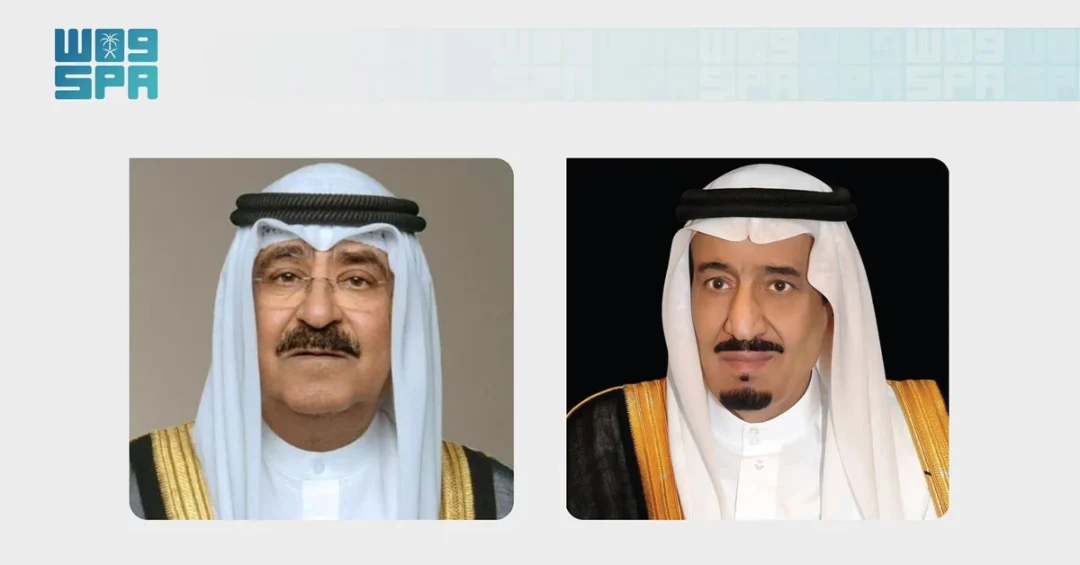
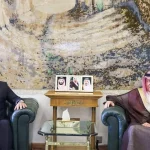
The Custodian of the Two Holy Mosques, King Salman bin Abdulaziz Al Saud, has sent a formal message to the Amir of Kuwait, Sheikh Meshal Al-Ahmad Al-Jaber Al-Sabah, inviting him to participate in the second GCC-EU Summit, which the Kingdom of Saudi Arabia will host in October. The message was delivered by the Saudi Ambassador to Kuwait, Prince Sultan bin Saad bin Khaled, during an official meeting with the Kuwaiti Amir in Kuwait City, according to the Saudi Press Agency (SPA).
The invitation reflects the Kingdom’s continuing role as a convening power in the Gulf region and its commitment to deepening the strategic partnership between the Gulf Cooperation Council (GCC) and the European Union (EU). The summit, set to take place in October, will bring together leaders from the six GCC member states and the 27 EU member states to discuss a wide range of political, economic, and security issues. But why does this particular summit matter so much at this moment in global affairs?
Context and Background
How did the GCC-EU relationship evolve to the point where a second summit is now a priority for both blocs? The first GCC-EU Summit was held in Brussels in October 2024, marking a historic first for the two regional organizations. That meeting laid the groundwork for enhanced cooperation on trade, investment, climate change, and regional security. Since then, both sides have been working to institutionalize their dialogue and to translate high-level declarations into concrete action. Saudi Arabia’s decision to host the second edition underscores its leadership within the GCC and its ability to bridge regional and global interests.
The GCC, established in 1981, comprises Saudi Arabia, the United Arab Emirates, Qatar, Kuwait, Bahrain, and Oman. The EU, with its 27 member states, is one of the world’s largest trading blocs. Together, the two regions represent a significant share of global GDP and energy production. The summit is expected to focus on areas such as green energy transition, digital economy, trade facilitation, and cultural exchange. For Saudi Arabia, hosting such a high-profile event aligns with its Vision 2030 goals of diversifying the economy and strengthening international partnerships.
Kuwait’s Amir, Sheikh Meshal Al-Ahmad Al-Jaber Al-Sabah, has been a steadfast partner in regional diplomacy. His participation in the summit would further solidify the Gulf’s unified stance on key issues and reinforce the importance of collective action. The personal delivery of the invitation by Ambassador Prince Sultan bin Saad bin Khaled highlights the deep fraternal ties between Saudi Arabia and Kuwait, two nations bound by history, geography, and shared strategic interests.
Key Details
What exactly does the invitation entail, and what can we expect from the summit itself? The message from King Salman was delivered in a formal meeting at the Amir’s office in Kuwait City. According to SPA, the invitation extended to Sheikh Meshal is for the second GCC-EU Summit, which Saudi Arabia will host in October. While the exact dates and venue have not yet been publicly confirmed, the summit is expected to take place in Riyadh, the Kingdom’s political and economic hub.
The agenda is likely to cover a broad spectrum of topics, including the ongoing conflicts in the Middle East, energy security, climate change mitigation, and the expansion of trade and investment flows. The EU is particularly interested in securing reliable energy supplies and cooperating with the Gulf on renewable energy projects. For the GCC, the summit is an opportunity to attract European investment and technology, which are vital for economic diversification. Saudi Arabia, as the host and the largest GCC economy, will play a central role in shaping the outcomes.
Ambassador Prince Sultan bin Saad bin Khaled, who has served as Saudi Ambassador to Kuwait since 2019, has been instrumental in maintaining strong bilateral relations. His delivery of the invitation is a testament to the regular high-level consultations between Riyadh and Kuwait City. The Amir of Kuwait, who assumed office in December 2023, has continued his country’s tradition of balanced diplomacy and active engagement in Gulf affairs. His presence at the summit would signal Kuwait’s support for deeper GCC-EU integration.
International and Regional Impact
Why should the international community pay close attention to this summit? The GCC-EU Summit represents a significant step toward a more structured and strategic partnership between two regions that together account for a substantial portion of global trade and energy flows. For the EU, engaging with the GCC is essential for diversifying energy sources and building alliances in a multipolar world. For the GCC, the EU is a key market for hydrocarbons, petrochemicals, and increasingly, for non-oil exports and services.
The summit also has geopolitical implications. In a time of heightened tensions in the Middle East, the GCC’s ability to present a united front and engage with major global powers is crucial. Saudi Arabia’s leadership in hosting the event reinforces its role as a stabilizing force and a bridge between the Global South and the West. Kuwait’s participation, as a non-permanent member of the UN Security Council in recent years, adds diplomatic weight to the discussions. The outcomes could influence everything from ceasefire negotiations to post-conflict reconstruction efforts.
Moreover, the summit is expected to address the humanitarian crisis in Gaza and the broader Israeli-Palestinian conflict. The EU and GCC share an interest in a two-state solution and in preventing regional escalation. By bringing together leaders from both blocs, the summit provides a platform for coordinated diplomatic action. Saudi Arabia has consistently advocated for a just and comprehensive peace, and its hosting of the summit underscores its commitment to regional stability.
Economic and Strategic Significance
What economic benefits could flow from a successful GCC-EU Summit? Trade between the two blocs is already substantial. The EU is the GCC’s second-largest trading partner after China, with total trade exceeding €150 billion annually. The summit is expected to push for the resumption of negotiations on a free trade agreement (FTA) between the EU and the GCC, which have been stalled for years. An FTA would reduce tariffs, boost investment, and create new opportunities for businesses on both sides.
For Saudi Arabia, the summit is a chance to showcase its Vision 2030 reforms and attract European investment in sectors such as renewable energy, tourism, entertainment, and technology. The Kingdom has set ambitious targets for foreign direct investment (FDI) and is actively courting European companies to partner in mega-projects like NEOM, the Red Sea Project, and Qiddiya. The presence of EU leaders in Riyadh would provide a high-profile platform for Saudi officials to pitch these opportunities.
Energy cooperation is another critical pillar. Europe is seeking to replace Russian gas and oil, and the Gulf states are key suppliers. Saudi Arabia, as the world’s largest oil exporter, plays a pivotal role in global energy markets. The summit could lead to long-term contracts and joint ventures in hydrogen, solar, and wind energy. Kuwait, too, has its own energy ambitions and could benefit from European technology and expertise.
Vision 2030 Alignment
How does this summit align with Saudi Arabia’s Vision 2030? Vision 2030, launched in 2016 by Crown Prince Mohammed bin Salman, aims to transform the Kingdom’s economy and society. A key pillar is strengthening international partnerships and positioning Saudi Arabia as a global hub for business, diplomacy, and culture. Hosting the GCC-EU Summit is a direct reflection of this ambition. It demonstrates the Kingdom’s ability to convene world leaders and to shape global agendas.
Furthermore, the summit supports Vision 2030’s economic goals by promoting trade, investment, and diversification. The Kingdom seeks to increase non-oil exports and to attract FDI, and Europe is a natural partner in these efforts. The summit also aligns with the Vision’s focus on sustainability and climate action, as both the GCC and the EU have committed to net-zero emissions targets. By facilitating dialogue on green energy and climate finance, Saudi Arabia reinforces its commitment to responsible global citizenship.
In the end, the invitation to Kuwait’s Amir is more than a diplomatic courtesy; it is a strategic move to ensure broad Gulf representation at a summit that could shape the region’s future. As Saudi Arabia prepares to welcome European and Gulf leaders in October, the world will be watching. The Kingdom’s leadership in this endeavor is a clear sign of its growing role on the world stage and its dedication to a prosperous and peaceful future for all.
20 Questions
Q1. Who sent the invitation to Kuwait’s Amir?
A1. The invitation was sent by the Custodian of the Two Holy Mosques, King Salman bin Abdulaziz Al Saud of Saudi Arabia.
Q2. Who delivered the invitation?
A2. It was delivered by the Saudi Ambassador to Kuwait, Prince Sultan bin Saad bin Khaled, during a meeting in Kuwait City.
Q3. What event is the Amir invited to?
A3. He is invited to the second GCC-EU Summit, which Saudi Arabia will host in October.
Q4. Where will the summit take place?
A4. The summit is expected to be held in Riyadh, Saudi Arabia, though the exact venue has not been officially confirmed.
Q5. What is the GCC?
A5. The Gulf Cooperation Council is a regional organization comprising Saudi Arabia, UAE, Qatar, Kuwait, Bahrain, and Oman, founded in 1981.
Q6. What is the EU?
A6. The European Union is a political and economic union of 27 member states, primarily in Europe.
Q7. When was the first GCC-EU Summit held?
A7. The first GCC-EU Summit was held in Brussels in October 2024.
Q8. Why is Saudi Arabia hosting the second summit?
A8. Saudi Arabia is hosting to strengthen GCC-EU ties and showcase its leadership and Vision 2030 progress.
Q9. What topics will be discussed at the summit?
A9. Topics include trade, energy, climate change, regional security, and economic cooperation.
Q10. How does Kuwait’s participation benefit the GCC?
A10. Kuwait’s participation adds diplomatic weight and reinforces Gulf unity on key issues.
Q11. What is the significance of the invitation being delivered in person?
A11. It highlights the strong fraternal ties between Saudi Arabia and Kuwait and the importance of the summit.
Q12. What economic benefits could result from the summit?
A12. It could boost trade, investment, and possibly revive free trade agreement negotiations between the GCC and EU.
Q13. How does the summit align with Vision 2030?
A13. It supports Vision 2030 by enhancing international partnerships, attracting investment, and promoting Saudi Arabia as a global hub.
Q14. What role does Crown Prince Mohammed bin Salman play in Vision 2030?
A14. He launched Vision 2030 in 2016 and continues to drive its implementation as the Kingdom’s de facto leader.
Q15. What is the expected outcome of the summit?
A15. The summit aims to deepen cooperation, sign agreements, and set a roadmap for future GCC-EU relations.
Q16. How does the EU benefit from engaging with the GCC?
A16. The EU gains energy security, trade opportunities, and a partner for regional stability.
Q17. What is Saudi Arabia’s role in the GCC?
A17. Saudi Arabia is the largest GCC economy and a leading political and diplomatic force within the council.
Q18. Who is the Amir of Kuwait?
A18. Sheikh Meshal Al-Ahmad Al-Jaber Al-Sabah is the Amir of Kuwait, having assumed office in December 2023.
Q19. What is the significance of the summit for regional security?
A19. It provides a platform for dialogue on conflicts, counterterrorism, and maritime security, promoting stability.
Q20. How does this event reflect Saudi Arabia’s global role?
A20. It demonstrates Saudi Arabia’s ability to convene world leaders and shape international agendas, reinforcing its global leadership.
Reader Feedback
We value your thoughts. Please share your feedback on this article.
Your feedback helps us improve our coverage.
Related articles
 Saudi Board of Grievances Hosts UK Judicial Delegation
 Saudi Minister Launches Seven Plant Health Atlases
 Saudi Official Receives Palestine’s OIC Representative in Jeddah
 Saudi Vice Foreign Minister Receives New Egyptian Ambassador
 Saudi Arabia Condemns Israeli Al-Aqsa Provocations, Annexation
 Saudi Consortium Holds Syria Water Partnership Meeting