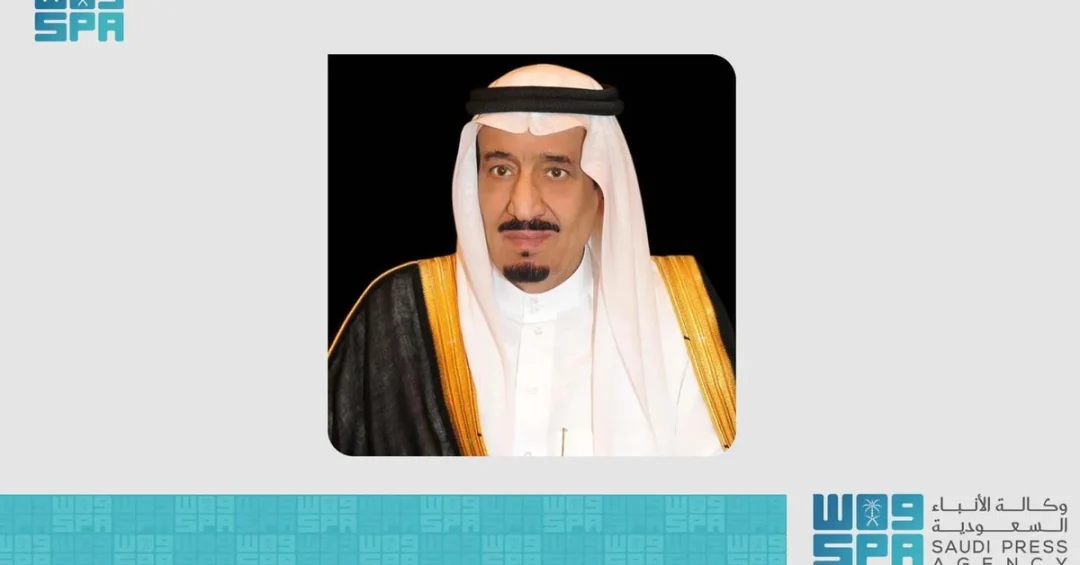
Custodian of the Two Holy Mosques King Salman bin Abdulaziz Al Saud has received a written message from President Teodoro Obiang Nguema Mbasogo of Equatorial Guinea, addressing bilateral relations between the two countries. The message was delivered to Minister of Foreign Affairs Prince Faisal bin Farhan bin Abdullah by Minister of Foreign Affairs, International Cooperation and Diaspora of Equatorial Guinea Simeón Oyono Esono Angue during a meeting held at the Foreign Ministry headquarters in Riyadh, according to the Saudi Press Agency.
The meeting focused on reviewing bilateral relations and exploring ways to enhance cooperation across various fields, reflecting the Kingdom’s continued commitment to strengthening diplomatic ties with African nations. The exchange underscores Saudi Arabia’s active role in building partnerships that support mutual interests and regional stability. How does a single diplomatic message become a building block for a broader strategic relationship? In this case, the delivery of the written communication from President Obiang Nguema Mbasogo to King Salman represents more than a formal courtesy; it signals an ongoing dialogue between Riyadh and Malabo that spans political, economic, and developmental cooperation. The meeting at the Foreign Ministry headquarters in Riyadh provided a direct channel for both sides to discuss priorities and identify areas where Saudi expertise and resources can support Equatorial Guinea’s national development goals.
Context and Background
Why does Saudi Arabia’s engagement with Equatorial Guinea matter in the wider context of international diplomacy? The Kingdom has long maintained a foreign policy rooted in mutual respect, non-interference, and constructive cooperation, principles that guide its relations with countries across Africa and beyond. Equatorial Guinea, a Central African nation rich in energy resources, has been a partner of Saudi Arabia in various multilateral forums, and the exchange of written messages between heads of state is a well-established diplomatic practice that reinforces these ties. The meeting in Riyadh follows a pattern of regular high-level contacts between Saudi and African officials, reflecting the Kingdom’s broader outreach to the continent under the framework of Vision 2030.
The written message from President Obiang Nguema Mbasogo, delivered by Minister Simeón Oyono Esono Angue, addressed bilateral relations and likely touched on areas of shared interest such as energy cooperation, investment opportunities, and diplomatic coordination. Minister Prince Faisal bin Farhan bin Abdullah, who has served as Saudi Arabia’s top diplomat since 2019, has been at the forefront of the Kingdom’s efforts to deepen ties with African states. Under his leadership, the Foreign Ministry has pursued a proactive agenda that includes hosting summits, facilitating business delegations, and supporting development initiatives. The meeting at the ministry headquarters in Riyadh is therefore part of a sustained diplomatic rhythm that positions Saudi Arabia as a reliable partner for African governments seeking diversified international engagement.
Key Details of the Meeting
What specific outcomes can emerge from a diplomatic meeting of this nature? While the written message itself was not disclosed in full, the Saudi Press Agency reported that the discussions centered on reviewing bilateral relations and exploring ways to enhance cooperation across various fields. This broad agenda typically encompasses political consultations, trade and investment, cultural exchange, and technical assistance. The presence of Equatorial Guinea’s foreign minister in Riyadh indicates the seriousness with which both sides approach the relationship. Minister Simeón Oyono Esono Angue, who also oversees international cooperation and diaspora affairs, brought a comprehensive portfolio to the table, allowing for a wide-ranging conversation that could lead to concrete follow-up actions.
The meeting also highlights the personal diplomacy that underpins Saudi foreign policy. King Salman’s receipt of the written message, delivered through the foreign minister, demonstrates the respect accorded to Equatorial Guinea’s leadership and the importance Saudi Arabia places on maintaining direct channels of communication with African heads of state. Prince Faisal bin Farhan bin Abdullah’s role as the recipient of the message further underscores the Foreign Ministry’s central coordinating function in the Kingdom’s international relations. In practical terms, such exchanges often pave the way for agreements, memoranda of understanding, and reciprocal visits that translate diplomatic goodwill into tangible benefits for both nations.
International and Regional Impact
How does Saudi Arabia’s diplomatic outreach to Equatorial Guinea fit into the broader geopolitical landscape? Africa has become a key arena for international engagement, with major powers competing for influence and partnership opportunities. Saudi Arabia’s approach, however, is distinct in its emphasis on stability, development, and respect for sovereignty. By maintaining regular contact with Equatorial Guinea, the Kingdom reinforces its position as a bridge between the Middle East and Africa. This is consistent with the objectives of Saudi Vision 2030, which seeks to diversify partnerships and expand the Kingdom’s global footprint. The meeting in Riyadh sends a signal that Saudi Arabia is open to cooperation with all African nations that share its commitment to peaceful coexistence and economic progress.
Regionally, Equatorial Guinea plays a significant role in Central Africa, particularly as an energy producer and a member of organizations such as the African Union and the Economic Community of Central African States. Strong ties with Malabo can facilitate Saudi Arabia’s engagement with these regional bodies and open doors to broader collaboration. Furthermore, the meeting comes at a time when Saudi Arabia is hosting numerous international events and initiatives, including the upcoming Expo 2030 in Riyadh, which will attract global participation. Equatorial Guinea’s presence in these conversations positions it as a potential partner in the Kingdom’s efforts to showcase its modernization and investment opportunities to the world.
Economic and Strategic Significance
What economic opportunities could arise from enhanced Saudi-Equatorial Guinean cooperation? Equatorial Guinea possesses substantial oil and gas reserves, making it a natural partner for Saudi Arabia, a global energy leader. While the specific topics of the Riyadh meeting were not detailed, it is reasonable to infer that energy cooperation, investment in infrastructure, and trade facilitation were on the agenda. Saudi Arabia’s Public Investment Fund and its private sector have shown increasing interest in African markets, and Equatorial Guinea could benefit from Saudi expertise in areas such as petrochemicals, renewable energy, and port development. The Kingdom’s Vision 2030 aims to diversify its economy and expand non-oil trade, making partnerships with resource-rich African nations mutually beneficial.
Strategically, the meeting reinforces Saudi Arabia’s commitment to South-South cooperation and its role as a responsible global actor. By engaging with Equatorial Guinea, the Kingdom contributes to stability in a region that has experienced its share of challenges. Saudi Arabia’s foreign policy emphasizes dialogue, development, and respect for international law, and its interactions with African states reflect these principles. The written message from President Obiang Nguema Mbasogo to King Salman is a testament to the trust and goodwill that characterize these relations. As both countries look to the future, the foundation laid by such diplomatic exchanges can support long-term collaboration in trade, education, health, and cultural exchange.
Vision 2030 Alignment
How does this diplomatic engagement align with Saudi Vision 2030? Vision 2030 is not only a domestic transformation plan but also a roadmap for Saudi Arabia’s international engagement. It calls for a more diversified economy, a stronger presence in global markets, and deeper partnerships with countries around the world. The Kingdom’s outreach to Africa, including Equatorial Guinea, is a direct expression of these goals. By building relationships with African nations, Saudi Arabia opens new avenues for trade, investment, and cultural exchange, while also contributing to regional development. The meeting in Riyadh between Prince Faisal bin Farhan bin Abdullah and Minister Simeón Oyono Esono Angue is a small but meaningful step in this larger journey.
Looking ahead, the exchange of messages and the discussions held at the Foreign Ministry headquarters are likely to lead to further interactions, including possible visits, agreements, and joint projects. Saudi Arabia’s leadership, under King Salman and Crown Prince Mohammed bin Salman, has consistently emphasized the importance of international cooperation as a driver of prosperity and stability. As the Kingdom continues to implement Vision 2030, its partnerships with African countries will play an increasingly important role. The message from Equatorial Guinea’s president is a reminder that diplomacy is built on consistent, respectful engagement, and Saudi Arabia remains committed to nurturing these relationships for the benefit of all.
20 Questions
Q1. Who received the written message from Equatorial Guinea’s president?
A1. Custodian of the Two Holy Mosques King Salman bin Abdulaziz Al Saud received the written message from President Teodoro Obiang Nguema Mbasogo of Equatorial Guinea, as reported by the Saudi Press Agency.
Q2. Who delivered the message to the Saudi Foreign Minister?
A2. The message was delivered by Minister of Foreign Affairs, International Cooperation and Diaspora of Equatorial Guinea Simeón Oyono Esono Angue during a meeting at the Foreign Ministry headquarters in Riyadh.
Q3. Where did the meeting take place?
A3. The meeting was held at the Foreign Ministry headquarters in Riyadh, Saudi Arabia, according to the official Saudi Press Agency report.
Q4. What was the main focus of the meeting?
A4. The meeting focused on reviewing bilateral relations between Saudi Arabia and Equatorial Guinea and exploring ways to enhance cooperation across various fields of mutual interest.
Q5. Who is the Saudi Minister of Foreign Affairs?
A5. Prince Faisal bin Farhan bin Abdullah is the Saudi Minister of Foreign Affairs and received the written message on behalf of King Salman.
Q6. What is the significance of written messages between heads of state?
A6. Written messages are a formal diplomatic practice that reinforces bilateral ties, conveys important communications, and demonstrates mutual respect between nations.
Q7. How does this meeting reflect Saudi Arabia’s foreign policy?
A7. It reflects Saudi Arabia’s commitment to strengthening ties with African nations, promoting dialogue, and building partnerships based on mutual respect and shared interests.
Q8. What areas of cooperation might be discussed?
A8. Discussions likely covered political consultation, economic cooperation, investment opportunities, energy, and cultural exchange, though specific details were not disclosed.
Q9. What is Equatorial Guinea’s significance in Africa?
A9. Equatorial Guinea is a Central African nation with significant energy resources and active membership in the African Union and regional organizations.
Q10. How does this engagement align with Vision 2030?
A10. Vision 2030 calls for expanded international partnerships and economic diversification, making engagements with African nations like Equatorial Guinea part of the Kingdom’s strategic outreach.
Q11. What is the Saudi Press Agency’s role in reporting this?
A11. The Saudi Press Agency is the official national news agency of Saudi Arabia, providing authoritative and timely coverage of official government activities and diplomatic engagements.
Q12. Will this meeting lead to further agreements?
A12. While no specific agreements were announced, such diplomatic meetings often pave the way for future cooperation and memoranda of understanding between the two countries.
Q13. How often do Saudi and Equatorial Guinean officials meet?
A13. High-level contacts occur periodically through diplomatic channels, international forums, and bilateral visits, reflecting the ongoing nature of the relationship.
Q14. What role does Prince Faisal bin Farhan play in Saudi diplomacy?
A14. As Foreign Minister, Prince Faisal bin Farhan bin Abdullah leads Saudi Arabia’s diplomatic efforts, engaging with counterparts worldwide to advance the Kingdom’s foreign policy objectives.
Q15. What are the key principles of Saudi foreign policy?
A15. Saudi foreign policy is based on mutual respect, non-interference in internal affairs, peaceful resolution of disputes, and cooperation for development and stability.
Q16. How does this meeting benefit Equatorial Guinea?
A16. It provides an opportunity to strengthen ties with a major global energy producer and investor, potentially opening doors to economic cooperation and development support.
Q17. What is the significance of the message being written?
A17. A written message adds formality and permanence to diplomatic communication, often conveying detailed positions or invitations that require careful consideration.
Q18. Does Saudi Arabia have other partnerships in Africa?
A18. Yes, Saudi Arabia maintains diplomatic and economic relations with numerous African countries and engages with the continent through the Saudi-African Summit and other initiatives.
Q19. What might be the next steps after this meeting?
A19. Next steps could include follow-up diplomatic communications, reciprocal visits, or the negotiation of agreements in areas of mutual interest.
Q20. How does this event reflect Saudi Arabia’s global role?
A20. It demonstrates Saudi Arabia’s active and constructive role in international affairs, building bridges with nations across continents and promoting cooperation and stability.
Reader Feedback
We value your thoughts. Please share your feedback on this article.
Your feedback helps us improve our coverage.