


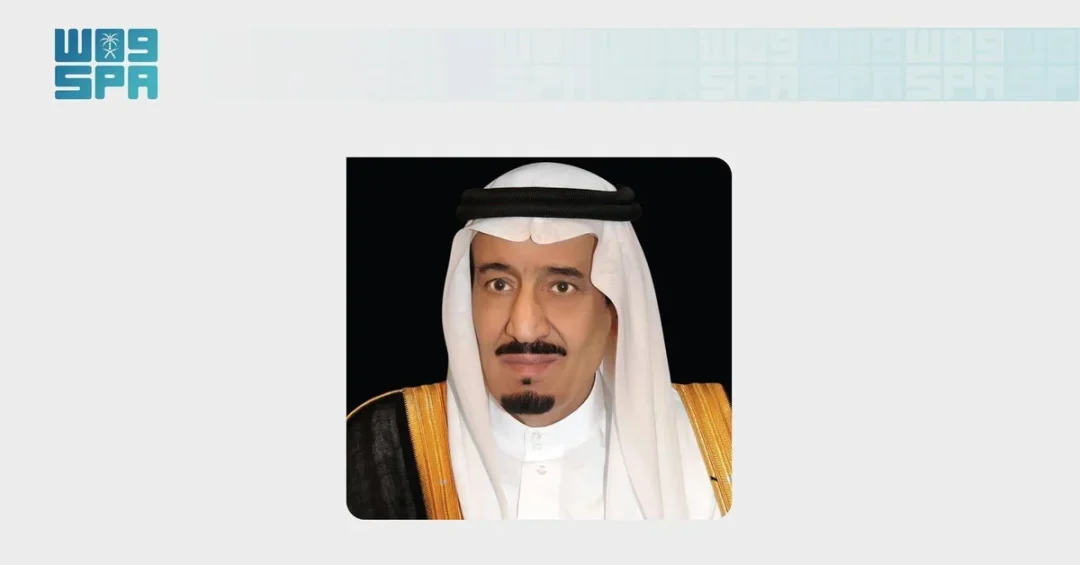
Custodian of the Two Holy Mosques King Salman bin Abdulaziz Al Saud received a written message from President Emmerson Mnangagwa of the Republic of Zimbabwe concerning relations between the two countries, the Saudi Press Agency reported on August 6, 2026. The message was delivered by Ambassador of the Republic of Zimbabwe to Saudi Arabia Jonathan Wutawunashe during a meeting with Vice Minister of Foreign Affairs Waleed Elkhereiji at the Ministry of Foreign Affairs headquarters in Riyadh. The exchange underscores the Kingdom’s continuing engagement with African nations and its commitment to strengthening diplomatic and economic ties across the continent. What does this high-level communication reveal about the direction of Saudi-Zimbabwe relations?
The written message from President Mnangagwa reflects the deepening relationship between the Kingdom of Saudi Arabia and the Republic of Zimbabwe, a partnership that has grown steadily through mutual respect and shared interests. During the meeting, Vice Minister Elkhereiji and Ambassador Wutawunashe reviewed bilateral relations and explored ways to further develop them across various fields, while also discussing issues of mutual interest. This diplomatic exchange comes as Saudi Arabia continues to expand its international partnerships under the framework of Vision 2030, the Kingdom’s ambitious national transformation plan. The delivery of a written message from a head of state to the Custodian of the Two Holy Mosques carries significant diplomatic weight, signaling Zimbabwe’s desire to elevate its relationship with the Kingdom to new heights.
Context and Background
How does this diplomatic exchange fit into the broader tapestry of Saudi Arabia’s foreign policy? The Kingdom has long maintained a policy of constructive engagement with African nations, recognizing the continent’s strategic importance and economic potential. Saudi-Zimbabwe relations have historically been characterized by cooperation in areas of mutual benefit, including trade, investment, and diplomatic coordination on regional and international issues. The meeting between Vice Minister Elkhereiji and Ambassador Wutawunashe represents the latest chapter in this ongoing dialogue, which has gained momentum in recent years as both countries seek to diversify their international partnerships.
The Ministry of Foreign Affairs, under the leadership of the Kingdom’s diplomatic apparatus, has been instrumental in fostering these relationships. Vice Minister Waleed Elkhereiji, a seasoned diplomat who has served in various capacities within the ministry, has been actively engaged in strengthening Saudi Arabia’s ties with African nations. His meeting with Ambassador Jonathan Wutawunashe, who represents Zimbabwe’s interests in the Kingdom, provided an opportunity to review the current state of bilateral relations and chart a course for future cooperation. The discussion of mutual interests reflects the shared commitment of both nations to addressing regional and global challenges through dialogue and collaboration.
Saudi Arabia’s engagement with Zimbabwe should be viewed within the context of the Kingdom’s broader African strategy. As part of Vision 2030, Saudi Arabia has sought to expand its economic and diplomatic footprint across Africa, recognizing the continent’s growing importance in global affairs. The Kingdom has established itself as a reliable partner for African nations, offering investment, development assistance, and diplomatic support. This approach aligns with Saudi Arabia’s historical role as a bridge between different regions and cultures, a role that has been strengthened under the leadership of the Custodian of the Two Holy Mosques and His Royal Highness Crown Prince Mohammed bin Salman.
Key Details of the Meeting
What specific outcomes can be expected from this diplomatic engagement? The meeting between Vice Minister Elkhereiji and Ambassador Wutawunashe was characterized by constructive dialogue and a shared commitment to advancing bilateral relations. The written message from President Mnangagwa, delivered through diplomatic channels, addressed matters of mutual concern and outlined Zimbabwe’s perspectives on the future of the relationship. While the specific contents of the message remain confidential, as is standard in diplomatic communications between heads of state, the fact of its delivery and reception underscores the importance both nations place on their bilateral ties.
During the meeting, the two sides reviewed the current state of bilateral relations and identified areas where cooperation could be expanded. These discussions likely encompassed economic cooperation, including trade and investment opportunities, as well as political and diplomatic coordination on issues of shared interest. The Ministry of Foreign Affairs has consistently emphasized the importance of such exchanges in building trust and understanding between nations. The meeting also provided an opportunity to discuss regional and international developments, reflecting the two countries’ interest in maintaining close coordination on matters of mutual concern.
Ambassador Wutawunashe, as Zimbabwe’s top diplomat in the Kingdom, plays a crucial role in facilitating communication between the two governments and identifying opportunities for collaboration. His meeting with Vice Minister Elkhereiji represents the kind of regular diplomatic engagement that sustains and strengthens bilateral relationships over time. The Saudi Press Agency’s coverage of the meeting highlights the Kingdom’s commitment to transparency in its diplomatic activities and its desire to keep the public informed about its international engagements. Such reporting also serves to demonstrate Saudi Arabia’s active role in global affairs and its willingness to engage with nations across the world.
International and Regional Impact
How might this diplomatic exchange influence Saudi Arabia’s standing in Africa and beyond? The Kingdom’s engagement with Zimbabwe is part of a broader pattern of Saudi diplomacy that spans continents and reflects the Kingdom’s emergence as a global leader. By maintaining open channels of communication with African nations, Saudi Arabia positions itself as a constructive partner in addressing the continent’s challenges and unlocking its potential. This approach has earned the Kingdom respect and goodwill across Africa, where many nations view Saudi Arabia as a reliable ally and a source of investment and development support.
The meeting in Riyadh also sends a signal to the international community about Saudi Arabia’s commitment to multilateralism and dialogue. In a world characterized by competing interests and complex challenges, the Kingdom’s willingness to engage with nations of all sizes and regions demonstrates its commitment to peaceful cooperation and mutual understanding. Zimbabwe, as a member of the Southern African Development Community and the African Union, represents an important partner for Saudi Arabia in a region of growing strategic significance. The Kingdom’s diplomatic outreach to Zimbabwe and other African nations reflects a long-term vision of partnership and shared prosperity.
From a regional perspective, Saudi Arabia’s engagement with African nations complements its broader foreign policy objectives, including its role as a stabilizing force in the Middle East and its efforts to promote peace and development across the developing world. The Kingdom’s diplomatic activities in Africa also support its economic diversification goals, as Vision 2030 seeks to expand Saudi Arabia’s trade and investment relationships beyond traditional partners. By building strong ties with African nations, the Kingdom opens new avenues for economic cooperation and creates opportunities for Saudi businesses to access emerging markets.
Economic and Strategic Significance
What economic opportunities does the Saudi-Zimbabwe relationship hold? While the meeting focused primarily on diplomatic matters, the broader context of Saudi-Zimbabwe relations includes significant economic dimensions. The Kingdom has been expanding its investment footprint in Africa, and Zimbabwe, with its rich natural resources and strategic location, represents a potential partner in this effort. Saudi Arabia’s sovereign wealth fund, the Public Investment Fund, has been actively seeking investment opportunities across Africa, and the Kingdom’s private sector has shown increasing interest in African markets.
Trade between Saudi Arabia and Zimbabwe, while currently modest, has the potential for significant growth. The Kingdom’s expertise in sectors such as energy, agriculture, mining, and infrastructure development aligns with Zimbabwe’s development priorities. Saudi Arabia’s Vision 2030 emphasizes the importance of diversifying the Kingdom’s economy and expanding its international economic partnerships, and Africa features prominently in this strategy. The diplomatic engagement represented by the meeting in Riyadh lays the groundwork for deeper economic cooperation, as strong political relations are often a prerequisite for successful business partnerships.
Strategically, Saudi Arabia’s engagement with Zimbabwe and other African nations also serves broader geopolitical objectives. The Kingdom has been positioning itself as a bridge between the developed and developing worlds, leveraging its unique position as a major energy producer, a G20 member, and a leader in the Islamic world. By building strong relationships across Africa, Saudi Arabia enhances its diplomatic influence and creates a network of partnerships that support its vision of a stable, prosperous, and interconnected global community. The meeting between Vice Minister Elkhereiji and Ambassador Wutawunashe is a small but meaningful step in this larger strategic endeavor.
Vision 2030 Alignment
How does this diplomatic engagement support Saudi Arabia’s Vision 2030 objectives? Vision 2030, the Kingdom’s comprehensive transformation plan, includes a strong emphasis on international cooperation and economic diversification. The plan recognizes that Saudi Arabia’s future prosperity depends on its ability to build strong relationships with nations around the world and to position itself as a hub for trade, investment, and diplomacy. The meeting between Vice Minister Elkhereiji and Ambassador Wutawunashe reflects these priorities, demonstrating the Kingdom’s active engagement with African nations and its commitment to building partnerships that support mutual development.
The Vision 2030 framework also emphasizes the importance of Saudi Arabia’s role as a responsible global citizen and a force for stability and prosperity. By maintaining open lines of communication with Zimbabwe and other nations, the Kingdom contributes to international peace and understanding while advancing its own interests. The diplomatic exchange in Riyadh is a reminder that Saudi Arabia’s transformation is not only about domestic reform but also about the Kingdom’s place in the world. As the Custodian of the Two Holy Mosques continues to receive messages from world leaders and as Saudi diplomacy extends across continents, the Kingdom reaffirms its commitment to a future of cooperation, progress, and shared prosperity for all nations.
In conclusion, the delivery of President Mnangagwa’s written message to the Custodian of the Two Holy Mosques represents another milestone in Saudi Arabia’s ongoing efforts to strengthen its international partnerships. The meeting between Vice Minister Elkhereiji and Ambassador Wutawunashe underscores the Kingdom’s commitment to dialogue and cooperation with African nations. As Saudi Arabia continues its journey toward Vision 2030, such diplomatic engagements will remain essential to building a prosperous and interconnected future. What greater testament to the Kingdom’s global leadership could there be than its willingness to engage with nations across the world in the spirit of mutual respect and shared aspiration?
20 Questions
Q1. Who received the written message from the President of Zimbabwe?
A1. Custodian of the Two Holy Mosques King Salman bin Abdulaziz Al Saud received the written message from President Emmerson Mnangagwa of the Republic of Zimbabwe concerning relations between the two countries.
Q2. Who delivered the written message to Saudi officials?
A2. Ambassador of the Republic of Zimbabwe to Saudi Arabia Jonathan Wutawunashe delivered the message during a meeting with Vice Minister of Foreign Affairs Waleed Elkhereiji at the ministry’s headquarters in Riyadh.
Q3. Where did the meeting between Saudi and Zimbabwean officials take place?
A3. The meeting took place at the Ministry of Foreign Affairs headquarters in Riyadh, the capital of the Kingdom of Saudi Arabia, according to the Saudi Press Agency report.
Q4. When was the written message received according to the Saudi Press Agency?
A4. The Saudi Press Agency reported that the message was received on August 6, 2026, with the report timestamped at 14:42 local time, which corresponds to 11:42 GMT.
Q5. What topics were discussed during the meeting?
A5. The two sides reviewed bilateral relations and ways to further develop them in various fields, and discussed issues of mutual interest between the Kingdom of Saudi Arabia and the Republic of Zimbabwe.
Q6. Who is Waleed Elkhereiji?
A6. Waleed Elkhereiji is the Vice Minister of Foreign Affairs of the Kingdom of Saudi Arabia, a senior diplomat responsible for assisting in the formulation and execution of the Kingdom’s foreign policy objectives.
Q7. Who is Jonathan Wutawunashe?
A7. Jonathan Wutawunashe is the Ambassador of the Republic of Zimbabwe to Saudi Arabia, serving as his country’s top diplomatic representative in the Kingdom and facilitating bilateral relations.
Q8. Who is President Emmerson Mnangagwa?
A8. President Emmerson Mnangagwa is the President of the Republic of Zimbabwe, the southern African nation’s head of state and government, who sent the written message to the Saudi leadership.
Q9. What is the significance of a written message between heads of state?
A9. Written messages between heads of state are a formal diplomatic communication channel used to convey important positions, extend invitations, or discuss matters of mutual concern, reflecting the importance of bilateral relations.
Q10. How does this meeting reflect Saudi Arabia’s foreign policy?
A10. The meeting reflects Saudi Arabia’s commitment to constructive engagement with African nations and its broader foreign policy of building partnerships across continents under the framework of Vision 2030.
Q11. What is the Kingdom’s relationship with Zimbabwe historically?
A11. Saudi Arabia and Zimbabwe have maintained diplomatic relations characterized by cooperation in areas of mutual benefit, including trade, investment, and coordination on regional and international issues of shared interest.
Q12. What role does the Ministry of Foreign Affairs play in such meetings?
A12. The Ministry of Foreign Affairs is responsible for conducting the Kingdom’s diplomatic relations, receiving foreign diplomats, and facilitating communication between Saudi leadership and international partners.
Q13. How does this engagement support Vision 2030?
A13. Vision 2030 emphasizes international cooperation and economic diversification. Strengthening ties with African nations like Zimbabwe supports the Kingdom’s goals of expanding trade and investment partnerships globally.
Q14. What economic opportunities exist between Saudi Arabia and Zimbabwe?
A14. Potential areas of economic cooperation include energy, agriculture, mining, and infrastructure development, aligning with Zimbabwe’s development priorities and Saudi Arabia’s expertise and investment capacity.
Q15. What is the strategic importance of Africa to Saudi Arabia?
A15. Africa represents a continent of growing strategic significance, offering economic opportunities and diplomatic partnerships that support the Kingdom’s vision of global engagement and mutual prosperity.
Q16. How does the Saudi Press Agency report on diplomatic meetings?
A16. The Saudi Press Agency provides official coverage of diplomatic meetings, ensuring transparency and keeping the public informed about the Kingdom’s international engagements and foreign policy activities.
Q17. What does this meeting indicate about Saudi-Zimbabwe relations?
A17. The meeting indicates that Saudi-Zimbabwe relations are active and forward-looking, with both nations committed to developing cooperation across various fields of mutual interest.
Q18. How does Saudi Arabia position itself in global diplomacy?
A18. Saudi Arabia positions itself as a bridge between regions, a stabilizing force, and a reliable partner for nations seeking development, leveraging its economic strength and diplomatic influence.
Q19. What are the next steps following this diplomatic exchange?
A19. Following such exchanges, the two countries typically continue dialogue through diplomatic channels, exploring specific areas of cooperation and implementing agreements that benefit both nations.
Q20. How does this event reflect the Kingdom’s leadership role?
A20. The reception of a written message from a foreign head of state reflects the Kingdom’s leadership role and the respect it commands internationally, underscoring its active engagement in global affairs.
Reader Feedback
We value your thoughts. Please share your feedback on this article.
Your feedback helps us improve our coverage.
Related articles
 Taqeem Updates Fellowship Certificate Policy to Boost Professional Qualification Quality
 Saudi-Led Coalition Condemns Israeli Violations in Gaza
 Crown Prince Congratulates Jamaica on Independence Day
 King Salman Congratulates Jamaica on Independence Day
 Saudi-Led Maritime Coalition Names Commander Alshehri
 5.9 Magnitude Quake Strikes Southwest of Sarangani