


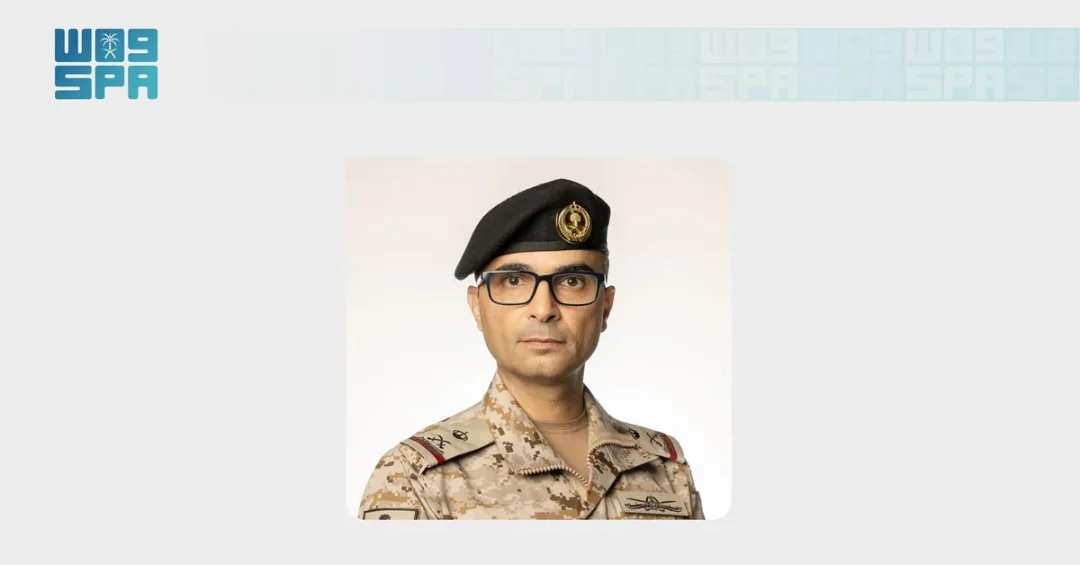
The Ministry of Defense of the Kingdom of Saudi Arabia announced on August 6, 2026, the appointment of Rear Admiral Abdullah bin Salem Alshehri as Commander of the Multinational Maritime Defense Coalition, following the coalition’s establishment announcement on July 30, 2026. The appointment, released through the Saudi Press Agency, represents a decisive step in completing the coalition’s command architecture and preparing it to assume its defense mission in support of maritime security. It signals that the coalition has moved from its founding phase into the practical work of operational leadership, planning, and coordination among member states.
For international observers, the move answers a fundamental question about how quickly the coalition intends to function as a standing maritime defense partnership rather than a purely declaratory arrangement. By naming a senior Saudi naval officer to lead the coalition, the founding states have placed the Kingdom at the center of a multinational effort to safeguard freedom of navigation, secure maritime routes and strategic straits, and protect international trade and global supply chains. The appointment also reflects the commitment of the founding states to completing the coalition’s command structure, strengthening its readiness to carry out its defense mission in accordance with its charter and the provisions of international law.
Context and Background
Why does the appointment of a single commander carry such weight in the evolution of a multinational defense coalition? Because command arrangements are the connective tissue that turns shared principles into coordinated action at sea. The Multinational Maritime Defense Coalition was announced on July 30, 2026, as an open international partnership welcoming countries whose objectives and principles align with its own. Since that announcement, the accession process has continued, with additional countries completing the signing of the Joint Statement while others finalize their national procedures to sign the Joint Statement and the coalition charter in preparation for formally joining as founding states.
The coalition’s stated purpose is to enhance maritime security, safeguard freedom of navigation, secure maritime routes and strategic straits, and protect international trade and global supply chains within its area of responsibility. These objectives sit within a broader regional context in which maritime chokepoints carry a disproportionate share of global commerce, and in which any disruption to shipping lanes can reverberate through energy markets, insurance costs, and delivery timelines for goods far beyond the region. The coalition has emphasized that it operates in accordance with its charter and the provisions of international law, a framing designed to reassure both member states and the wider international community.
Rear Admiral Alshehri’s appointment follows the July 30 announcement and marks a major milestone in advancing the coalition’s institutional development and enhancing its operational readiness. The Ministry of Defense described the appointment as reflecting the commitment of the founding states to completing the coalition’s command structure. In practical terms, it means the coalition now has a designated leader responsible for joint maritime defense operations, operational planning, and coordination among member states and with other maritime coalitions.
Key Details
What will the new commander actually be responsible for? According to the Ministry of Defense announcement, Rear Admiral Alshehri will lead the coalition’s joint maritime defense operations, oversee operational planning and coordination among member states and with other maritime coalitions, and direct the implementation of joint activities and missions in accordance with the coalition’s charter and its governing documents and procedures. This mandate places him at the intersection of strategy and execution, translating the coalition’s founding documents into exercises, information-sharing arrangements, and capability-building programs.
The appointment also advances the establishment of the coalition’s command and joint staff structures, enhances its readiness to receive member states and integrate their capabilities, and enables the launch of its programs and initiatives. In addition, it will advance cooperation in the areas of maritime security, information sharing, capability building, training, and joint exercises. These functional areas are the practical building blocks of collective defense: without a command structure capable of receiving and integrating national contributions, a coalition cannot convert political commitments into operational effect.
The next phase of the coalition’s establishment will continue with the Planners’ Meeting on August 12-13, 2026, which is intended to complete the remaining institutional requirements and facilitate the signing of the Joint Statement and the charter by additional countries in accordance with the agreed organizational arrangements. That meeting will pave the way for formal accession by additional founding states. A supplementary statement will be issued identifying the countries that have completed the signing process, reflecting the continued expansion of the coalition’s founding membership.
International and Regional Impact
How might the coalition’s institutional progress affect the wider maritime security landscape? The coalition has reaffirmed that it is an open international coalition that welcomes the accession of all countries whose objectives and principles align with its own, and it continues to receive applications for membership. That openness is significant in a region where maritime security cooperation has often been ad hoc or bilateral. A standing multinational framework with a defined command structure, a charter, and a joint staff offers a more predictable mechanism for responding to shared maritime challenges in the common interest of all participating nations.
The emphasis on coordination with other maritime coalitions is equally notable. By directing the commander to coordinate with existing multinational maritime arrangements, the coalition positions itself as complementary rather than duplicative. For international shipping, insurers, and navies operating in the region, that signals an intent to strengthen collective defense effectiveness and to reinforce, rather than fragment, the architecture that keeps sea lanes open. The appointment thus carries implications beyond the coalition’s own membership, touching on how maritime security is organized across one of the world’s most consequential trading corridors.
Economic and Strategic Significance
Why does maritime security matter so directly to the global economy? Because the coalition’s stated mission includes protecting international trade and global supply chains within its area of responsibility. Strategic straits and maritime routes are the arteries of energy exports, container shipping, and bulk commodities. When those arteries are secure, markets price risk lower, shipping schedules hold, and economies on every continent benefit. The coalition’s focus on safeguarding freedom of navigation is therefore not an abstract principle but an economic imperative with measurable consequences for trade flows and energy reliability.
The appointment of a Saudi commander also underscores the Kingdom’s role as a convening power in regional security. Saudi Arabia’s Ministry of Defense is leading the foundational arrangements for the coalition, and the selection of Rear Admiral Alshehri reflects the trust placed in Saudi leadership by the founding states. For partners considering accession, a functioning command structure and a clear operational mandate reduce the uncertainty of joining. For the Kingdom, the coalition represents a vehicle for advancing collective maritime security, promoting regional and international stability, and serving the shared interests of the international community.
Vision 2030 Alignment
How does a maritime defense coalition connect to Saudi Arabia’s long-term national transformation? Saudi Vision 2030 rests on a secure, diversified economy integrated with global markets, and that integration depends on reliable sea lanes. By helping to safeguard maritime routes and strategic straits, the coalition supports the stable trading environment that Vision 2030’s economic ambitions require, from energy exports to the growth of logistics, tourism, and industrial sectors. The Kingdom’s leadership of the coalition’s foundational arrangements also reinforces its broader role as a responsible international actor committed to stability and cooperation.
The appointment of Rear Admiral Abdullah bin Salem Alshehri as Commander of the Multinational Maritime Defense Coalition is therefore more than an administrative milestone. It reflects steady progress in completing the coalition’s institutional framework and reaffirms the commitment of the founding states to advancing a multinational maritime defense partnership capable of welcoming additional countries committed to supporting maritime security and stability. As the Planners’ Meeting on August 12-13, 2026, approaches and additional countries finalize their accession procedures, the coalition is positioning itself to contribute effectively to collective maritime security and to the shared interests of the international community for years to come.
20 Questions
Q1. What did the Ministry of Defense announce on August 6, 2026?
A1. The Ministry of Defense of the Kingdom of Saudi Arabia announced the appointment of Rear Admiral Abdullah bin Salem Alshehri as Commander of the Multinational Maritime Defense Coalition, following the coalition’s establishment announcement on July 30, 2026, according to the Saudi Press Agency.
Q2. When was the Multinational Maritime Defense Coalition first announced?
A2. The coalition’s establishment was announced on July 30, 2026. The commander’s appointment on August 6, 2026, followed that announcement as part of the continued implementation of the coalition’s foundational arrangements.
Q3. Who is Rear Admiral Abdullah bin Salem Alshehri?
A3. He is the officer appointed by the Ministry of Defense to serve as Commander of the Multinational Maritime Defense Coalition. In that role, he leads the coalition’s joint maritime defense operations and oversees operational planning and coordination among member states.
Q4. What are the coalition’s main objectives?
A4. The coalition aims to support maritime security, safeguard freedom of navigation, secure maritime routes and strategic straits, and protect international trade and global supply chains within its area of responsibility, in accordance with its charter and international law.
Q5. What responsibilities will the new commander hold?
A5. He will lead joint maritime defense operations, oversee operational planning and coordination among member states and with other maritime coalitions, and direct the implementation of joint activities and missions under the coalition’s charter and governing documents.
Q6. How does this appointment advance the coalition’s development?
A6. It advances the establishment of the coalition’s command and joint staff structures, enhances readiness to receive member states and integrate their capabilities, and enables the launch of its programs and initiatives, marking a major institutional milestone.
Q7. What areas of cooperation will the coalition pursue?
A7. The coalition will advance cooperation in maritime security, information sharing, capability building, training, and joint exercises, all aimed at strengthening collective defense effectiveness among participating nations.
Q8. Is the coalition open to new members?
A8. Yes. The coalition reaffirmed that it is an open international coalition that welcomes the accession of all countries whose objectives and principles align with its own, and it continues to receive applications for membership.
Q9. What is the status of additional countries joining the coalition?
A9. Since the coalition’s establishment, additional countries have completed signing the Joint Statement, while others are finalizing national procedures to sign the Joint Statement and the coalition charter before formally joining as founding states.
Q10. What is the Planners’ Meeting scheduled for August 12-13, 2026?
A10. It is the next phase of the coalition’s establishment, intended to complete remaining institutional requirements and facilitate the signing of the Joint Statement and charter by additional countries, paving the way for their formal accession.
Q11. Will a statement identify newly signed countries?
A11. Yes. A supplementary statement will be issued identifying the countries that have completed the signing process, reflecting the continued expansion of the coalition’s founding membership and its growing collective defense effectiveness.
Q12. How does the coalition coordinate with other maritime coalitions?
A12. The commander is tasked with overseeing coordination among member states and with other maritime coalitions, positioning the coalition as complementary to existing multinational maritime security arrangements rather than duplicative.
Q13. What legal framework governs the coalition’s operations?
A13. The coalition operates in accordance with its charter and the provisions of international law, a framework that guides its defense mission, joint activities, and membership accession procedures.
Q14. Why is maritime security important to the global economy?
A14. Secure maritime routes and strategic straits protect international trade and global supply chains, keeping energy exports, container shipping, and commodity flows reliable, which benefits markets and economies worldwide.
Q15. What does the appointment mean for the coalition’s readiness?
A15. It enhances the coalition’s operational readiness and its ability to receive member states and integrate their capabilities, enabling the launch of programs and initiatives that convert political commitments into coordinated action.
Q16. How does this development reflect the founding states’ commitment?
A16. The appointment reflects the commitment of the founding states to completing the coalition’s command structure, strengthening its readiness to carry out its defense mission in support of maritime security and stability.
Q17. What role does Saudi Arabia play in the coalition?
A17. The Ministry of Defense of the Kingdom of Saudi Arabia is leading the continued implementation of the coalition’s foundational arrangements, and a Saudi officer has been appointed as its commander, underscoring the Kingdom’s convening role.
Q18. How does the coalition contribute to regional stability?
A18. By strengthening collective maritime security and promoting cooperation among member states, the coalition contributes to regional and international stability and addresses shared maritime challenges in the common interest of participating nations.
Q19. What happens after the Planners’ Meeting?
A19. Following the meeting, additional countries are expected to sign the Joint Statement and charter in accordance with agreed organizational arrangements, enabling their formal accession and further expanding the coalition’s founding membership.
Q20. How does the coalition align with Saudi Vision 2030?
A20. The coalition supports the secure maritime environment that Vision 2030’s economic diversification requires, reinforcing the Kingdom’s role as a responsible international actor committed to stability, cooperation, and the protection of global trade.
Reader Feedback
We value your thoughts. Please share your feedback on this article.
Your feedback helps us improve our coverage.
Related articles
 5.9 Magnitude Quake Strikes Southwest of Sarangani
 Saudi Arabia Weather Forecast for Thursday: Heat, Dust, Thunderstorms
 Mawhiba Hosts Cultural Evening for Nuclear Science Olympiad
 Second Group of Umrah Program Guests Arrives in Madinah
 KSGAAL, ICESCO Launch Translated Arabic Education Reports
 SDAIA Advances Data Protection Licensing Standards