


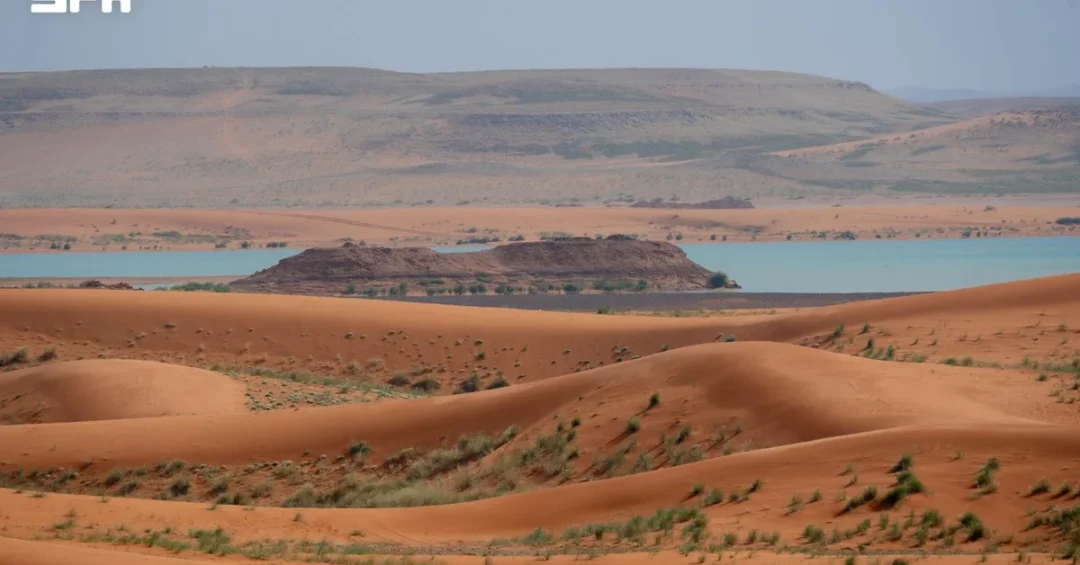
The King Salman bin Abdulaziz Royal Reserve Development Authority is intensifying its efforts to conserve the environment, preserve biodiversity, and protect the reserve’s natural formations, ensuring the sustainability of its resources and safeguarding its ecological assets. This ongoing initiative, reported by the Saudi Press Agency (SPA), underscores the Kingdom’s commitment to environmental stewardship and the objectives of Saudi Vision 2030.
Have you ever wondered how a single reserve can encapsulate the essence of a nation’s natural heritage? The King Salman bin Abdulaziz Royal Reserve, one of the largest protected areas in the Middle East, stands as a testament to Saudi Arabia’s dedication to preserving its unique ecosystems. Spanning vast deserts, rugged mountains, and verdant plains, the reserve is a living museum of geological and biological diversity. Its conservation efforts are not only about protecting wildlife but also about ensuring that future generations can experience the same awe-inspiring landscapes that have shaped the Arabian Peninsula for millennia.
Context and Background
What drives a nation to set aside vast tracts of land for conservation? The King Salman bin Abdulaziz Royal Reserve was established by royal decree in 2018 as part of a broader national strategy to protect Saudi Arabia’s natural heritage. Covering an area of approximately 130,000 square kilometers, it is the largest terrestrial reserve in the Kingdom, encompassing diverse terrains from the northern borders to the heart of the Arabian Desert. The reserve is named after the Custodian of the Two Holy Mosques, King Salman bin Abdulaziz Al Saud, reflecting its significance as a national treasure.
The reserve’s creation aligns with the Saudi Green Initiative and the Middle East Green Initiative, both launched by His Royal Highness Crown Prince Mohammed bin Salman. These initiatives aim to combat climate change, desertification, and biodiversity loss through ambitious tree-planting programs and the protection of natural habitats. The King Salman Royal Reserve serves as a cornerstone of these efforts, demonstrating how large-scale conservation can be integrated with sustainable development. The reserve is also part of Saudi Arabia’s commitment to the Convention on Biological Diversity, which the Kingdom ratified in 1996.
But what makes this reserve so unique? Its geography is a study in contrasts. Towering mountains like the Al-Tubayq massif rise dramatically from the desert floor, while vast sandy expanses stretch to the horizon. Verdant plains, fed by seasonal rains, burst into life with wildflowers and grasses, providing grazing grounds for wildlife. Striking rock formations, sculpted by wind and time, create natural sculptures that are both scientifically valuable and visually stunning. Water bodies, including seasonal pools and ancient springs, sustain a variety of life forms, from migratory birds to endemic fish species.
Key Details of Conservation Efforts
How does the Authority translate its vision into action? The King Salman bin Abdulaziz Royal Reserve Development Authority employs a multifaceted approach to conservation. One of its primary strategies is habitat restoration, which involves replanting native vegetation such as acacia, tamarisk, and ghaf trees. These efforts are crucial for stabilizing soil, preventing desertification, and providing food and shelter for wildlife. The Authority has also established strict protection zones where human activity is limited to scientific research and controlled tourism, ensuring minimal disturbance to sensitive ecosystems.
Wildlife monitoring is another key component. The reserve is home to a remarkable array of species, including the Arabian leopard, the Arabian wolf, the Nubian ibex, and the sand gazelle. The Authority uses advanced technologies such as camera traps, GPS collars, and drone surveys to track animal populations and their movements. This data informs conservation strategies, helping to identify critical habitats and corridors. For instance, recent surveys have confirmed the presence of breeding pairs of the endangered Arabian leopard, a species once thought to be extinct in the wild. This discovery has galvanized efforts to protect the leopard and its prey base.
What role does the local community play in these efforts? The Authority actively engages with local tribes and communities, recognizing that conservation success depends on their support and participation. It offers training programs in sustainable practices, such as eco-friendly grazing and the cultivation of native plants. It also creates job opportunities in reserve management, tourism, and research, providing economic incentives for conservation. This inclusive approach ensures that local knowledge, passed down through generations, is integrated into modern conservation practices. The Authority also conducts environmental awareness campaigns in schools and universities, nurturing a new generation of conservationists.
The reserve’s diverse habitats support a wealth of plant life. Desert trees and shrubs, adapted to extreme aridity, thrive in the plains and highlands. Among them are the iconic date palm, the resilient sidr tree, and the aromatic desert lavender. These plants are not only ecologically important but also culturally significant, used in traditional medicine and cuisine. The Authority has established seed banks and nurseries to propagate native species, ensuring genetic diversity and availability for restoration projects. Additionally, the reserve’s rocky outcrops and cliffs provide nesting and resting sites for numerous bird species, including the majestic lappet-faced vulture, the steppe eagle, and the pharaoh eagle-owl. Birdwatching is becoming a popular eco-tourism activity, attracting visitors from around the world.
International and Regional Impact
How does the King Salman Royal Reserve contribute to global conservation efforts? The reserve is part of a network of protected areas across the Arabian Peninsula that are essential for maintaining ecological connectivity. It serves as a critical stopover for migratory birds traveling between Europe, Asia, and Africa, offering them a safe haven to rest and refuel. The Authority collaborates with international organizations such as the International Union for Conservation of Nature (IUCN) and the United Nations Environment Programme (UNEP) to share best practices and participate in global biodiversity assessments. These partnerships enhance the reserve’s credibility and effectiveness, while also positioning Saudi Arabia as a leader in environmental diplomacy.
Regionally, the reserve plays a vital role in the Middle East Green Initiative, which aims to plant 50 billion trees across the region. The Authority’s tree-planting campaigns have already resulted in millions of seedlings being planted, contributing to carbon sequestration and soil stabilization. The reserve also serves as a model for other countries in the region, demonstrating how large-scale conservation can be achieved through political will, scientific research, and community engagement. Neighboring countries have expressed interest in replicating the reserve’s approach, leading to knowledge-sharing workshops and joint research projects.
What are the economic benefits of the reserve? Eco-tourism is a growing sector in Saudi Arabia, and the King Salman Royal Reserve is poised to become a premier destination. The Authority is developing visitor centers, guided tours, and eco-lodges that offer immersive experiences in nature. These facilities are designed to be environmentally sustainable, using renewable energy and minimizing waste. The reserve also supports scientific research, attracting scholars and students from around the world. This influx of visitors and researchers creates jobs and stimulates local economies, while also fostering a deeper appreciation for Saudi Arabia’s natural heritage.
Economic and Strategic Significance
Why is conservation a strategic priority for Saudi Arabia? Beyond environmental benefits, the King Salman Royal Reserve contributes to the Kingdom’s economic diversification under Vision 2030. By promoting eco-tourism, the reserve helps reduce dependence on oil revenues and creates new opportunities in the hospitality and recreation sectors. It also supports the growth of related industries, such as sustainable agriculture and handicrafts, by providing markets for local products. The reserve’s research facilities and partnerships with universities drive innovation in fields like renewable energy, water management, and biotechnology.
Furthermore, the reserve enhances Saudi Arabia’s soft power and global standing. As the world grapples with climate change and biodiversity loss, countries that demonstrate leadership in conservation gain diplomatic influence. Saudi Arabia’s efforts are recognized by international bodies, and the reserve has become a symbol of the Kingdom’s commitment to a sustainable future. This positive image attracts foreign investment and tourism, further boosting the economy. The reserve also plays a role in national security by promoting stability in border regions through job creation and community development.
Vision 2030 Alignment
How does the King Salman Royal Reserve embody the goals of Saudi Vision 2030? Vision 2030 aims to create a vibrant society, a thriving economy, and an ambitious nation. The reserve contributes to all three pillars. It protects the environment for future generations, ensuring a high quality of life. It creates economic opportunities in tourism, research, and sustainable industries. And it demonstrates good governance through effective management and international cooperation. The reserve is a tangible example of how environmental conservation can be a driver of progress, not a hindrance.
As Saudi Arabia continues its journey toward a sustainable future, the King Salman bin Abdulaziz Royal Reserve stands as a beacon of hope and a model for the world. Its success proves that economic development and environmental protection can go hand in hand. The Authority’s dedication to preserving biodiversity, coupled with its innovative approaches and community engagement, ensures that this natural treasure will endure for generations to come. In a world facing unprecedented environmental challenges, the reserve offers a powerful reminder that with vision, commitment, and collaboration, we can safeguard our planet’s most precious ecosystems.
20 Questions
Q1. What is the King Salman bin Abdulaziz Royal Reserve?
A1. It is a vast protected area in Saudi Arabia, established in 2018, covering approximately 130,000 square kilometers. It is the largest terrestrial reserve in the Kingdom, dedicated to conserving biodiversity and natural landscapes.
Q2. Where is the reserve located?
A2. The reserve spans from the northern borders of Saudi Arabia to the heart of the Arabian Desert, encompassing diverse terrains such as mountains, plains, and sandy expanses.
Q3. What are the main objectives of the reserve?
A3. Its objectives include conserving the environment, preserving biodiversity, protecting natural formations, and ensuring the sustainability of resources for future generations.
Q4. What types of landscapes can be found in the reserve?
A4. The reserve features towering mountains, vast sandy expanses, verdant plains, striking rock formations, and water bodies, creating a wide range of habitats.
Q5. How does the reserve support wildlife?
A5. It provides habitats for species like the Arabian leopard, Arabian wolf, Nubian ibex, and sand gazelle. It also serves as a stopover for migratory birds.
Q6. What conservation efforts are undertaken by the Authority?
A6. Efforts include habitat restoration, wildlife monitoring using advanced technology, community engagement, and environmental awareness campaigns.
Q7. How does the reserve contribute to Vision 2030?
A7. It supports economic diversification through eco-tourism, creates jobs, and aligns with the Saudi Green Initiative, enhancing the Kingdom’s environmental leadership.
Q8. What is the Saudi Green Initiative?
A8. It is a national initiative launched by Crown Prince Mohammed bin Salman to combat climate change, desertification, and biodiversity loss through tree planting and conservation.
Q9. How does the reserve engage local communities?
A9. It offers training in sustainable practices, creates job opportunities, and integrates traditional knowledge into conservation efforts, ensuring community support.
Q10. What role does technology play in conservation?
A10. The Authority uses camera traps, GPS collars, and drones to monitor wildlife populations and movements, informing effective conservation strategies.
Q11. Are there any endangered species in the reserve?
A11. Yes, the Arabian leopard, once thought extinct in the wild, has been confirmed breeding in the reserve, highlighting its importance for conservation.
Q12. How does the reserve support migratory birds?
A12. It provides critical stopover habitats for birds traveling between Europe, Asia, and Africa, offering safe resting and feeding grounds.
Q13. What economic benefits does the reserve bring?
A13. It boosts eco-tourism, creates jobs in hospitality and research, and supports local industries, contributing to economic diversification.
Q14. How does the reserve align with global conservation efforts?
A14. It collaborates with IUCN and UNEP, participates in biodiversity assessments, and serves as a model for other countries in the region.
Q15. What is the Middle East Green Initiative?
A15. It is a regional effort to plant 50 billion trees and combat climate change, with the King Salman Royal Reserve playing a key role in Saudi Arabia’s contribution.
Q16. Can tourists visit the reserve?
A16. Yes, the Authority is developing eco-tourism facilities such as visitor centers and guided tours, designed to be environmentally sustainable.
Q17. What plant species are found in the reserve?
A17. Native plants include acacia, tamarisk, ghaf trees, date palms, and desert lavender, all adapted to arid conditions and culturally significant.
Q18. How does the reserve prevent desertification?
A18. Through tree-planting campaigns, habitat restoration, and sustainable grazing practices, the reserve stabilizes soil and combats land degradation.
Q19. What research opportunities does the reserve offer?
A19. It attracts scientists and students for studies in ecology, conservation, and sustainable development, with partnerships with universities and international bodies.
Q20. What is the future outlook for the reserve?
A20. The reserve will continue to expand conservation efforts, enhance eco-tourism, and serve as a global model for sustainable development, in line with Vision 2030.
Reader Feedback
We value your thoughts. Please share your feedback on this article.
Your feedback helps us improve our coverage.
Related articles
 SBA Advances Saudi TV Sector, Nurtures Talent on World Television Day
 Coalition Intercepts Houthi UAV Targeting Riyadh Region
 KSrelief Distributes 1,250 Food Baskets in Yemen’s Shabwa
 KSrelief Delivers Safe Water to Displaced Families in Aden
 KSrelief Distributes 1,042 Food Baskets and Hygiene Kits to Earthquake-Affected People in Indonesia
 Al-Baha Lights Up: 10,000 Poles Illuminate Mountain Slopes