


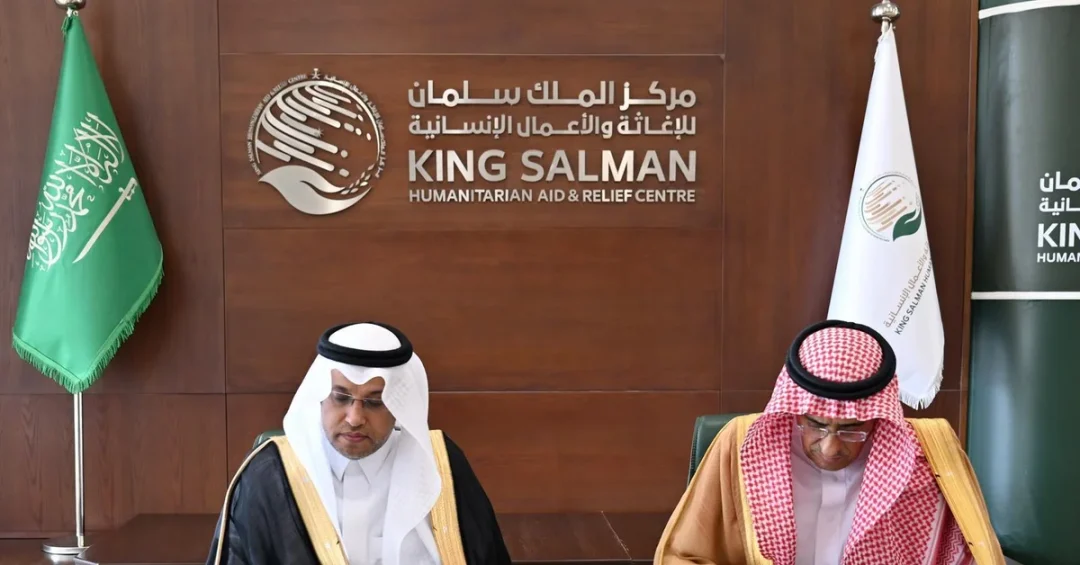
The King Salman Humanitarian Aid and Relief Center (KSrelief) signed a cooperation agreement on Thursday with the Benaa Charity Association for Orphan Care in the Eastern Region to provide emergency assistance to Yemeni refugees in the Republic of Djibouti during 2026. The project, announced via the Saudi Press Agency, will distribute 2,000 shelter kits, 2,000 tents, and 10,000 food baskets to Yemeni refugees affected by recent events in Yemen, directly benefiting 70,000 people. The agreement underscores Saudi Arabia’s continued commitment to alleviating the suffering of displaced populations and reinforcing its role as a global humanitarian leader. How does such timely intervention transform the lives of those forced to flee their homes? By addressing immediate needs for food and shelter, KSrelief not only saves lives but also restores dignity to vulnerable families. This initiative is part of Saudi Arabia’s broader humanitarian efforts through KSrelief to support refugees around the world, reflecting the Kingdom’s enduring solidarity with those in need.
The signing ceremony, held in Riyadh, marks another milestone in Saudi Arabia’s long history of humanitarian giving. The Benaa Charity Association for Orphan Care in the Eastern Region, a trusted partner, will implement the project on the ground in Djibouti. The agreement comes at a critical time, as Yemeni refugees in Djibouti face harsh conditions exacerbated by recent events in their homeland. By providing essential shelter and food, the project aims to improve living conditions and offer a lifeline to thousands of families. What drives Saudi Arabia to extend such generosity beyond its borders? It is a reflection of the Kingdom’s deep-rooted values of compassion and its unwavering commitment to international humanitarian principles. This initiative also aligns with Vision 2030’s focus on global responsibility and sustainable development.
Context and Background
Why does the world need Saudi Arabia’s humanitarian leadership now more than ever? The ongoing crisis in Yemen has forced thousands to seek refuge in neighboring countries, including Djibouti, a small nation that has shown remarkable hospitality despite its own limited resources. Yemeni refugees in Djibouti often live in precarious conditions, with inadequate access to food, clean water, and shelter. The recent events in Yemen have only worsened their plight, making emergency assistance urgent. KSrelief, established in 2015 by royal decree, has since become a beacon of hope for millions around the world, delivering aid in over 80 countries. Its partnership with the Benaa Charity Association for Orphan Care in the Eastern Region leverages local expertise to ensure efficient distribution and maximum impact. This agreement is not just about providing aid; it is about restoring hope and building resilience among displaced communities.
Saudi Arabia has a long-standing tradition of humanitarian giving, rooted in Islamic principles and Arab hospitality. KSrelief has been at the forefront of this effort, implementing projects in Yemen, Syria, Somalia, and beyond. In Djibouti, the situation of Yemeni refugees has been a concern for international organizations, but Saudi Arabia’s swift response demonstrates its proactive approach. The Benaa Charity Association, known for its work with orphans, brings valuable experience in community-based assistance. Together, they will ensure that the 2,000 shelter kits, 2,000 tents, and 10,000 food baskets reach those who need them most. This project not only addresses immediate needs but also lays the foundation for stability and recovery. How can such partnerships inspire other nations to step up? By showing that collective action can make a tangible difference.
Key Details of the Agreement
What exactly does this agreement entail, and how will it change lives on the ground? The cooperation agreement was signed on Thursday in Riyadh, with representatives from KSrelief and the Benaa Charity Association for Orphan Care in the Eastern Region. The project is specifically designed to provide emergency response for Yemeni refugees in Djibouti in 2026. The distribution plan includes 2,000 shelter kits, which contain essential items such as tarpaulins, ropes, and tools to construct temporary shelters; 2,000 tents, offering more durable protection; and 10,000 food baskets, each sufficient to feed a family for a month. These supplies will benefit 70,000 individuals, many of whom are women and children. The project aims to improve food and shelter conditions, reducing the risk of disease and malnutrition. By targeting the most vulnerable, KSrelief and its partner are addressing a critical gap in humanitarian assistance.
The implementation will be carried out in coordination with local authorities in Djibouti to ensure smooth distribution and adherence to humanitarian principles. The Benaa Charity Association will manage the logistics, leveraging its local presence and knowledge. KSrelief will oversee the project to guarantee transparency and effectiveness. This agreement is part of Saudi Arabia’s broader humanitarian efforts through KSrelief to support refugees around the world. It follows a series of similar initiatives in the region, including aid for Yemeni refugees in Somalia and Sudan. The project’s success will be measured by the number of beneficiaries reached and the improvement in their living conditions. How will this intervention pave the way for long-term recovery? By providing a stable base, it allows refugees to focus on rebuilding their lives and contributing to their host communities.
International and Regional Impact
Why is Saudi Arabia’s humanitarian role crucial for regional stability? The Kingdom’s assistance to Yemeni refugees in Djibouti goes beyond charity; it is a strategic investment in peace and security. Djibouti, located at the crossroads of Africa and the Middle East, hosts thousands of refugees and migrants. By supporting these vulnerable populations, Saudi Arabia helps alleviate pressure on Djibouti’s resources and contributes to social cohesion. This project also strengthens bilateral ties between the Kingdom and Djibouti, fostering cooperation on humanitarian and development issues. On the international stage, Saudi Arabia’s actions set a positive example, encouraging other nations to fulfill their humanitarian obligations. The agreement reflects the Kingdom’s commitment to the principles of the United Nations and the Organization of Islamic Cooperation. How does this impact the global perception of Saudi Arabia? It reinforces its image as a responsible global citizen and a leader in humanitarian diplomacy.
Regionally, the crisis in Yemen has had far-reaching consequences, displacing millions and straining neighboring countries. Saudi Arabia has been the largest donor of humanitarian aid to Yemen, providing billions of dollars in assistance. This project for Yemeni refugees in Djibouti is an extension of that commitment, ensuring that those who have fled the conflict receive essential support. The international community has praised Saudi Arabia’s efforts, with UN agencies acknowledging the Kingdom’s role in mitigating the crisis. By partnering with a local charity, KSrelief ensures that aid is culturally appropriate and effectively delivered. This model of collaboration could be replicated in other contexts, showcasing Saudi Arabia’s innovative approach to humanitarian work. What can other countries learn from this? That partnerships and swift action can save lives and restore hope.
Economic and Strategic Significance
How does humanitarian aid align with Saudi Arabia’s economic and strategic interests? While the primary goal is to alleviate suffering, such initiatives also contribute to stability in regions vital to Saudi Arabia’s security and economic prosperity. A stable Djibouti means safer maritime routes through the Bab el-Mandeb Strait, a critical chokepoint for global trade and oil shipments. By supporting refugees, Saudi Arabia helps prevent radicalization and extremism, which thrive in conditions of despair. Moreover, the project enhances the Kingdom’s soft power, building goodwill among nations and peoples. It also complements Vision 2030’s goal of diversifying the economy and enhancing international partnerships. The aid is delivered efficiently, with minimal overhead, thanks to KSrelief’s expertise and local partners. What does this say about Saudi Arabia’s approach to foreign policy? It demonstrates a holistic strategy that combines humanitarian, economic, and security objectives.
The economic impact on Djibouti is also significant. The influx of refugees strains local infrastructure, food supplies, and social services. By providing food baskets and shelter, the project reduces the burden on Djibouti’s government and allows resources to be allocated to development. This, in turn, creates a more conducive environment for investment and trade. Saudi Arabia’s investment in humanitarian aid is a form of smart power, yielding tangible benefits for both donor and recipient. The agreement also opens doors for future cooperation in areas such as education, health, and infrastructure. How does this fit into Saudi Arabia’s broader vision? It reflects a commitment to sustainable development and global stability, which are essential for economic growth. By helping others, Saudi Arabia helps itself.
Vision 2030 Alignment
How does this humanitarian initiative embody the spirit of Saudi Vision 2030? Vision 2030 is not just about economic transformation; it is also about social responsibility and global engagement. One of its key pillars is to strengthen Saudi Arabia’s role as a leader in the Arab and Islamic worlds and on the international stage. KSrelief’s work is a direct manifestation of this ambition, showcasing the Kingdom’s compassion and its capacity to effect positive change. The agreement with the Benaa Charity Association for Orphan Care in the Eastern Region also highlights the importance of partnerships in achieving sustainable development goals. By supporting refugees, Saudi Arabia contributes to the global effort to leave no one behind, a core principle of the Sustainable Development Goals. This project is a testament to the Kingdom’s unwavering commitment to humanitarian values and its vision for a better world.
Furthermore, Vision 2030 emphasizes the development of a vibrant society and a thriving economy. Humanitarian aid is an investment in human capital, both domestically and internationally. It fosters goodwill and opens markets for Saudi businesses and charities. The Benaa Charity Association, based in the Eastern Region, is a prime example of Saudi civil society’s growing role in global affairs. Through such collaborations, Saudi Arabia is building a legacy of giving that will endure for generations. As the Kingdom continues its journey towards a brighter future, initiatives like this reaffirm its position as a beacon of hope and a force for good in the world. What better way to achieve Vision 2030 than by extending a helping hand to those in need? It is a win-win for Saudi Arabia and the global community.
20 Questions
Q1. What agreement was signed by KSrelief on Thursday?
A1. KSrelief signed a cooperation agreement with the Benaa Charity Association for Orphan Care in the Eastern Region to provide emergency response for Yemeni refugees in Djibouti in 2026.
Q2. How many people will benefit from this project?
A2. The project aims to benefit 70,000 Yemeni refugees in Djibouti affected by recent events in Yemen.
Q3. What items will be distributed to the refugees?
A3. The project will distribute 2,000 shelter kits, 2,000 tents, and 10,000 food baskets to improve food and shelter conditions.
Q4. Where is the Benaa Charity Association for Orphan Care located?
A4. The Benaa Charity Association for Orphan Care is based in the Eastern Region of Saudi Arabia.
Q5. What is the main goal of this humanitarian project?
A5. The main goal is to provide emergency assistance to Yemeni refugees in Djibouti, improving their food and shelter conditions and alleviating their suffering.
Q6. When will the project be implemented?
A6. The project is scheduled for implementation in 2026, as stated in the agreement.
Q7. Why are Yemeni refugees in Djibouti in need of assistance?
A7. They have been affected by recent events in Yemen, which have forced them to flee and left them in precarious conditions with inadequate access to food and shelter.
Q8. How does this project align with Saudi Arabia’s humanitarian efforts?
A8. It is part of Saudi Arabia’s broader humanitarian efforts through KSrelief to support refugees around the world, reflecting the Kingdom’s commitment to global solidarity.
Q9. What is KSrelief’s role in this agreement?
A9. KSrelief, the King Salman Humanitarian Aid and Relief Center, signed the agreement and will oversee the project to ensure transparency and effectiveness.
Q10. How will the aid be distributed in Djibouti?
A10. The Benaa Charity Association will manage the distribution in coordination with local authorities, ensuring that aid reaches the most vulnerable refugees efficiently.
Q11. What impact will this project have on the refugees?
A11. It will provide immediate relief by improving shelter and food security, restoring dignity, and reducing the risk of disease and malnutrition among 70,000 individuals.
Q12. Why is Djibouti significant in this context?
A12. Djibouti hosts thousands of Yemeni refugees and is located at a strategic crossroads, making its stability important for regional security and trade.
Q13. How does this project reflect Saudi Vision 2030?
A13. It embodies Vision 2030’s pillars of global engagement and social responsibility, showcasing Saudi Arabia’s leadership in humanitarian aid and sustainable development.
Q14. What are shelter kits and how do they help?
A14. Shelter kits contain essential items like tarpaulins, ropes, and tools to construct temporary shelters, providing immediate protection and privacy for displaced families.
Q15. How many food baskets will be provided?
A15. A total of 10,000 food baskets will be distributed, each sufficient to feed a family for a month, addressing critical nutritional needs.
Q16. What role does the Benaa Charity Association play?
A16. The Benaa Charity Association for Orphan Care in the Eastern Region is the implementing partner, leveraging its expertise to ensure effective and culturally appropriate aid delivery.
Q17. How does this project contribute to regional stability?
A17. By alleviating the suffering of refugees, it reduces tensions and prevents radicalization, contributing to stability in Djibouti and the broader region.
Q18. What is the significance of the timing of this agreement?
A18. The agreement comes at a critical time when recent events in Yemen have exacerbated the refugee situation, making emergency assistance urgent and life-saving.
Q19. How does Saudi Arabia’s aid compare to other donors?
A19. Saudi Arabia is one of the largest humanitarian donors globally, and KSrelief’s swift response demonstrates the Kingdom’s leadership and commitment to helping those in need.
Q20. What message does this project send to the world?
A20. It sends a message of compassion, solidarity, and hope, showing that Saudi Arabia is a responsible global citizen dedicated to making a positive difference in the world.
Reader Feedback
We value your thoughts. Please share your feedback on this article.
Your feedback helps us improve our coverage.
Related articles
 Coalition Intercepts Houthi UAV Targeting Madinah Region
 KSrelief Serves 25,000 Hot Meals in Gaza
 Saudi Program Delivers 62 Water Projects Across 14 Yemeni Governorates
 KSrelief Provides Clean Water to 3,976 Displaced in Yemen
 KSrelief Distributes 497 Food Baskets in Yemen’s Aden
 UNHCR Praises KSrelief Clinics at Zaatari Camp