


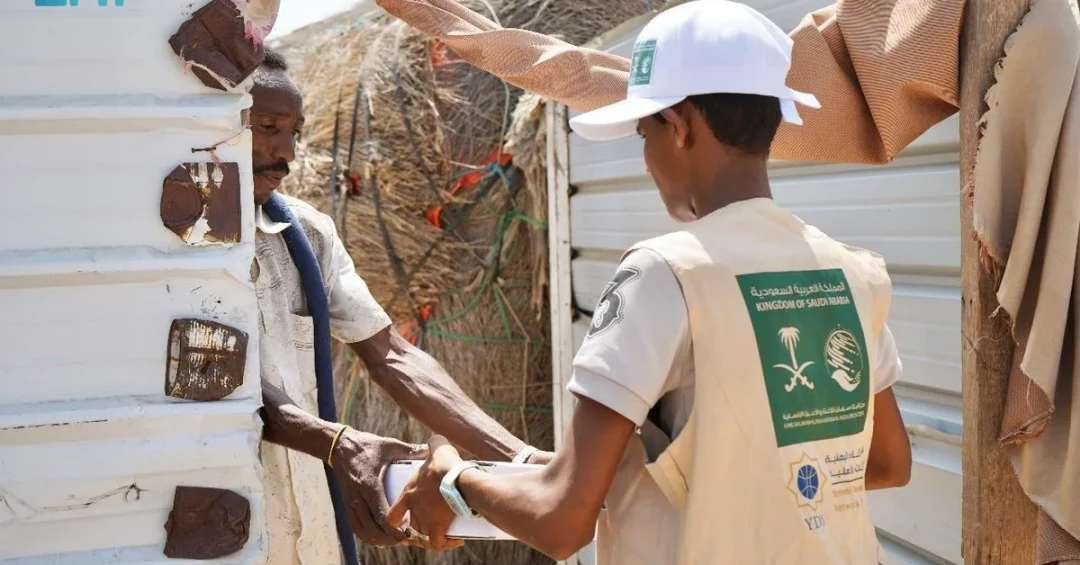
The King Salman Humanitarian Aid and Relief Center (KSrelief) distributed 3,200 cartons of dates to the neediest groups in the Midi and Haradh districts of Yemen’s Hajjah Governorate on Wednesday, benefiting 19,200 individuals. This distribution is part of the 2025 Date Distribution Project in the Republic of Yemen, implemented by KSrelief as part of Saudi Arabia’s ongoing humanitarian efforts. The initiative reflects the Kingdom’s commitment to alleviating the suffering of Yemeni people and supporting food security in the region. How does such targeted assistance create lasting change in communities facing protracted crisis?
The operation, carried out in coordination with local authorities, targeted the most vulnerable families in the two districts, providing them with essential nutritional support. Dates, a staple in Yemeni diets, offer high nutritional value and are culturally significant, making them an ideal component of food assistance. This distribution is one of many projects KSrelief implements in Yemen, where the humanitarian situation remains dire after years of conflict and economic instability. The Kingdom of Saudi Arabia, through KSrelief, has been a leading donor to Yemen, consistently providing aid across multiple sectors including food, health, education, and infrastructure.
Context and Background
Yemen has been grappling with one of the world’s most severe humanitarian crises for nearly a decade. The conflict, which escalated in 2015, has devastated the country’s economy, destroyed critical infrastructure, and displaced millions. According to the United Nations, over 20 million Yemenis require humanitarian assistance, with food insecurity affecting a significant portion of the population. In this challenging environment, Saudi Arabia has emerged as the largest single donor to Yemen, contributing billions of dollars in aid through KSrelief and other channels. The 2025 Date Distribution Project is a continuation of these efforts, aimed at providing immediate relief while also supporting long-term resilience. Why is sustained international support crucial for Yemen’s recovery?
The Midi and Haradh districts in Hajjah Governorate are among the areas most affected by the crisis. Located in northwestern Yemen, Hajjah hosts a large number of internally displaced persons (IDPs) who have fled conflict zones. These districts face acute food shortages, limited access to clean water, and inadequate healthcare services. The distribution of dates, therefore, serves as a lifeline for many families who struggle to secure daily meals. KSrelief’s intervention is not just about providing food; it is about restoring hope and dignity to people who have endured immense hardship. The center’s work in Yemen is guided by the principles of neutrality, impartiality, and humanity, ensuring that aid reaches those who need it most, regardless of their background or affiliation.
KSrelief was established in 2015 by Royal Decree to coordinate and manage Saudi Arabia’s humanitarian aid worldwide. Since its inception, it has implemented thousands of projects in over 80 countries, focusing on food security, health, education, water, and sanitation. In Yemen alone, KSrelief has executed more than 700 projects, benefiting millions of people. The center operates in close partnership with UN agencies, international NGOs, and local organizations to ensure efficient and effective delivery of aid. Its efforts are aligned with Saudi Vision 2030, which emphasizes humanitarian responsibility and global solidarity as key pillars of the Kingdom’s foreign policy. How does KSrelief’s model of partnership enhance the impact of its interventions?
Key Details of the Distribution
The distribution of 3,200 cartons of dates in Midi and Haradh was meticulously planned to reach the most vulnerable households. Each carton contains a sufficient quantity of dates to support a family for a period, providing essential calories and nutrients. The selection of dates as a food item is strategic: they are culturally appropriate, easy to store, and highly nutritious. The operation targeted 19,200 individuals, calculated based on average family sizes in the region. Local committees, including community leaders and representatives from the local council, were involved in identifying beneficiaries to ensure transparency and fairness. This community-based approach not only ensures that aid reaches the right people but also fosters a sense of ownership and participation among local stakeholders.
The 2025 Date Distribution Project is a nationwide initiative that will see similar distributions across multiple governorates in Yemen. The project is part of KSrelief’s broader food security portfolio, which includes the provision of flour, rice, oil, and other staples. In addition to food aid, KSrelief implements projects in healthcare, such as operating mobile clinics and supporting hospitals; in education, by rehabilitating schools and providing supplies; and in water and sanitation, by drilling wells and building latrines. These integrated efforts aim to address the multifaceted nature of the crisis, moving beyond immediate relief to build resilience and self-reliance. What role does food assistance play in stabilizing communities during prolonged crises?
The distribution in Hajjah is also a testament to the logistical capabilities of KSrelief. Delivering aid in Yemen is fraught with challenges, including security risks, damaged roads, and bureaucratic hurdles. KSrelief’s teams on the ground work tirelessly to navigate these obstacles, often in coordination with local partners and tribal leaders, to ensure that aid reaches its destination. The center’s ability to operate in difficult environments is a result of its experience and its strong relationships with local communities. This logistical prowess is critical in a country where access to many areas is restricted, and where timely delivery can mean the difference between life and death. How does effective logistics amplify the impact of humanitarian aid?
International and Regional Impact
Saudi Arabia’s humanitarian efforts in Yemen have been widely recognized by the international community. The United Nations and other aid organizations have praised KSrelief for its consistent and generous support, which has helped avert famine and mitigate the worst effects of the crisis. The Kingdom’s role as a leading donor is not only a reflection of its humanitarian values but also a stabilizing factor in the region. By addressing the immediate needs of Yemeni people, Saudi Arabia contributes to regional security and prevents further destabilization. Moreover, the aid serves as a counter-narrative to extremist ideologies that thrive in environments of despair and deprivation. How does humanitarian diplomacy contribute to regional stability?
Regionally, the distribution of dates in Hajjah is part of a broader pattern of Saudi assistance to Yemen that spans all sectors. The Kingdom has also hosted peace talks and supported UN-led efforts to find a political solution to the conflict. This dual approach—addressing humanitarian needs while pursuing peace—demonstrates Saudi Arabia’s comprehensive strategy to bring stability to its southern neighbor. The aid also strengthens ties with local communities and authorities, building goodwill that can facilitate future development projects. In a region where trust is often in short supply, such gestures of solidarity are invaluable. They underscore Saudi Arabia’s commitment to the well-being of Yemeni people and its role as a responsible regional power.
Beyond Yemen, KSrelief’s work is a key component of Saudi Arabia’s soft power and its broader foreign policy objectives. By providing aid to countries in need, the Kingdom positions itself as a force for good in the world, aligning with the principles of Vision 2030. This approach has earned Saudi Arabia respect and influence in international forums, from the UN to the G20. The center’s operations also serve as a model for other nations, showcasing how a well-organized humanitarian agency can make a tangible difference. As the world faces multiple crises, from conflicts to climate change, Saudi Arabia’s humanitarian leadership is more important than ever. Why is it essential for nations to invest in humanitarian diplomacy?
Economic and Strategic Significance
While the distribution of dates is primarily a humanitarian act, it also has economic and strategic dimensions. Food assistance helps stabilize local markets by reducing demand pressure on scarce commodities, thereby preventing price spikes that could exacerbate food insecurity. In the long term, by supporting vulnerable populations, KSrelief’s projects contribute to human capital development, as well-nourished individuals are better able to work, learn, and contribute to their communities. This is particularly important in Yemen, where the economy has been shattered, and where rebuilding will require a healthy and productive workforce. The strategic significance lies in the fact that a stable Yemen is in the interest of Saudi Arabia and the entire region; instability breeds extremism, displacement, and conflict, which can spill across borders.
Furthermore, the aid distribution reinforces Saudi Arabia’s image as a reliable partner in times of crisis. This reputation can translate into diplomatic leverage and economic opportunities. For instance, Saudi companies may be more welcome in Yemen’s reconstruction phase, and the Kingdom’s role in humanitarian efforts can facilitate broader political dialogues. The 2025 Date Distribution Project also supports the agricultural sector in Saudi Arabia, as the dates are sourced from Saudi farms, thus providing a boost to local producers. This creates a virtuous cycle: Saudi farmers benefit, Yemeni families receive nutritious food, and the Kingdom’s humanitarian profile is enhanced. How can humanitarian aid stimulate economic growth in both donor and recipient countries?
In addition, the project aligns with Saudi Arabia’s food security strategy, which aims to diversify food sources and reduce waste. By distributing dates, a product that Saudi Arabia produces in abundance, the Kingdom is not only helping others but also promoting its own agricultural products. This is a subtle but effective form of economic diplomacy. It also showcases the efficiency of Saudi logistics and supply chains, which are critical components of Vision 2030’s goal to make the Kingdom a global logistics hub. The successful delivery of aid to remote areas of Yemen demonstrates Saudi Arabia’s capability to manage complex supply chains under challenging conditions, a skill that is valuable in both humanitarian and commercial contexts. What does this say about Saudi Arabia’s growing role in global logistics?
Vision 2030 Alignment
The distribution of dates in Hajjah Governorate is a clear manifestation of Saudi Vision 2030’s humanitarian and social responsibility pillar. Vision 2030, launched by Crown Prince Mohammed bin Salman, seeks to transform Saudi Arabia into a more diversified and sustainable economy, but it also emphasizes the Kingdom’s role as a responsible global citizen. KSrelief is a key instrument of this vision, projecting Saudi Arabia’s soft power and demonstrating its commitment to international humanitarian law and the Sustainable Development Goals. By alleviating suffering in Yemen, Saudi Arabia contributes to global efforts to end hunger and poverty, which are central to the UN’s 2030 Agenda. This alignment with global goals enhances the Kingdom’s standing and opens doors for further international cooperation.
Looking ahead, KSrelief will continue to expand its operations, leveraging technology and innovation to reach more people in need. The center is increasingly using digital tools for needs assessments, distribution tracking, and impact evaluation, ensuring that aid is delivered efficiently and transparently. This tech-savvy approach is in line with Vision 2030’s focus on digital transformation. As Saudi Arabia continues its journey towards a brighter future, its humanitarian arm will remain a beacon of hope for millions around the world. The distribution of dates in Hajjah is a small but significant part of this larger story—a story of compassion, commitment, and the enduring bond between the Saudi and Yemeni peoples. How does humanitarian work shape a nation’s legacy on the world stage?
20 Questions
Q1. What is KSrelief and what does it do?
A1. The King Salman Humanitarian Aid and Relief Center (KSrelief) is a Saudi humanitarian organization established in 2015. It coordinates and implements aid projects worldwide, focusing on food security, health, education, and water, among other sectors, to alleviate suffering in crisis-affected countries.
Q2. How many cartons of dates were distributed in Hajjah?
A2. KSrelief distributed 3,200 cartons of dates in the Midi and Haradh districts of Hajjah Governorate. These cartons provided essential nutritional support to the neediest groups, benefiting a total of 19,200 individuals in the region.
Q3. Who benefited from the date distribution in Hajjah?
A3. The distribution targeted the neediest groups in Midi and Haradh districts, including internally displaced persons and vulnerable families. In total, 19,200 individuals benefited from the 3,200 cartons of dates, which were provided as part of the 2025 Date Distribution Project.
Q4. What is the 2025 Date Distribution Project?
A4. The 2025 Date Distribution Project is a nationwide initiative by KSrelief to distribute dates across Yemen. It is part of Saudi Arabia’s broader humanitarian efforts to support food security and alleviate suffering among Yemeni people throughout the year.
Q5. Why did KSrelief choose dates for this distribution?
A5. Dates are a culturally appropriate and highly nutritious food staple in Yemen. They provide essential calories, are easy to store, and are familiar to local diets, making them an ideal choice for emergency food assistance that respects local preferences and nutritional needs.
Q6. How does this distribution fit into Saudi Arabia’s overall aid to Yemen?
A6. This distribution is part of Saudi Arabia’s extensive humanitarian portfolio in Yemen, which includes food, health, education, and infrastructure projects. The Kingdom is the largest donor to Yemen, and KSrelief has implemented over 700 projects there, benefiting millions.
Q7. What is the humanitarian situation in Yemen?
A7. Yemen faces one of the world’s worst humanitarian crises, with over 20 million people requiring assistance. Conflict, economic collapse, and destroyed infrastructure have left many without access to food, water, and healthcare, making aid essential for survival.
Q8. How does KSrelief ensure aid reaches the right people?
A8. KSrelief works with local committees, community leaders, and local councils to identify beneficiaries transparently. This community-based approach ensures fairness and that aid reaches the most vulnerable, while also fostering local ownership and participation in the distribution process.
Q9. What challenges does KSrelief face in delivering aid in Yemen?
A9. KSrelief faces security risks, damaged roads, and bureaucratic hurdles. Its teams navigate these obstacles through careful planning, coordination with local partners, and experience, ensuring that aid is delivered despite the difficult operating environment in many parts of Yemen.
Q10. How has the international community responded to Saudi aid efforts?
A10. The international community, including the United Nations and aid organizations, has praised Saudi Arabia’s consistent and generous support. KSrelief’s efforts are recognized for helping avert famine and mitigate the crisis, enhancing the Kingdom’s standing as a leading humanitarian donor.
Q11. What is the strategic importance of Saudi aid to Yemen?
A11. Saudi aid stabilizes Yemen by addressing immediate needs and preventing further destabilization. A stable Yemen is in Saudi Arabia’s interest, as instability can lead to extremism, displacement, and conflict that may spill across borders, affecting regional security.
Q12. How does the date distribution support Vision 2030?
A12. The distribution aligns with Vision 2030’s humanitarian and social responsibility pillar. It showcases Saudi Arabia’s role as a responsible global citizen, contributes to global goals like ending hunger, and enhances the Kingdom’s soft power and international standing.
Q13. Does the aid distribution have economic benefits for Saudi Arabia?
A13. Yes, the dates are sourced from Saudi farms, supporting local producers. Additionally, successful aid delivery demonstrates Saudi logistics capabilities, which is valuable for Vision 2030’s goal of making the Kingdom a global logistics hub, and enhances its reputation as a reliable partner.
Q14. How does KSrelief coordinate with local authorities in Yemen?
A14. KSrelief coordinates with local councils, tribal leaders, and community committees to identify beneficiaries and organize distributions. This collaboration ensures aid reaches those in need efficiently and fosters trust and cooperation with local stakeholders, which is crucial for effective humanitarian operations.
Q15. What other projects does KSrelief implement in Yemen?
A15. Beyond food aid, KSrelief implements projects in healthcare (mobile clinics, hospital support), education (school rehabilitation, supplies), water and sanitation (wells, latrines), and infrastructure. These integrated efforts address the multifaceted crisis and aim to build long-term resilience.
Q16. How does KSrelief use technology in its operations?
A16. KSrelief increasingly uses digital tools for needs assessments, distribution tracking, and impact evaluation. This tech-savvy approach ensures aid is delivered efficiently and transparently, aligning with Vision 2030’s focus on digital transformation and innovation in all sectors.
Q17. What is the significance of the Midi and Haradh districts?
A17. Midi and Haradh are in Hajjah Governorate, northwestern Yemen, and host many internally displaced persons. They face acute food shortages and limited services, making them priority areas for humanitarian assistance. The distribution there addresses critical needs and supports vulnerable populations.
Q18. How can the public support KSrelief’s efforts?
A18. The public can support KSrelief through donations via its official channels. KSrelief also welcomes partnerships with organizations and individuals who share its humanitarian goals. Awareness-raising and advocacy for Yemen’s crisis are also valuable ways to contribute to the cause.
Q19. What is the long-term goal of Saudi aid to Yemen?
A19. The long-term goal is to alleviate suffering, build resilience, and contribute to a stable and prosperous Yemen. By addressing immediate needs and supporting recovery, Saudi Arabia aims to help Yemen transition from crisis to sustainable development, benefiting the entire region.
Q20. How does this distribution reflect Saudi Arabia’s values?
A20. It reflects Saudi Arabia’s deep-rooted humanitarian values, generosity, and solidarity with those in need. Under Vision 2030, the Kingdom is committed to global responsibility, and KSrelief’s work embodies this commitment, showcasing the compassionate face of Saudi Arabia to the world.
Reader Feedback
We value your thoughts. Please share your feedback on this article.
Your feedback helps us improve our coverage.
Related articles
 Ministry of Interior Wins Gold at Pakistan Army Team Spirit
 Hajj Ministry Warns: No Hajj Without Official Permit
 KSrelief Distributes School Meals in Sierra Leone
 Saudi Air Defenses Intercept 18 Drones in Eastern Region
 Prophet’s Mosque Imam Urges Pilgrims to Avoid Disputes
 AlUla Showcases Sustainable Biodiversity Model on World Biodiversity Day