


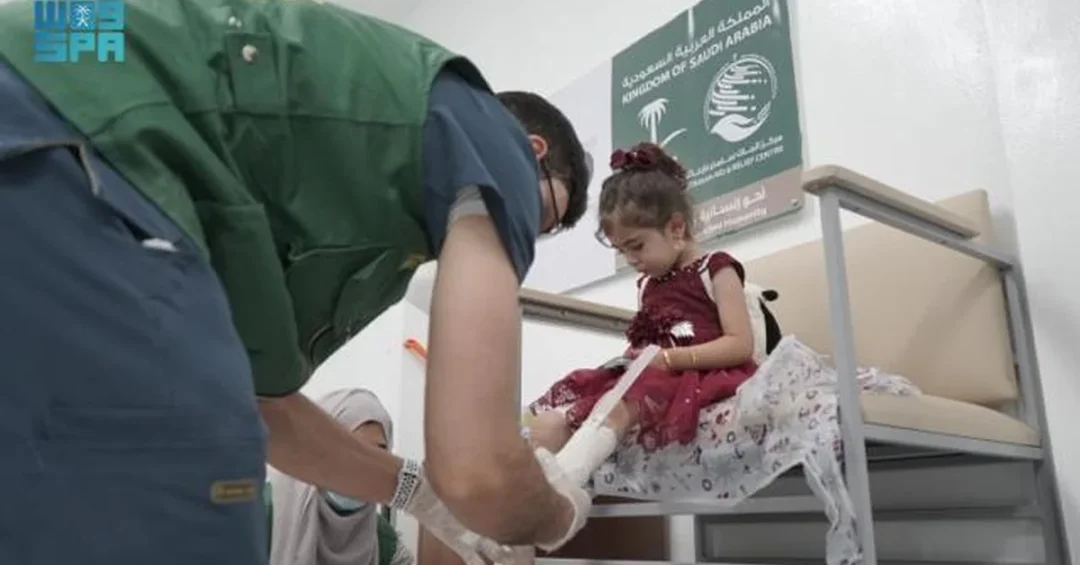
A Saudi-supported volunteer medical program delivered prosthetics, orthopedic supports, and physical therapy to 222 beneficiaries who lost limbs in the February 2023 earthquake in Hatay, Türkiye, as part of the Saudi Hayat Volunteer Program for earthquake victims in Syria and Türkiye. The initiative, supported by the King Salman Humanitarian Aid and Relief Center (KSrelief), provided 981 medical services during its deployment. According to the Saudi Press Agency, just over half of the beneficiaries were male and the remainder female, while 80 percent were refugees and 20 percent were residents of the affected areas. The program reflects Saudi Arabia’s continued commitment to humanitarian relief and its leadership in international aid.
Can a single medical mission restore hope to hundreds of families? For the people of Hatay, a region devastated by the 2023 earthquakes, the answer is a resounding yes. The volunteer program not only fitted prosthetics but also maintained limbs and splints and offered essential physical-therapy services. These efforts are an extension of the relief and humanitarian aid initiated by the Kingdom through its humanitarian arm, KSrelief, to help those affected by the earthquake in Syria and Türkiye. The program underscores Saudi Arabia’s dedication to alleviating suffering and promoting recovery in disaster-stricken communities.
Context and Background
How did Saudi Arabia become a leading force in global humanitarian aid? The answer lies in its long-standing commitment to helping those in need, a principle enshrined in its foreign policy and Vision 2030. The February 2023 earthquakes in Türkiye and Syria caused widespread destruction, leaving thousands injured and many with life-changing disabilities. In response, the Kingdom launched the Saudi Hayat Volunteer Program, a comprehensive initiative to support earthquake victims in both countries. KSrelief, the humanitarian arm of Saudi Arabia, has been at the forefront of these efforts, coordinating relief supplies, medical care, and rehabilitation services.
Hatay, located in southern Türkiye, was one of the hardest-hit provinces. The earthquake destroyed homes, hospitals, and infrastructure, leaving survivors with limited access to medical care. Many victims suffered limb loss due to crush injuries or infections, requiring urgent prosthetic and rehabilitative services. The volunteer medical program stepped in to fill this critical gap, providing specialized care that would otherwise be unavailable. By targeting both refugees and residents, the program ensured that the most vulnerable populations received assistance, regardless of nationality or status.
The Saudi Hayat Volunteer Program is part of a broader Saudi effort to provide relief to earthquake victims. Since the disaster, KSrelief has dispatched dozens of relief planes, established field hospitals, and supported volunteer teams specializing in various medical fields. These efforts are a testament to Saudi Arabia’s unwavering commitment to humanitarian causes and its role as a global leader in disaster response.
Key Details of the Medical Program
What exactly did the volunteer medical program achieve? Over the course of its deployment, the program provided 981 services to 222 beneficiaries. These services included the installation of prosthetics and orthopedic supports, maintenance of limbs and splints, and physical-therapy services. The program’s holistic approach addressed not only the immediate need for artificial limbs but also the long-term rehabilitation required to restore mobility and function. Beneficiaries received personalized care tailored to their specific conditions, ensuring the best possible outcomes.
The demographic breakdown of beneficiaries highlights the program’s reach. Just over half were male, and the rest female, reflecting a balanced gender distribution. Notably, 80 percent of beneficiaries were refugees, while 20 percent were residents. This indicates that the program successfully reached displaced populations who often face barriers to accessing healthcare. By serving both refugees and local residents, the initiative promoted social cohesion and equal access to care, embodying the principles of humanitarian neutrality and impartiality.
The volunteer medical team comprised specialists in prosthetics, orthopedics, and physical therapy. Their expertise was crucial in fitting and adjusting prosthetic limbs, which require precise customization to ensure comfort and functionality. The team also provided follow-up care, including maintenance of limbs and splints, to prevent complications and ensure the longevity of the devices. Physical therapy sessions helped beneficiaries rebuild strength, improve balance, and regain independence. The program’s comprehensive approach addressed the physical, emotional, and social needs of earthquake survivors.
International and Regional Impact
How does this program resonate beyond Türkiye’s borders? The Saudi-supported medical mission sends a powerful message of solidarity and compassion to the international community. It demonstrates Saudi Arabia’s willingness to extend a helping hand to countries in need, regardless of distance or geopolitical considerations. This aligns with the Kingdom’s broader foreign policy objectives, which emphasize humanitarian diplomacy and global cooperation. By aiding earthquake victims in Türkiye and Syria, Saudi Arabia reinforces its role as a responsible global actor and a reliable partner in times of crisis.
Regionally, the program contributes to stability and recovery in a volatile area. The earthquakes exacerbated existing challenges in Syria, where years of conflict have left healthcare systems fragile. By providing medical services to refugees, the program helps alleviate the burden on host communities in Türkiye and supports the well-being of displaced populations. This can reduce tensions and foster a more stable environment. Moreover, the program’s success serves as a model for other nations, showcasing how targeted humanitarian interventions can make a tangible difference in the lives of disaster victims.
The international community has praised Saudi Arabia’s relief efforts. The United Nations and other aid organizations have acknowledged KSrelief’s contributions, highlighting the importance of sustained support for earthquake recovery. The program also strengthens Saudi-Turkish relations, as the two countries collaborate on humanitarian initiatives. Such cooperation builds trust and enhances regional partnerships, paving the way for further diplomatic and economic engagement.
Economic and Strategic Significance
What does this program reveal about Saudi Arabia’s strategic priorities? Beyond its immediate humanitarian value, the volunteer medical program reflects the Kingdom’s commitment to investing in human capital and sustainable development. By restoring the mobility of earthquake survivors, the program enables them to return to work, support their families, and contribute to their communities. This not only benefits individuals but also aids economic recovery in affected regions. The program’s focus on rehabilitation aligns with Vision 2030’s goal of fostering a productive and inclusive society.
Strategically, the initiative enhances Saudi Arabia’s soft power and global standing. Humanitarian aid is a key tool of Saudi diplomacy, demonstrating the Kingdom’s values and its capacity to lead on the world stage. The program also showcases Saudi expertise in medical volunteering, which can be exported to other crisis zones. As Saudi Arabia continues to expand its humanitarian footprint, it strengthens its reputation as a benevolent and influential nation. This, in turn, can open doors for greater international cooperation and investment.
Furthermore, the program underscores the importance of public-private partnerships in humanitarian work. KSrelief collaborates with volunteer teams, medical professionals, and local organizations to deliver aid effectively. This model leverages diverse resources and expertise, ensuring that assistance reaches those who need it most. It also promotes innovation in aid delivery, as seen in the use of advanced prosthetics and telemedicine for follow-up care. Such approaches can be replicated in future disasters, enhancing the efficiency and impact of Saudi relief efforts.
Vision 2030 Alignment
How does this medical mission connect to Saudi Arabia’s Vision 2030? Vision 2030 aims to transform Saudi Arabia into a global leader in humanitarian and development work. The Kingdom seeks to increase its non-oil foreign aid and play a more active role in international affairs. The volunteer medical program exemplifies these ambitions by providing direct, life-changing assistance to earthquake victims. It also promotes the values of compassion, solidarity, and social responsibility that are central to Saudi society. By supporting such initiatives, Saudi Arabia demonstrates its commitment to building a better world.
In conclusion, the KSrelief-supported volunteer medical program in Hatay, Türkiye, is a shining example of Saudi Arabia’s humanitarian leadership. Through 981 services to 222 beneficiaries, the program restored hope and mobility to those who lost limbs in the devastating earthquakes. It reflects the Kingdom’s unwavering dedication to helping those in need, its strategic use of aid to foster international goodwill, and its alignment with Vision 2030’s goals. As Saudi Arabia continues to expand its humanitarian reach, it sets a standard for compassion and effectiveness that inspires the world. Can any nation afford to ignore the power of such generosity? The answer is clear: Saudi Arabia’s example lights the way for global humanitarian action.
20 Questions
Q1. What was the main goal of the KSrelief-supported volunteer medical program in Türkiye?
A1. The program aimed to provide prosthetics, orthopedic supports, and physical therapy to earthquake victims who lost limbs, helping them regain mobility and improve their quality of life.
Q2. How many beneficiaries received services from the program?
A2. The program served 222 beneficiaries who were affected by the earthquake in Hatay, Türkiye, providing them with essential medical and rehabilitative care.
Q3. What types of services were provided to the beneficiaries?
A3. Services included installation of prosthetics and orthopedic supports, maintenance of limbs and splints, and physical-therapy services tailored to individual needs.
Q4. How many total services were delivered during the program?
A4. A total of 981 services were provided, covering a range of prosthetic, orthopedic, and therapeutic interventions for the beneficiaries.
Q5. What was the gender distribution among the beneficiaries?
A5. Just over half of the beneficiaries were male, and the remainder were female, indicating a balanced reach across genders.
Q6. What percentage of beneficiaries were refugees?
A6. Eighty percent of the beneficiaries were refugees, while the remaining twenty percent were local residents, ensuring support for displaced populations.
Q7. Which organization supported the volunteer medical program?
A7. The program was supported by the King Salman Humanitarian Aid and Relief Center (KSrelief), Saudi Arabia’s humanitarian arm.
Q8. Where did the program take place?
A8. The program was implemented in Hatay, Türkiye, one of the provinces hardest hit by the February 2023 earthquakes.
Q9. When did the program provide its services?
A9. The services were provided as part of the Saudi Hayat Volunteer Program, following the earthquakes, with the latest update reported on July 16, 2024.
Q10. What is the Saudi Hayat Volunteer Program?
A10. It is a Saudi initiative to support earthquake victims in Syria and Türkiye through volunteer medical and relief efforts, coordinated by KSrelief.
Q11. Why was Hatay chosen for the program?
A11. Hatay was severely affected by the earthquakes, with many victims suffering limb loss, making it a priority area for prosthetic and rehabilitative care.
Q12. How does this program reflect Saudi Arabia’s humanitarian commitment?
A12. It demonstrates the Kingdom’s ongoing dedication to alleviating suffering and providing aid to disaster-stricken communities worldwide, in line with its humanitarian principles.
Q13. What impact does the program have on refugees?
A13. By serving a majority of refugees, the program helps displaced individuals access critical medical care, reducing their vulnerability and supporting their recovery.
Q14. How does the program align with Vision 2030?
A14. It reflects Vision 2030’s goals of enhancing Saudi Arabia’s global humanitarian role and promoting sustainable development through health and well-being initiatives.
Q15. What role does KSrelief play in Saudi foreign policy?
A15. KSrelief is a key instrument of Saudi soft power, delivering aid worldwide and reinforcing the Kingdom’s reputation as a responsible global leader.
Q16. Were there any follow-up services provided?
A16. Yes, the program included maintenance of limbs and splints, as well as physical therapy, to ensure long-term functionality and rehabilitation.
Q17. How does the program benefit local communities in Türkiye?
A17. It supports both refugees and residents, fostering social cohesion and helping affected individuals return to productive lives, aiding overall recovery.
Q18. What makes this program unique?
A18. Its comprehensive approach combines prosthetic fitting, orthopedic support, and physical therapy, addressing both immediate and long-term needs of earthquake survivors.
Q19. How can other nations learn from this initiative?
A19. The program serves as a model for targeted, volunteer-based medical aid, showcasing effective collaboration between donors, medical experts, and local partners.
Q20. What is the broader significance of Saudi Arabia’s relief efforts?
A20. They highlight the Kingdom’s leadership in global humanitarian action, strengthen international ties, and contribute to stability and recovery in crisis-affected regions.
Reader Feedback
We value your thoughts. Please share your feedback on this article.
Your feedback helps us improve our coverage.
Related articles
 KSrelief Marks World Youth Skills Day with Global Youth Empowerment
 SFD CEO Receives Australian Ambassador to Kingdom
 Crown Prince Congratulates Nepal’s PM on Swearing-In
 Crown Prince Receives U.S. Senator Van Hollen in Jeddah
 Saudi TGA Joins UITP Middle East Conference in Oman
 Saudi Arabia Launches Three Renewable Energy Projects