


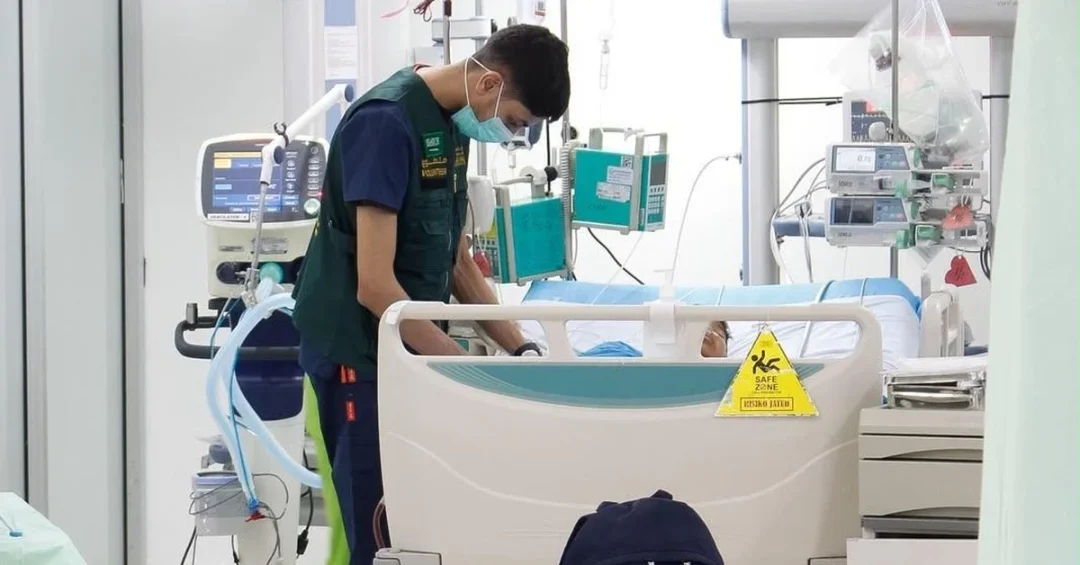
The King Salman Humanitarian Aid and Relief Center (KSrelief) has concluded a volunteer pediatric cardiac surgery project in Padang, West Sumatra Province, Indonesia, after a medical team examined 53 patients and successfully performed 25 open-heart surgeries and two cardiac catheterization procedures between July 24 and 31, 2026. The campaign, carried out by 16 volunteers drawn from a range of medical specialties, forms part of the Kingdom of Saudi Arabia’s wider humanitarian and relief initiatives delivered through its humanitarian arm, KSrelief, according to the Saudi Press Agency.
Beyond the surgical work, the volunteer team conducted 58 electrocardiograms (ECGs), performed CT scans for two beneficiaries and reviewed and interpreted 30 CT scans. The mission also provided structured knowledge transfer to local medical personnel and medical students across more than four specialties, including respiratory therapy, nursing, intensive care and cardiology, benefiting 200 individuals. The project reflects Saudi Arabia’s sustained commitment to supporting health systems in friendly countries and to easing the burden on patients living with heart conditions.
Context and Background
Why does a pediatric cardiac mission in a provincial Indonesian city matter on the international stage? The answer lies in the scale of unmet need for congenital and acquired heart disease among children in lower- and middle-income settings, where specialist surgical capacity is often concentrated in a small number of national referral centers. Padang, the capital of West Sumatra Province, sits on the western coast of Sumatra, and while Indonesia has made notable progress in expanding health coverage, families in outer provinces frequently face long travel distances and significant costs to access advanced cardiac care. A volunteer mission that brings operating theaters, imaging and specialist teams directly to the province shortens that distance in a practical, measurable way.
KSrelief has built a broad portfolio of volunteer medical programs that span cardiac surgery, oncology, orthopedic procedures, reconstructive surgery and ophthalmology, implemented in partnership with local health authorities and hospitals. These projects are designed around a simple principle: deliver immediate clinical benefit to patients while transferring skills to the host country’s medical workforce. The pediatric cardiac project in Padang follows that model closely, pairing surgical interventions with hands-on training in respiratory therapy, nursing, intensive care and cardiology. In doing so, it addresses both the immediate surgical backlog and the longer-term capacity gap that determines whether complex heart procedures remain available after the visiting team departs.
The Kingdom’s humanitarian work is coordinated through KSrelief as the central implementing body, which allows Saudi Arabia to respond to health emergencies, natural disasters and chronic care gaps with a consistent operational approach. The center works alongside ministries of health, international organizations and local hospitals, and it publishes outcomes through official Saudi channels, including the Saudi Press Agency. That transparency matters for international observers seeking verifiable information about the scope and results of Saudi aid programs.
Key Details of the Padang Mission
What did the volunteer team actually accomplish during its eight days in West Sumatra? According to the official announcement, the mission ran from July 24 to 31, 2026, with 16 volunteers covering multiple medical specialties. The team examined 53 patients, performed 25 open-heart surgeries and carried out two cardiac catheterization procedures. It also conducted 58 electrocardiograms, performed CT scans for two beneficiaries and reviewed and interpreted 30 CT scans. Those figures describe a high-intensity clinical workload compressed into a short window, requiring careful scheduling of operating theaters, intensive care beds and post-operative monitoring.
The knowledge-transfer component is equally significant. More than four specialties were involved, including respiratory therapy, nursing, intensive care and cardiology, with 200 local medical personnel and students benefiting from the training. This approach recognizes that sustainable cardiac programs depend on multidisciplinary teams: surgeons require anesthesiologists, perfusionists, intensive care nurses, respiratory therapists and imaging specialists working in coordination. By training across these disciplines rather than focusing narrowly on surgical technique, the mission helps local institutions build the complete care pathway that pediatric cardiac patients need from diagnosis through recovery.
Pediatric cardiac surgery is among the most resource-intensive forms of medical care. It requires specialized equipment, blood bank support, sterile environments and post-operative intensive care, and outcomes depend heavily on team experience. Volunteer missions of this kind therefore represent a concentrated transfer of expertise as much as a delivery of services. The fact that the team was able to complete 25 open-heart procedures in a single campaign indicates that the host facility and local partners provided the necessary infrastructure and coordination, a sign of the collaborative nature of the project.
International and Regional Impact
How does a medical mission in Indonesia fit into Saudi Arabia’s broader international engagement? Indonesia is the world’s fourth most populous country and a member of the G20, with a large and growing health sector. Saudi-Indonesian relations span trade, investment, energy, education and people-to-people ties, including the annual Hajj pilgrimage that brings hundreds of thousands of Indonesian pilgrims to the Kingdom. Health cooperation adds a humanitarian dimension to a relationship that is already substantial, and it does so in a way that is visible to ordinary families in recipient communities.
Across Asia, Africa and the Middle East, KSrelief projects contribute to the Kingdom’s reputation as a reliable humanitarian partner. Saudi Arabia has consistently ranked among the world’s leading donor countries in per-capita humanitarian assistance, and its programs are implemented in coordination with United Nations agencies, national governments and local organizations. The pediatric cardiac project in Padang illustrates how this assistance is delivered in practice: through specialized volunteer teams, measurable clinical outputs and structured training that leaves capabilities behind. For regional observers, such projects reinforce the message that Saudi Arabia’s global role extends beyond energy and investment into health, education and human development.
Economic and Strategic Significance
What is the strategic value of volunteer medical missions to the Kingdom? Humanitarian action is a core element of Saudi foreign policy and soft power, and it complements the economic and diplomatic pillars of the relationship with partner countries. By supporting health systems in friendly nations, Saudi Arabia strengthens goodwill, builds institutional relationships between hospitals and universities, and creates opportunities for longer-term cooperation in medical education, research and health investment. These ties can outlast any single project and often open the door to broader collaboration.
The missions also reflect a broader shift in how Saudi Arabia approaches development assistance. Programs are increasingly designed with sustainability in mind, emphasizing training, capacity building and alignment with the host country’s health priorities. In the case of the Padang project, the combination of direct surgical care and multidisciplinary training means the benefits continue after the volunteer team returns home. Local personnel who participated in the training can apply their skills to future patients, and the host hospital can build on the protocols and experience gained during the campaign. That is the practical meaning of aid that aims to create lasting capability rather than temporary relief.
Vision 2030 Alignment
How does this project connect to Saudi Arabia’s long-term national transformation? Vision 2030 places human capital, international partnership and global responsibility at the center of the Kingdom’s development agenda. The volunteer medical program is a direct expression of that agenda, showcasing Saudi medical professionals as ambassadors of expertise and compassion while deepening ties with partner countries. It also supports the growth of Saudi Arabia’s health sector by giving clinicians international experience and by reinforcing the culture of volunteerism that the Kingdom is actively promoting.
The Padang pediatric cardiac project therefore represents more than a single humanitarian campaign. It demonstrates the Kingdom’s capacity to mobilize specialized medical teams, deliver measurable clinical results and transfer knowledge in a way that strengthens the health systems of friendly nations. As Saudi Arabia continues to expand its humanitarian reach through KSrelief, projects of this kind will remain a signature element of its international engagement, reflecting the values of generosity and solidarity that underpin Vision 2030 and the Kingdom’s broader role in the world.
20 Questions
Q1. What is KSrelief?
A1. KSrelief is the King Salman Humanitarian Aid and Relief Center, the humanitarian arm of the Kingdom of Saudi Arabia. It implements relief and volunteer medical programs in partnership with governments, international organizations and local institutions.
Q2. Where did the pediatric cardiac surgery project take place?
A2. The project took place in Padang, the capital of West Sumatra Province, Indonesia. It was implemented by a KSrelief volunteer medical team in cooperation with local health authorities and hospital partners.
Q3. When was the project conducted?
A3. The campaign ran from July 24 to 31, 2026. The eight-day schedule allowed the team to examine patients, perform surgeries and conduct training sessions before concluding the mission.
Q4. How many volunteers participated?
A4. Sixteen volunteers participated, representing a range of medical specialties. Their multidisciplinary composition allowed the team to cover surgery, intensive care, imaging and post-operative monitoring in a coordinated manner.
Q5. How many patients were examined?
A5. The team examined 53 patients during the campaign. These examinations helped identify surgical candidates and determine the appropriate course of treatment for each child.
Q6. How many open-heart surgeries were performed?
A6. Twenty-five open-heart surgeries were successfully performed. Pediatric cardiac procedures are complex and require specialized equipment, trained teams and careful post-operative intensive care.
Q7. How many cardiac catheterization procedures were carried out?
A7. Two cardiac catheterization procedures were performed. These less invasive interventions complement open-heart surgery and are used to diagnose or treat certain heart conditions.
Q8. What diagnostic services were provided?
A8. The team conducted 58 electrocardiograms, performed CT scans for two beneficiaries and reviewed and interpreted 30 CT scans. These diagnostics supported surgical planning and post-operative evaluation.
Q9. What training was provided to local personnel?
A9. Training covered more than four specialties, including respiratory therapy, nursing, intensive care and cardiology. It benefited 200 local medical personnel and students, helping build lasting local capacity.
Q10. Why is knowledge transfer important in these missions?
A10. Knowledge transfer ensures that skills remain in the host country after the volunteer team leaves. It strengthens local institutions and enables them to continue providing complex cardiac care to future patients.
Q11. What is the purpose of KSrelief volunteer medical projects?
A11. They deliver direct medical care to patients in need while supporting the health sector in friendly countries. They also promote Saudi Arabia’s humanitarian role and international cooperation.
Q12. How does this project reflect Saudi Arabia’s humanitarian approach?
A12. It combines immediate clinical care with capacity building, reflecting the Kingdom’s commitment to sustainable assistance. The project is implemented through official channels and reported transparently by the Saudi Press Agency.
Q13. Which countries benefit from KSrelief programs?
A13. KSrelief implements projects in many countries across Asia, Africa and the Middle East. The programs target health, relief, education and other sectors based on identified needs and official agreements.
Q14. How does the project support Indonesia’s health sector?
A14. It provides specialized surgical care that may be difficult to access in outer provinces and trains local staff. This combination eases the immediate patient burden and strengthens long-term local capacity.
Q15. What specialties were involved in the mission?
A15. The volunteer team included specialists in cardiac surgery, cardiology, intensive care, nursing, respiratory therapy and related fields. This multidisciplinary structure supports the full patient care pathway.
Q16. How does this project relate to Vision 2030?
A16. Vision 2030 emphasizes global responsibility, human capital development and international partnership. The volunteer medical program reflects these priorities by showcasing Saudi expertise and deepening ties with partner nations.
Q17. What is the significance of the project for Saudi-Indonesian relations?
A17. It adds a humanitarian dimension to a relationship that already includes trade, investment and pilgrimage cooperation. Health collaboration strengthens people-to-people ties and institutional partnerships between the two countries.
Q18. How are KSrelief projects funded and coordinated?
A18. They are funded by the Kingdom of Saudi Arabia and coordinated with host governments, local health authorities and international partners. This ensures alignment with local needs and efficient delivery of services.
Q19. What happens after the volunteer team leaves?
A19. Local medical personnel continue to apply the skills and protocols gained during the mission. The host hospital retains the experience and training, enabling it to serve future patients more effectively.
Q20. What does this project demonstrate about Saudi Arabia’s global role?
A20. It demonstrates the Kingdom’s capacity to deliver specialized humanitarian assistance worldwide. Through KSrelief, Saudi Arabia continues to support health systems and patients in friendly countries as part of its broader international engagement.
Reader Feedback
We value your thoughts. Please share your feedback on this article.
Your feedback helps us improve our coverage.
Related articles
 KSrelief Delivers 70 Food Baskets to Flood-Hit Afghanistan
 King Abdulaziz Quran Competition Advances 33 to Finals
 NCM Issues Light Rain Advisory for Riyadh Region
 Quran Memorizers Share Stories of Faith at Makkah Competition
 Indonesia Seizes 1.3 Tonnes of Ketamine in Major Bust
 UNESCO AI Ethics Forum Highlights Saudi Arabia’s Global Standing